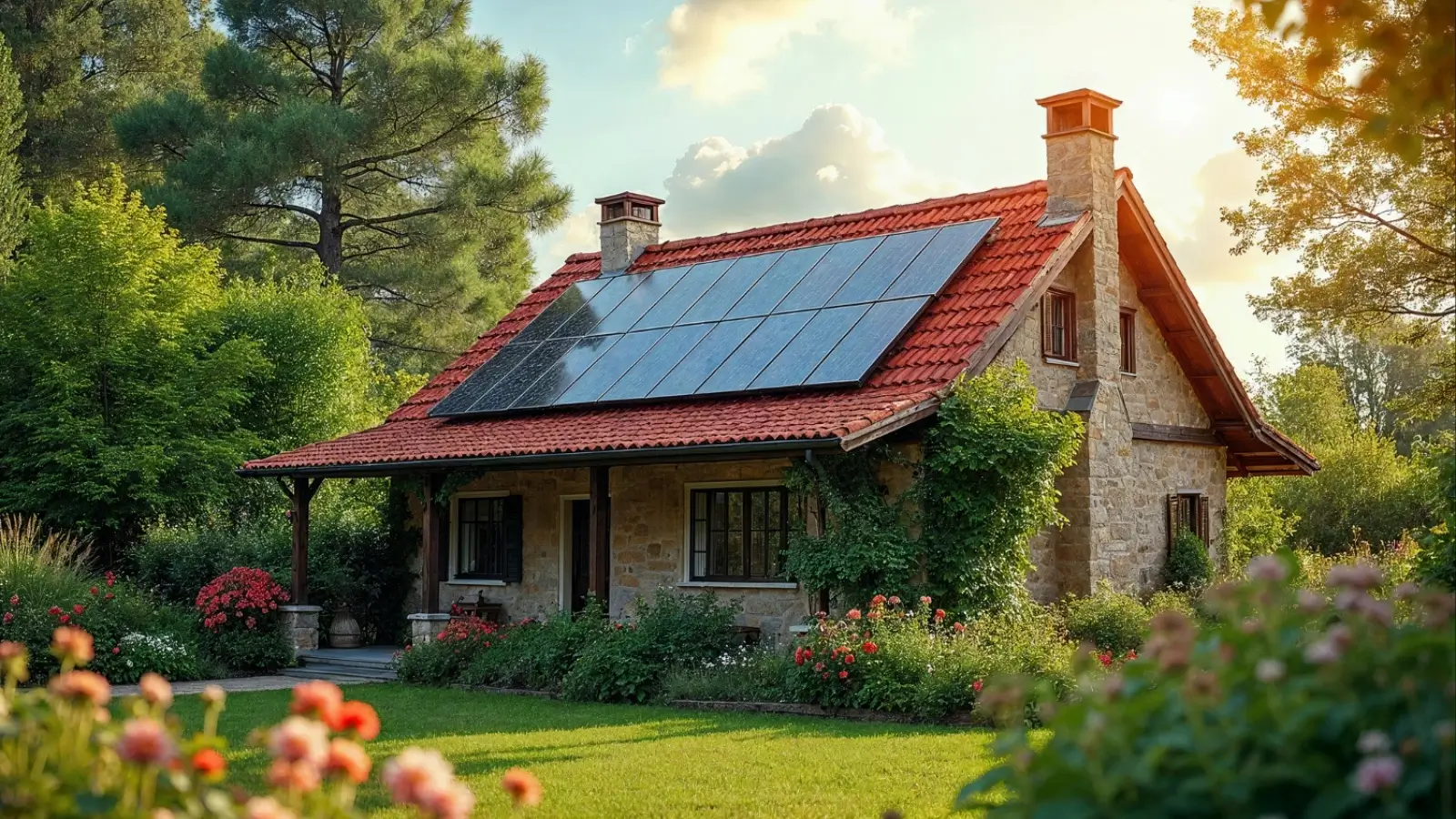
In today’s construction landscape, Sustainable Building has become a cornerstone for homeowners seeking to balance comfort, efficiency, and environmental responsibility. Sustainable building goes beyond choosing eco-friendly materials; it encompasses the full spectrum of design, construction, and operational practices aimed at reducing environmental impact while enhancing the durability, functionality, and long-term value of a home. By integrating energy-efficient systems, durable materials, and smart design principles, homeowners can create living spaces that are comfortable year-round, cost-effective to maintain, and aligned with environmentally conscious standards.
For modern homeowners, sustainable building offers a practical solution to rising energy costs, changing climate conditions, and the increasing demand for healthy, resilient living spaces. Whether constructing a new home or renovating an existing one, adopting sustainable principles ensures that the property performs efficiently, provides lasting comfort, and maintains high resale value.
Understanding Sustainable Building
Sustainable building focuses on designing and constructing homes in a way that maximizes energy efficiency, reduces environmental impact, and promotes long-term durability. It involves careful consideration of materials, insulation, water management, and energy systems to ensure that each element contributes to a cohesive, high-performing home. Unlike traditional construction, which may prioritize short-term costs or aesthetics, sustainable building emphasizes the total lifecycle of the home, reducing maintenance needs, energy consumption, and the overall environmental footprint.
A key aspect of sustainable building is viewing the home as an integrated system. Walls, roofs, windows, doors, and mechanical systems are all designed to work together, improving energy performance and indoor comfort. By taking this holistic approach, homeowners can achieve significant long-term savings, enhance the quality of life, and make environmentally responsible choices.
Energy-Efficient Design Principles
One of the most important pillars of sustainable building is energy-efficient design. This includes strategic placement of windows, doors, and living spaces to optimize natural light and passive heating and cooling. Proper orientation allows homes to capture sunlight in the winter while minimizing heat gain during summer months. These techniques reduce reliance on mechanical heating and cooling systems, leading to lower energy bills and a more comfortable indoor environment.
Insulation and air sealing are also crucial components of energy-efficient design. High-performance insulation keeps indoor temperatures stable, while carefully sealed envelopes prevent drafts and air leaks. This not only improves comfort but also reduces the energy required to maintain a consistent climate. Homes built with these principles experience fewer temperature fluctuations and greater overall efficiency.
Sustainable Materials and Construction Practices
Materials play a central role in sustainable building. Homeowners are increasingly choosing products that are renewable, recycled, or locally sourced to reduce environmental impact. Durable materials, such as sustainably harvested wood, recycled composites, and low-VOC finishes, extend the lifespan of a home while minimizing maintenance requirements.
Construction practices are equally important. Sustainable building techniques prioritize minimizing waste, reducing construction pollution, and protecting the surrounding ecosystem. For example, careful site preparation can preserve existing vegetation, prevent soil erosion, and manage stormwater runoff effectively. Using modular construction methods or prefabricated components can further reduce material waste and construction time.
High-Performance Windows and Doors
Windows and doors are critical for achieving both energy efficiency and indoor comfort in sustainable building. High-quality installations reduce air leakage, improve insulation, and allow controlled natural light into living spaces. Features such as double-pane glass, low-emissivity coatings, and properly sealed frames prevent unwanted heat transfer, helping maintain consistent indoor temperatures.
Properly installed and maintained windows and doors also enhance durability, protect against moisture intrusion, and contribute to long-term cost savings. Beyond energy efficiency, these features improve the visual appeal and value of a home, creating a more inviting and functional living environment.
Renewable Energy Integration
Sustainable building often incorporates renewable energy systems such as solar panels, solar water heaters, and energy-efficient HVAC systems. These systems reduce dependence on non-renewable energy sources while lowering long-term utility costs. Homes designed with renewable energy in mind also benefit from increased resilience against rising energy prices and potential utility disruptions.
Integrating renewable energy requires careful planning, including roof orientation, system capacity, and connection to existing electrical infrastructure. When designed correctly, renewable energy solutions complement other sustainable features, resulting in a home that is both efficient and self-sufficient.
Water Efficiency and Management
Water management is another essential component of sustainable building. Efficient plumbing systems, low-flow fixtures, and rainwater harvesting can significantly reduce water consumption. Proper drainage and site grading prevent water damage and protect the structural integrity of the home.
Sustainable building also considers the landscape surrounding the home. Native or drought-tolerant plants, permeable hardscaping, and efficient irrigation systems reduce water use while supporting local ecosystems. Thoughtful water management ensures that homes remain safe, durable, and environmentally responsible.
Indoor Comfort and Health Benefits
Homes built using sustainable practices provide significant comfort and health benefits. Energy-efficient design maintains stable temperatures, while high-quality ventilation and low-emission materials improve indoor air quality. Proper moisture control reduces the risk of mold growth, contributing to a healthier environment for occupants.
Additionally, sustainable building promotes quiet and peaceful interiors. High-performance insulation and window systems reduce outside noise, creating a comfortable and serene living space. This combination of comfort, health, and efficiency makes sustainable homes increasingly desirable to modern homeowners.
Cost Savings and Long-Term Value
Although sustainable building may require higher initial investment, the long-term financial benefits are substantial. Energy-efficient homes typically have lower heating and cooling costs, reduced maintenance expenses, and fewer structural repairs over time. Durable materials, efficient systems, and thoughtful design reduce replacement needs and extend the home’s lifespan.
Sustainable homes also hold their value well in the real estate market. Buyers recognize the benefits of energy efficiency, comfort, and reduced operating costs, making these properties more attractive and competitive. Over time, the savings and added resale value often outweigh the upfront costs, making sustainable building a smart long-term investment.
Trends in Sustainable Building
Modern sustainable building trends focus on integrating technology, efficiency, and environmental responsibility. Smart home systems optimize energy use, monitor water consumption, and enhance indoor comfort. Green roofs, advanced insulation, and passive solar designs contribute to improved performance while reducing environmental impact.
There is also increasing attention on the use of recycled and renewable materials, along with low-impact construction techniques. These trends reflect the growing demand for homes that are both high-performing and environmentally conscious, ensuring that sustainability is a key factor in modern design and construction practices.
Conclusion
Sustainable Building offers a comprehensive approach to creating homes that prioritize energy efficiency, durability, comfort, and long-term value. Through careful design, material selection, renewable energy integration, and effective water and air management, homeowners can achieve spaces that are comfortable, cost-effective, and environmentally responsible.
By embracing sustainable construction practices, homeowners not only reduce their environmental impact but also enhance the quality of daily living, lower long-term costs, and increase property value. Thoughtful, well-executed sustainable building ensures that a home performs efficiently for years to come while providing a safe, comfortable, and beautiful living environment for its occupants.
Business Outstanders brings you sharp insights on tech, business, entrepreneurship, law, crypto, and more. We uncover what’s next. Stay updated, sign up for our newsletter and be part of the future!