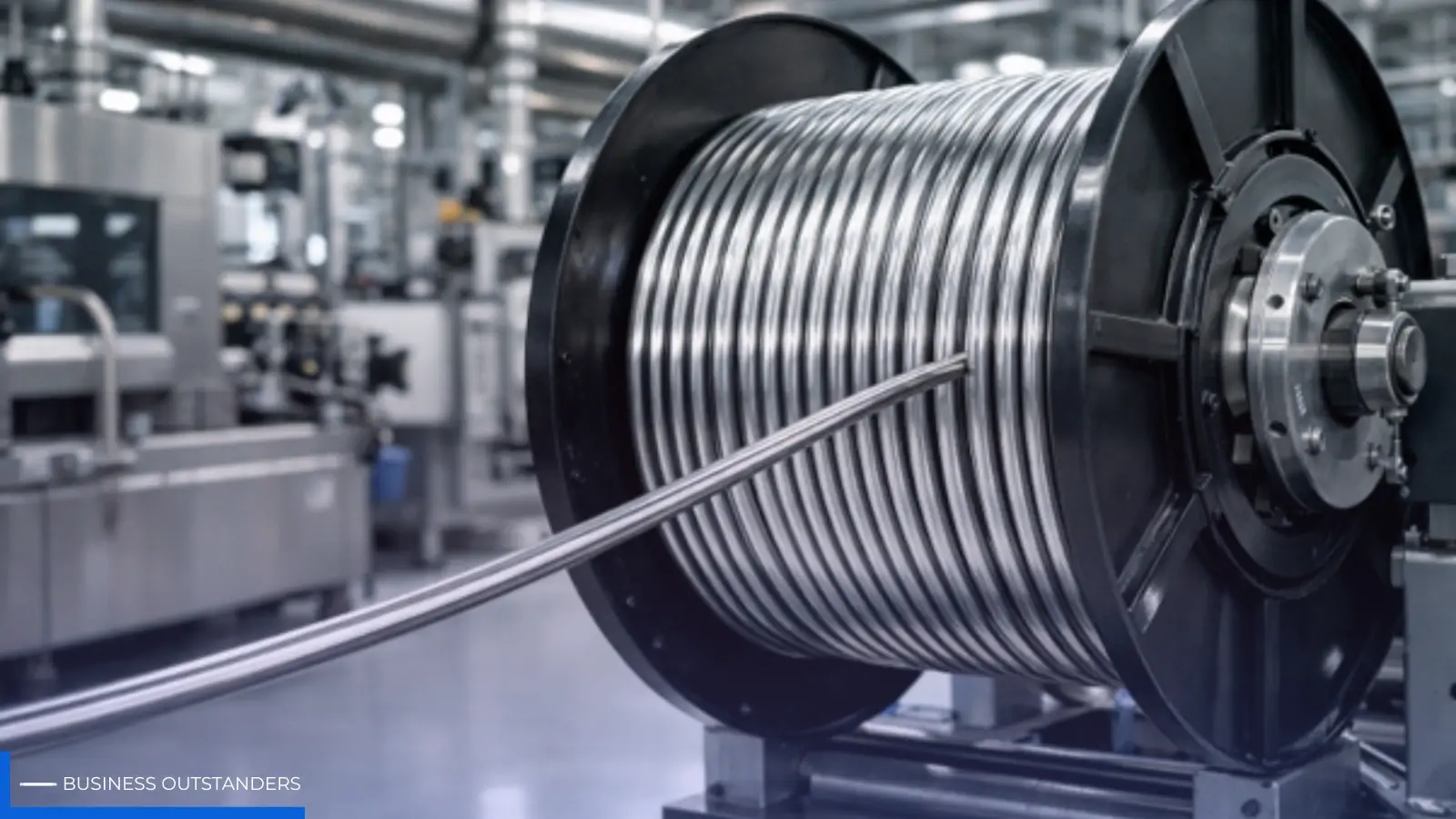
Coiled tubing has significantly transformed modern manufacturing by delivering highly efficient, durable, and adaptable solutions for a range of industrial needs. The ability to implement continuous tubing without interruption has made it indispensable in areas where reliability and versatility are important. For those seeking superior organization and protection products for their tubing and wiring, Heli-Tube® spiral wrap systems also offer industry-leading containment and routing solutions to enhance efficiency.
From intricate heat exchangers to robust fluid or gas transport lines, coiled tubing enables manufacturers to achieve superior performance and cost savings. Whether in electronics, chemical processing, or heavy manufacturing, coiled tubing’s presence is a testament to ongoing innovation and adaptability in industrial processes. By minimizing leak points and reducing labor costs, coiled tubing continues to prove itself as a cornerstone technology across countless applications.
As manufacturing demands intensify and products become increasingly complex, the emphasis on streamlined, safe, and economical tubing solutions, such as coil tubing, intensifies. It becomes even more pronounced. Embracing the right technologies and accessories not only optimizes but also enhances the properties, further improving the life and efficacy of essential machinery and systems.
The following exploration highlights the extensive uses, advantages, and key considerations of coiled tubing across diverse manufacturing sectors. As automation and smart factories expand, manufacturers are evaluating the best ways to integrate coiled tubing into next-generation designs to increase precision, reliability, and real-time condition monitoring. The decision to adopt advanced tubing systems is often driven by a desire to optimize performance and prioritize safety.
Introduction to Coiled Tubing
Coiled tubing is a continuous, flexible tube stored on large spools and available in a variety of diameters and materials. Its design allows for seamless installation in systems where rigidity and frequent joining would pose limitations. Originally developed for oil and gas applications, coiled tubing has evolved to become a mainstay in manufacturing, chemical processing, HVAC systems, and more. Its ability to navigate tight spaces and accommodate complex routing needs sets it apart from conventional, straight-length tubing.
The manufacturing of coiled tubing itself involves sophisticated processes to ensure uniform wall thickness, consistent diameter, and precise mechanical properties. Advanced tube mills and quality control technologies, such as non-destructive testing and automated dimensional checks, contribute to high reliability standards for industrial users. By leveraging these cutting-edge production methods, manufacturers can meet the increasingly stringent requirements of technical and diversified applications.
The flexibility offered by coiled tubing does not come at the expense of strength or durability, and in many cases, specialized heat treatments and alloying elements are applied during production to further enhance its properties. Engineers must balance these considerations with cost and supply chain constraints to maximize the value of coiled tubing across different settings.
Key Applications in Manufacturing
In manufacturing, coiled tubing is valued for its versatility. Major uses include fluid and gas transfer, where it provides a continuous pathway, minimizing joints that can be prone to leaks. It is also prevalent in heat exchangers, where its ability to be bent and coiled allows for compact, high-performance designs. In automated manufacturing systems and robotics, coiled tubing is preferred for delivering compressed air, hydraulic fluids, or coolants due to its resilience and adaptability. Furthermore, structural applications, such as lightweight assembly frameworks, leverage the strength and flexibility of coiled tubing. Increasingly, industries rely on coiled tubing for cleanroom environments and high-purity processing, where minimizing contamination risk is crucial.
Additionally, the proliferation of miniature and micro-manufacturing technologies, such as those employed in medical device and electronics assembly, has enabled coiled tubing to be adapted for the precision conveyance of fine fluids and gases. In these applications, the need for tightly controlled environments and precision fluid management is paramount, and the seamless design of coiled tubing is especially beneficial.
Another important area is in custom OEM (original equipment manufacturer) solutions, where equipment manufacturers specify unique shapes, lengths, or end-forms for coiled tubing to support proprietary machinery or cutting-edge product designs. The ease with which coiled tubing can be customized further cements its popularity across a broad spectrum of industries.
Advantages of Using Coiled Tubing
- Coiled tubing reduces installation time and labor costs, thereby shortening project timelines and making them more manageable for manufacturers.
- With less need for fittings and connections, the risk of leaks and system failures is minimized, promoting long-term reliability.
- The durability of high-quality coiled tubing extends the service life of manufacturing systems, reducing the frequency of repairs and replacements.
- Streamlined configurations result in less turbulence and pressure loss, boosting overall system efficiency, as reported by ScienceDirect.
- Additionally, manufacturers often achieve more robust safety margins and easier troubleshooting thanks to the continuous nature of coiled tubing systems.
Coiled tubing also offers notable benefits in supporting sustainability initiatives. Its lightweight construction results in fewer raw materials used during production and, in many cases, easier recyclability at the end of life. From a logistical perspective, the ability to store and transport substantial lengths of tubing on spools can significantly reduce shipping costs and storage space compared to traditional pipe systems. For companies with a global reach or those operating in locations with limited infrastructure, these logistical efficiencies can be especially advantageous.
Material Selection and Specifications
Material choice is vital for ensuring performance and safety. Stainless steel is favored for its corrosion resistance and mechanical strength, making it suitable for harsh environments and high-pressure systems. Copper, known for its excellent thermal conductivity, is often used in HVAC and refrigeration systems. For specialty applications, nickel alloys and high-performance plastics may be considered for their unique chemical and temperature tolerances. The decision depends on factors like operating pressure, media compatibility, temperature range, and regulatory requirements. Proper material selection can also simplify ongoing compliance with changing industry standards and ensure continued system reliability over the equipment’s operational life.
Specifying coiled tubing goes beyond material choice; it also requires careful attention to parameters such as wall thickness, tensile strength, allowable bend radius, and temperature resistance. Engineers frequently collaborate with tubing manufacturers to tailor these properties for demanding or unique environments. In emerging segments, such as renewable energy or advanced biomedical systems, new materials continue to be developed to address specific technological needs before installation and maintenance best practices
Correct installation is essential to realize the full benefits of coiled tubing. Installers must avoid overbending, kinking, or improper securing, as these can lead to premature failure. Using the proper support and guides ensures smooth routing and minimizes mechanical stress. Routine inspections, paired with systematic maintenance protocols, enable early detection of wear, corrosion, or blockages. This not only ensures safety but also significantly prolongs system longevity and reduces unplanned downtime. For more information on industrial best practices, check out this guide from ScienceDirect. Maintenance checklists should also include an assessment of surrounding environmental conditions to guarantee ongoing performance and safety in demanding settings.
The advent of predictive maintenance, driven by sensors and IoT-connected devices, is also influencing how coiled tubing systems are managed. These technologies provide operators with real-time data on pressure, flow rate, and temperature, enabling a move from scheduled maintenance to condition-based interventions. This reduces missed issues and lengthens equipment lifespans, adding another layer of cost-effectiveness for sophisticated manufacturing operations.
Safety Considerations
Maintaining safety when using coiled tubing in manufacturing settings hinges on adherence to industry standards and proactive measures. This includes thorough pressure testing, proper labeling, and material verification to prevent chemical incompatibility. Personnel must be trained in handling procedures to avert accidents during installation or maintenance. Further, systems should be equipped with emergency shut-off valves and timely leak detection, especially in hazardous environments. Regular audits help ensure compliance with regulatory standards and internal safety protocols.
Risk assessments prior to installation are increasingly common to anticipate points of failure, especially when coiled tubing is used in high-consequence applications such as chemical transfer near sensitive electronics or in densely populated workspaces. By using simulation tools and digital twins, companies further enhance their ability to design for safety and validate system responses during abnormal conditions.
Future Trends in Coiled Tubing Applications
Innovation continues to redefine the possibilities of coiled tubing. Advances in metallurgy and polymer science are producing lighter, stronger, and more corrosion-resistant materials, broadening their use in sectors such as renewable energy and medical technology. In the automotive industry, for example, coiled tubing and wire harnesses are crucial to electric vehicle development, enabling lighter, more efficient battery systems and powertrains. Similarly, next-generation manufacturing lines are integrating smart tubing with sensor technology to enable predictive maintenance and adaptive control, reducing waste and enhancing productivity. As new regulatory requirements for sustainability and energy efficiency emerge, manufacturers are likely to see even greater adoption of coiled tubing innovations designed to meet stringent environmental goals.
Future developments may also include increased automation in tubing installation, with robotics and vision systems handling complex layouts with little human intervention. This will allow for higher repeatability and greater scalability in high-volume production environments. As artificial intelligence and big data analytics become more prevalent, expect to see coiled tubing used not just as a fluid-conveyance path but as an integrated part of a smart, responsive industrial ecosystem.
Conclusion
From streamlined installation to extended durability, coiled tubing plays an essential role in advancing manufacturing efficiency and reliability. Proper understanding of its capabilities, careful material selection, and adherence to installation and maintenance best practices help unlock the full value of coiled tubing in any industrial setting. As innovation continues to advance technology, coiled tubing will remain integral to the next wave of manufacturing evolution. Companies that stay ahead of advancements in coiled tubing and related systems will continue to enjoy competitive advantages in both productivity and performance for years to come.
Ultimately, investing in the latest coiled tubing technologies and proper accessory systems can make a measurable impact on long-term maintenance costs, safety outcomes, and adaptability to new manufacturing demands. Organizations that collaborate closely with expert suppliers and stay informed about emerging best practices are best positioned to thrive in the rapidly evolving industrial landscape.
Business Outstanders brings you sharp insights on tech, business, entrepreneurship, law, crypto, and more. We uncover what’s next. Stay updated, sign up for our newsletter and be part of the future!