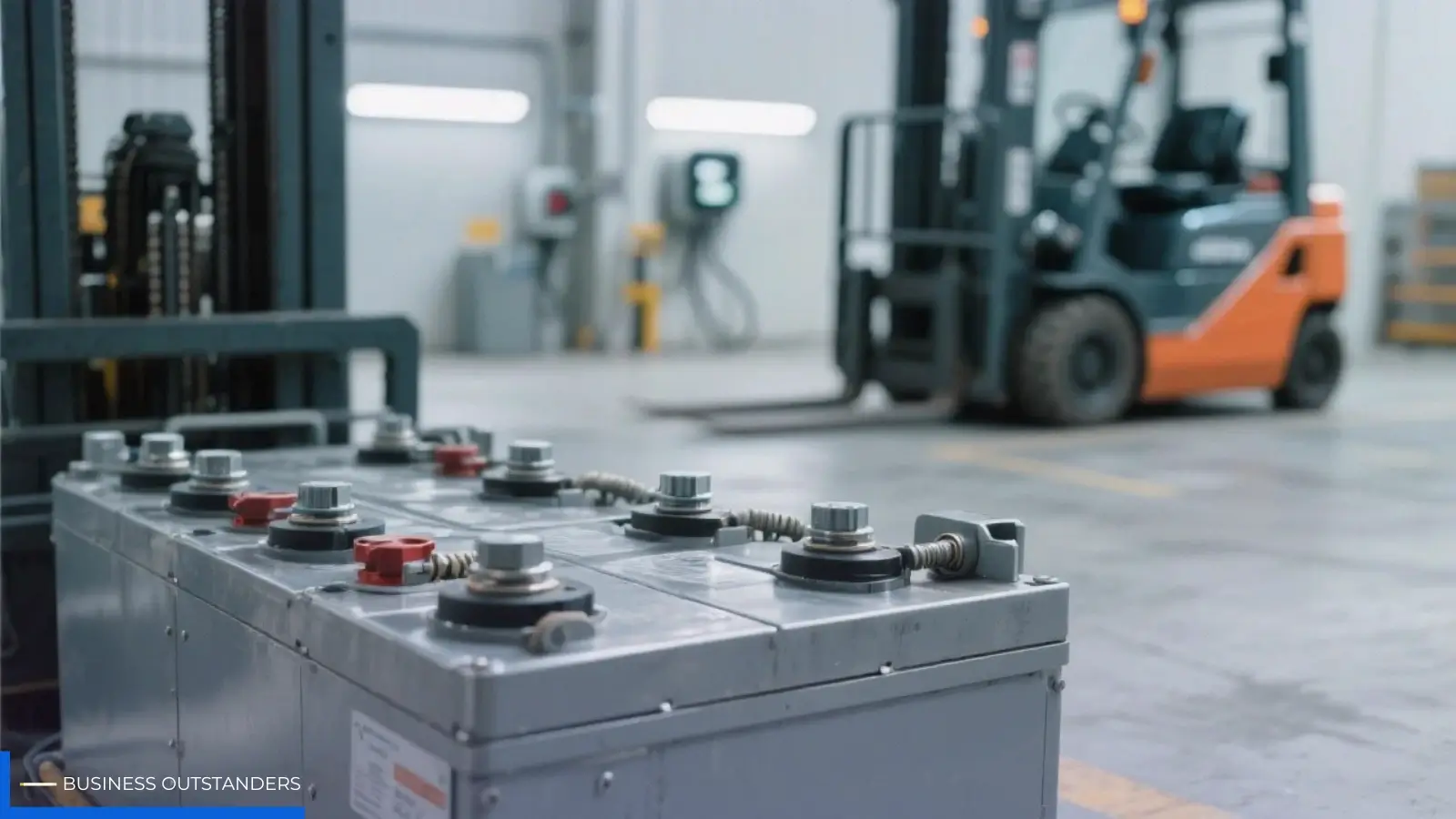
Electric forklifts are the backbone of many warehouses and industrial operations, offering quiet, emission-free, and efficient material handling. At the heart of these machines lies the battery, a critical component that, with proper care and maintenance, can provide years of reliable service. Neglecting your forklift battery can lead to reduced run times, decreased performance, and costly replacements. This article will delve into the essential practices for optimal battery care and maintenance.
The Importance of Proper Charging
One of the most crucial aspects of battery care is proper charging. Overcharging or undercharging can significantly impact battery life. Always follow the manufacturer's recommendations for charging cycles and times.
- Charge in a Well-Ventilated Area: Batteries can emit hydrogen gas during charging, which is flammable. Ensure the charging area is well-ventilated to prevent gas buildup.
- Allow for Cooling: After a full charge, allow the battery to cool down before putting it back into service. This helps prevent overheating and extends battery life.
- Avoid Opportunity Charging (with lead-acid batteries): While tempting, frequently topping off a lead-acid battery can lead to "memory effect" and reduce its overall capacity. Aim for full charge and discharge cycles. Lithium-ion batteries, however, benefit from opportunity charging.
- Use the Correct Charger: Always use a charger that is compatible with your battery's voltage and amperage. Using an incorrect charger can damage the battery.
Maintaining Electrolyte Levels
For lead-acid batteries, maintaining proper electrolyte levels is vital. The electrolyte, a mixture of sulfuric acid and water, facilitates the chemical reaction that produces electricity.
- Check Levels Regularly: Inspect electrolyte levels weekly, or more frequently if the forklift is in heavy use.
- Use Distilled Water Only: When levels are low, add only distilled water to the battery cells. Tap water contains minerals that can contaminate the electrolyte and damage the battery.
- Fill After Charging: The best time to add water is after the battery has been fully charged, as the electrolyte expands during charging. Avoid overfilling, as this can lead to acid overflow.
Keeping it Clean
A clean battery is a happy battery. Dirt, grime, and corrosion can interfere with the battery's performance and even lead to electrical shorts.
- Wipe Down Regularly: Use a damp cloth to wipe down the top of the battery, removing any dust or debris.
- Address Corrosion Promptly: If you notice any corrosion around the terminals, clean it immediately with a mixture of baking soda and water. Rinse thoroughly and dry.
- Inspect Cables and Connectors: Ensure all cables and connectors are clean, tight, and free from damage. Loose or corroded connections can lead to power loss and heat buildup.
Regular Inspections and Professional Servicing
Beyond daily and weekly checks, regular professional inspections are essential for identifying potential issues before they become major problems.
- Look for Swelling or Cracks: Inspect the battery casing for any signs of swelling, cracks, or leaks, which could indicate internal damage.
- Monitor Voltage and Specific Gravity: A technician can measure the voltage and specific gravity of each cell to assess the battery's overall health and identify weak cells.
- Consider Aftermarket Forklift Parts: When it comes to replacing worn-out components or upgrading your battery system, exploring options for aftermarket forklift parts can provide cost-effective and high-quality solutions. For operations considering a transition to lithium technology, selecting the right battery manufacturer is equally important for ensuring performance, safety, and long-term reliability.
By implementing these battery care and maintenance practices, you can significantly extend the lifespan of your electric forklift batteries, ensuring optimal performance, reducing downtime, and ultimately saving your operation money. Remember, a well-maintained battery is a productive battery.
Business Outstanders brings you sharp insights on tech, business, entrepreneurship, law, crypto, and more. We uncover what’s next. Stay updated, sign up for our newsletter and be part of the future!