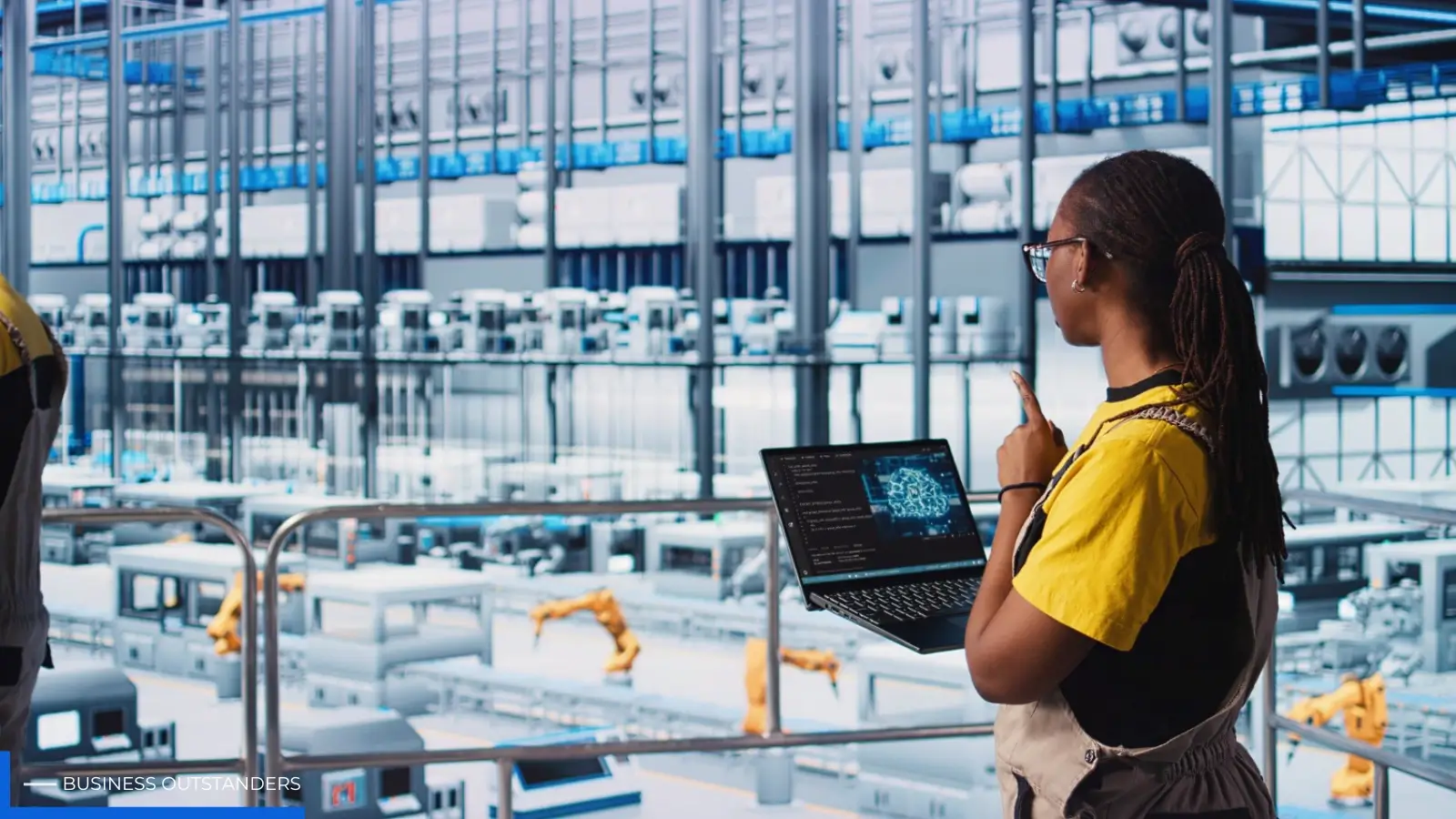
As manufacturing floors become more connected, operations directors face a hidden and growing problem. Adding smart sensors and network-connected machinery to your assembly line improves efficiency, but it also creates massive security gaps. Relying on a single, overwhelmed in-house IT professional to monitor this expanding digital footprint is a major risk.
Your internal IT team is likely busy putting out daily fires, from resetting passwords to fixing office printers. They simply do not have the time or resources to actively hunt for advanced cyber threats. This vulnerability has not gone unnoticed by cybercriminals. In fact, according to the IBM X-Force Threat Intelligence Index 2026, the manufacturing industry accounted for 27.7% of all cyberattacks in 2025. This staggering figure makes manufacturing the most targeted sector globally for the fifth consecutive year.
To eliminate IT headaches before they become business-critical problems, local facilities need a partner who understands the specific operational demands of the region. You cannot afford to wait until a server crashes or a ransomware screen appears to take action. Building a secure, efficient facility starts by partnering with experts in managed IT services in Greensboro.
Key Takeaways
- Manufacturing is the leading global target for cyberattacks because threat actors know facilities cannot afford halted assembly lines.
- Connecting factory floor equipment to modern networks creates hidden vulnerabilities that require enterprise-level security frameworks to manage.
- Transitioning from a reactive "break/fix" model to proactive IT management is required to prevent costly, unexpected system crashes.
- Partnering with a trusted local MSP provides overwhelmed in-house teams with 24/7/365 co-managed support and ensures uninterrupted business continuity.
The Threat Landscape: Why Ransomware Targets the Factory Floor
Many plant managers wonder why international cybercriminals care about a mid-sized facility in North Carolina. The answer comes down to leverage and economics. Ransomware groups specifically target manufacturers because these businesses have an incredibly low tolerance for downtime. If an accounting firm loses access to its network, employees can still do paperwork. If a factory loses its network, the entire assembly line stops moving.
Threat actors know that halting your production provides them with maximum bargaining power. When every halted minute translates directly to lost revenue, missed shipping deadlines, and idle workers, executives are far more likely to pay a ransom demand quickly. Relying on outdated systems leaves your facility vulnerable from the front door of the building all the way to the back door of your servers.
The financial consequences of these attacks are catastrophic. Splunk and Cisco's "Hidden Costs of Downtime 2026" report reveals that the average cost of unplanned downtime has reached $15,000 per minute. The same report notes that organizations see an average 3.4% drop in stock price following a significant downtime event.
|
Impact Area |
Financial and Operational Consequence |
|---|---|
|
Lost Production |
Direct loss of goods manufactured during the outage window. |
|
Idle Labor |
Paying wages to factory workers who cannot perform their duties. |
|
Supply Chain Fines |
Penalties for missing critical delivery windows to partners. |
|
Recovery Costs |
Emergency IT fees, replacement hardware, and data recovery efforts. |
These massive financial and operational risks make reactive IT strategies entirely obsolete. You can no longer wait for technology to break before you decide to fix it.
The IT/OT Convergence Trap
To understand how hackers infiltrate factory networks, you must understand the difference between two distinct types of technology. Information Technology (IT) refers to the systems you use to manage data, such as your email servers, accounting software, and office computers. Operational Technology (OT) refers to the hardware and software that detects or causes a change on the factory floor. This includes robotic arms, programmable logic controllers, and industrial control systems.
Historically, IT and OT lived on separate, unconnected networks. A hacker could breach the office email server, but they could not reach the machines cutting steel on the production floor. Today, the lines are blurring. Facilities are rushing to connect their physical machinery to their digital networks to gather data and improve efficiency.
Blending these technologies creates what experts call a scattered IT environment. It introduces severe blind spots that a single IT professional simply cannot monitor alone. An older piece of factory machinery might run on an outdated operating system with known security flaws. When you connect that machine to your main network, you instantly provide hackers with an unguarded back door into your entire business.
"The rush to establish connected logistics and alternative suppliers often outpaces cyber due diligence."
The World Economic Forum's Global Cybersecurity Outlook 2026 highlights this exact problem. The report notes that expanding connected supply chains and logistics rapidly increases your attack surface. This rapid attack surface expansion demands robust security frameworks. You need a comprehensive strategy that protects both your office computers and your physical assembly line, rather than relying on ad hoc, break/fix repairs.
How Proactive IT Management Secures Operations
The solution to these overwhelming vulnerabilities is a shift toward proactive IT management. Proactive IT management uses 24/7/365 network monitoring to solve hardware and software issues before they cause downtime or halt your production lines. Instead of calling a technician after a server catches fire, a proactive team receives an alert that the server is running hot and fixes it while you sleep.
Securing a modern manufacturing facility requires deploying essential cybersecurity frameworks. This starts with Managed Detection and Response (MDR). MDR involves a dedicated team of security experts who actively hunt for threats inside your network round the clock. You also need next-generation endpoint protection to secure every single device connected to your network, from office laptops to factory floor tablets. Finally, a proactive partner ensures your facility maintains strict IT regulatory compliance, managing complex requirements for CMMC, HIPAA, or PCI DSS.
|
IT Management Model |
Approach to Problem Solving |
Impact on Manufacturing Operations |
|---|---|---|
|
Reactive (Break/Fix) |
Waits for a system to crash before taking any action. |
Results in halted assembly lines, lost data, and expensive emergency repair bills. |
|
Proactive Managed IT |
Monitors networks continuously to identify and resolve hidden issues. |
Maximizes uptime, predicts IT costs, and secures the facility against modern cyber threats. |
Even with the best defenses in place, natural disasters or power grid failures can still disrupt operations. This is where business continuity comes into play. Through Managed Backup and Disaster Recovery solutions, your network data is constantly backed up to secure, off-site locations. If a disaster strikes, your provider can spin up virtual versions of your servers immediately, preventing devastating data loss and long operational pauses.
Many operations directors worry about replacing their current IT staff. This is a misconception. You can embrace a co-managed IT model. In a co-managed setup, a dedicated team of external problem-solvers works alongside your existing internal staff. Your internal team can focus on daily user support and facility operations, while your partner handles complex security monitoring and future-proof technology deployments. This ensures you get enterprise-level defense without exceeding your departmental budget.
Conclusion: Secure Your Production Lines with a Trusted Local Partner
Modern Greensboro manufacturers face catastrophic financial risks from unexpected network downtime. As cybercriminals increasingly target the manufacturing sector to extort vulnerable supply chains, you simply cannot rely on a scattered IT environment. A single in-house IT professional, no matter how skilled, lacks the hours in the day to manually monitor every connected device on a busy factory floor.
Preventing these sophisticated attacks requires a fundamental shift in how you view technology. You must move away from reactive, emergency fixes and invest in constant, proactive network monitoring. By implementing enterprise-level defenses like active threat hunting and comprehensive disaster recovery, you protect your revenue, your employees, and your reputation.
Choosing a trusted local partner ensures you receive the exact support your facility requires. A localized managed service provider understands the regional business landscape and offers flexible service plans tailored to your specific goals and compliance needs. Take control of your network today and give your team the support they need to keep the assembly lines moving forward.
Business Outstanders brings you sharp insights on tech, business, entrepreneurship, law, crypto, and more. We uncover what’s next. Stay updated, sign up for our newsletter and be part of the future!