EDM beats CNC milling when the part fights the cutter. Hard alloys, sharp inner corners, and thin walls all push milling past its limits. Spark erosion ignores those three problems and works anyway.
This guide shows when EDM wins, when milling stays cheaper, and why work like kovar machining services leans on EDM. A shop such as Rollyu Precision CNC machining runs both processes, so you choose by feature, not by vendor. That single decision sets cost, finish, and lead time.
EDM and CNC Milling Pull in Opposite Directions
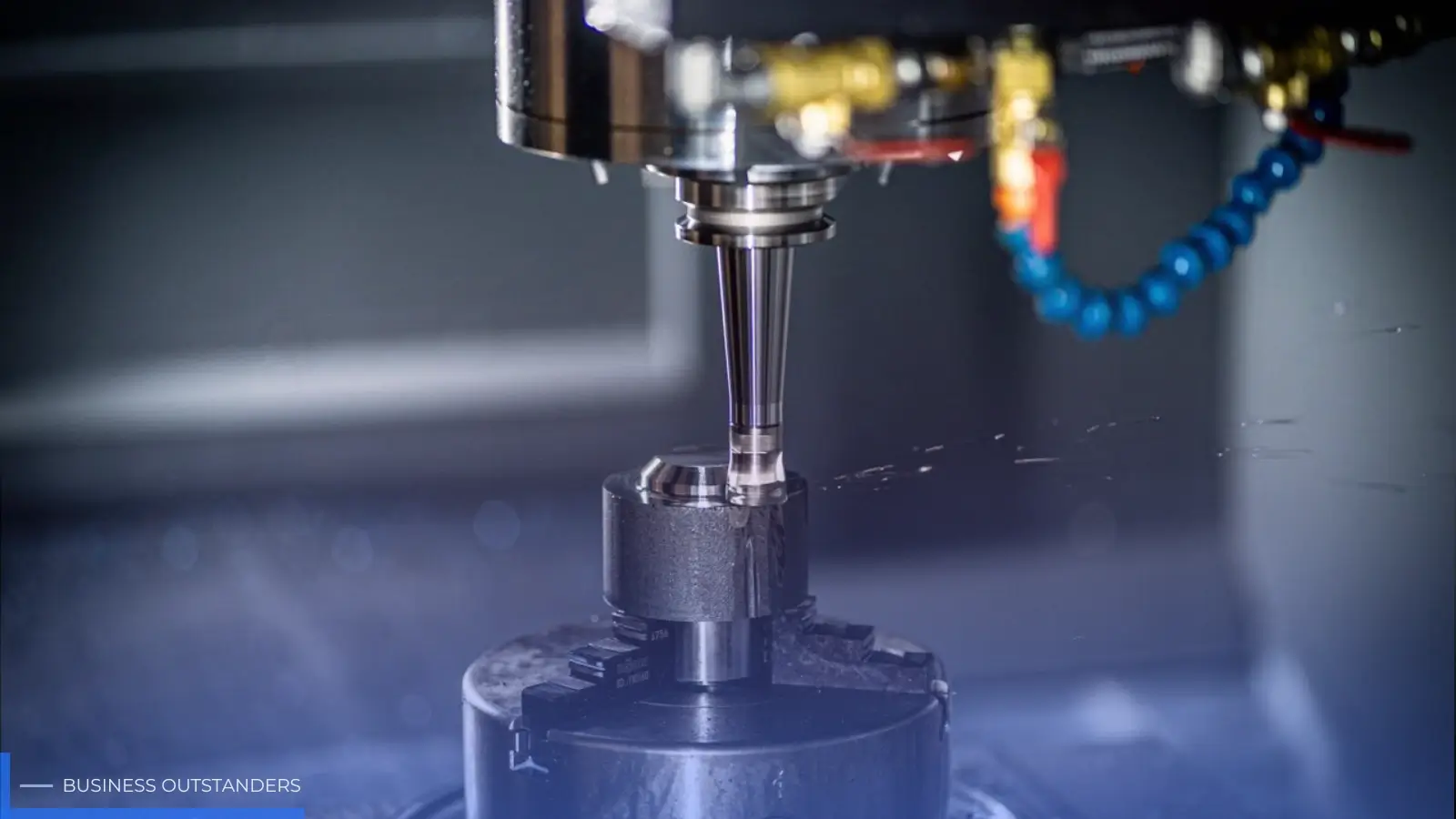
Milling cuts with a spinning tool that pushes hard on the part. EDM erodes metal with electric sparks inside a dielectric fluid, and it never touches the work.
That single difference drives every choice below. Hardness, corner shape, and wall thickness decide which process fits. Pick wrong, and you pay in tool wear, scrap, or a blown lead time.
When EDM Wins on Complex Parts
EDM earns its slower speed on features a cutter cannot hold or reach. Three part types tip the call toward spark erosion. Each one appears often in precision, optical, and hermetic work, where a rounded corner or a flexed wall fails inspection.
Hard and Work-Hardening Alloys
Hardness barely affects EDM, which cuts metals above 60 HRC that wear end mills fast. Kovar work-hardens the moment a tool rubs instead of cuts, so kovar machining services rely on wire and sinker EDM to hold shape without added stress. Sinker EDM burns blind cavities the same way.
Sharp Inner Corners and Deep Slots
A milling cutter leaves an inside radius equal to its own radius, so it rounds every inner corner. Wire EDM runs wire as fine as 0.004 inch (0.1 mm), which clears near-square corners and deep, narrow slots no end mill can enter. Tool access stops being the limit.
Thin Walls and Fragile Features
Cutting force flexes thin walls and can snap delicate ribs mid-pass. EDM applies no contact force, so it holds form where milling would distort the part. This helps on hermetic packages for semiconductor, photonics, and space hardware that must seal tight against gas or moisture.
When CNC Milling Stays the Better Call
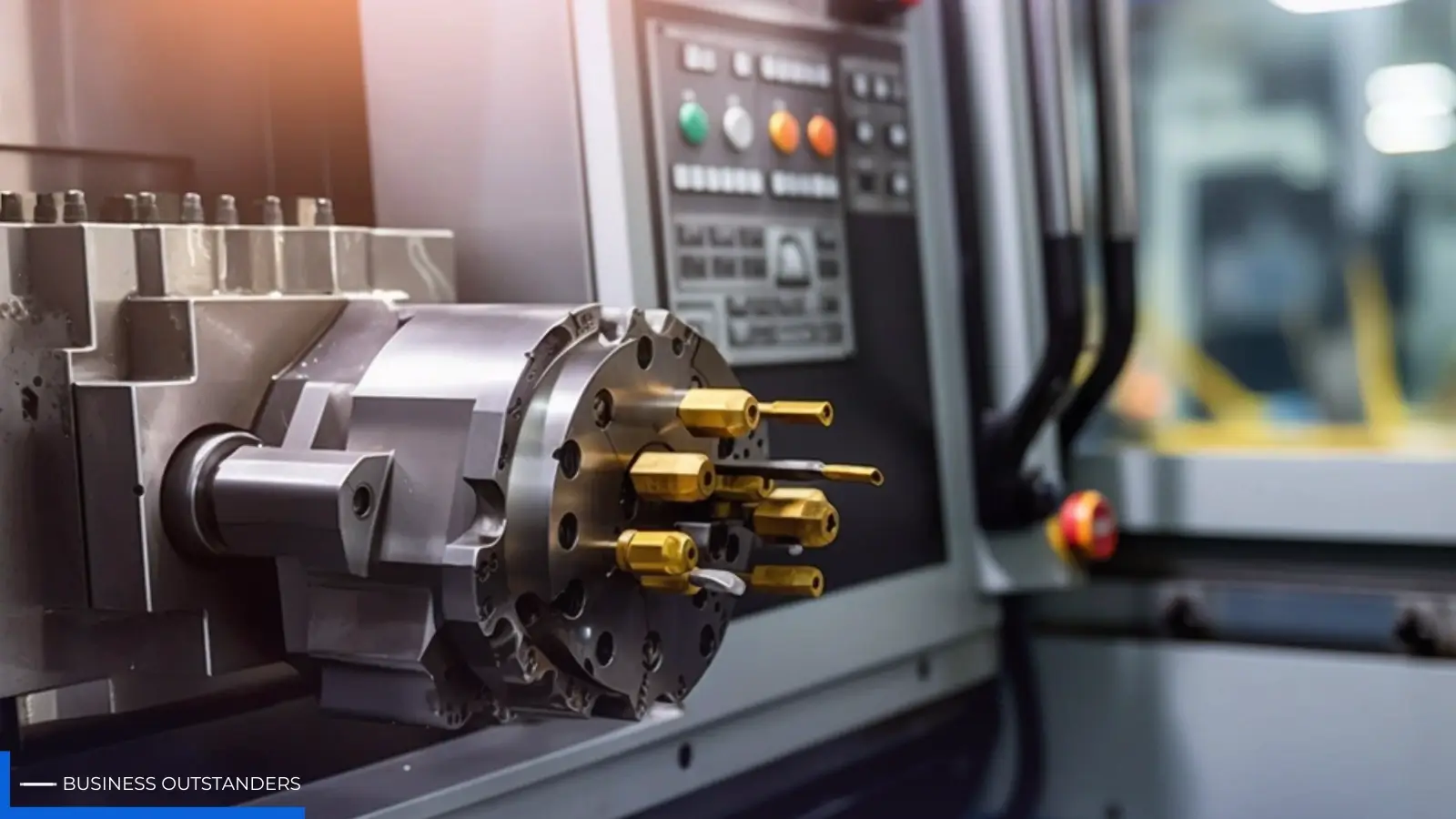
Milling still wins most jobs on speed and cost, making it one of the most widely used processes in CNC machining for production and prototype parts alike. Reach for it first when a tool can touch the feature, the metal cuts clean, and the run size climbs. On open parts, that combination usually beats an EDM setup on both time and price.
Open, Tool-Reachable Geometry
When a tool reaches every surface, milling removes metal far faster than spark erosion. It also cuts aluminum, steel, brass, and plastics, while EDM cannot touch non-conductive stock, since spark erosion needs a conductive workpiece. For most soft metals, milling stays cheaper.
Higher Volumes and Faster Cycles
Milling holds tight tolerances on reachable features at a lower cost per part. Short cycle times let it scale from prototype to production runs, without the electrode and wire costs that slow EDM down at volume. Speed compounds across a batch, and the quote drops with it.
A Quick Way to Decide
Many complex parts use both processes. Mill the bulk first, then EDM the features a cutter cannot reach. Kept in-house, as Rollyu Precision CNC machining does, both steps can hold one tolerance chain.
The table below matches each part need to the process that fits it best, so you can confirm the route before you request a firm quote.
|
Part need |
EDM (wire/sinker) |
CNC milling |
|---|---|---|
|
Hard alloys like Kovar |
Cuts above 60 HRC; hardness barely matters |
Tool wear climbs with hardness |
|
Sharp inner corners |
Near-square corners from a thin wire |
Radius limited to the tool |
|
Thin or fragile walls |
No cutting force, little distortion |
Force can flex the wall |
|
Tight tolerance |
Holds about ±0.005 mm on critical features |
Tight on reachable features |
|
Speed and volume |
Slower; best for fine detail |
Faster; best for bulk and runs |
|
Material type |
Conductive metals only |
Metals plus plastics |
|
Setup and tooling |
Electrodes or wire per shape |
Cutters and fixtures |
Conclusion
Choose EDM for hard metals, sharp inner corners, and thin walls. Choose milling for open shapes, soft stock, and volume. Match the process to the feature first, and most complex parts will lean on a measure of both. Spec it that way, and quotes come back tighter.
Business Outstanders brings you sharp insights on tech, business, entrepreneurship, law, crypto, and more. We uncover what’s next. Stay updated, sign up for our newsletter and be part of the future!