Quality control is a top priority for today's industrial manufacturers. Companies must deliver consistent products while minimizing waste and complying with strict regulations. Even small defects can trigger expensive recalls, production disruptions, customer dissatisfaction, and lasting damage to a company's reputation and market position.
The growing importance of quality management is reflected in market trends. Industries are increasingly adopting automation and digital technologies. Strong quality control systems are essential for improving efficiency, preserving customer trust, and supporting long-term operational success.
The following factors explain this shift and show how manufacturers are turning quality control from a reactive obstacle into a proactive competitive advantage.
Customer Expectations Continue to Elevate Quality Benchmarks
Customers now expect products to be reliable, timely, and to consistently meet promised standards. Online reviews and social media quickly spread both positive and negative experiences.
Even minor quality issues can harm a company's reputation and influence buying decisions. Therefore, manufacturers must maintain strict quality control to ensure reliability and customer satisfaction.
Customer expectations are rising rapidly, making quality a key competitive factor. According to PwC, 70% of executives feel unable to keep pace with rapidly evolving customer expectations. Consequently, poor experiences drive buyers away, with 29% of consumers actively abandoning brands that fail to deliver. These findings highlight the importance of consistent product quality.
Modern Equipment Plays a Critical Role in Quality Assurance
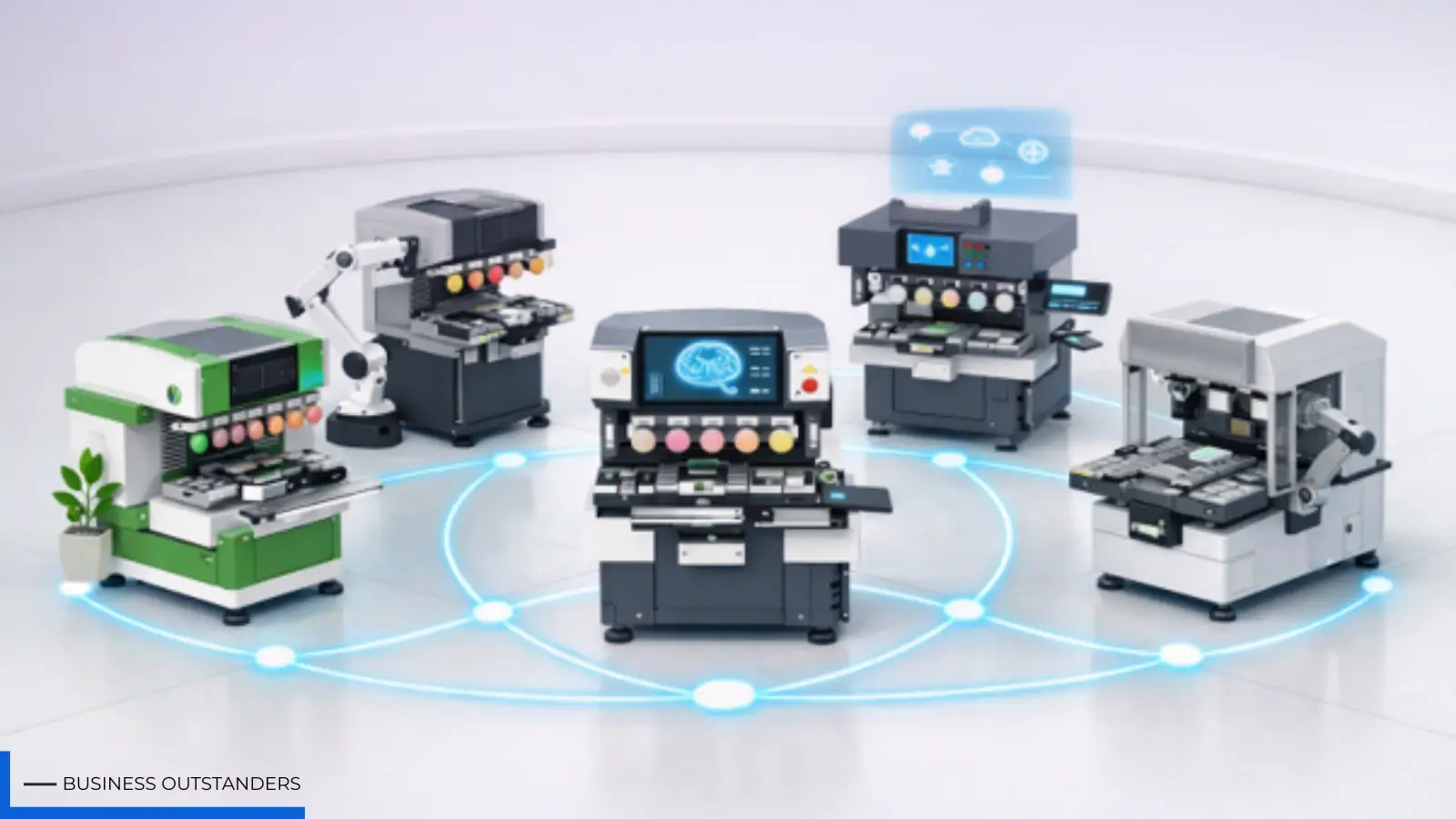
Advanced machinery helps standardize processes and minimize operational variability. By reducing dependence on manual tasks, modern systems significantly lower the risk of human error and product defects.
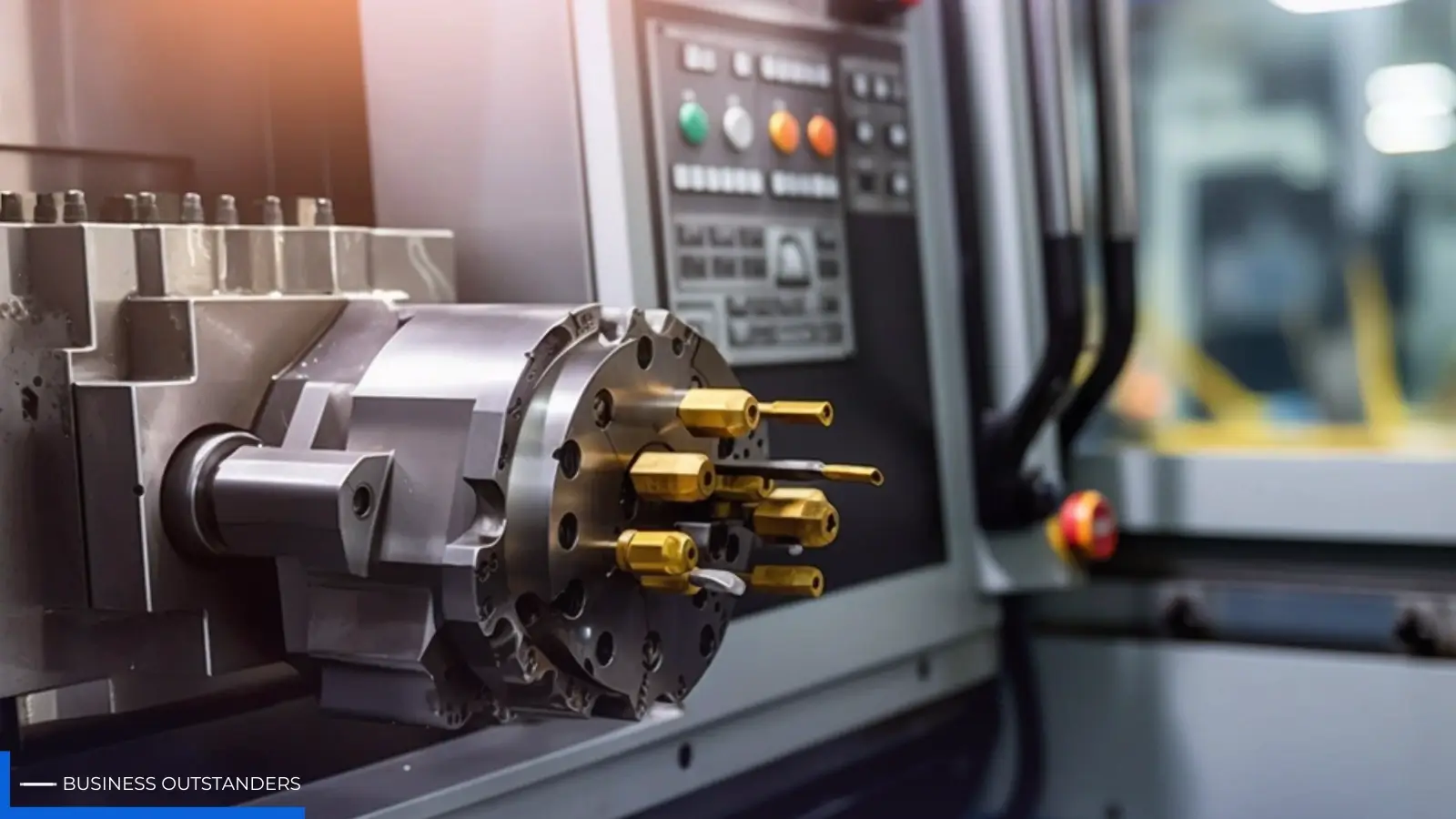
Modern equipment uses precision sensors and digital controls to reduce errors. Real-time feedback keeps operational parameters consistent throughout production. This controlled environment improves accuracy, ensures repeatable performance, and significantly enhances product reliability.
For example, the automotive repair and refinishing industry demands exceptionally rigorous quality standards. In such operations, the difference between a flawless finish and a rejected panel often hinges on environmental factors that are difficult to manage manually. Here, an industrial paint booth becomes indispensable.
When choosing a paint booth, GSB Industries highlights the importance of professional paint booth services. They support workplace safety by reducing exposure to hazardous fumes and ensuring regulatory compliance. Professional maintenance minimizes downtime and prevents costly operational issues.
Quality Control Helps Reduce Waste and Operational Costs
Effective quality control enables organizations to identify defects early, preventing faulty products from moving through the production cycle. Early detection reduces material waste, minimizes rework, and lowers expenses associated with returns, repairs, and recalls. Consistent quality processes also improve resource utilization and production efficiency, helping businesses control operational costs.
This financial blindness poses a major risk to industrial profitability. The American Society for Quality (ASQ) report states that only 31% of respondents fully understand how quality costs impact their organization's financial performance. Bridging this critical knowledge gap allows operators to link process errors directly to bottom-line waste.
Regulatory Compliance Is Becoming More Complex
Industrial businesses face increasingly strict regulations related to product safety, environmental compliance, worker protection, and manufacturing practices. Keeping up with changing requirements across different markets is challenging. Strong quality control systems improve documentation and traceability. Early detection minimizes the risk of expensive regulatory violations and financial penalties.
In a recent LinkedIn article, Ian Crone, VP of Regulatory Strategy and Growth at ArisGlobal, highlighted the increasing complexity of regulatory requirements. He argued that traditional, reactive compliance approaches are becoming financially unsustainable. Crone emphasized that organizations need technology-driven, proactive compliance strategies to remain resilient and competitive.
Data and Automation Are Transforming Quality Management
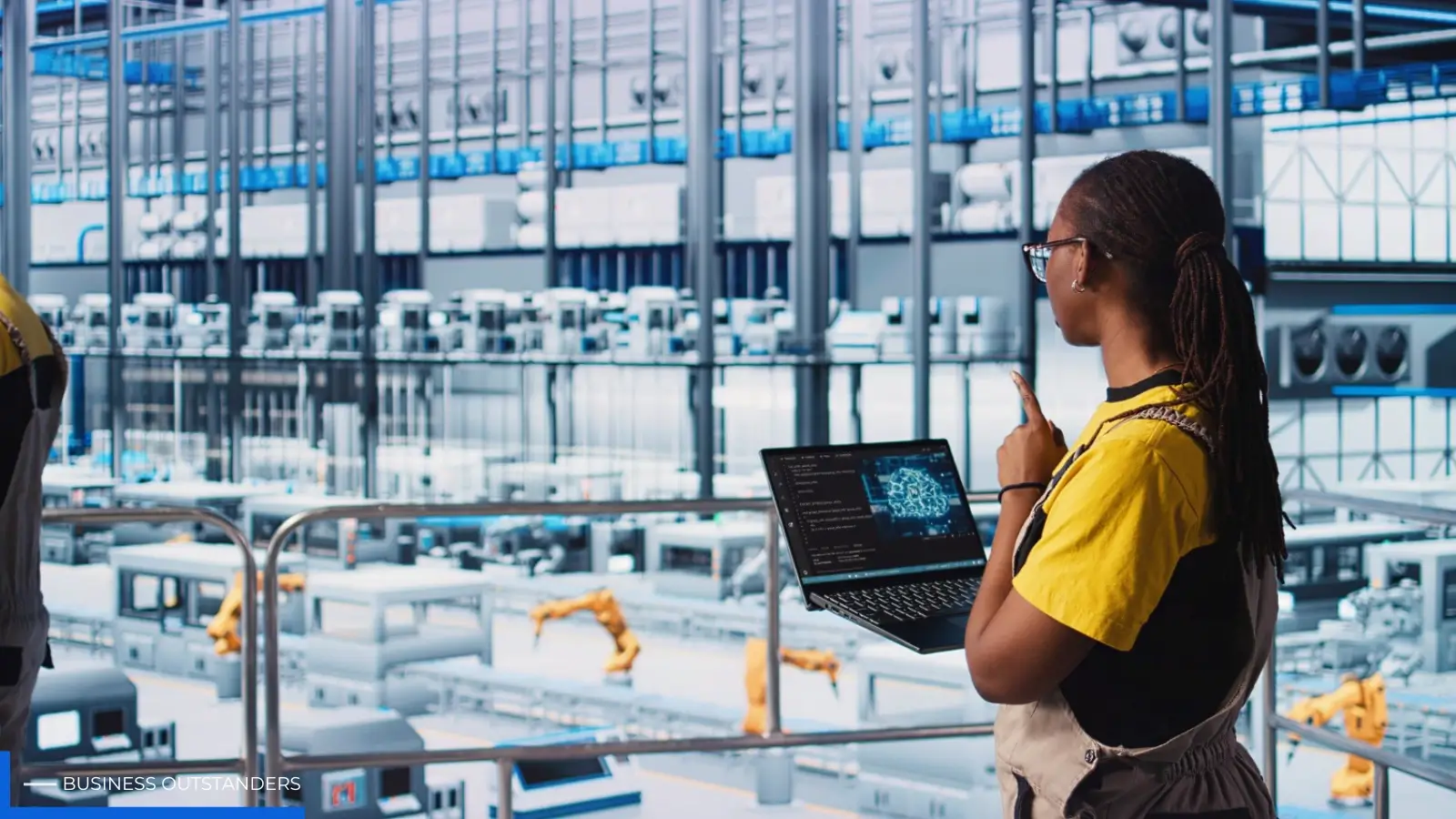
Data analytics and automation are transforming quality management across industrial operations. Real-time monitoring allows manufacturers to identify problems before they become costly failures. Automated inspections, sensors, and predictive analytics improve accuracy and reduce human error. These technologies also provide insights that support continuous process improvements and consistent quality standards.
Reliable data is essential for effective quality management and automation. An IBM Institute for Business Value report reveals that 43% of COOs rank data quality as their highest priority. Furthermore, over 25% of companies suffer annual losses exceeding $5 million as a direct result of deficient data quality.
Strong Quality Standards Create a Competitive Advantage
Consistent product excellence allows organizations to easily distinguish themselves in crowded markets. Strong quality standards help businesses build customer trust, strengthen brand reputation, and encourage repeat purchases. Reliable products also generate positive reviews and referrals, which can further expand market reach and improve customer retention.
Organizations that prioritize quality control are better positioned to differentiate themselves from competitors and command customer loyalty. In an increasingly competitive environment, maintaining high-quality standards has become a powerful driver of sustainable growth and long-term success.
Frequently Asked Questions
What are the early warning signs of declining product quality?
Rising defect rates, customer complaints, and returns signal declining product quality. Internal operational indicators like high scrap levels, frequent production rework, and recurring equipment issues also point to deeper problems. These critical warning signs require immediate attention and swift corrective action.
How does supplier quality affect overall operational performance?
Supplier quality dictates operational performance. Premium suppliers stabilize consistency, minimizing defects and costly production delays. Conversely, poor supplier input triggers extensive waste and disrupts manufacturing schedules. This structural vulnerability directly threatens a company's reputation and long-term market competitiveness.
How should businesses respond when a quality issue reaches customers?
When quality issues reach customers, businesses must respond swiftly with transparent communication and immediate remedies like repairs or refunds. Teams should immediately investigate the root cause to implement corrective actions. Finally, monitoring these outcomes prevents recurrence and successfully rebuilds customer trust.
Key Operational and Market Data
|
PwC Study |
70% of executives believe customer expectations evolve faster than companies can adapt. |
|
Customer Defection |
Poor customer experiences caused nearly a third of consumers to desert brands. |
|
Financial Blindness |
Only 31% of respondents fully understand how quality costs impact financial performance. |
|
Data Quality Priorities |
43% of chief operations officers view data quality as their top data priority. |
|
Substandard data quality |
It costs over a quarter of organizations more than $5 million every year. |
Quality Control as a Foundation for Sustainable Success
Quality control has evolved from a basic manufacturing requirement into a vital strategic industrial necessity. Rising customer expectations, complex regulations, and increasing competitive pressures make consistent quality more important than ever. Effective quality management helps organizations reduce waste, improve efficiency, protect their reputation, and deliver reliable products that foster customer trust.
Data-driven technologies and automation are reshaping industries worldwide. Companies that prioritize quality control will be better positioned to adapt, innovate, and achieve sustainable long-term growth.
Business Outstanders brings you sharp insights on tech, business, entrepreneurship, law, crypto, and more. We uncover what’s next. Stay updated, sign up for our newsletter and be part of the future!