Walk down any high street and count how many signs are made from the same lightweight metal panel. Chances are, most of them use ACM sign sheets without you ever noticing the material behind the branding. That quiet reliability is exactly why so many shopfronts, offices and warehouses depend on it.
Picking the right sign material matters more than people expect. A poor choice fades within a year, warps in the rain or simply looks cheap next to a competitor's shopfront. This particular material solves most of these problems at once, which explains why it has become such a common sight across British high streets and industrial estates alike.
What Are ACM Sign Sheets?
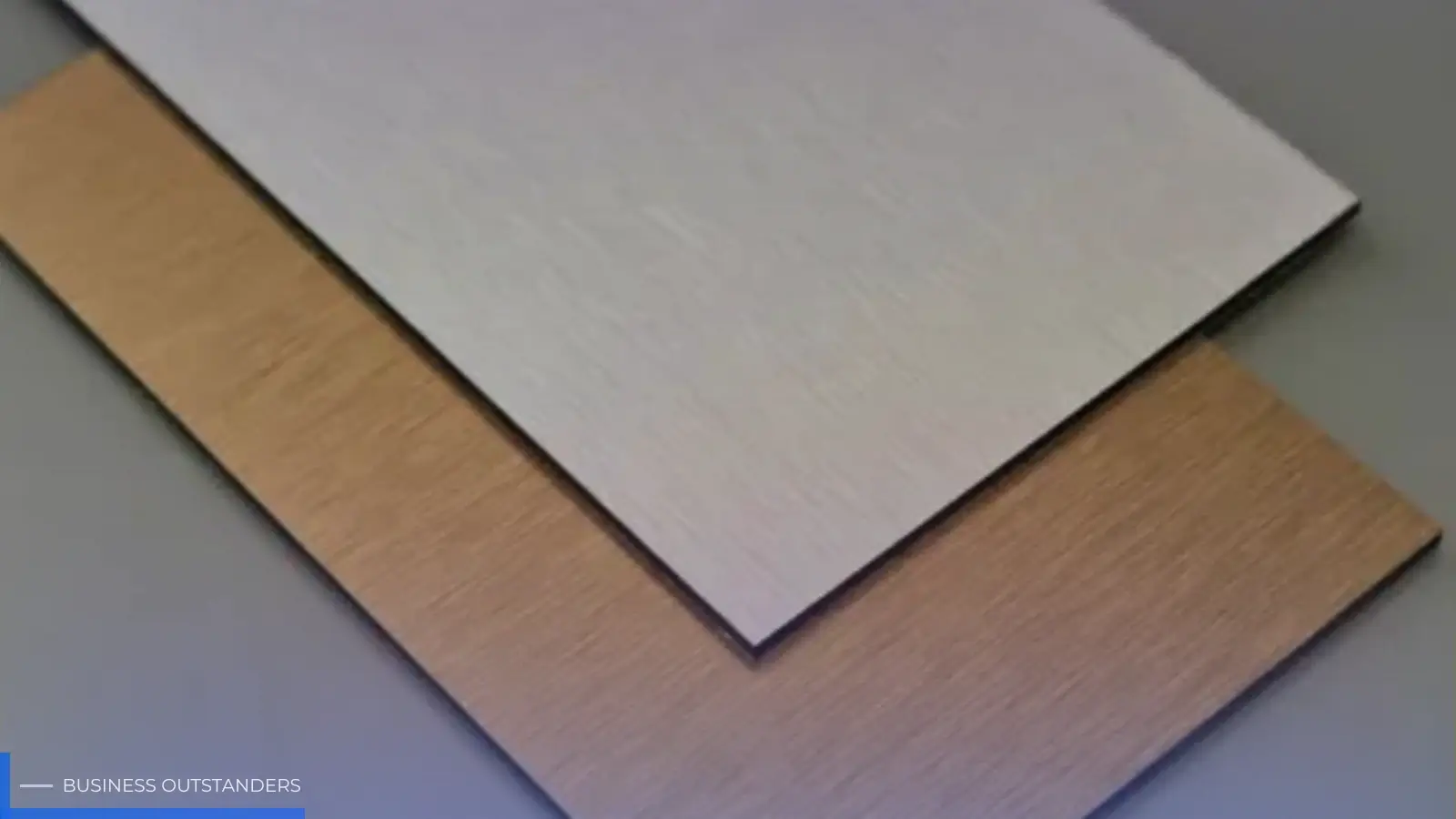
ACM stands for aluminium composite material, and the name describes exactly what you are getting. Two thin sheets of aluminium sit on either side of a solid core, usually made from polyethylene, bonded together under pressure into one flat, rigid panel. The result feels far sturdier than a single sheet of metal, yet weighs a fraction of what solid aluminium would.
This sandwich style build gives the panels a genuine edge over older materials. Wood rots, plastic warps in strong sunlight, and solid metal is heavy enough to need extra support just to hang it. ACM sign sheets avoid all three problems, staying flat and light while still holding up to daily wear outdoors.
Why Businesses Choose Aluminium Composite Sign Sheets
Cost matters to every business, but so does how a sign looks five years after installation. This material tends to strike a rare balance between the two, staying affordable at the point of purchase while lasting far longer than cheaper alternatives like foam board or basic plastic. Beyond price and durability, there are several practical reasons it keeps winning out over older options on shopfronts, vehicles, and building exteriors across the country.
- Lightweight panels that reduce mounting and fixing costs
- Flat, smooth surface that prints cleanly with sharp detail
- Strong resistance to rain, wind, and everyday knocks
- Easy to cut into custom shapes and letters
- Colour retention that holds up well against sunlight
- Suitable for both short term displays and permanent signage
Small joinery firms and large retail chains end up choosing the same material for very different reasons, but the outcome is usually the same. It simply performs well without demanding constant upkeep.
Key Features to Consider When Buying ACM Sign Sheets
Not every panel on the market is built to the same standard, so a bit of homework before ordering saves plenty of hassle later. Thickness, finish, and core quality all affect how a finished sign performs once it is out in real weather rather than sitting in a warehouse. Getting these details right the first time avoids the cost of reprinting or replacing a sign that started peeling or bowing within its first winter outdoors.
Thickness and Rigidity
Panels typically range from around two to six millimetres thick, with thicker options offering more rigidity for larger signs. A three millimetre panel suits most standard shopfront signage, while anything wider than a couple of metres benefits from the extra stiffness a thicker sheet provides.
A thin ACM panel is often enough for lightweight indoor signs, especially when keeping costs down is important. Choosing the correct thickness from the start prevents sagging once the sign is mounted and exposed to wind.
Surface Finish and Print Quality
The face of a panel can come in gloss, matt or brushed metal finishes, each suited to a different style of branding. Gloss finishes make colours pop under shop lighting, while matt surfaces reduce glare on busy roadside signs where reflections could distract drivers.
Print quality also depends heavily on how flat and smooth the surface is. A well manufactured sheet holds fine detail and sharp text far better than a warped or uneven one, which matters enormously for logos and small print.
Weather Resistance and Core Material
Most panels use a polyethylene core which handles temperature swings and moisture well without swelling or rotting. These are commonly selected for certain building exteriors and indoor locations where local regulations require a higher level of fire protection.
Checking the warranty on fade resistance is worth doing before you commit to a large order. A panel rated for several years outdoors gives far better long term value than a cheaper option with no such guarantee.
Cutting, Routing, and Fixing
One underrated benefit of this material is how easily it can be shaped. Standard tools handle cutting, drilling and routing without cracking the panel, which opens up custom lettering and curved edges that solid metal struggles to achieve.
Fixing methods vary depending on where the sign goes. Wall mounted panels often use standoff fixings for a modern floating look, while smaller signs can simply be screwed or bonded directly onto a flat surface.
Where to Source Quality ACM Sign Sheets
Not all suppliers cut and finish their panels to the same standard, so choosing where you buy from matters just as much as choosing the material itself. A supplier who understands sign making, rather than treating this as a generic building product, tends to offer better cutting accuracy and more useful advice on thickness and finish.
Central Sign Supplies works directly with sign makers and businesses across the country, offering aluminum composite sign sheets alongside the practical guidance needed to pick the right thickness and finish for a specific project. That kind of specialist focus often makes the difference between a sign that looks professional from day one and one that needs adjusting after installation.
Final Thoughts
ACM sign sheets offer a rare mix of strength, light weight, and a clean finish that suits almost any signage project. Getting the thickness, finish, and core right from the start makes a real difference to how long a sign lasts outdoors. Whether you are fitting a single shopfront panel or a whole building's worth of signage, choosing the right supplier and specification saves money and hassle in the long run.
Business Outstanders brings you sharp insights on tech, business, entrepreneurship, law, crypto, and more. We uncover what’s next. Stay updated, sign up for our newsletter and be part of the future!