Evolution of Thermal Processing Equipment in Sustainable Waste Processing
The amount of waste we generate globally grows every year. This puts huge pressure on our planet and its resources. We need new ways to handle this waste, moving beyond traditional disposal methods. Sustainable waste processing is key to protecting our environment and building a circular economy.
It helps us reduce pollution and lower greenhouse gas emissions. It also conserves valuable raw materials.
We will explore how advanced thermal processing equipment is changing waste management. These technologies help transform waste into valuable resources. They also play a vital role in decarbonization efforts. As we seek better solutions for waste, the role of Sustainable thermal processing equipment becomes more important.
We will look at how these innovations help us create a more sustainable future.
The global landscape of waste management is undergoing a profound transformation. With the world's population projected to reach 9.7 billion by 2050, and an additional 2.5 billion people expected to reside in urban areas, the generation of municipal solid waste (MSW) continues to surge. Currently, almost 2 billion tons of municipal waste are generated annually worldwide. This escalating volume presents a critical challenge, demanding innovative and sustainable solutions beyond traditional landfilling or basic incineration.
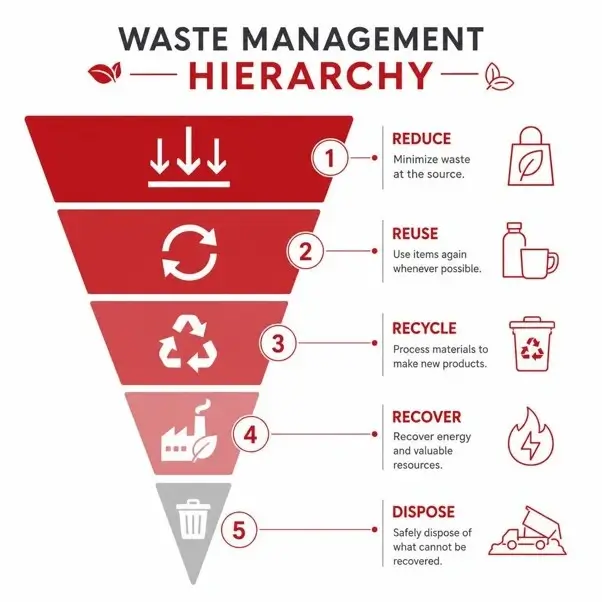
Sustainable waste management distinguishes itself from conventional disposal by adopting a lifecycle approach. Rather than merely collecting and dumping waste, it aims to keep materials in use for as long as possible, minimizing the amount sent to landfills or incinerators. This paradigm shift views waste not as an end-product, but as a potential resource. Thermal processing equipment has emerged as a cornerstone of this evolution, offering advanced methods to convert waste into energy, raw materials, and other valuable products, supporting decarbonization efforts and fostering a circular economy. The emphasis is on resource recovery, ensuring that valuable components within waste streams are extracted and reintegrated into the production cycle, rather than lost forever.
High-Temperature Thermal Processing Equipment for Waste-to-Energy
Energy recovery, often through waste-to-energy (WTE) processes, represents a significant leap forward from simple waste disposal. While traditional combustion has been practiced for decades, modern high-temperature thermal processing equipment is far more sophisticated, designed to maximize energy extraction while minimizing environmental impact. These systems play a crucial role in diverting waste from landfills, which are a major source of methane emissions—a potent greenhouse gas accounting for approximately 15% of total methane emissions in the United States.
By converting non-recyclable waste into electricity or heat, WTE facilities offer a dual benefit: reducing landfill reliance and generating power. In 2023 alone, one leading company transformed approximately 14 million tons of waste into energy and raw materials, avoiding an estimated 15 million tons of greenhouse gas emissions. While some waste-to-energy facilities in the U.S. generate around 550 kWh per ton of waste, the process also results in an ash volume that typically accounts for about ten percent of the original waste. This ash can often be utilized in construction materials, further closing the loop.
The benefits of modern energy recovery systems include:
- Significant Landfill Diversion: Reducing the volume of waste sent to disposal sites.
- Methane Emission Reduction: Preventing the release of potent greenhouse gases from decomposing organic matter.
- Renewable Energy Generation: Producing electricity, steam, or heat from non-fossil fuel sources.
- Resource Conservation: Offsetting the need for virgin materials and fossil fuels.
- Reduced Transportation Needs: Processing waste closer to its source, lowering emissions from hauling.
Advanced Gasification and Pyrolysis Technologies
Beyond traditional combustion, advanced thermal processing methods like gasification and pyrolysis offer even greater potential for resource recovery and environmental benefits. Unlike combustion, which burns waste in the presence of excess oxygen, gasification and pyrolysis operate in oxygen-limited or oxygen-free environments, respectively. This controlled thermal decomposition transforms waste into synthetic gas (syngas), oils, and char, which can then be further processed into valuable products.
One cutting-edge development is Supercritical Water Gasification (SCWG). This technology processes biomass and organic waste with high water content (60-95%) under high-pressure and high-temperature conditions. Water acts as a reactive medium, promoting gasification reactions with over 90% efficiency in carbon conversion to gas. SCWG is a zero-discharge solution that produces renewable gases like green hydrogen and biomethane, while also recovering inorganic nutrients such as nitrogen, phosphorus, and potassium for use as fertilizers.
Another innovative approach is Plasma Gasification. This process heats waste to extreme temperatures, often exceeding 3,000 °C, using an electrically generated plasma torch. At these temperatures, waste breaks down to its atomic components, producing a high-purity syngas that can be converted into circular hydrogen, along with vitrified slag and metals. For instance, Europe's first commercial-scale plasma gasification facility, Gävle Circular Park, aims to process up to 74,000 tons of non-recyclable waste annually to produce 10,600 tons of circular hydrogen and capture 160,000 tons of CO2.
Some systems, like the Bio-CHP, even integrate microturbines to convert a broad mix of organic and plastic waste directly into electricity and thermal energy, offering on-site, containerized solutions. Similarly, the Duplex TEC-Process offers an "UpCyclingPowerPlant" that converts carbon-containing waste into CO2-neutral electric power and heat with over 99% carbon conversion to usable fuel gas and an approximate 88% total thermal efficiency. These technologies represent a significant shift towards extracting maximum value from waste streams.
Rotary Calciners and Dryers in Resource Recovery
While advanced gasification and WTE systems handle complex waste streams, other thermal processing equipment, such as rotary calciners and dryers, are indispensable for preparing and processing specific materials for resource recovery or energy conversion. These systems are crucial for managing the moisture content of waste, which is a critical factor for efficiency in many downstream processes.
For instance, paper and paperboard products constitute the largest component of municipal solid waste in the United States. Food waste follows closely as the second largest, making up 21.59% of MSW. Plastics, despite their widespread use, have a recycling rate of just 8.5%. Rotary dryers can effectively reduce the moisture content of organic materials, making them suitable for composting, anaerobic digestion (where controlled moisture is beneficial), or as a more efficient fuel source for WTE facilities. Drying waste to a specific residual moisture content, often around 10-15%, significantly improves the calorific value and process stability for subsequent thermal treatments.
Rotary calciners, operating at higher temperatures, can be used for thermal treatment of materials to induce chemical changes, remove volatile components, or prepare them for metal recovery. For example, in the context of plastics recycling, calcination might be used to purify plastic feedstocks or to process mixed plastic waste before pyrolysis. The ability to precisely control temperature and atmosphere within these units makes them versatile tools in sustainable waste processing.
Here's a comparison of how different thermal processing methods might apply to major waste streams:
Waste Stream Primary Thermal Processing Application Purpose Key Considerations Paper/Cardboard Drying, Gasification, Combustion Moisture reduction for recycling/fuel, Energy recovery Fiber quality for recycling, Calorific value for WTE Food Waste Drying, Anaerobic Digestion (pre-treat) Volume/weight reduction, Preparation for composting/biogas Odor control, Nutrient preservation, Moisture content for efficient digestion Plastics Pyrolysis, Gasification, Combustion Fuel/chemical feedstock production, Energy recovery Type of plastic (mixed vs. segregated), Contaminants, Energy density Mixed MSW (RDF/SRF) Combustion, Gasification Energy recovery, Volume reduction Homogeneity of feedstock, Ash management, Emission control Sludge (Industrial/WWTP) Drying, Supercritical Gasification Volume/weight reduction, Pathogen destruction, Nutrient recovery, Syngas production High moisture content, Hazardous components, Nutrient recovery Implementing Advanced Systems for Circular Economy Goals
The integration of advanced thermal systems is fundamental to achieving circular economy goals within industries. Unlike the traditional "take-make-dispose" model, a circular economy aims to keep resources in use for as long as possible, extracting maximum value from them, and then recovering and regenerating products and materials at the end of each service life. This requires a holistic approach to sustainable materials management and sophisticated process engineering.
Industrial waste streams, which are often complex and varied, benefit immensely from these tailored thermal solutions. By implementing continuous-duty operation thermal systems, businesses can transform their waste liabilities into valuable assets, contributing to both environmental stewardship and economic resilience. This shift from waste disposal to resource recovery is a core tenet of sustainable materials management, where every material is seen as having ongoing value within a closed-loop system.
Designing Thermal Processing Equipment for Difficult Industrial Materials
One of the most significant challenges in sustainable waste processing lies in handling difficult industrial materials. These can include abrasive, corrosive, or hazardous waste streams that are unsuitable for conventional recycling or landfilling. Designing thermal processing equipment for such materials requires specialized engineering expertise to ensure safe, efficient, and environmentally compliant operation.
For instance, processing hazardous fly ash, a byproduct of coal combustion or waste-to-energy plants, demands robust solutions. While historically viewed as a problematic waste, advancements in processing can transform it from dangerous to purposeful, potentially allowing for the extraction of critical minerals or use in construction materials. Similarly, industrial sludges from agri-food, chemical, paper, plastic, and pharmaceutical industries, often with high moisture content and complex compositions, can be effectively treated using technologies like supercritical water gasification. These systems not only detoxify the waste but also recover valuable resources.
The development of specialized equipment for sustainable mineral extraction from waste streams further exemplifies this trend. By focusing on the unique properties of these challenging materials, engineers can design systems that withstand harsh conditions while maximizing resource recovery. This specialized approach ensures that even the most problematic waste streams can be managed responsibly, turning potential environmental burdens into opportunities for material recovery and reduced ecological footprint.
Key Performance Indicators and Environmental Metrics
To effectively implement sustainable waste management, organizations must establish measurable goals and track their progress using robust Key Performance Indicators (KPIs). Data-driven decision-making is paramount for optimizing processes, demonstrating environmental impact, and fulfilling ESG (Environmental, Social, and Governance) reporting requirements.
Key metrics for sustainable waste management include:
- Waste Diversion Rate: The percentage of waste diverted from landfills or incineration through reuse, recycling, or energy recovery.
- Waste Reduction Percentage: The overall decrease in waste generation over time.
- Greenhouse Gas Emissions Avoided: Quantifying the reduction in CO2e emissions due to sustainable practices (e.g., from avoided landfill methane or replaced fossil fuels).
- Resource Recovery Rates: The percentage of specific materials (e.g., metals, plastics, nutrients) successfully recovered from waste streams.
- Operational Efficiency and Cost Savings: Tracking the economic benefits derived from reduced waste disposal costs and revenue from recovered resources.
Modern thermal processing systems often integrate advanced data analytics platforms and IoT (Internet of Things) sensors, enabling real-time monitoring of performance, energy outputs, waste diverted, and emission offsets. This allows for continuous improvement and transparent reporting, crucial for both internal optimization and external stakeholder communication. By setting SMART (Specific, Measurable, Achievable, Relevant, Time-bound) goals and regularly monitoring these KPIs, businesses can ensure their sustainable waste management strategies are effective and impactful.
Practical Steps for Industrial Waste Diversion
Implementing sustainable waste management in an industrial setting requires a strategic and multi-faceted approach. Businesses can take several practical steps to maximize waste diversion and leverage advanced thermal processing equipment:
- Conduct Comprehensive Waste Audits: Establish a baseline by thoroughly assessing current waste generation, composition, and handling methods. This identifies opportunities for reduction and recovery.
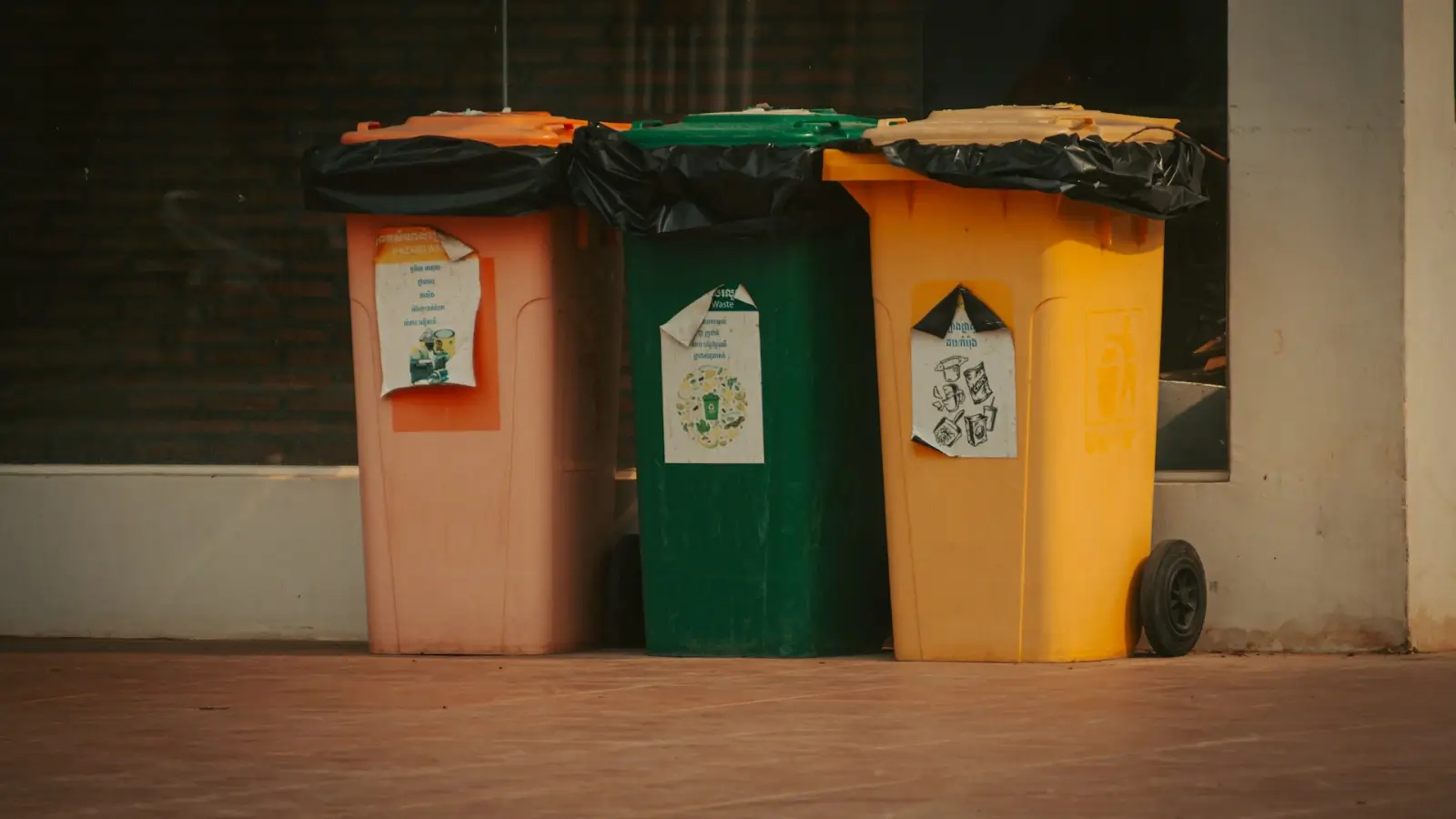
- Implement Source Separation and Stream Optimization: Separate waste at the point of generation with clear labeling and employee training. This ensures cleaner feedstocks for recycling, composting, or thermal processing.
- Prioritize Waste Prevention and Reuse: Focus on reducing waste at the source. This includes optimizing packaging, redesigning products for longevity, and exploring opportunities for internal reuse or donation of materials.
- Integrate Advanced Thermal Technologies: Invest in appropriate thermal processing equipment, such as rotary dryers, calciners, or waste-to-energy systems, based on the specific waste streams and desired outcomes.
- Foster Stakeholder Collaboration: Engage employees, suppliers, and waste management partners to build a collective commitment to sustainability.
- Monitor and Report Progress: Utilize data analytics and digital platforms to track KPIs, identify areas for improvement, and transparently communicate environmental performance.
By adopting these steps, businesses can move beyond mere compliance to actively participate in the circular economy, transforming their waste management practices into a source of environmental benefit and economic value.
Business Outstanders brings you sharp insights on tech, business, entrepreneurship, law, crypto, and more. We uncover what’s next. Stay updated, sign up for our newsletter and be part of the future!