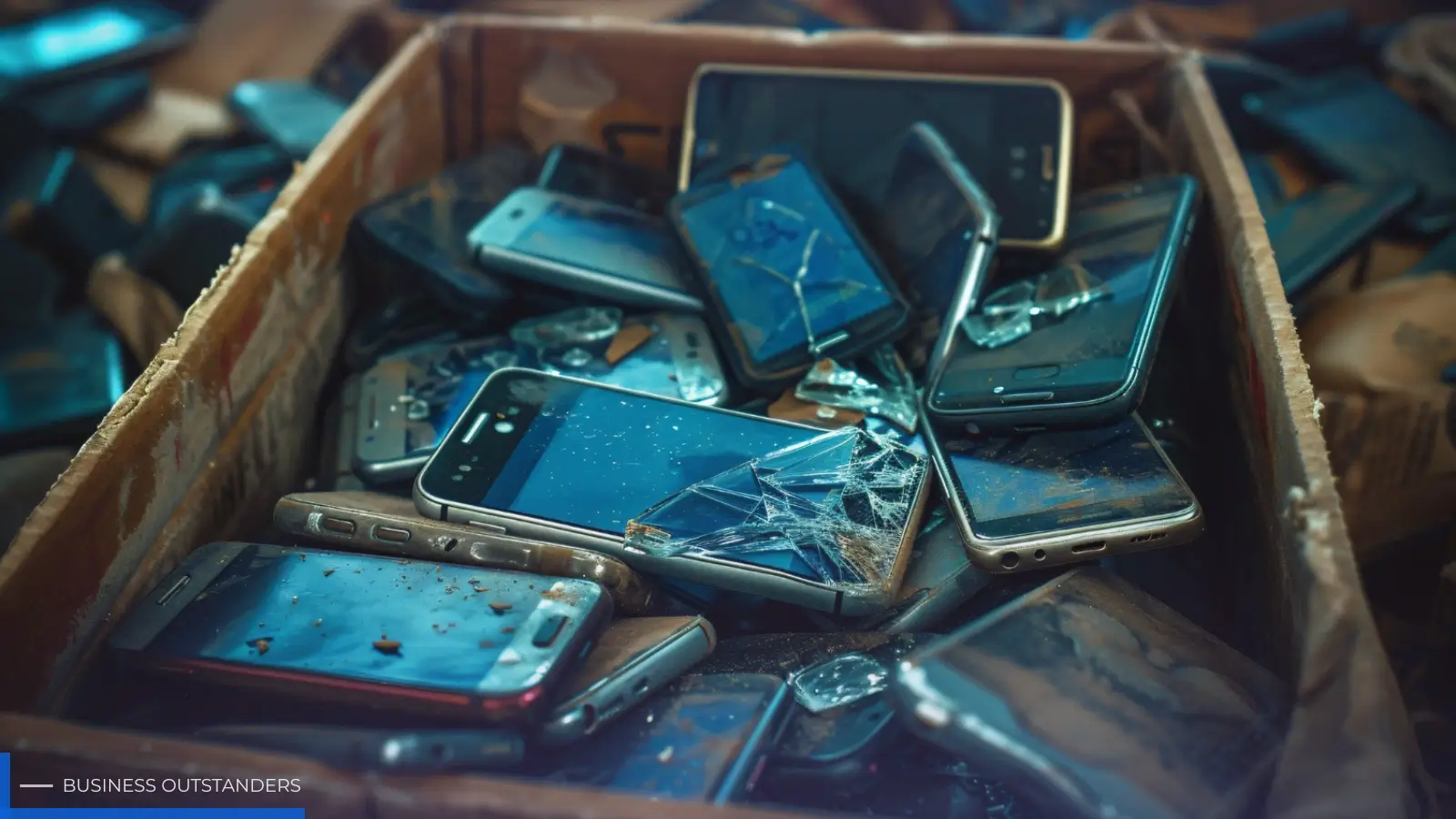
Cell phone recycling has quietly become one of the most important environmental decisions any household, school, or business can make, yet millions of devices still end up in drawers, closets, and landfills every year. With billions of phones in circulation and upgrade cycles getting shorter, the question of what happens to old devices is no longer a small one. Understanding how cell phone recycling works, why it matters, and how to make it part of your regular routine can protect the environment, recover valuable materials, and keep sensitive personal data out of the wrong hands, especially when considering what actually gets processed in recycling today.
Why Cell Phone Recycling Matters More Than Ever
Modern smartphones are packed with materials that should never end up buried in a landfill. Every device contains a mixture of metals, rare earth elements, plastics, and lithium-ion batteries, and almost all of it can be recovered through proper cell phone recycling. According to the World Economic Forum, about 5.3 billion mobile phones were expected to become e-waste in 2022 alone, out of roughly 16 billion in use globally. That figure continues to climb as consumers upgrade more often and hold on to retired devices instead of pursuing responsible mobile phone recycling.
The environmental cost of ignoring cell phone recycling is significant. When phones sit in landfills, their toxic components slowly break down and leach into soil and groundwater. Lithium, cobalt, lead, and mercury are all known to contaminate ecosystems and pose long-term risks to wildlife and drinking water sources. Responsible smartphone recycling keeps these hazardous substances out of the environment while giving valuable materials a second life inside new products.
What Happens When Old Phones Aren't Recycled
Most people assume an old phone tucked in a junk drawer is harmless. In reality, unused devices represent both a missed opportunity and a growing problem. The U.S. Environmental Protection Agency estimates that more than 151 million phones are discarded every year in the United States alone, and only a small portion of them go through proper cell phone recycling. The rest contribute to one of the fastest-growing waste streams on the planet.
Beyond the environmental concerns, skipping cell phone recycling also creates real data security risks. Old phones often hold text messages, photos, saved passwords, banking apps, and private contacts. Without secure data destruction, that information can be recovered by anyone who ends up with the device. Professional mobile phone recycling services handle this through certified wiping or physical destruction, ensuring nothing sensitive is left behind.
The Hidden Value Inside Every Smartphone
It can be hard to believe that something as small as a phone contains so many recoverable materials, but the numbers are striking. Inside each device are metals like copper, aluminum, gold, silver, and palladium, along with rare earth elements used in displays and speakers. Proper cell phone recycling recovers these resources and feeds them back into the manufacturing supply chain instead of letting them go to waste.
Precious Metals and Reusable Components
A single smartphone may contain only trace amounts of gold or silver, but multiply that across millions of devices and the impact becomes enormous. In fact, cell phone recycling can recover more gold per ton of devices than traditional mining recovers per ton of ore, which makes smartphone recycling one of the most efficient forms of urban mining available today. Copper wiring, aluminum housings, and circuit boards are all stripped down, separated, and reused in everything from new electronics to automotive parts.
Batteries and Hazardous Materials
Lithium-ion batteries are among the most critical components to recover. They contain cobalt, nickel, and lithium, all of which are finite resources that require energy-intensive mining. Proper cell phone recycling captures these metals so they can be used again in new batteries, electric vehicles, and grid energy storage systems. Handling batteries safely also prevents fires, leaks, and chemical exposure during disposal, which is another reason working with a licensed mobile phone recycling partner is so important.
How the Cell Phone Recycling Process Works
Once a device arrives at a licensed facility, it moves through a carefully managed series of steps designed to recover as much material as possible while protecting data and the environment. The cell phone recycling process typically begins with secure data destruction, where every device is wiped or physically shredded to ensure no personal information survives. From there, the phone is disassembled, and components are sorted by material type.
Batteries are removed first and processed separately, while circuit boards, screens, plastic housings, and metal parts are each directed to specialized recovery streams. Metals are melted down and refined, plastics are cleaned and pelletized for reuse, and glass is crushed for recycling into new products. Every step is designed to keep materials in circulation and nothing in a landfill, which is the zero-waste standard that modern cell phone recycling operations should be measured against.
How to Prepare Your Phone for Recycling
A little preparation goes a long way when you recycle old cell phones. Start by backing up any photos, contacts, or important files to the cloud or another device. Next, sign out of all accounts, including email, social media, and banking apps, and perform a factory reset to clear your personal settings. If your phone supports removing the SIM and memory card, take those out and store or destroy them separately before dropping the device off for cell phone recycling.
Even with these steps, data experts recommend using a licensed recycler that performs additional data destruction. This extra layer of protection is especially important for businesses, schools, and healthcare organizations that must comply with privacy regulations. A trusted mobile phone recycling partner will also provide documentation, usually in the form of a Certificate of Recycling, confirming that the device and its data were both handled securely.
Choosing the Right Cell Phone Recycling Partner
Not every recycler operates the same way, and the choice of provider matters. Look for a cell phone recycling company that is properly licensed, follows strict environmental and data security protocols, and maintains a true zero-landfill commitment. A reputable provider will also offer flexible options such as drop-off, pickup, and bulk collection for organizations that need to recycle phones in volume.
EACR Inc. has built its reputation on exactly these principles. With over 25 years of experience and a state-of-the-art facility in Lakewood, New Jersey, EACR Inc. delivers licensed cell phone recycling services for businesses, schools, hospitals, municipalities, and government agencies across the country. Every device is processed through secure data destruction and eco-conscious material recovery, giving clients peace of mind and a clear path toward meeting their sustainability goals.
Building a Greener Future One Phone at a Time
Every recycled device makes a measurable difference. Recovered metals reduce the need for destructive mining, diverted plastics cut down on landfill waste, and safely handled batteries prevent pollution and fires. When individuals and organizations make cell phone recycling part of their regular routine, the collective environmental impact becomes substantial.
The bottom line is simple. Those old devices sitting unused are a source of both risk and opportunity. Smartphone recycling protects personal information, keeps toxic materials out of the environment, and ensures valuable resources get a second life inside new technology. Whether you have one phone to recycle or hundreds, partnering with a trusted provider like EACR Inc. makes responsible cell phone recycling easy, secure, and sustainable.
Business Outstanders brings you sharp insights on tech, business, entrepreneurship, law, crypto, and more. We uncover what’s next. Stay updated, sign up for our newsletter and be part of the future!