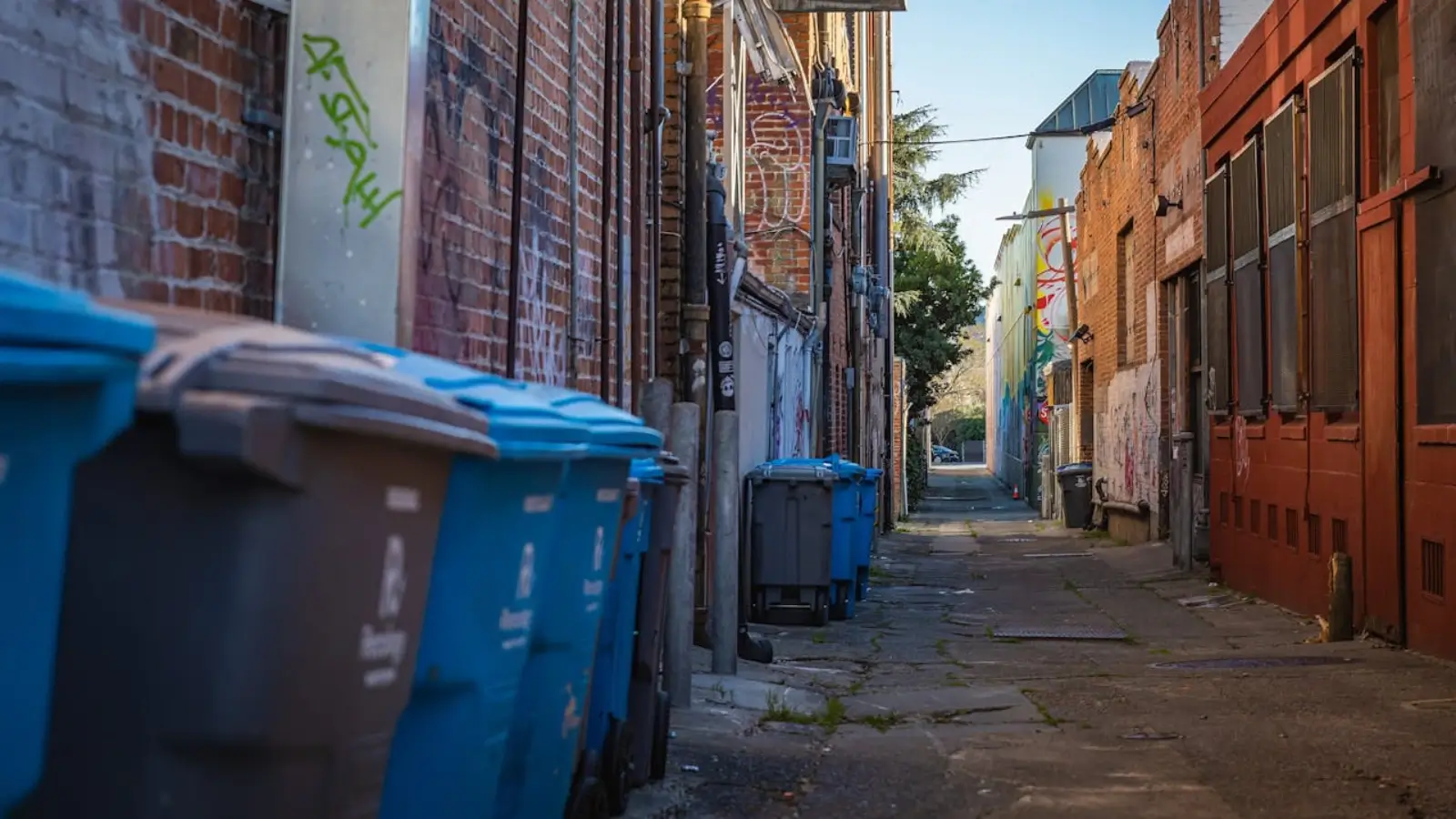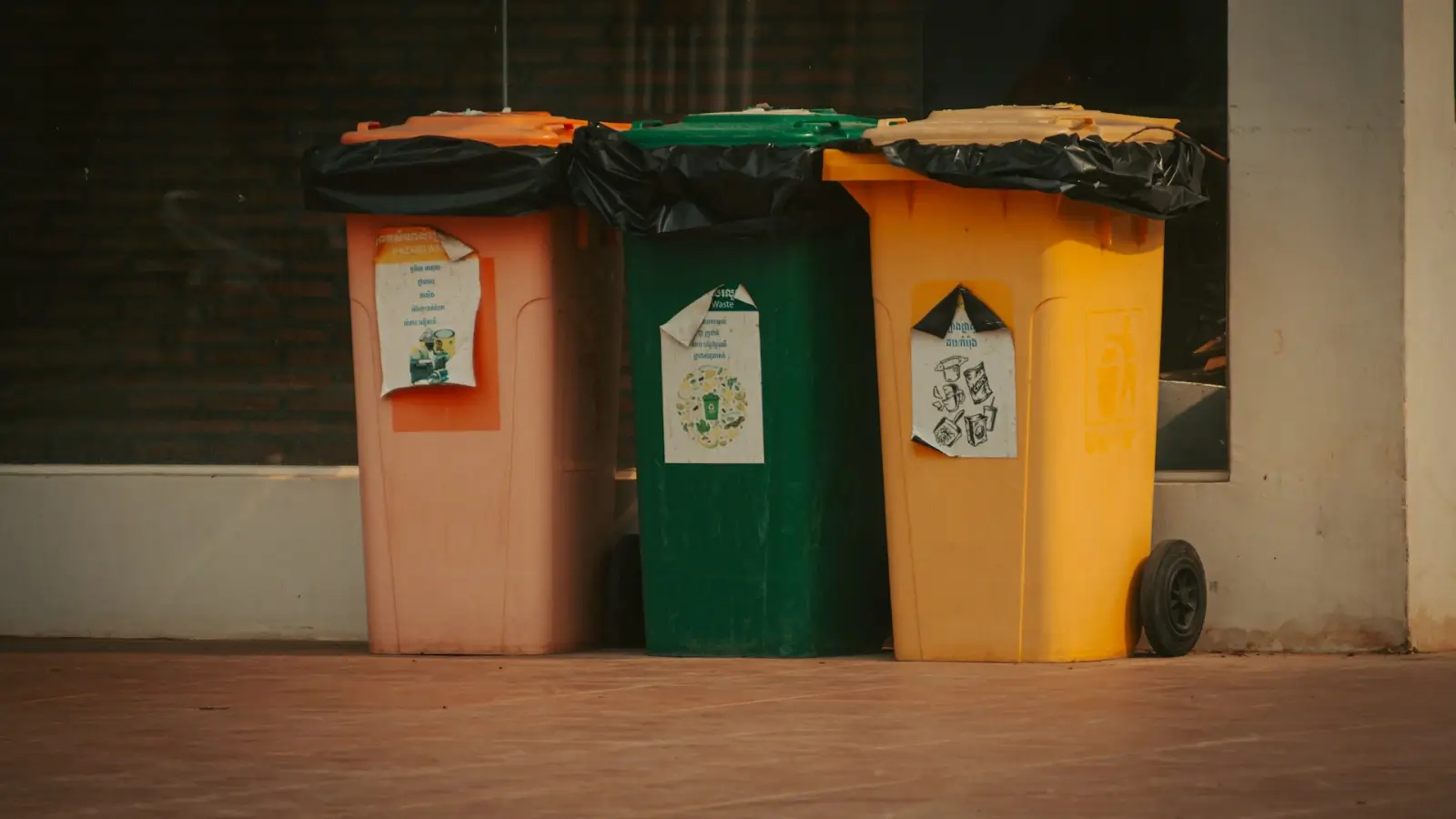
Selecting the right 1100 litre bin configuration impacts collection efficiency, sorting accuracy, and long-term operational costs for any facility managing substantial waste streams. These bins come in specialized variants for general waste, recyclables, organic materials, and confidential document disposal, each designed with specific features that optimize their intended purpose. Color-coding standards help workers sort correctly at the source, reducing contamination rates that can reject entire recycling loads. The choice between flat-lid, dome-lid, or lockable versions affects everything from odor control to security against scavenging. Understanding these distinctions prevents the common mistake of buying generic bins that don't match actual operational needs, leading to sorting problems and wasted collection trips when bins contain wrong materials.
Color Standards and Contamination Prevention
Australian waste management follows loose color conventions that most councils recognize. Red or dark grey typically means general waste, yellow signals recycling, and green or lime indicates organics. But here's the frustrating part, these aren't legally mandated everywhere, so neighboring areas might use different systems.
Contamination is the real problem with mixed recycling. When someone throws food waste into a recycling bin, it can spoil the entire load. Recycling facilities reject contaminated batches, sending them to landfill instead. Studies show contamination rates above 10% usually trigger rejection. Clear color coding and signage on bins helps but doesn't solve the problem completely.
Some facilities now use split bins with divider systems inside one 1100 litre shell. This lets you separate recyclables like paper, plastic, and glass in the same bin but different compartments. The collection truck needs compatible equipment though, which limits where this works.
Lid Configuration for Different Waste Types
Flat lids work fine for dry waste that doesn't smell much. They're simpler, cheaper, and easier to manufacture. But for food waste or anything organic, you want dome lids. The curved top adds volume capacity and improves rain drainage, stopping water from pooling and leaking into the bin.
Lockable lids solve security problems in public areas or where valuable waste like metals might get stolen. The lock mechanisms vary from simple padlock holes to integrated locking systems. I've seen both work, but integrated locks are harder to bypass. This matters more than you'd think for businesses disposing of documents or materials with resale value.
Gravity-fed flap openings are becoming popular for public recycling stations. People push waste through a flap that closes automatically, which reduces tampering and keeps animals out. The downside is reduced opening size, so bulky items don't fit easily.
Mobility Features That Actually Matter
Not all 1100 litre bins need to move frequently, but when they do, wheel quality makes a huge difference. Standard wheels are around 200mm diameter solid rubber. This works for smooth surfaces but struggles on rough ground or over kerbs.
Premium models use larger 250mm wheels, sometimes with ball bearings for smoother rolling. The difference is dramatic when you're pushing 400kg of waste. Some high-use facilities choose bins with four swivel wheels instead of two fixed and two swivel. This allows maneuvering in tight spaces but reduces straight-line stability.
The handle design matters too. T-shaped handles give better leverage than single-bar handles. Ergonomic height is around 1000-1100mm, which lets most adults push without bending awkwardly. Cheap bins skimp on handle strength, and I've watched them bend or crack under regular use.
Collection System Integration Planning
Here's something that doesn't get explained enough: your bin choice needs to match your collection schedule and truck type. Side-lift trucks are common in commercial areas and require bins with side grab points. Front-lift systems use different attachment points.
Some modern trucks use RFID tags embedded in bins to track collections automatically. This data helps optimize routes and billing. If your waste contractor uses this system, you need compatible bins with tag holders. Retrofitting tags to non-compatible bins sometimes works but isn't ideal.
Collection frequency depends on waste volume and bin capacity. Businesses often overestimate how long they can go between pickups. A restaurant filling 1100 litres every three days needs twice-weekly collection minimum, or you risk overflow and pest problems. Weather affects this too because rain adds weight to open-top waste.
Specialized Bins for Specific Industries
Medical facilities need bins meeting strict standards for bio-hazard waste containment. These often have rigid plastic liners and seal mechanisms that prevent leakage. The cost is significantly higher than standard bins, but regulations don't give you a choice.
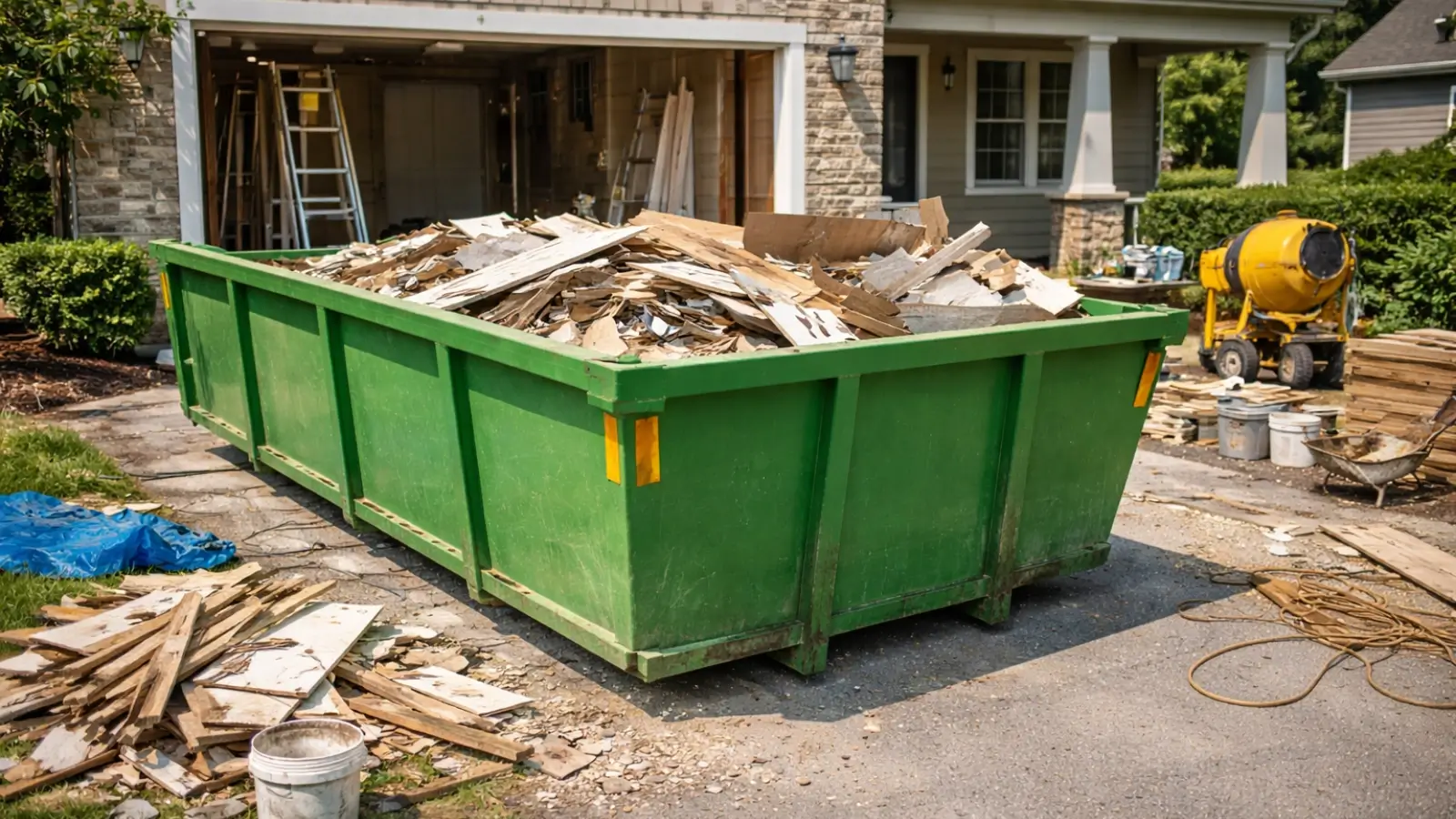
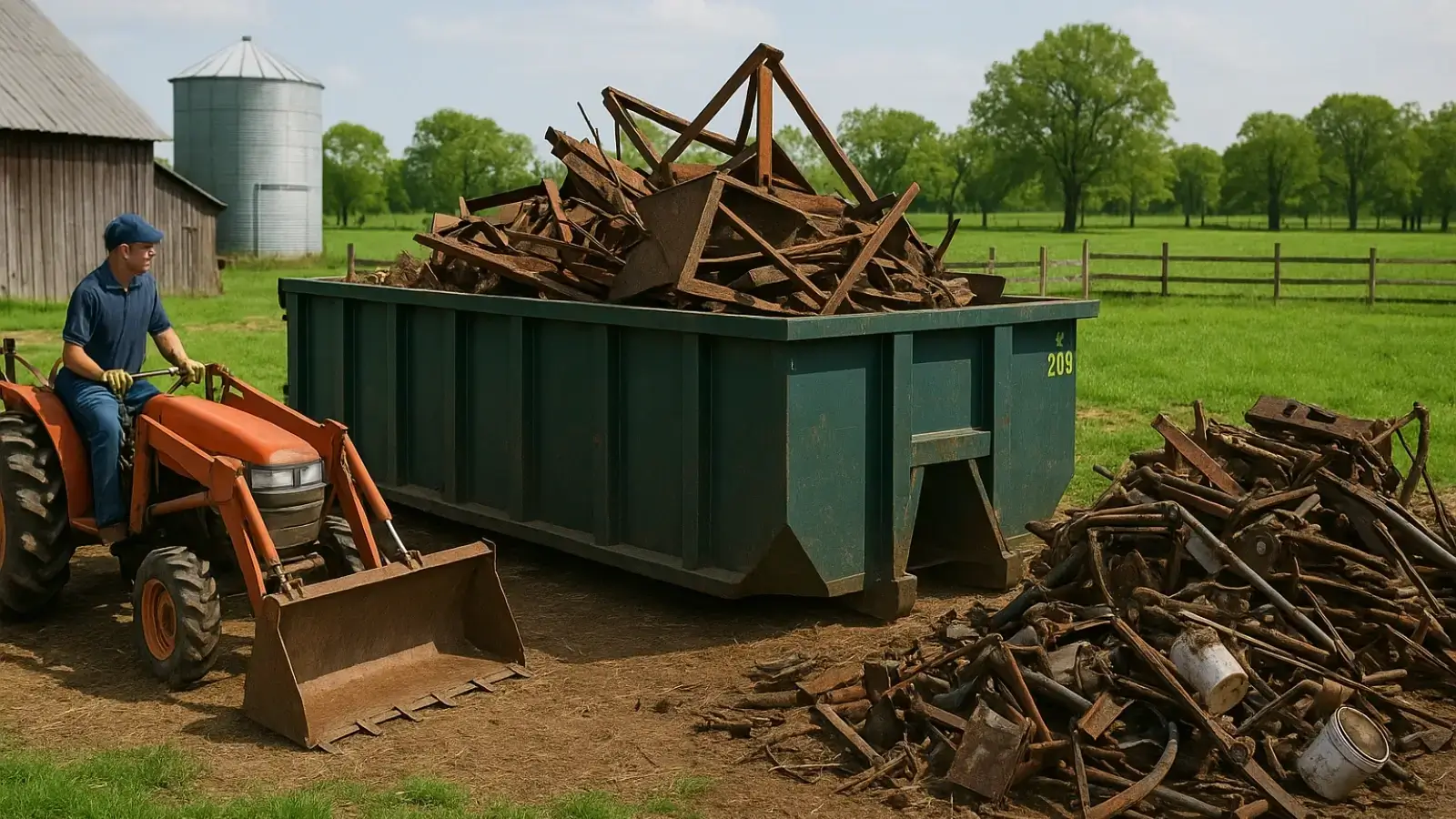
Construction sites sometimes use bins with reinforced bases and walls to handle heavy demolition debris. Standard bins crack under the weight of concrete chunks or metal scraps. Specialized models cost more upfront but last longer in harsh conditions.
Business Outstanders brings you sharp insights on tech, business, entrepreneurship, law, crypto, and more. We uncover what’s next. Stay updated, sign up for our newsletter and be part of the future!