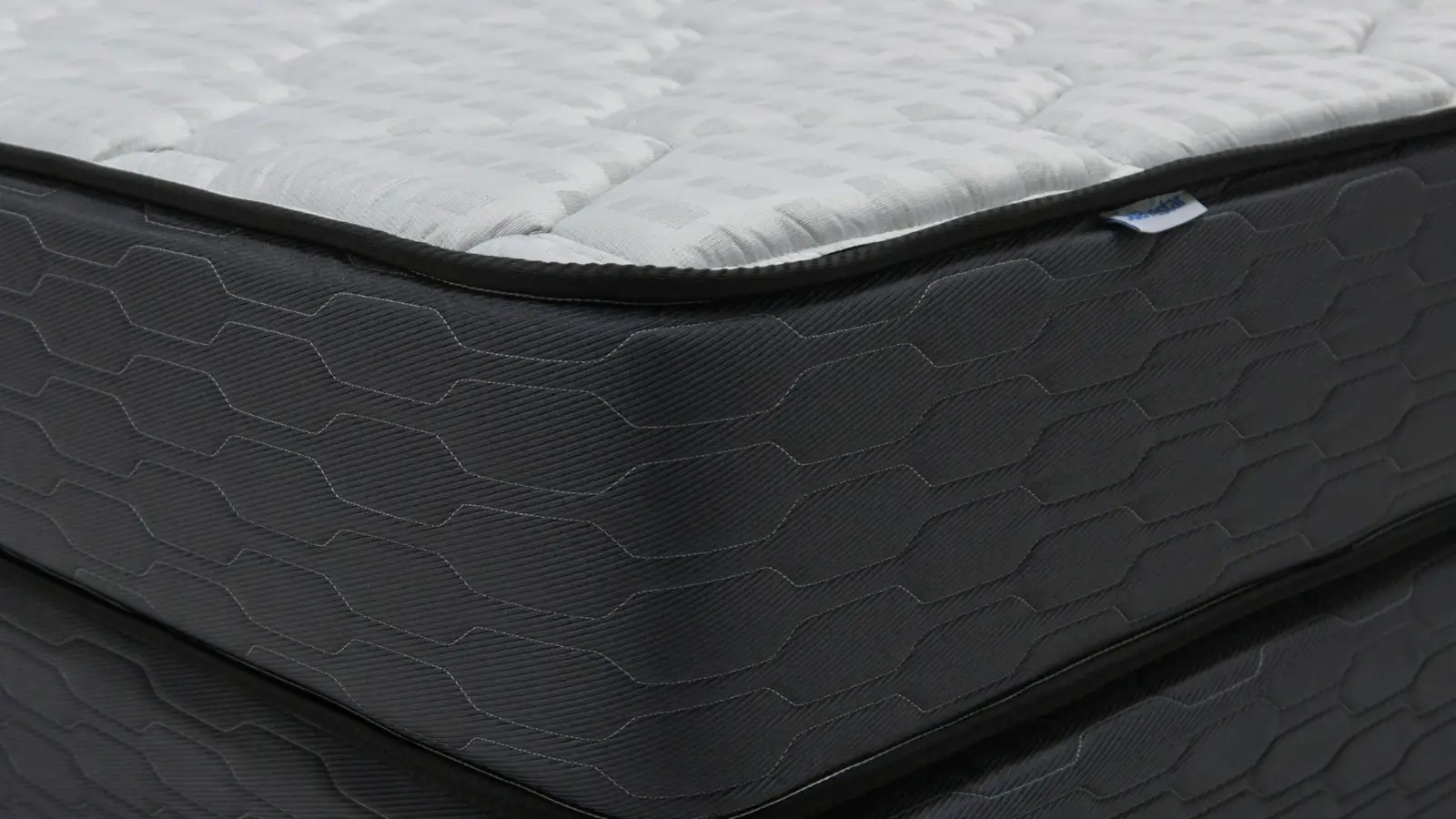
Choosing the right mattress can significantly impact the quality of sleep and overall health. An orthopedic mattress is specifically designed to support the joints, back, and overall body posture, making it an excellent choice for those experiencing discomfort during rest.
What is an Orthopedic Mattress?
An orthopedic mattress is designed to support the body's muscular and skeletal systems. The term "orthopedic" originates from the medical field, referring to the branch of medicine dealing with the correction of deformities of bones or muscles. As such, manufacturers developed these mattresses to address and alleviate musculoskeletal conditions and enhance sleep quality.
Benefits of Orthopedic Mattresses
The primary advantage of an orthopedic mattress is its ability to provide targeted support to the most vulnerable parts of the body, such as the spine, lower back, and joints. This support helps in maintaining proper body posture and alignment, preventing discomfort and pain during sleep.
Another benefit is the even distribution of body weight, which reduces pressure points. Pressure relief is crucial, especially for individuals with chronic pain or physical injuries. By minimizing stress on the body, these mattresses can contribute to a more restful, uninterrupted sleep.
Materials Used in Orthopedic Mattresses
Orthopedic mattresses are made from various materials, including memory foam, latex, and innerspring. Memory foam is popular for its contouring properties, which adapt to the body's shape and provide personalized support. Latex, on the other hand, offers a firmer feel with natural elasticity and excellent breathability. Innerspring orthopedic mattresses combine coils with a supportive padding layer, offering a traditional feel with added support.
Choosing the Right Orthopedic Mattress
Selecting the right mattress requires considering individual needs and preferences. Factors such as preferred sleeping position, body weight, and personal comfort preferences all play a role in the decision-making process.
For side sleepers, a mattress with softer memory foam might be ideal because it cushions the shoulders and hips. Back sleepers may benefit more from a firmer mattress that supports the spine's natural curvature. For stomach sleepers, a medium-firm option can prevent the lower back from sinking too deeply.
Importance of a Quality Mattress Cover
A quality mattress cover is also essential in protecting the mattress and enhancing its lifespan. Covers made from breathable materials can aid in temperature regulation, keeping you cool throughout the night. Additionally, removable and washable covers make it easier to maintain hygiene.
Signs You Need an Orthopedic Mattress
If you regularly wake up with back pain or experience discomfort that disrupts your sleep, it may be time to consider an orthopedic mattress. Consistent sleep disturbances or waking up feeling fatigued despite a full night's rest can also indicate that your current mattress is not providing the necessary support.
Comparing Orthopedic Mattresses with Standard Mattresses
While standard mattresses may offer varying levels of firmness and comfort, they often lack the targeted support and pressure relief needed by those with specific musculoskeletal concerns. Orthopedic mattresses are specifically engineered to meet these needs, making them a preferable choice for many individuals.
Trying Before Buying
It is advisable to test a mattress in-store before making a purchase. Spending considerable time lying in your usual sleeping position can provide a better indication of how the mattress feels and supports your body.
The Role of Sleep Position and Mattress Choice
Understanding your preferred sleep position can guide you in selecting the best orthopedic mattress for your needs. Ensuring that the mattress supports natural spinal alignment is key to reducing discomfort and enhancing sleep quality.
Conclusion
An orthopedic mattress is an investment in health and well-being. By delivering enhanced support, reducing pressure points, and promoting spinal alignment, these mattresses can significantly improve sleep quality. For those experiencing chronic pain or discomfort, switching to an orthopedic mattress might be the key to better rest and improved overall health.
Business Outstanders brings you sharp insights on tech, business, entrepreneurship, law, crypto, and more. We uncover what’s next. Stay updated, sign up for our newsletter and be part of the future!