Skip Hire: How to Choose the Right Cubic Yard for Your Project
— Picking the right skip size is about saving money and keeping your project running smoothly.
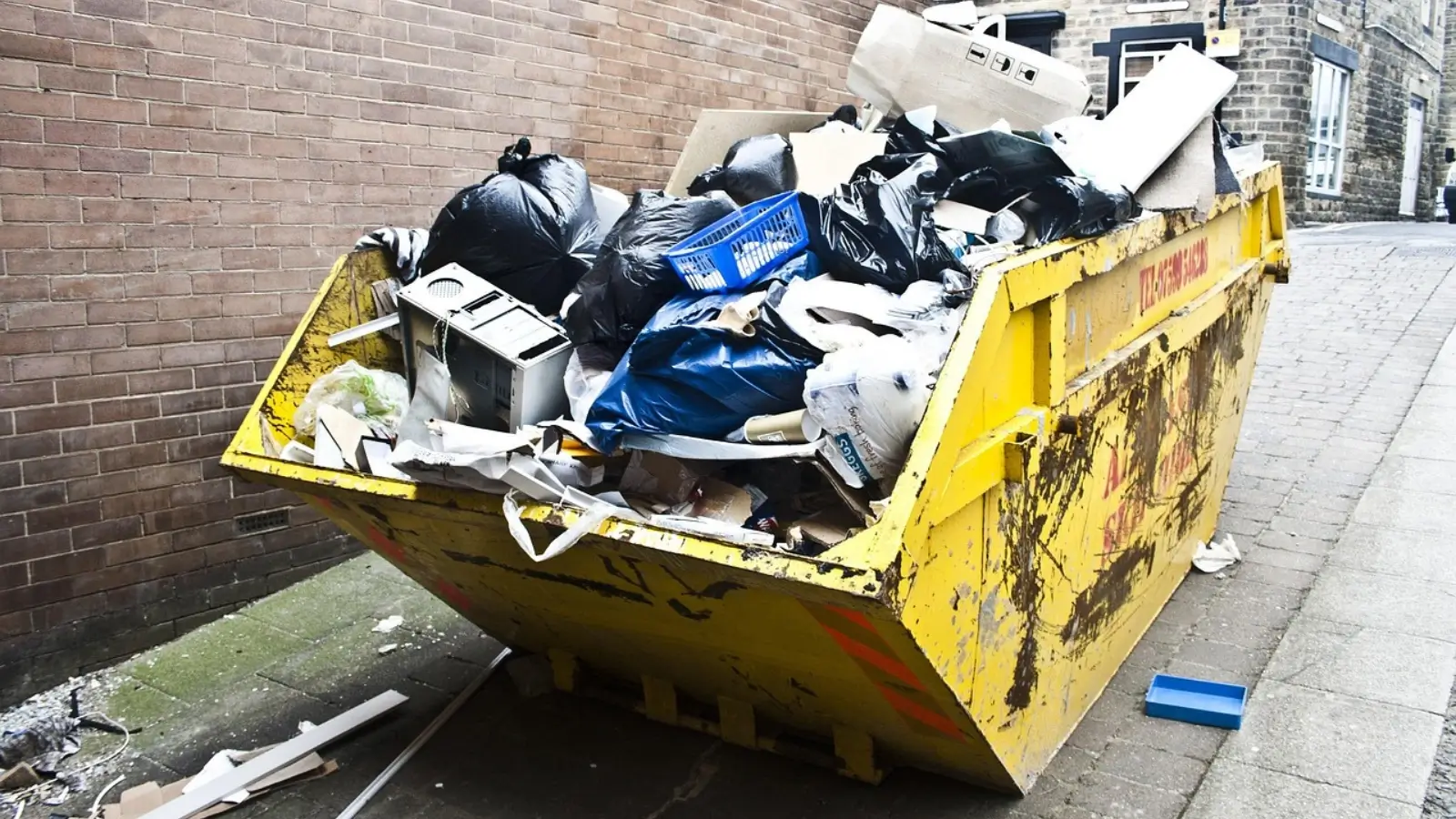
When you’re cleaning out a garden, renovating your home, or running a construction job, hiring a skip can make things a lot easier. But picking the right size can be tricky, especially if you’re not sure how much waste you’ll have. The goal is to find a size that fits your needs without wasting money or space. Here’s how you can figure out the right skip size when booking a skip hire for your next project.
1. Understanding Skip Sizes and What They Mean
Skips range from small 2-yard mini skips to massive 40-yard roll-on roll-off containers. Smaller skips are used for general household cleanups, while the larger skips are suitable for commercial or construction use. Before booking a skip, you need to evaluate how much waste there is. Thus, the need to choose the best skip size for your project can avoid extra spaces or being limited on space.
2. Knowing What Kind of Waste You’re Disposing
Take note that different wastes work differently and determine which skip to use. Different jobs use unique waste, where garden cuttings or small renovating garden waste will not need an extensive skip. It is only between 2 and 6 cubic yards, but when concrete and bricks are involved, one must use a big skip when more than eight tonnes. For tyres or electrical waste, this must use good recycling factors.
3. Matching Skip Size to Your Project
Making the right skip choice for your project will get your waste handling out quickly, save money, and reduce overall environmental costs due to the extra trips. To make it simpler, consider the scale of your project and the type of waste generated:
- Mini skips are used for gardening, cleaning, and small house projects.
- Midi skips for kitchen and bathroom remodelling
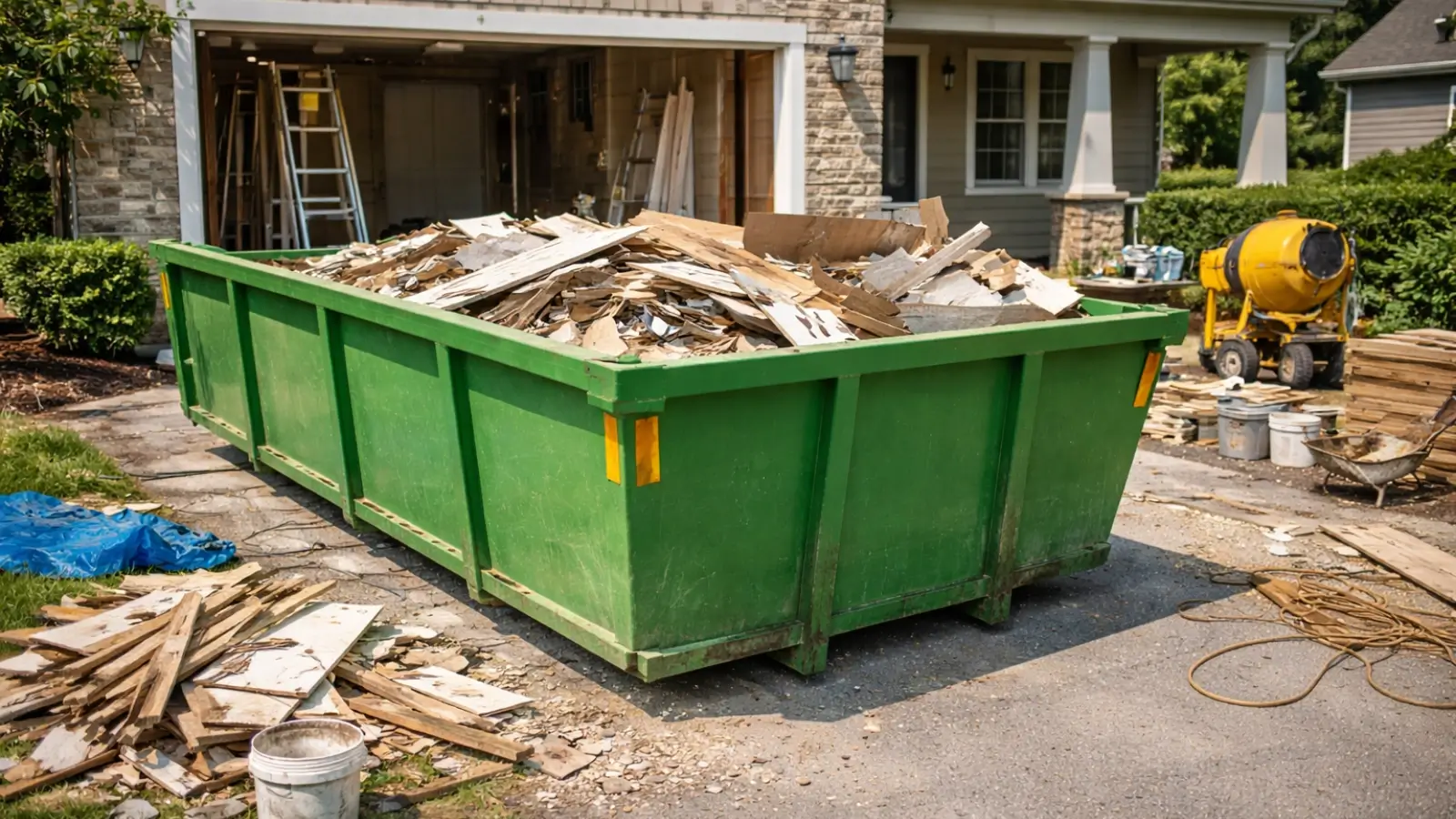
- Builder’s skips for larger house overhauls or building repairs
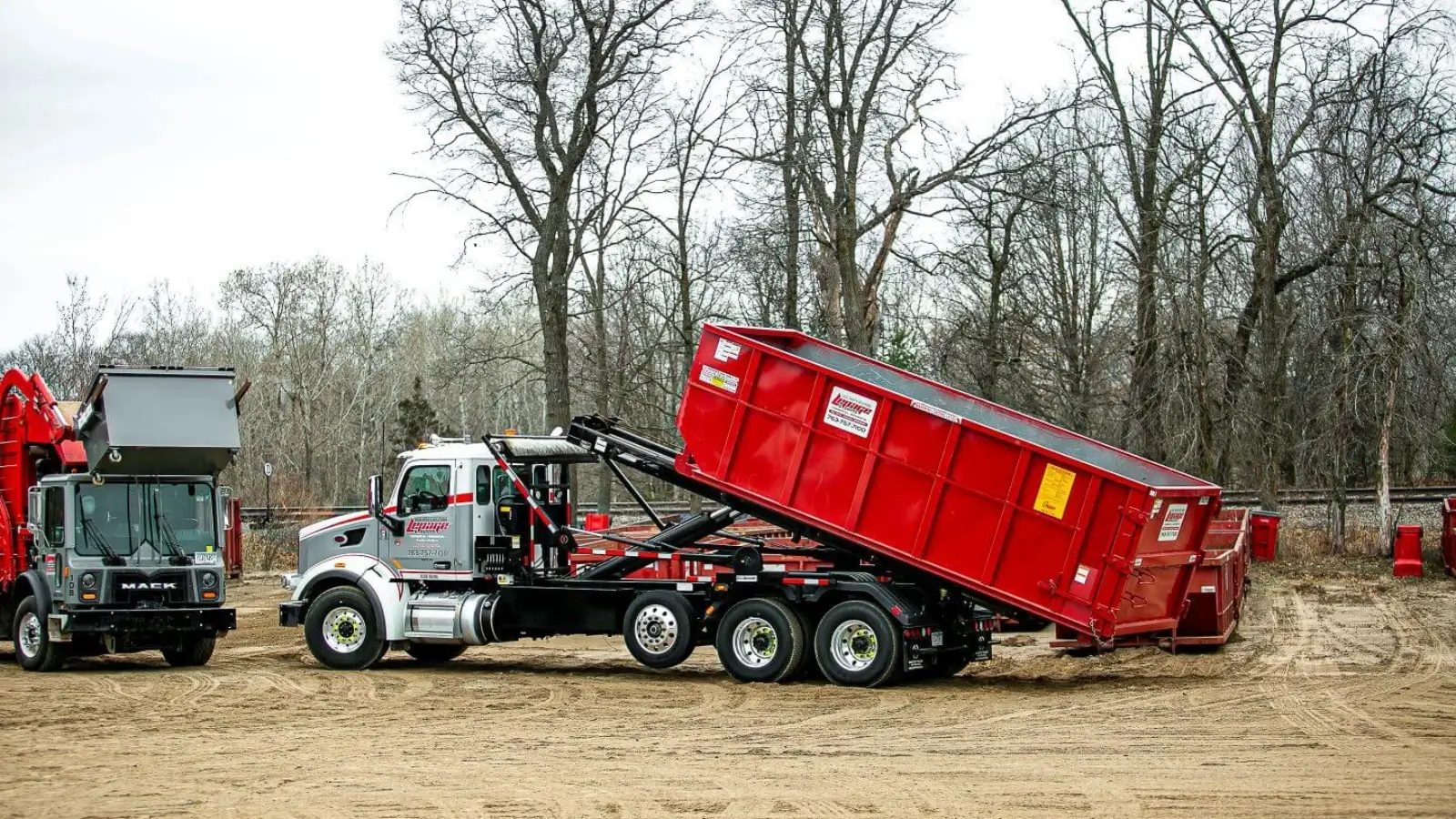
- Roll-on, roll-off skips for vehicles up to 40 yards are suitable for large projects
4. Checking Where the Skip Will Go
Measure the area to check whether there will be enough space for the delivery and collection trucks to arrive and leave. Driveways and private properties usually accommodate smaller skips very well, but the bigger ones often have to sit on public roads. Luckily, you do not need to worry about that, and thousands of companies can handle that for you, as well as recommend the best location for your skip.
5. Being Aware of Weight Limits
Overloading a skip not only involves additional costs but also the impossibility of transporting it. If you will be throwing away very heavy materials like soil, rubble, or concrete bricks, also run it past your skip provider. It is crucial to balance both the volume and weight for the collection to be possible, and it is better to clarify everything in advance rather than find problems when your skip is already full.
6. Estimating How Much Waste You’ll Have
Lots of estimates suggest that people often underestimate how much rubbish they will create. Well, the best way to come up with a good estimate is to throw away thinking in bin bags. A two-yard skip is equivalent to about 25 bin bags, while the 8-yard builder’s skip equates to as many as 80. This way, it’s better to choose a bit more than you think you may need, because overfilled skips can’t be moved.
7. Working with a Trusted Skip Hire Company
Once you know what you need, start looking for a reliable company that has clear pricing and aligns with your principles. A trustworthy skip hire provider gives honest estimates, helps with permits if it’s necessary, and confirms that your waste will be managed in compliance with the law. Many waste companies provide you with various skip-size deals in domestic, commercial, and industrial dimensions.
Planning for a Smoother Project
Picking the right skip size is about saving money and keeping your project running smoothly. Start by understanding your waste and making sure you have space for the skip. Melrose skip hire company ensures your waste gets collected efficiently and disposed of responsibly. Whether clearing out your home or managing a building site, taking a bit of time to plan your skip hire makes the process easier.