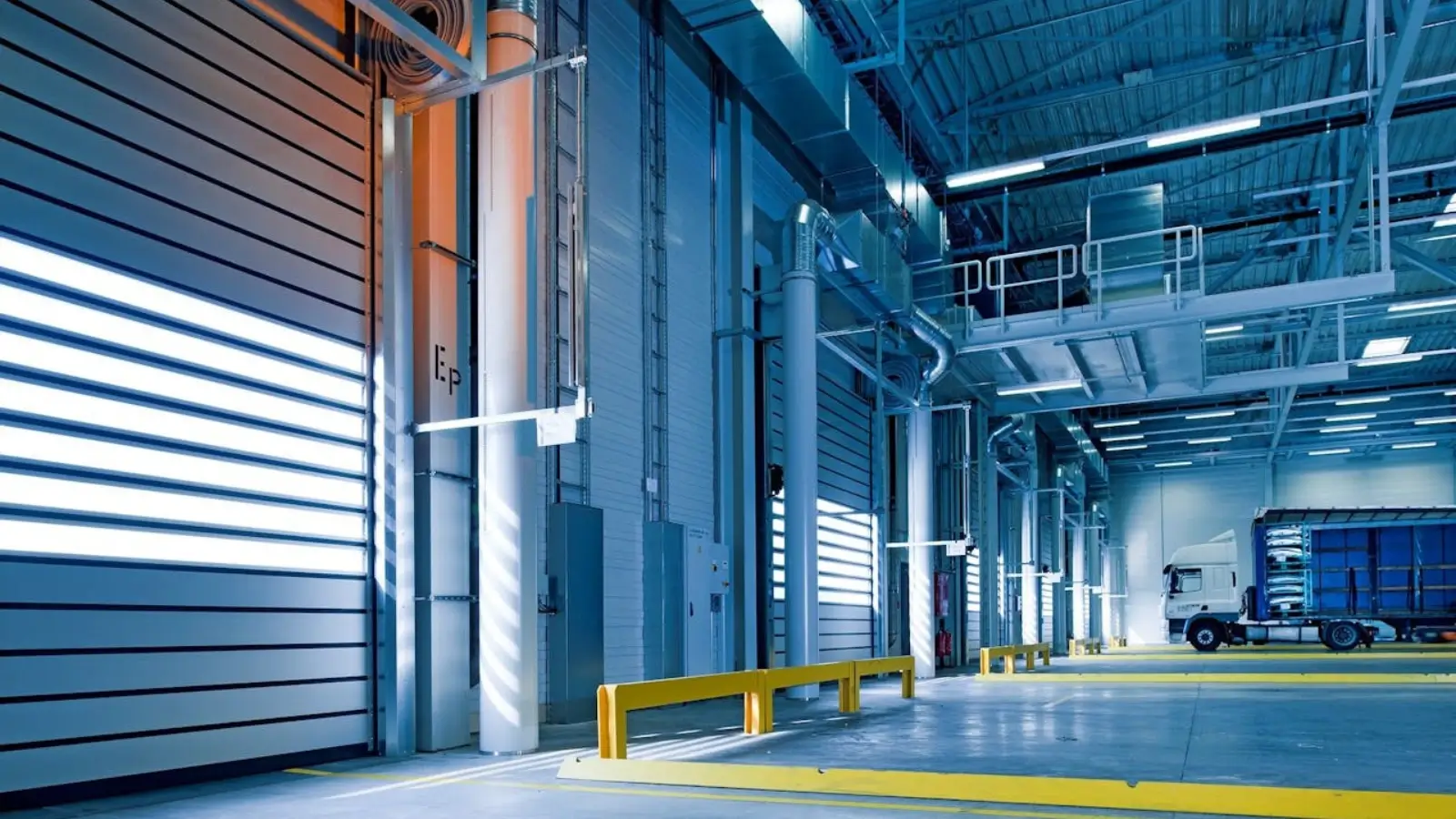
A typical workday can begin with demand climbing, systems humming, and teams fully engaged. Then a brief power dip, an overheated server room, or a network hiccup ripples through the building.
Phones stall, transactions pause, and attention shifts from progress to damage control. Moments like these expose how strongly the physical environment shapes digital reliability.
Forward-thinking organizations look past surface-level fixes and invest in upgrades that quietly do their job every hour of the year. When facilities are built to absorb disruption instead of reacting to it, uptime becomes predictable rather than fragile. That stability lets leaders focus on growth, not recovery.
1. Benefits of Backup Power
Power interruptions remain one of the most common causes of unexpected downtime. Even short outages can interrupt transactions, halt production, and damage sensitive equipment. Investing in a business backup generator creates a reliable safety net that activates automatically when the grid fails. For many organizations, this upgrade pays for itself after avoiding just one major interruption.
Leaders often evaluate backup power based on several practical advantages:
- Continuous operation for critical systems
- Reduced risk of data corruption during sudden shutdowns
- Protection for temperature-sensitive inventory and equipment
- Faster recovery time compared to manual restart processes
When paired with routine testing and maintenance, backup generators provide one of the clearest returns on investment among facility upgrades.
2. Network Failover That Protects Digital Workflows
Modern businesses depend on constant connectivity. Internet outages can bring customer support, payments, and internal collaboration to a standstill. Network failover introduces redundancy, so traffic automatically reroutes when the primary connection drops.
A thoughtful failover strategy typically includes:
- Secondary internet service from a separate provider
- Automatic switching hardware to avoid manual intervention
- Monitoring tools that detect performance degradation early
- Clear escalation paths for IT teams during extended outages
- Documented testing schedules to confirm failover works under real conditions
- Defined service level expectations with each provider
This upgrade often delivers quick wins by reducing disruption without requiring major physical changes to a facility.
3. Surge Protection That Extends Equipment Lifespan
Electrical surges do not always announce themselves. Minor spikes can quietly degrade equipment until failure appears weeks or months later. Facility-wide surge protection shields sensitive systems from both external grid events and internal power fluctuations.
Organizations that install comprehensive surge protection benefit from:
- Fewer unexpected equipment failures
- Lower long-term maintenance and replacement costs
- Reduced risk of cascading system damage
- Greater stability for critical electronics and automation tools
- More predictable performance from power-sensitive equipment
This upgrade supports uptime indirectly by preserving the health of the infrastructure teams rely on every day.
4. Environmental Sensors That Spot Problems Early
Downtime often begins with environmental issues such as heat buildup, moisture intrusion, or air quality changes. Smart sensors track these conditions in real time and alert teams before thresholds become damaging.
Common monitoring targets include:
- Temperature changes near server racks or production equipment
- Humidity levels that threaten electronics or materials
- Water detection near plumbing and HVAC systems
- Air quality indicators that signal ventilation problems
Early warnings give facilities teams the chance to intervene quickly instead of responding to a full shutdown.
Making Smart Upgrade Decisions in 2026
Facility upgrades do not need to happen all at once. Many leaders start with high-impact improvements that deliver immediate protection, then layer in additional resilience over time. Evaluating cost against risk exposure helps teams prioritize investments that keep operations steady and customers confident.
Uptime improves fastest when facilities planning connects directly to how the business actually works each day.
Business Outstanders brings you sharp insights on tech, business, entrepreneurship, law, crypto, and more. We uncover what’s next. Stay updated, sign up for our newsletter and be part of the future!