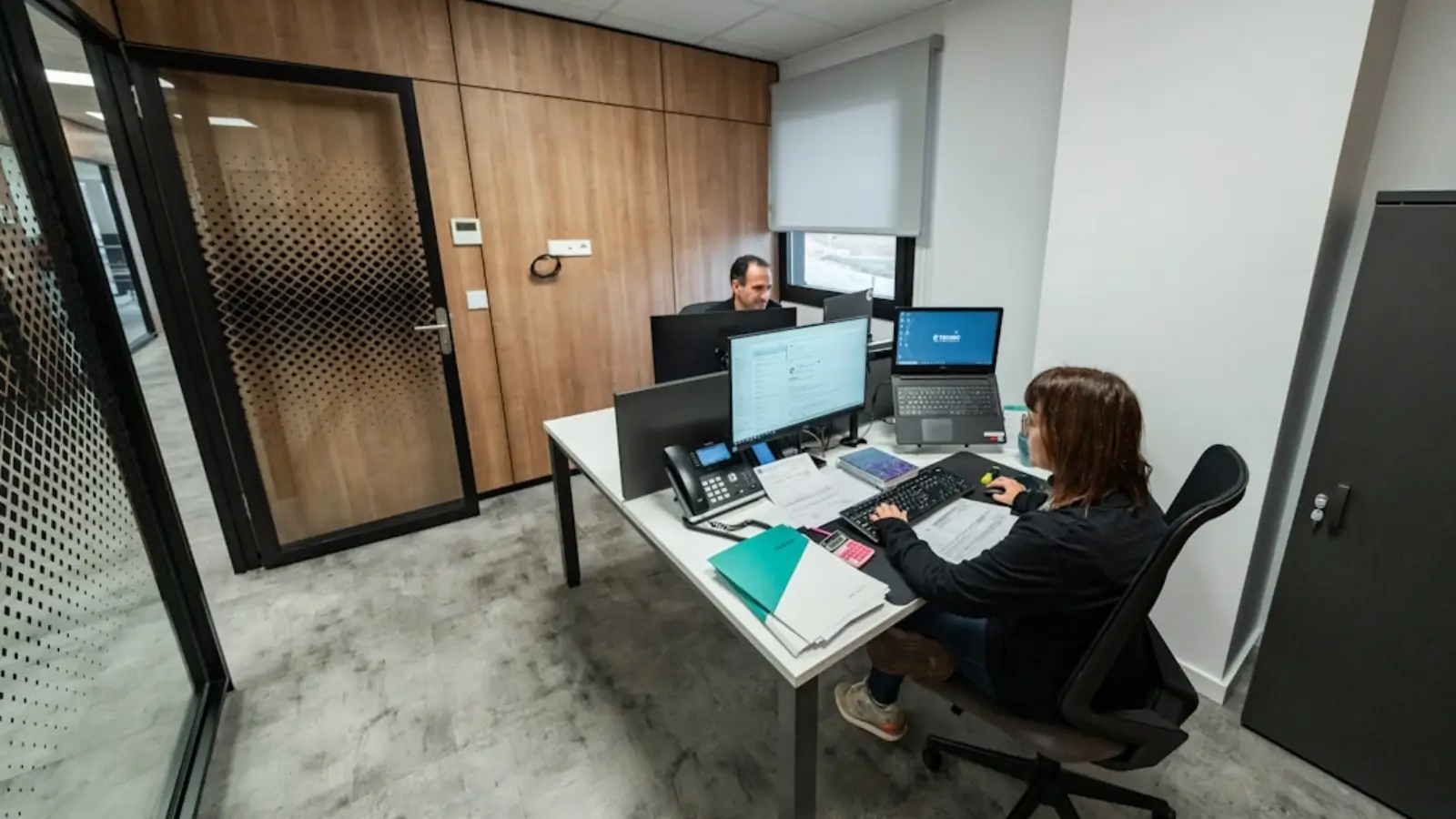
Introduction: Why Businesses Are Turning to Outsourcing
In the dynamic landscape of modern business, leaders are constantly looking for strategic advantages. We know that focusing on core business functions is key to success. But what about the many other tasks that keep an organization running smoothly?
We believe that outsourcing these key services can be a powerful tool. It allows companies to streamline operations and achieve new levels of efficiency. This approach is not just about cutting costs; it's about smart growth.
This comprehensive guide will explore how outsourcing can transform your business. We will dig into the financial benefits, operational advantages, and how it can boost employee satisfaction. We will also cover how it helps mitigate risks and supports a positive workplace culture. Understanding these aspects is crucial for making informed decisions.

The Financial and Operational Edge of Outsourced Business Services
The decision to outsource is often driven by a desire for greater financial prudence and improved operational agility. By strategically delegating non-core functions, businesses can open up significant advantages that directly impact their bottom line and capacity for growth. The average office worker drinks 2-3 cups of coffee per day, and while seemingly small, the cumulative cost and effort of managing an in-house coffee service can be substantial. Outsourcing such services, for example, can translate into tangible savings and improved efficiency.
Cost Savings and Reduced Overhead
One of the most compelling arguments for outsourcing is its potential to deliver substantial cost savings. When a business handles every function internally, it incurs costs related to staffing, training, benefits, equipment, software, and facility space. Outsourcing allows companies to convert fixed costs into variable costs, paying only for the services they need, when they need them. This flexibility is invaluable, especially for businesses navigating fluctuating market demands. For instance, maintaining an in-house team to manage office refreshments, including the procurement, maintenance, and stocking of coffee machines and supplies, can be far more expensive than partnering with a dedicated service provider. The latter absorbs the overheads associated with equipment ownership, repairs, and inventory management, offering a predictable service fee instead. This approach also eliminates the need for capital expenditure on specialized equipment, freeing up funds for core business investments.
Operational Efficiency and Scalability
Outsourcing inherently introduces a higher degree of operational efficiency. Specialized providers often possess streamlined processes, advanced technologies, and economies of scale that individual businesses cannot replicate internally. This means tasks are completed faster, with greater accuracy, and often to a higher standard. Furthermore, outsourcing provides unparalleled scalability. As a business grows or contracts, its outsourced services can be easily adjusted to match current needs. This agility is crucial for responding quickly to market changes without the burden of hiring or laying off staff, or investing in new infrastructure. For instance, a growing company might need to expand its office coffee service to accommodate more employees or additional locations. An outsourced provider can scale up services seamlessly, ensuring that amenities keep pace with growth without disrupting core operations. This ability to adapt quickly and efficiently is a hallmark of modern, resilient businesses.

Accessing Specialized Expertise
Beyond cost savings, outsourcing provides immediate access to specialized expertise that might be too expensive or difficult to cultivate in-house. Outsourcing partners are experts in their respective fields, bringing a wealth of knowledge, industry best practices, and advanced technological solutions to the table. This is particularly evident in areas like IT support, human resources, or even niche services like premium office coffee. A dedicated office coffee service provider, for example, possesses deep knowledge of various brewing technologies, coffee bean sourcing, and breakroom management. They understand the latest trends, such as specialty coffees and sustainable options, and can advise on the best solutions to meet diverse employee preferences. This level of specialized insight ensures that services are not just functional, but optimized for quality, efficiency, and employee satisfaction. Access to such expertise allows businesses to benefit from cutting-edge solutions without the need for internal investment in training or research.
Scaling Operations Through Outsourced Business Services
The ability to scale operations effectively is a critical component of business growth and market expansion. Outsourcing offers a built-in mechanism for this flexibility. When a business experiences rapid growth, an outsourced partner can quickly ramp up services to meet increased demand without the delays and complexities associated with internal expansion. Conversely, during periods of slower growth or contraction, services can be scaled back, preventing unnecessary expenditures. This variable capacity allows businesses to remain agile and responsive to market dynamics. For example, if a company opens a new branch or significantly expands its workforce, an outsourced office coffee service can swiftly deploy additional machines, increase supply deliveries, and adjust service schedules to accommodate the new requirements. This seamless scaling ensures that essential amenities are always available, supporting employee morale and productivity regardless of the business's current size or phase of growth. This strategic flexibility is a powerful asset in today's unpredictable business environment.
Boosting Productivity by Focusing on Core Competencies
In the pursuit of sustained success, businesses must prioritize their core competencies – the unique capabilities that provide a competitive advantage. Outsourcing non-core functions allows an organization to channel its energy, resources, and talent toward these strategic areas, ultimately boosting overall productivity and fostering innovation. When the daily management of tasks like office coffee service is handled by an external expert, internal teams are freed from administrative burdens, enabling them to concentrate on higher-value activities.
Strategic Focus and Innovation
By offloading non-essential tasks, businesses can achieve a sharper strategic focus. Instead of diverting valuable internal resources to manage ancillary services, leadership and employees can dedicate their time and creativity to innovation, product development, and market strategy. This concentrated effort often leads to breakthroughs and improvements in core offerings. For instance, if a company's internal administrative staff spends significant time ordering coffee supplies, troubleshooting machines, or coordinating deliveries, that time is taken away from tasks directly impacting the company's mission. Outsourcing allows these employees to engage in more strategic work, contributing directly to the company's growth and competitive edge. This shift in focus is not just about saving time; it's about optimizing the intellectual capital within the organization for maximum impact.
Mitigating Risks and Ensuring Compliance
Outsourcing can also play a crucial role in mitigating risks and ensuring compliance, especially in specialized areas. Expert providers are typically well-versed in the regulatory landscape of their specific industry, ensuring that all outsourced activities adhere to relevant laws and standards. This reduces the burden on internal teams to stay updated on complex compliance requirements. For example, a reputable office coffee service provider will ensure that their equipment meets safety standards, that perishable items are handled correctly, and that their operations comply with health regulations. They also often have robust business continuity plans in place to ensure uninterrupted service, even in unforeseen circumstances. This external expertise helps shield the business from potential legal issues, operational disruptions, and reputational damage, allowing internal teams to focus on managing risks directly related to their core business activities.
Streamlining Non-Core Functions
The efficient management of non-core functions is vital for overall operational smoothness. These are tasks that, while necessary, do not directly contribute to the company's primary revenue streams. Outsourcing these functions—such as administrative tasks, IT support, human resources, accounting, or even the provision of office coffee—can significantly streamline operations. When these tasks are managed by external specialists, they are often performed with greater efficiency and expertise than could be achieved internally without significant investment. This streamlining frees up internal staff from time-consuming administrative duties, allowing them to dedicate more time to their primary roles. For example, instead of an office manager spending hours researching coffee machines, comparing suppliers, and managing inventory, an outsourced service handles all these details, ensuring a consistently well-stocked and functional breakroom. This shift not only improves efficiency but also reduces the likelihood of errors and delays in these support functions.
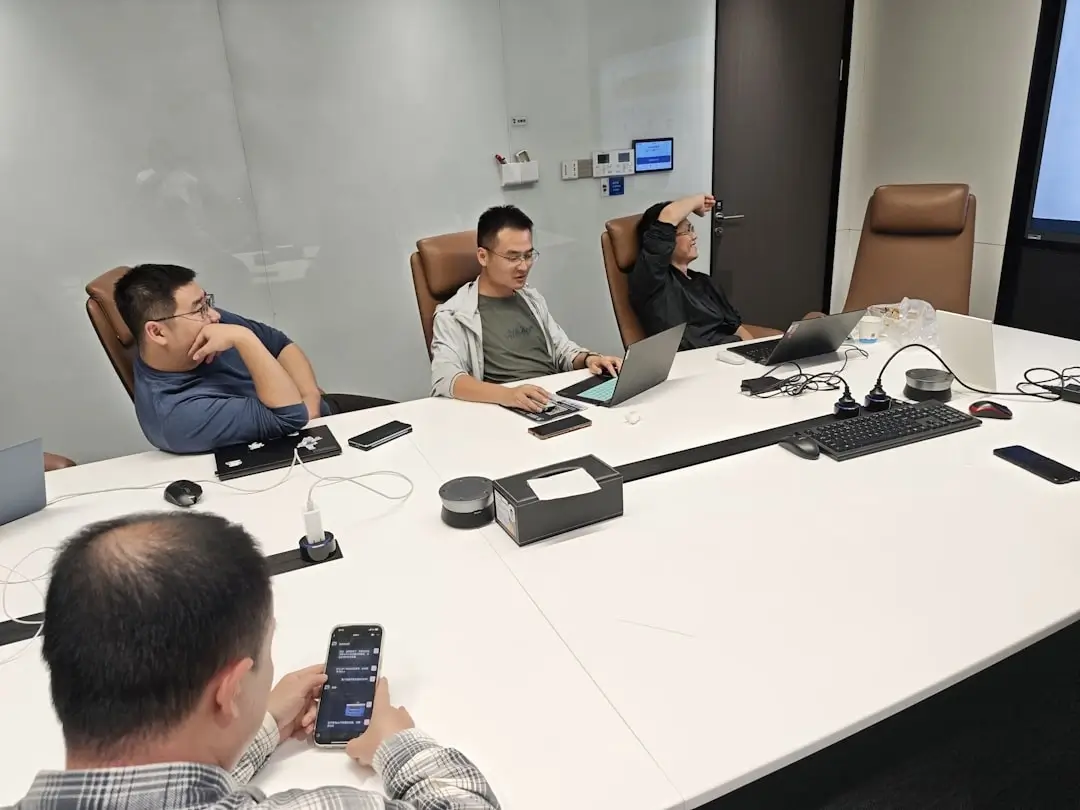
Enhancing Workplace Culture and Employee Satisfaction
A positive workplace culture and high employee satisfaction are invaluable assets for any organization. They contribute directly to employee retention, morale, and overall productivity. Businesses are increasingly recognizing that investing in employee well-being and providing thoughtful amenities can have a profound impact on these crucial aspects. Outsourcing certain services, particularly those that improve daily employee experience, can be a strategic way to foster a more engaging and supportive work environment.
The Role of Workplace Amenities in Employee Well-being
Thoughtful workplace amenities play a significant role in making employees feel valued and comfortable. Beyond basic necessities, perks like a well-stocked breakroom, comfortable common areas, and access to quality refreshments can significantly boost morale. For many, coffee is not just a beverage; it's a ritual, a social lubricant, and a vital part of their workday. Statistics show that 90% of office workers say that coffee is essential to their workday, and offering quality coffee can increase employee productivity by up to 15%. This highlights the immense value of a robust office coffee service.
By outsourcing these amenities, businesses ensure that employees have access to high-quality, diverse options without the internal logistical burden. A professional provider can offer a wide array of choices, from traditional brews to specialty coffees, teas, and healthy snacks, catering to diverse preferences. This attention to detail in providing premium outsourced breakroom services demonstrates a commitment to employee well-being, fostering a sense of appreciation and belonging. It transforms a simple breakroom into a welcoming hub, encouraging informal interactions and collaboration, which are vital components of a vibrant company culture.
Improving Focus with Outsourced Business Services
Distractions are productivity killers. When employees are concerned about the quality of their coffee, or if the breakroom is consistently unstocked, these minor frustrations can accumulate and detract from their focus on work. An outsourced office coffee service, managed by professionals, eliminates these concerns. Employees can trust that their breakroom will be consistently stocked with fresh, high-quality beverages and snacks, allowing them to take a refreshing break without any hassle. This seamless experience reduces small daily stressors and allows employees to return to their tasks feeling refreshed and focused.
Moreover, the act of stepping away from the desk for a quality coffee break can improve cognitive function and reduce mental fatigue. By providing a convenient and pleasant way for employees to recharge, businesses indirectly boost their concentration and efficiency throughout the day. This professional management of non-core amenities ensures that the workplace environment actively supports, rather than hinders, employee productivity and satisfaction. Companies that provide office coffee services report higher employee satisfaction and retention rates, underscoring the direct link between these amenities and a positive work environment.
Frequently Asked Questions about Outsourcing
As businesses explore the strategic advantages of outsourcing, several common questions arise. Understanding these aspects is key to making informed decisions and establishing successful partnerships.
What are the first steps to outsourcing a business function?
Starting on an outsourcing journey requires careful planning. The initial steps involve a thorough needs assessment to identify which functions are truly non-core and could benefit from external management. This involves evaluating current internal processes, identifying pain points, and determining the resources currently allocated to these functions. For example, if your office manager spends a significant portion of their week managing the office coffee supply, from ordering to troubleshooting, this is a clear indicator that the function might be a candidate for outsourcing.
Next, it's crucial to define clear objectives for outsourcing, such as cost reduction, improved service quality, or improved employee satisfaction. Once potential functions are identified, research into reputable providers begins, followed by due diligence. This includes checking references, reviewing service level agreements (SLAs), and understanding their operational capabilities. A well-defined scope of work and clear expectations are paramount from the outset.
How do you choose the right outsourcing partner?
Selecting the right outsourcing partner is critical for the success of the initiative. The choice should extend beyond just cost considerations to encompass several key factors. First, assess their expertise and track record in the specific service area. Do they have a deep understanding of the industry and a proven ability to deliver high-quality results? For an office coffee service, this would mean looking for a provider with a wide range of machine options (traditional, bean-to-cup, single-serve), diverse coffee and tea selections, and robust maintenance support.
Second, consider their reputation and client testimonials. A strong reputation for reliability and customer satisfaction is a good indicator of future performance. Third, evaluate their scalability and flexibility to ensure they can adapt to your evolving business needs. Fourth, assess cultural fit; a partner whose values align with yours can lead to a more harmonious and productive relationship. Finally, carefully review their Service Level Agreements (SLAs) to ensure clear expectations regarding performance metrics, reporting, and dispute resolution.
Can small businesses benefit from outsourcing?
Absolutely. Outsourcing is not exclusively for large corporations; small businesses can reap significant benefits, often even more so due to their limited internal resources. For small businesses, outsourcing can be a highly cost-effective way to access specialized talent and advanced technology that would otherwise be out of reach. It allows them to "punch above their weight" by leveling the playing field with larger competitors.
For instance, a small office might struggle to manage a sophisticated office coffee service internally due to budget constraints or lack of dedicated staff. Outsourcing this function provides access to premium machines and a wide selection of beverages without the need for a large capital outlay or hiring an additional employee. This allows small businesses to offer attractive employee perks, improve operational efficiency, and focus their lean teams on core business growth, proving that outsourcing offers scalable solutions that can be custom to businesses of all sizes.
Conclusion: A Strategic Imperative for Modern Business
In an increasingly competitive and rapidly evolving business landscape, the strategic advantage offered by outsourcing key services is becoming a strategic imperative rather than just an option. As we've explored, this approach goes far beyond simple cost reduction, encompassing a holistic range of benefits that drive efficiency, foster innovation, and improve employee satisfaction.
By entrusting non-core functions—from IT support to the provision of a premium office coffee service—to specialized external partners, businesses can sharpen their strategic focus, mitigate risks, and gain access to unparalleled expertise. This agility allows organizations to adapt quickly to market changes, scale operations seamlessly, and ultimately achieve sustainable growth. The emphasis on employee well-being, exemplified by a well-managed breakroom, directly translates into higher morale and increased productivity, making the workplace a more attractive and engaging environment.
The future of work demands business agility and a keen understanding of where internal resources are best deployed. Outsourcing empowers businesses to concentrate on what they do best, while ensuring that all supporting functions are handled with professional excellence. It is a testament to smart management and a forward-thinking approach, positioning businesses for long-term success and resilience in the modern era.
Business Outstanders brings you sharp insights on tech, business, entrepreneurship, law, crypto, and more. We uncover what’s next. Stay updated, sign up for our newsletter and be part of the future!