Introduction
The rapid growth of urban populations and industries has drastically increased the amount of waste produced in daily life Waste generation is no longer limited to residential households but also includes commercial and industrial outputs Modern lifestyles filled with disposable goods packaged products and fast moving consumer items have contributed to a significant increase in waste streams These challenges have created an urgent need for efficient waste management solutions that can protect public health preserve natural resources and maintain clean environments One of the most essential components of this system is a reliable garbage collection service that ensures waste is removed safely and efficiently from communities
Modern waste challenges are complex and multifaceted Improper disposal can lead to polluted waterways contaminated soil foul odors and widespread health risks Waste management now involves advanced technologies strategic planning public awareness and sustainable practices that work together to reduce the environmental impact of discarded materials
The Importance of Waste Management
Effective waste management is vital for healthy communities Without proper handling waste accumulates in streets homes and public areas, leading to infestations of pests and the spread of harmful bacteria Landfills overflow and greenhouse gas emissions increase when waste is not properly sorted or recycled Communities that invest in proper waste systems experience cleaner surroundings healthier citizens and more sustainable ecosystems Proper waste management reduces environmental pollution conserves resources and supports public safety by keeping harmful materials away from humans and wildlife
Changing Nature of Modern Waste
Waste today is far more diverse than in previous generations Modern waste includes plastics electronics hazardous materials packaging and industrial by products The rise of electronic waste has created new challenges because devices often contain toxic substances that require specialized disposal Single use plastics are another major concern as they take hundreds of years to decompose and frequently end up in oceans or rivers causing damage to wildlife and ecosystems These evolving waste streams require innovative approaches and strong collaboration between households, businesses and local authorities to manage materials responsibly
Public Awareness and Waste Reduction
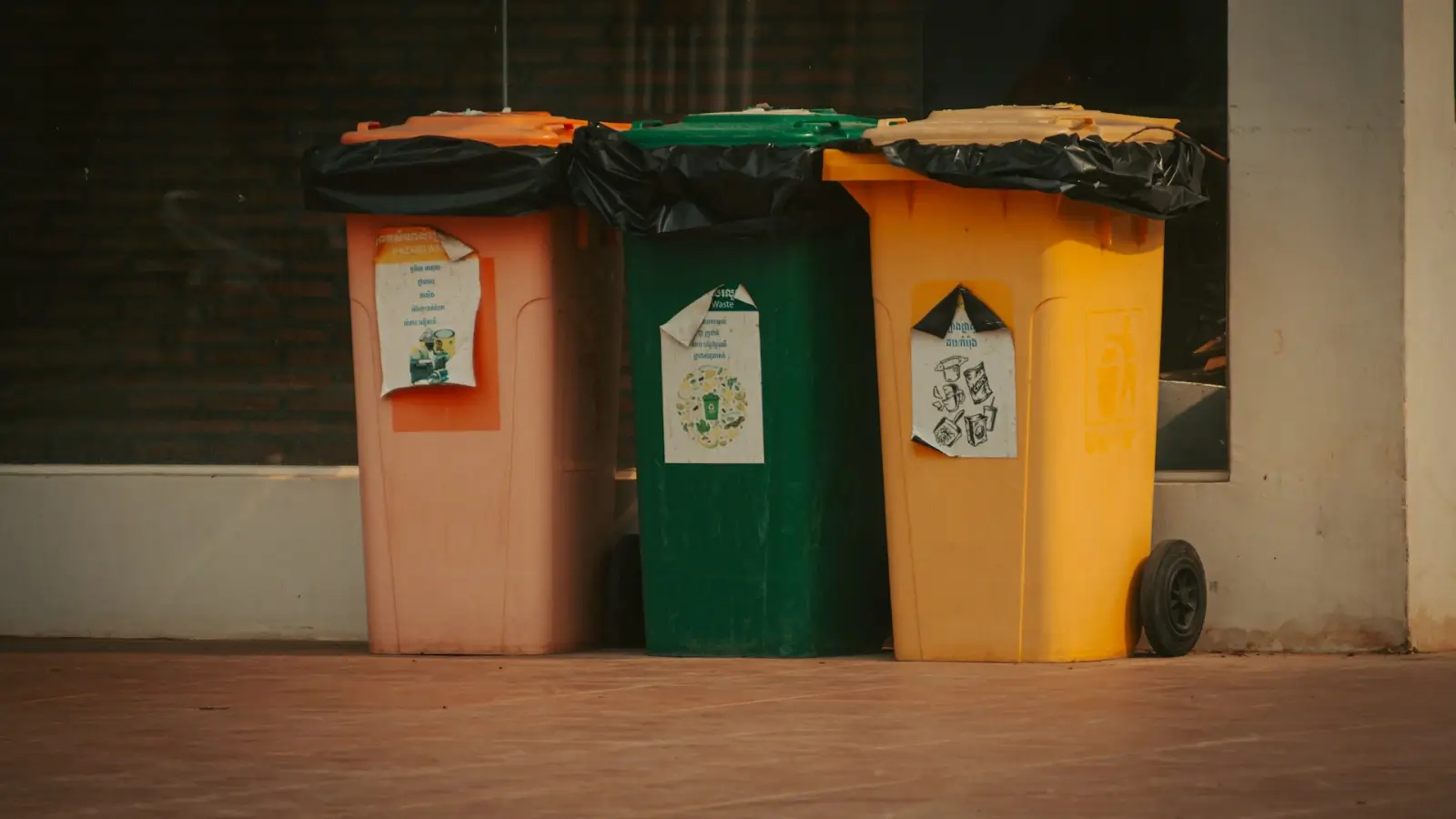
Public participation is a critical factor in reducing waste and improving efficiency in recycling and disposal programs People must understand how to separate recyclables compostable materials and hazardous waste Educational initiatives such as community workshops awareness campaigns and digital guides help citizens adopt environmentally friendly habits Waste segregation at the source increases recycling rates reduces landfill contributions and ensures safe handling of hazardous items Individuals who practice responsible waste disposal contribute to cleaner streets healthier neighborhoods and a more sustainable environment
Technological Innovations in Waste Management
Technology has transformed waste handling into a more efficient, eco friendly and data driven system Smart bins equipped with sensors alert collection teams when they are full reducing unnecessary trips and operational costs GPS enabled collection vehicles optimize routes, saving fuel and minimizing carbon emissions AI powered sorting machines improve recycling accuracy while composting technologies convert organic materials into nutrient rich soil Waste to energy plants process non recyclable materials into energy which reduces reliance on traditional energy sources These technological advancements make waste systems faster, safer and more environmentally sustainable
The Role of Garbage Collection Services
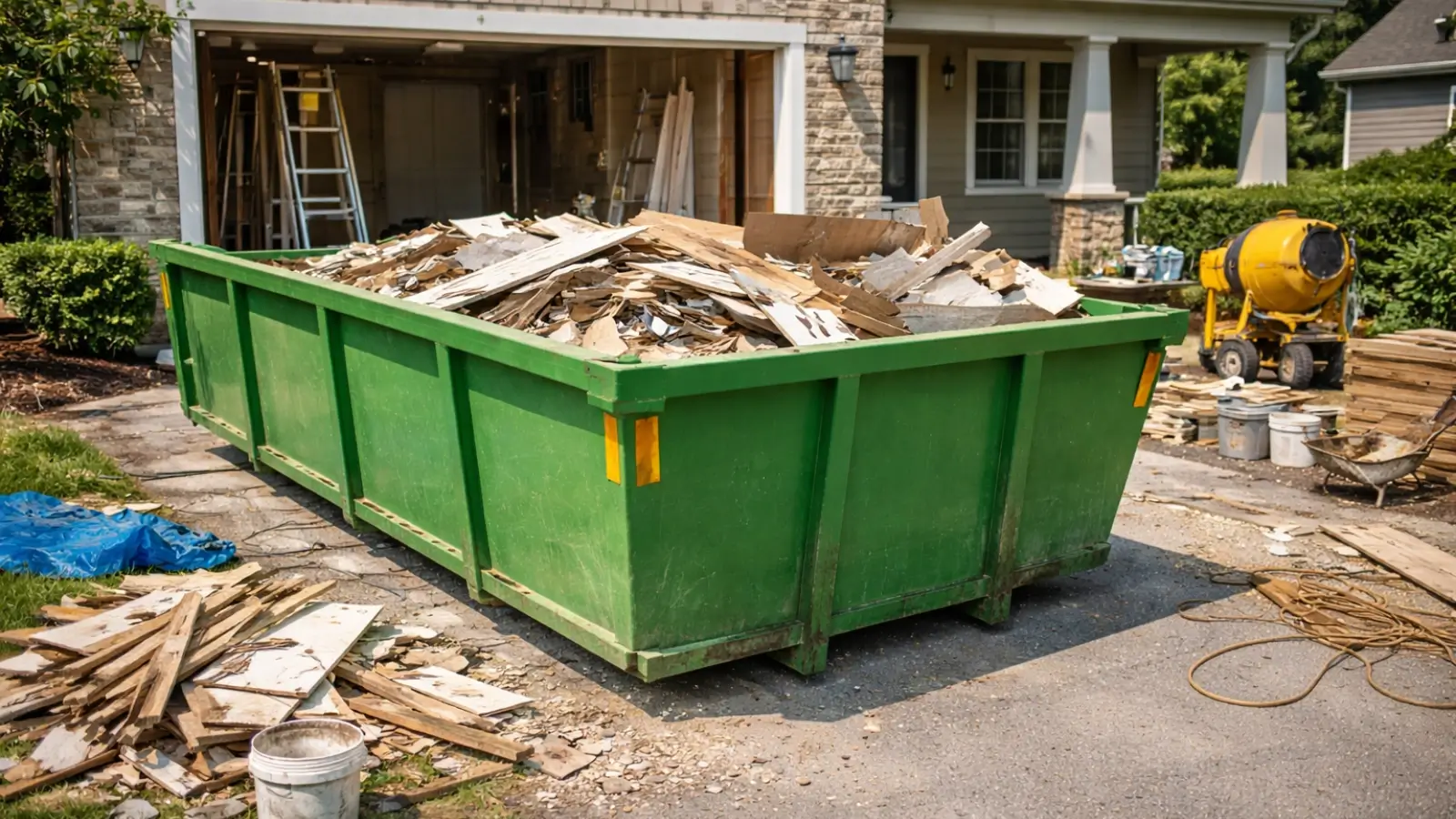
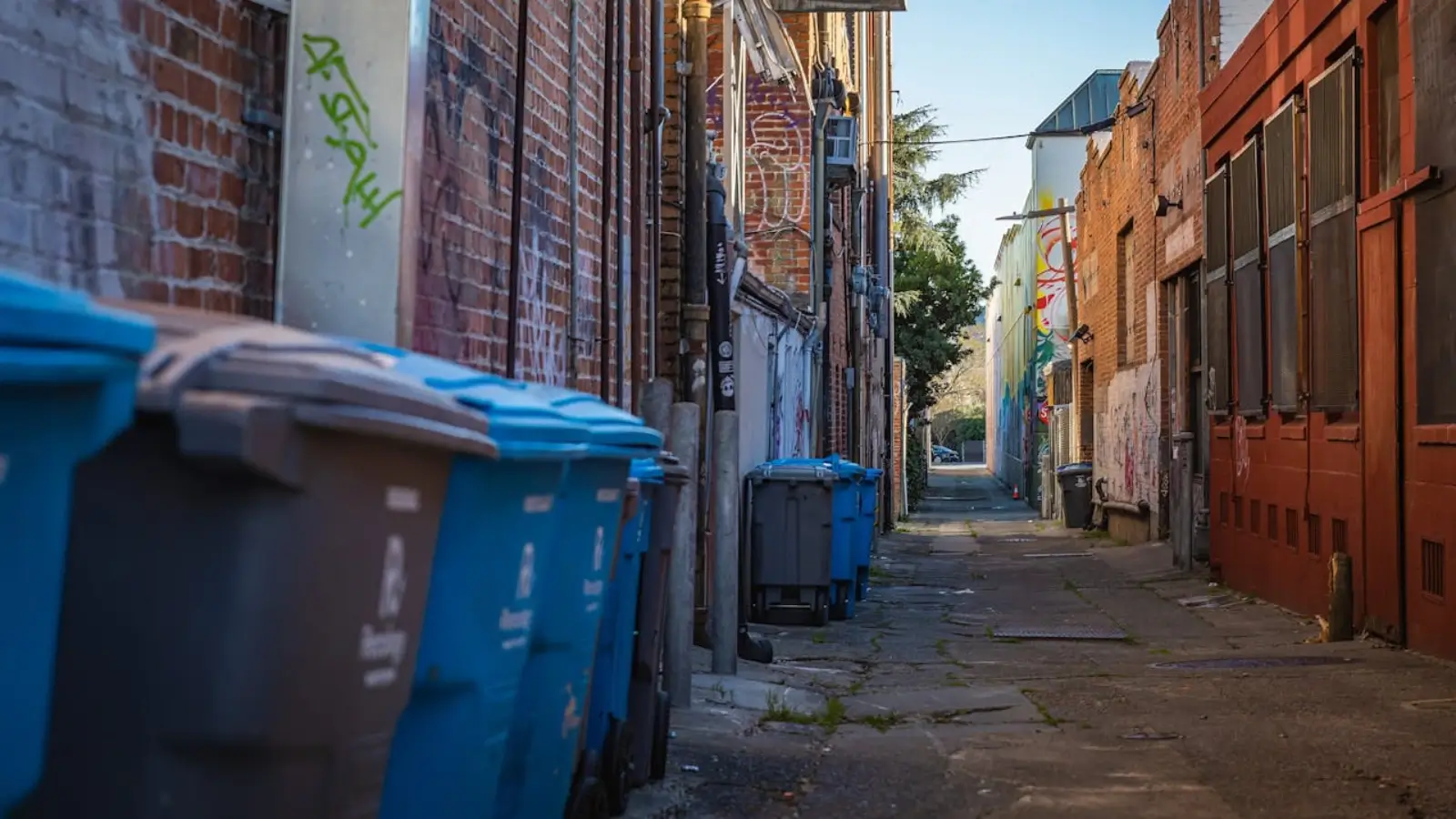
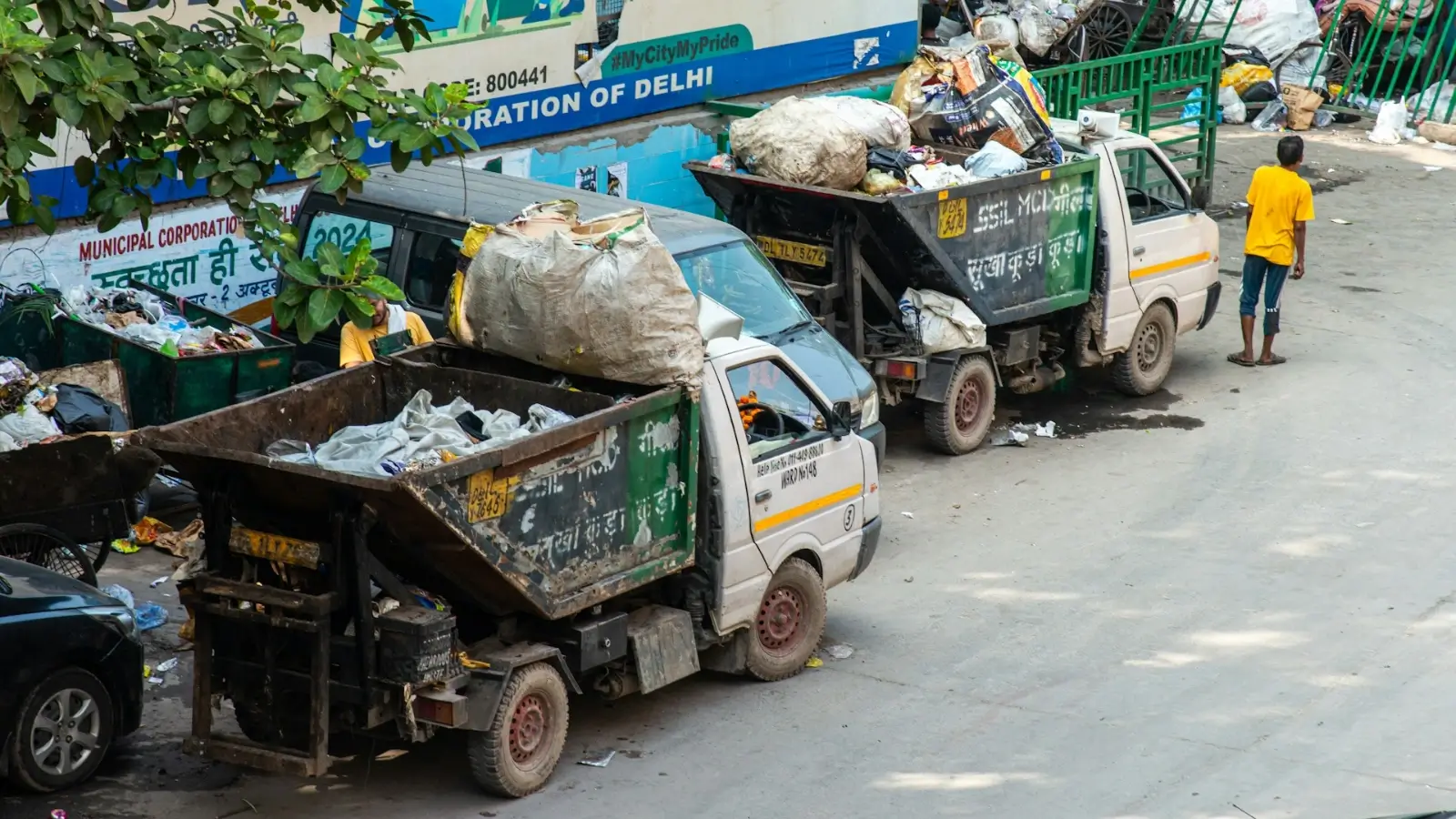
At the heart of every effective waste system is a dependable garbage collection service Without consistent collection even the best recycling or composting efforts would fail Collection services ensure timely removal of waste from residential areas commercial spaces and public places Proper collection prevents accumulation of trash which reduces odors pest infestations and health risks Collection workers use specialized vehicles follow optimized routes and ensure that waste reaches recycling and disposal facilities safely Communities benefit from organized collection systems through cleaner neighborhoods, better public health, and more efficient recycling processes
Commercial Waste and Environmental Impact
Businesses generate large volumes of waste including food scraps paper plastics packaging and industrial materials If not managed properly commercial waste contributes significantly to environmental pollution unpleasant odors and potential health hazards Restaurants offices retail stores and manufacturing units all require customized waste strategies Waste audits scheduled pickups and recycling programs help businesses minimize environmental impact and improve compliance with health regulations Businesses that adopt responsible waste practices reduce costs, improve workplace safety and support sustainable initiatives in their community
Sustainability Through Recycling
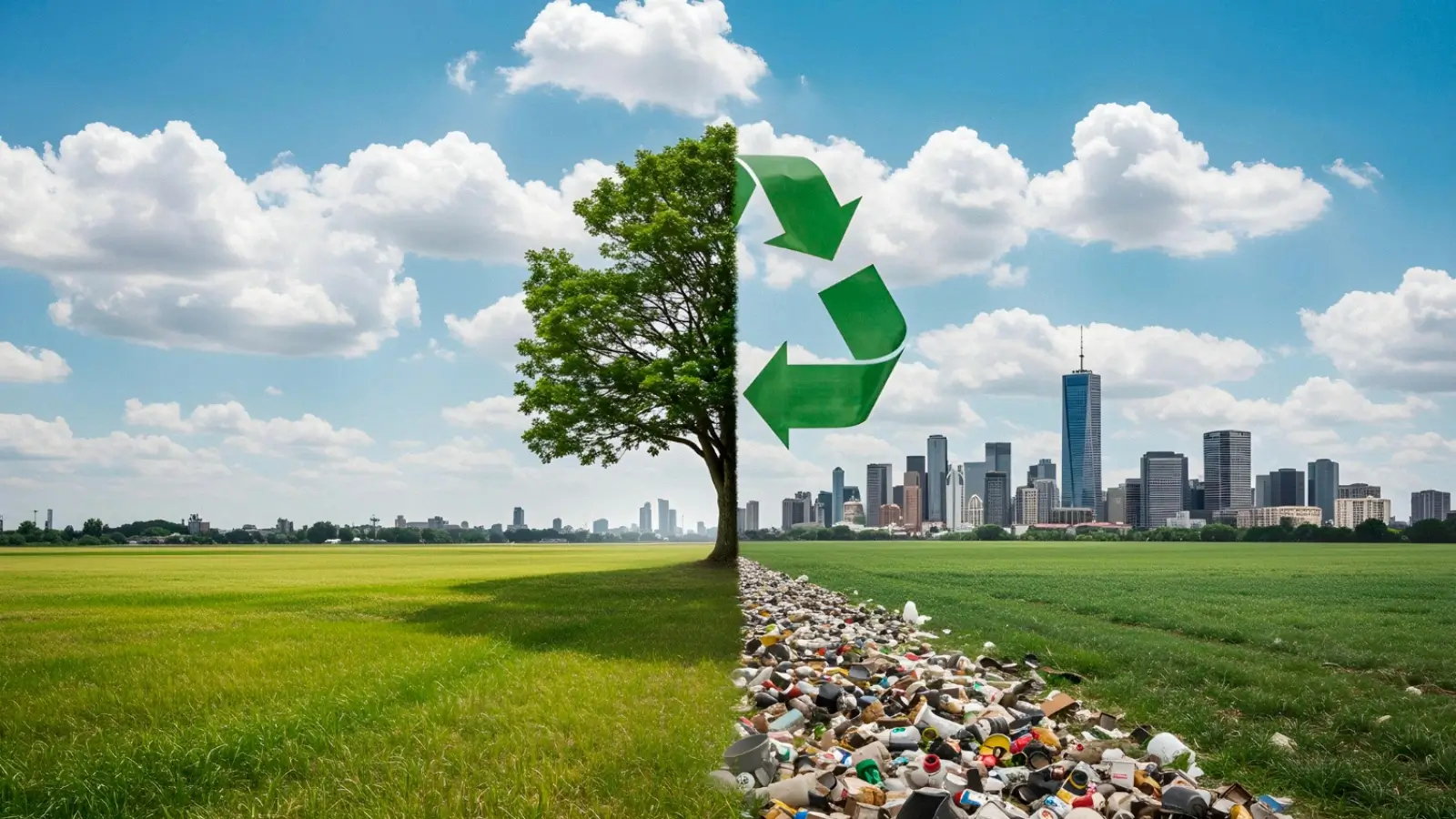
Recycling is one of the most effective methods to reduce environmental damage Recycling conserves natural resources, saves energy, and reduces the amount of waste sent to landfills Materials such as paper, glass, metals, and certain plastics can be repurposed into new products Recycling programs create jobs, support manufacturing industries, and encourage environmentally conscious habits among citizens Communities that actively participate in recycling initiatives decrease pollution and promote a culture of sustainability
Composting and Organic Waste Management
Organic waste such as food scraps, yard clippings, and biodegradable materials can be composted into nutrient rich soil Composting reduces landfill contributions, lowers greenhouse gas emissions, and provides valuable resources for gardening and agriculture Community composting programs and household composting systems transform organic waste into soil that improves plant growth and supports sustainable agriculture Composting also closes the natural nutrient cycle and reduces dependence on chemical fertilizers by returning nutrients back to the environment
Government Policies and Regulations
Government policies and regulations play a vital role in shaping effective waste systems Environmental laws enforce proper disposal prevent illegal dumping restrict hazardous materials and set standards for recycling Compliance ensures public safety and environmental protection Policies also incentivize businesses and communities to adopt sustainable practices Governments run awareness campaigns and provide guidelines that promote responsible waste behavior and foster long term environmental sustainability
Community Engagement and Responsibility
Communities are essential partners in successful waste management initiatives Citizen participation enhances recycling, reduces littering, and encourages sustainable consumption Community clean up drives, educational programs, and public campaigns create awareness and foster a culture of responsibility Individual actions such as reusing materials, reducing single use products, and making environmentally conscious choices collectively contribute to cleaner surroundings, better public health, and sustainable waste reduction
The Circular Economy and Waste Minimization
The circular economy focuses on keeping resources in use for as long as possible through reuse, repair, refurbishment, and recycling This approach contrasts with the traditional take, make, dispose model By designing products that are recyclable and durable, industries reduce waste generation and conserve natural resources Consumers are encouraged to support products that align with circular economy principles Waste becomes a resource rather than a burden, supporting environmental and economic sustainability
Economic Benefits of Waste Management Systems
Modern waste management provides economic advantages by generating employment in collection, sorting, processing, recycling, and composting industries Waste to energy initiatives supply electricity from non recyclable materials Businesses save costs through efficient waste handling Reduced pollution and cleanup costs also contribute to local economic growth By transforming waste into resources communities can support sustainable industries and create new economic opportunities while protecting the environment
Enhancing Quality of Life Through Clean Environments
Clean neighborhoods and public spaces improve quality of life Communities that maintain organized waste systems experience reduced health risks, increased aesthetic appeal, and stronger civic pride Clean environments promote outdoor activities, mental well being, and social cohesion Effective waste management, supported by reliable garbage collection service, ensures that trash does not accumulate, streets remain clean, and public spaces are safe and inviting
Current Challenges in Waste Systems
Despite technological advances and awareness initiatives challenges persist Improper segregation of waste, limited infrastructure, rapid urban population growth, and illegal dumping hinder waste management effectiveness Overcoming these challenges requires collaboration between government agencies, private companies, and the public By investing in infrastructure, public education, and sustainable policies, communities can create more effective, resilient waste systems
The Future of Waste Management
The future of waste management lies in innovation, education, and shared responsibility Advances in technology, stronger policies, and greater public involvement are key to creating cleaner and healthier environments Communities must continue to embrace sustainable practices, reduce consumption, support recycling, and value natural resources With collective effort society can move toward a world where waste is minimized, ecosystems are protected, and environmental balance is restored Learn more about efficient solutions through a trusted.
Conclusion
Modern waste management is central to creating sustainable, healthy, and organized communities Technological innovations, public awareness, government policies, and dedicated services like a reliable garbage collection service in Kingston form the backbone of these systems By encouraging responsible behavior, embracing recycling and composting, and integrating sustainable practices communities can ensure cleaner environments, conserve resources, and protect the planet for future generations
Business Outstanders brings you sharp insights on tech, business, entrepreneurship, law, crypto, and more. We uncover what’s next. Stay updated, sign up for our newsletter and be part of the future!