Efficient and responsible waste management has become an essential consideration for both residential and commercial projects, as well as for construction and renovation activities of all sizes. Traditional waste disposal methods, such as curbside pickup or multiple trips to the landfill, can be time-consuming, inconvenient, and costly. For projects that generate significant amounts of debris, dumpster rentals offer an effective solution that simplifies the entire process, allowing homeowners, business owners, and contractors to manage waste efficiently while adhering to safety and environmental standards. This comprehensive guide explores everything you need to know about dumpster rentals, including their types, advantages, cost considerations, proper usage, and essential tips for maximizing their benefits, providing a complete resource for anyone seeking reliable waste management solutions.
Understanding Dumpster Rentals
At its core, a dumpster rental is a service that provides a large container, delivered to a specific location, to collect and remove waste efficiently. These containers are available in a variety of sizes to accommodate projects ranging from small home cleanouts to large construction sites, and they can handle a wide range of waste types, including general household trash, construction debris, yard waste, and recyclable materials. Unlike traditional trash collection methods, dumpster rentals eliminate the need for repeated trips to disposal sites, making them both convenient and practical for projects of any scale.
The primary appeal of dumpster rentals is their flexibility and adaptability. They can be rented for a single day, a week, or even longer periods depending on the needs of the project. Delivery and pickup are coordinated by the rental company, which significantly reduces the logistical burden on the client. Whether it is clearing out old furniture, disposing of renovation debris, or managing waste on a construction site, dumpster rentals provide a reliable and efficient way to handle large volumes of material while ensuring compliance with local waste disposal regulations.
Types of Dumpster Rentals
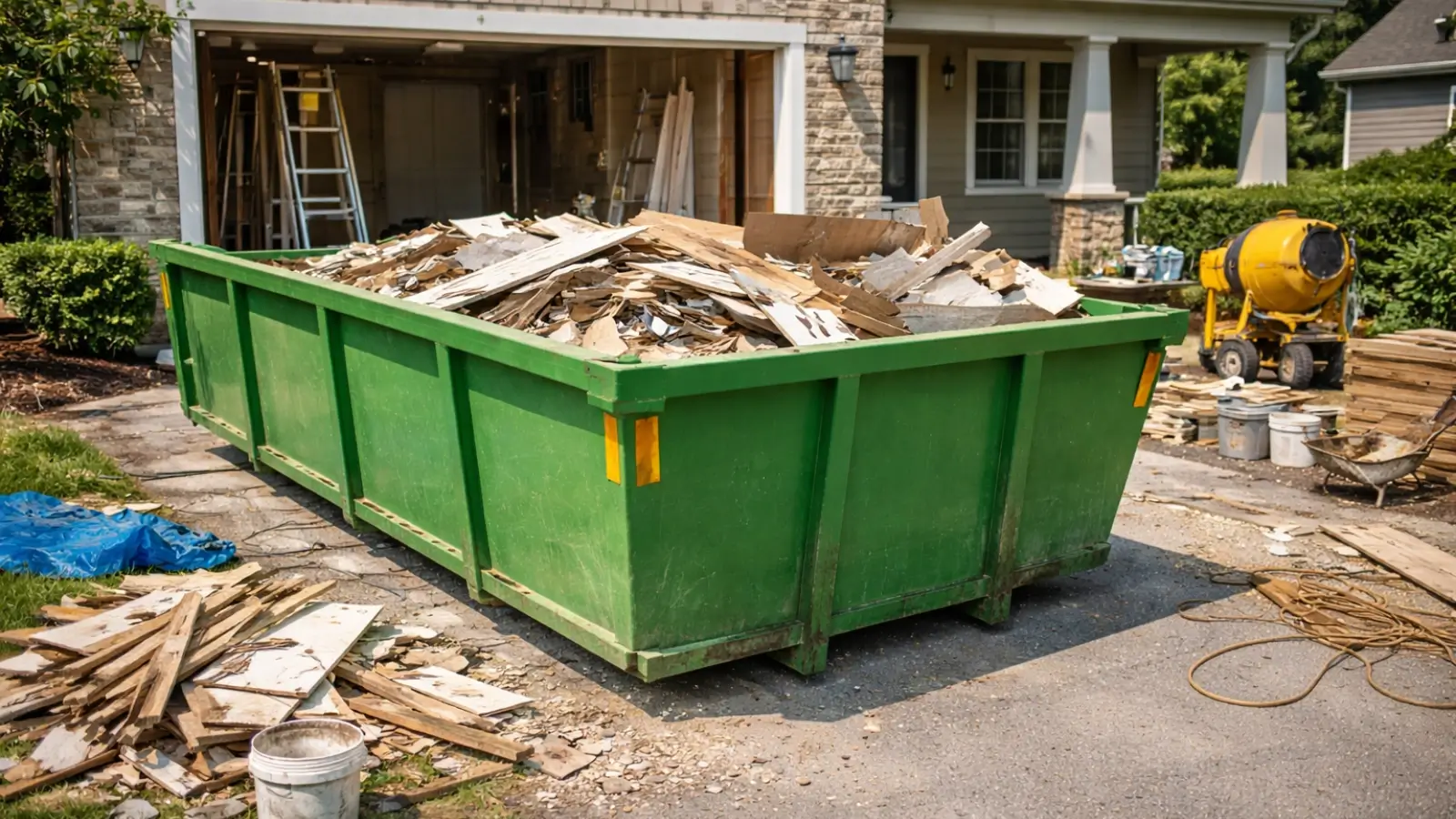
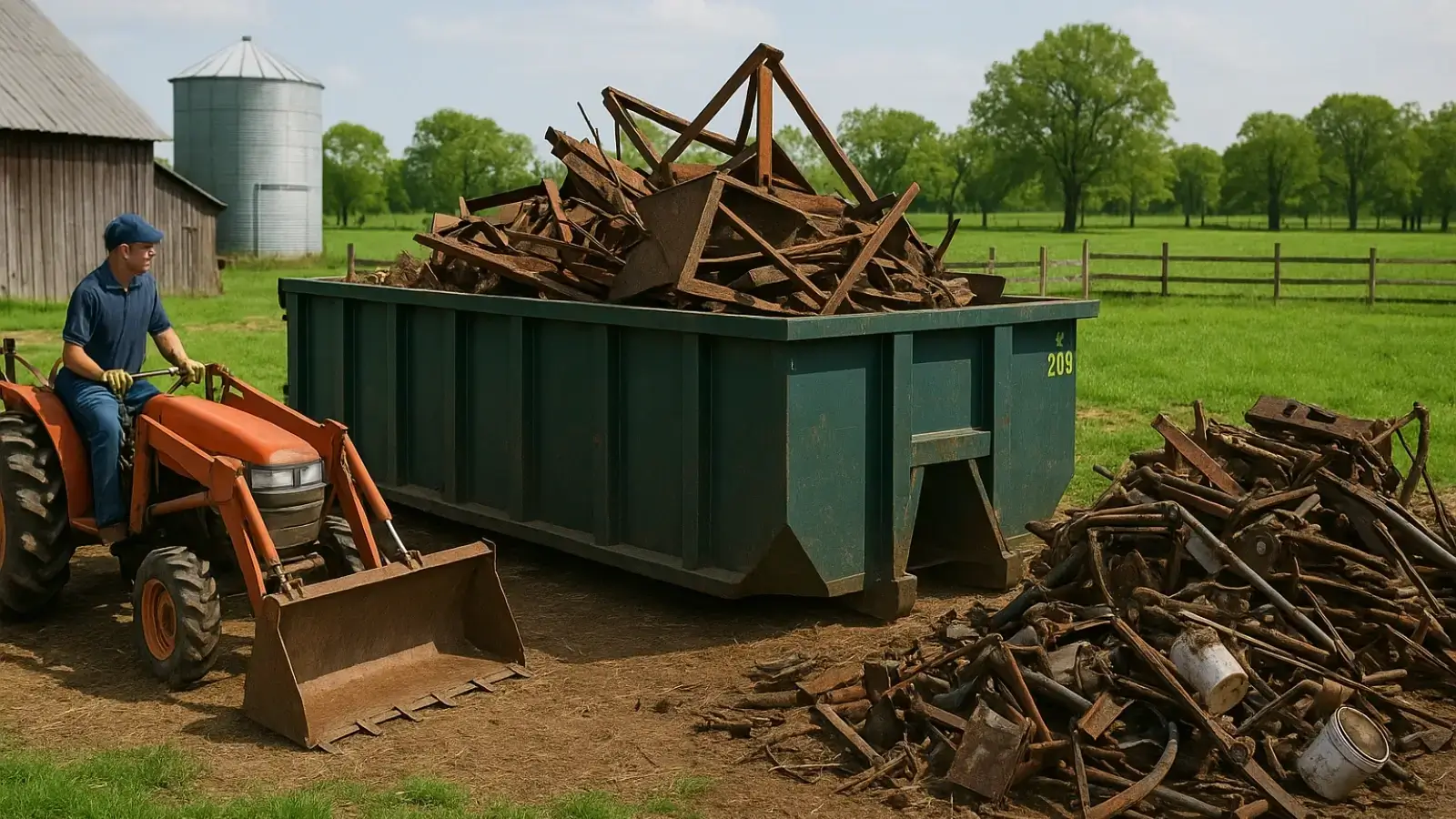
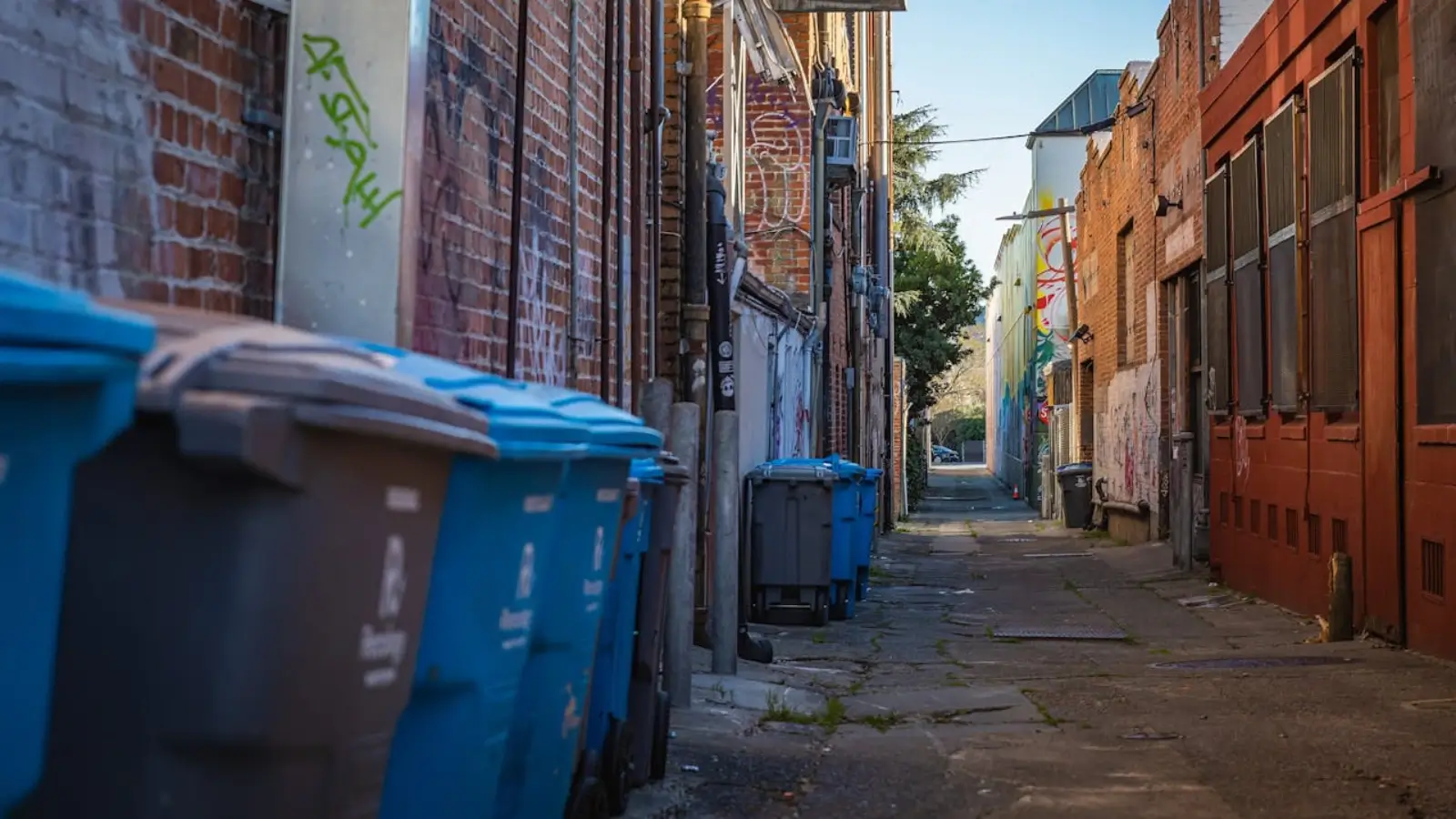
When considering dumpster rentals, it is important to understand the different types of containers available, as selecting the right dumpster is critical for ensuring efficiency and cost-effectiveness. Roll-off dumpsters are among the most common options for large projects, especially construction and demolition sites. These dumpsters are delivered by specialized trucks and come in sizes ranging from 10 to 40 cubic yards, accommodating substantial amounts of debris and allowing contractors to consolidate waste into a single container. For businesses or commercial establishments with regular waste disposal needs, front-load dumpsters are often more suitable. These dumpsters are designed to be emptied frequently by municipal waste trucks and are ideal for ongoing operations that generate moderate amounts of waste on a daily basis.
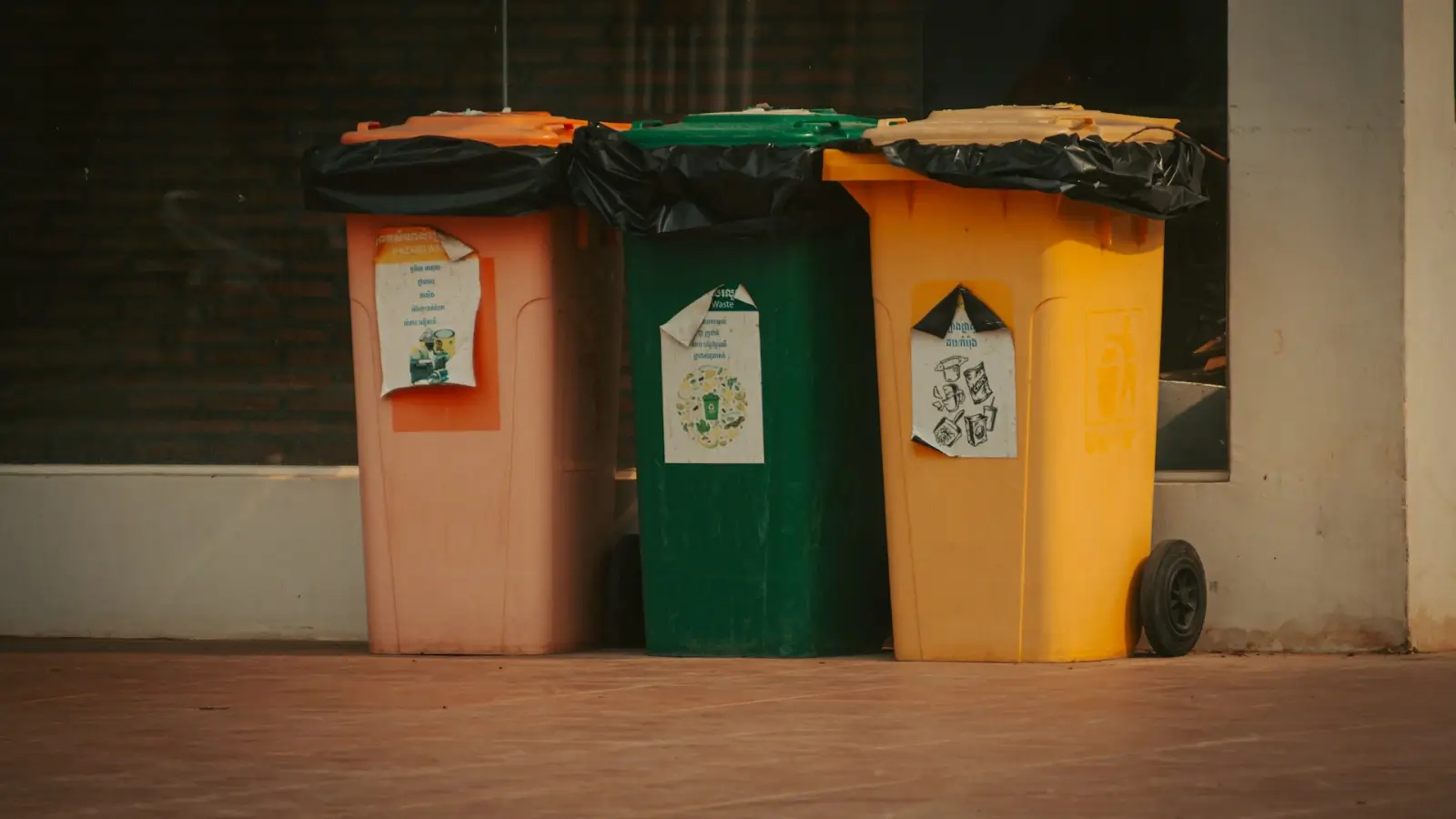
Recycling dumpsters are another important category, designed to facilitate the separation and proper disposal of recyclable materials such as cardboard, metal, wood, and certain plastics. These dumpsters support environmentally responsible practices and help reduce landfill waste. Specialty dumpsters are tailored to specific types of materials, including concrete, asphalt, or hazardous substances, ensuring compliance with legal disposal requirements. Understanding the types of dumpster rentals available helps clients select the container that best aligns with the volume and type of waste generated by their particular project.
Advantages of Dumpster Rentals
The advantages of using dumpster rentals extend far beyond convenience. One of the most significant benefits is the time saved, as a single rental can replace numerous trips to local landfills or transfer stations. This allows project managers, contractors, and homeowners to focus on the primary objectives of their projects without being slowed down by waste management logistics. Cost-effectiveness is another notable advantage. While there is an upfront fee associated with renting a dumpster, this cost is typically offset by the savings in labor, transportation, and landfill fees. In many cases, renting a dumpster is far more economical than attempting to manage large quantities of waste using traditional methods.
Safety is another critical benefit. Construction sites and renovation projects can generate debris that poses hazards, including sharp materials, dust, and bulky objects that could cause accidents or injuries. By consolidating waste into a dumpster, these hazards are minimized, creating a safer environment for workers and homeowners alike. Additionally, environmentally conscious individuals and organizations benefit from the fact that many dumpster rental companies prioritize recycling and responsible disposal. Materials such as metal, wood, cardboard, and certain plastics can be separated and processed, reducing the environmental footprint of the project and promoting sustainability. Finally, dumpster rentals offer unmatched versatility. No matter the size, scope, or type of project, there is a rental option that can meet specific needs, whether it is a small residential cleanout or a large-scale commercial construction initiative.
Factors to Consider Before Renting a Dumpster
Before arranging dumpster rentals, it is essential to carefully consider several factors that influence both cost and effectiveness. First and foremost is the size of the dumpster. Selecting the correct size requires an accurate estimate of the amount of waste your project will generate. Renting a container that is too small may lead to overfilling and additional charges, while renting an excessively large container can result in unnecessary expenses. Secondly, the type of waste must be considered. Certain materials, such as hazardous chemicals, electronics, or construction debris, may have specific disposal requirements. It is crucial to confirm that the rental company can accommodate these materials and adhere to applicable disposal regulations.
The rental period is another important consideration. While most companies offer flexible rental periods, it is advisable to determine how long the dumpster will be needed and confirm any fees associated with extended rental times. Local regulations and ordinances may also affect dumpster placement, weight limits, and prohibited materials, making it essential to review these requirements prior to renting a container. Finally, the pricing structure should be carefully evaluated. Dumpster rental fees often include delivery, pickup, weight limits, and additional charges for certain types of waste or excess weight. Comparing multiple companies and understanding the full scope of fees helps ensure that the rental is both economical and appropriate for the project’s needs.
Best Practices for Using Dumpster Rentals
Maximizing the efficiency of dumpster rentals requires careful planning and organization. Before the dumpster arrives, it is important to evaluate the location where it will be placed, ensuring there is adequate space for delivery and pickup trucks. Loading the dumpster strategically is also essential. Heavier items should be placed at the bottom, while lighter and bulkier materials should be layered on top to optimize space and prevent overloading. Separating materials for recycling can further enhance the environmental benefits of the rental, while adherence to all guidelines regarding prohibited items and weight limits ensures compliance and avoids additional fees.
Proper planning also involves coordinating the timing of dumpster delivery and pickup with the progress of the project. By scheduling rentals to match project milestones, clients can avoid unnecessary delays or extended rental periods. Regular monitoring of the dumpster’s contents helps prevent overfilling and ensures that the container is being used efficiently. Following these best practices allows individuals and organizations to make the most of their dumpster rentals, ensuring smooth operations and responsible waste management throughout the duration of the project.
Common Pitfalls to Avoid
While dumpster rentals are generally straightforward, there are several common mistakes that should be avoided to ensure a hassle-free experience. Selecting the wrong size container is one of the most frequent errors, as it can result in unexpected charges or insufficient capacity. Ignoring local regulations or placement restrictions can lead to fines or delays, particularly in urban areas with strict zoning or street use rules. Another common issue is mixing prohibited or hazardous materials with general waste, which can create safety risks and may result in additional disposal fees. By taking the time to plan carefully, understand local regulations, and communicate clearly with the rental company, these pitfalls can be avoided, allowing the project to proceed smoothly and efficiently.
Conclusion
Dumpster rentals provide a practical, efficient, and cost-effective solution for managing waste across a wide range of projects, from residential cleanouts to large-scale construction and renovation activities. By understanding the different types of dumpsters, their benefits, proper usage practices, and factors that influence pricing and compliance, individuals and organizations can make informed decisions that save time, reduce costs, enhance safety, and promote environmentally responsible disposal practices. Renting a dumpster simplifies the waste management process, allowing project managers, contractors, and homeowners to focus on the core objectives of their projects rather than being burdened by logistical challenges. Whether the goal is to complete a home renovation, clear out accumulated debris, or manage a construction site efficiently, dumpster rentals are a reliable and versatile solution that meets the needs of virtually any project. By selecting the appropriate dumpster size, adhering to best practices, and avoiding common pitfalls, users can maximize the benefits of this service, resulting in a cleaner, safer, and more organized work environment while supporting sustainable waste management initiatives.
Business Outstanders brings you sharp insights on tech, business, entrepreneurship, law, crypto, and more. We uncover what’s next. Stay updated, sign up for our newsletter and be part of the future!