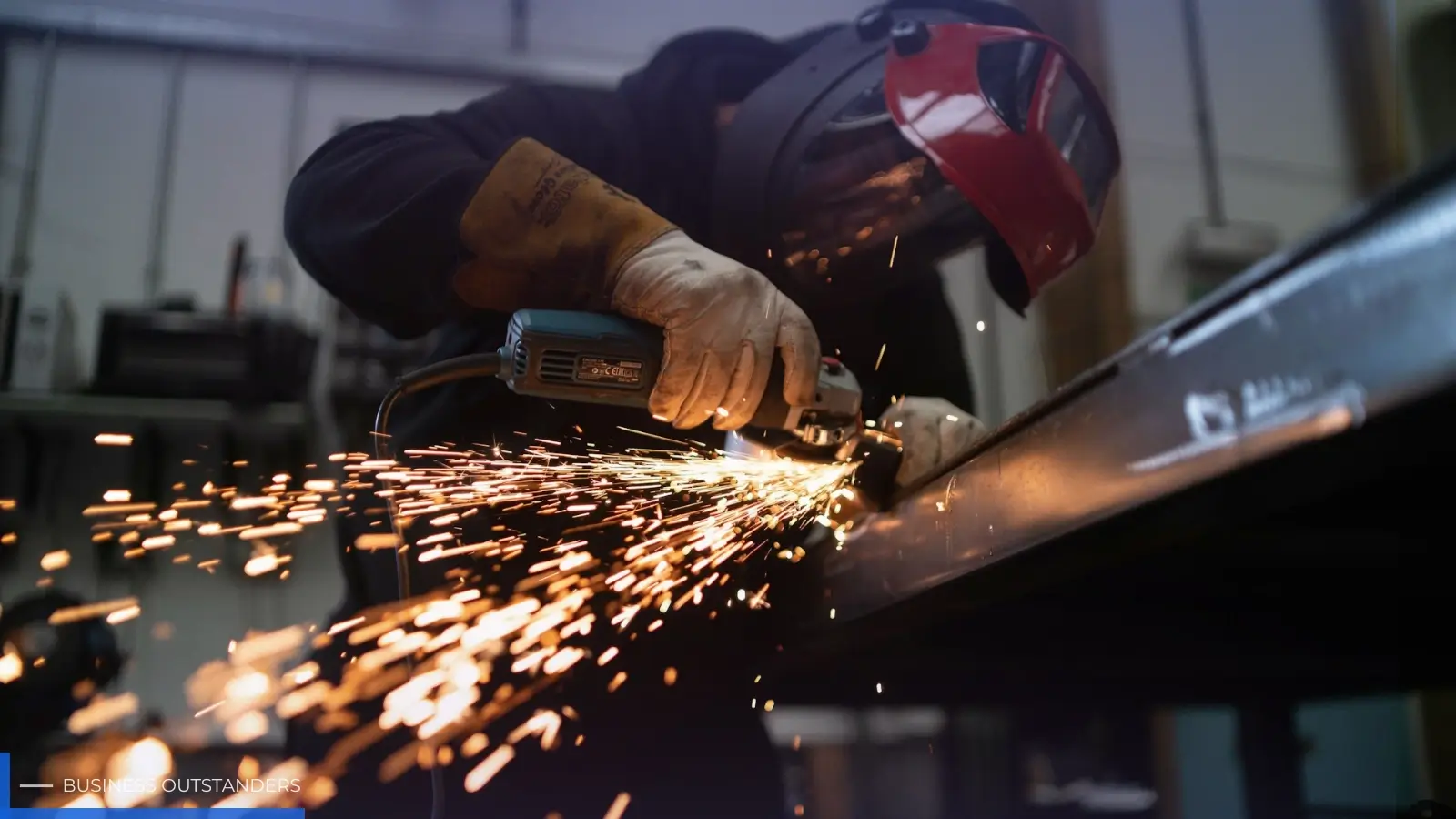
Workplace safety has come a long way from a few warning signs, a high-vis jacket and the occasional reminder not to leave boxes in the corridor. Today, forward-thinking companies are taking a much more proactive approach, designing workplaces where safety is built into the environment from the very beginning.
It is not just about ticking compliance boxes either. A safer workplace can improve confidence, productivity and staff wellbeing, while also reducing the risk of accidents, disruption and expensive downtime.
Designing Out Everyday Hazards
One of the smartest things a business can do is prevent hazards rather than simply reacting to them.
That means looking closely at how people actually move through a workplace. Are there awkward steps, exposed pipes, trailing cables or areas where staff regularly need to climb over obstacles? Could a small design change make a frequently used route safer?
In industrial and commercial settings, practical access solutions can make a big difference. Specialist equipment, such as the access platforms available from keesystems.com, can help workers move safely over low-level obstacles without relying on improvised or potentially risky alternatives.
The key is to consider real working habits rather than designing a space that only looks good on paper.
Making Safety Part of the Layout
Forward-thinking companies are also putting more thought into workplace layouts.
Clear walkways, designated storage areas and well-planned access routes can all reduce unnecessary risks. In busy warehouses, factories and workshops, separating pedestrian routes from moving machinery or vehicles can be particularly important.
Even simple choices can help. Good lighting makes hazards easier to spot, while clear signage helps visitors and employees understand how they should move around unfamiliar areas.
A well-designed workplace should feel intuitive. People should not have to constantly stop and work out where they are allowed to walk or how they can safely access a particular area.
Listening to the People Doing the Job
One of the best sources of safety advice is often the workforce itself.
Employees working in an environment every day will usually notice problems that are easy for managers or designers to miss. Perhaps a piece of equipment is difficult to reach, a walkway becomes slippery in certain conditions or staff regularly take a shortcut because the official route is impractical.
Encouraging employees to report these issues can help businesses identify risks before they lead to accidents.
Using Technology More Effectively
Technology is also playing a growing role in workplace safety. Sensors can monitor environmental conditions, digital reporting systems can make it easier to flag hazards and wearable technology can help businesses understand how employees interact with their surroundings.
However, technology works best when it supports sensible workplace design rather than replacing it.
Creating a Culture That Takes Safety Seriously
Ultimately, the safest workplaces combine good design with a strong safety culture.
Employees need proper training, managers need to take concerns seriously and equipment should be regularly inspected and maintained. Most importantly, businesses should see safety as an ongoing process.
Workplaces change. New machinery arrives, teams grow and working practices evolve. Forward-thinking companies regularly review their environments and make adjustments when necessary.
By designing safety into everyday operations, businesses can create workplaces that do more than meet minimum requirements. They can build environments where people feel confident, supported and able to focus on doing their jobs well.
Business Outstanders brings you sharp insights on tech, business, entrepreneurship, law, crypto, and more. We uncover what’s next. Stay updated, sign up for our newsletter and be part of the future!