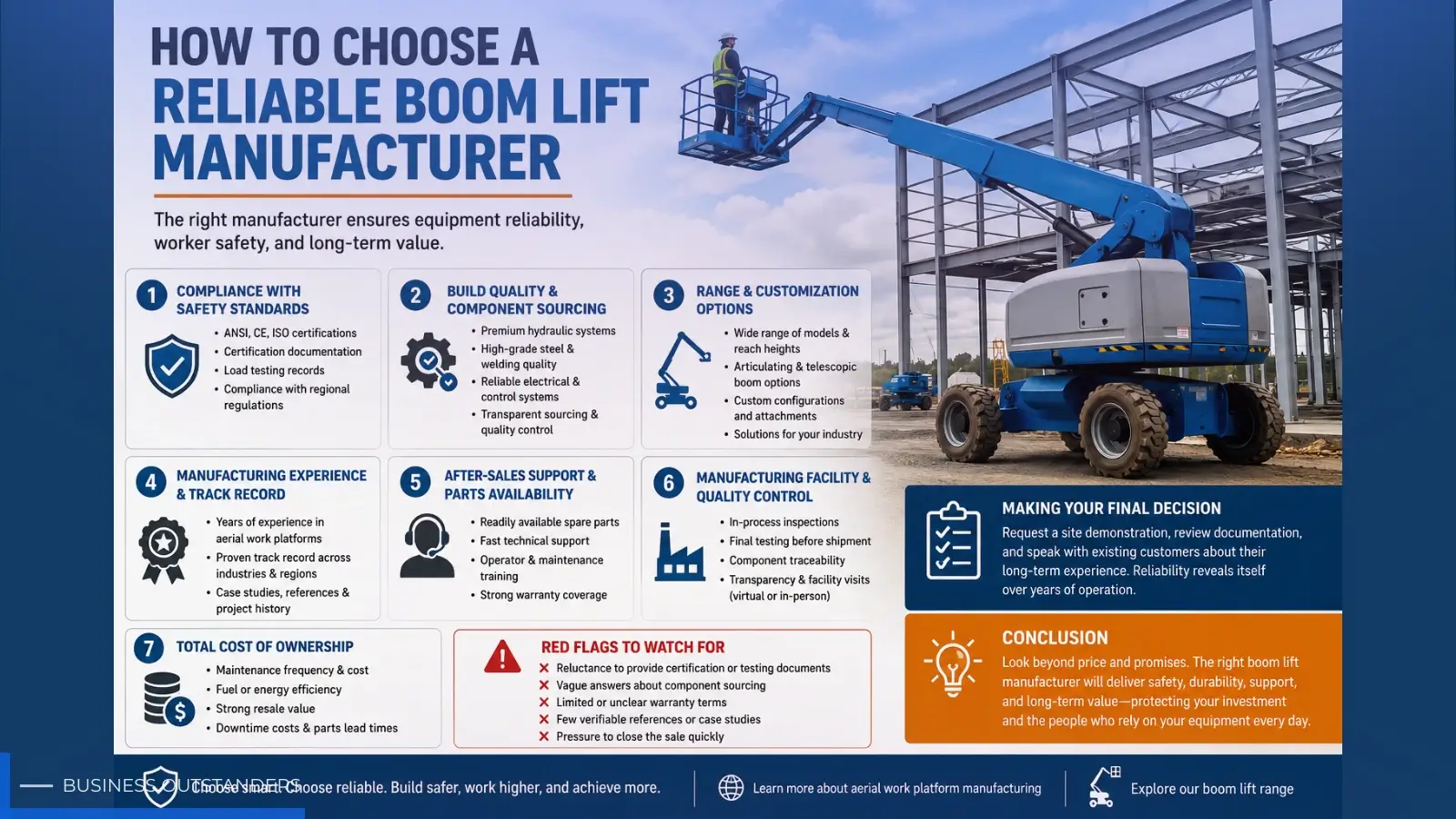
A boom lift is a significant capital investment, and its reliability directly affects worker safety, project timelines, and your bottom line. Yet with so many manufacturers competing on price and marketing claims, it can be difficult to separate genuinely reliable equipment providers from those cutting corners. This guide outlines the practical criteria that matter most when evaluating a boom lift manufacturer.
Why Manufacturer Selection Matters More Than It Seems
Unlike many pieces of equipment, aerial work platforms operate at height, often in demanding site conditions, with worker safety directly dependent on mechanical reliability. A boom lift failure isn't just a costly repair — it's a potential safety incident. That makes manufacturer due diligence far more important than it might be for lower-risk equipment purchases.
Factor 1: Compliance with Safety Standards
Before anything else, confirm that the manufacturer's boom lifts comply with relevant international and regional safety standards, such as ANSI, CE, or ISO certifications depending on your operating region. Reliable manufacturers will readily provide:
- Certification documentation
- Load testing records
- Compliance with regional regulatory requirements for aerial work platforms
Be cautious of manufacturers who are vague or evasive about certification details — this is often an early warning sign of quality shortcuts elsewhere.
Factor 2: Build Quality and Component Sourcing
A boom lift's long-term reliability depends heavily on the quality of its core components:
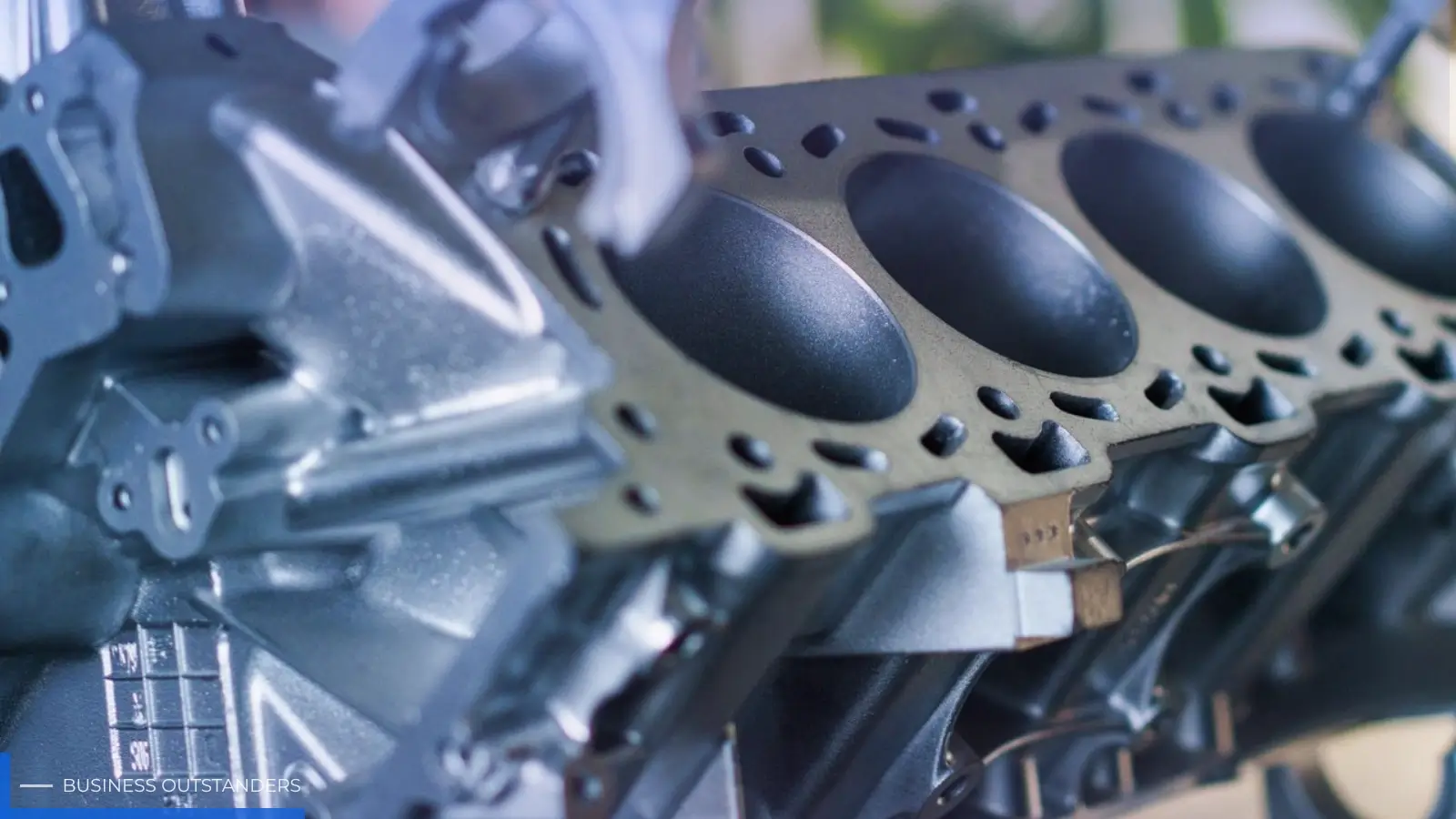
- Hydraulic systems — Reputable manufacturers source hydraulic pumps, cylinders, and valves from established, quality-tested suppliers rather than the cheapest available option.
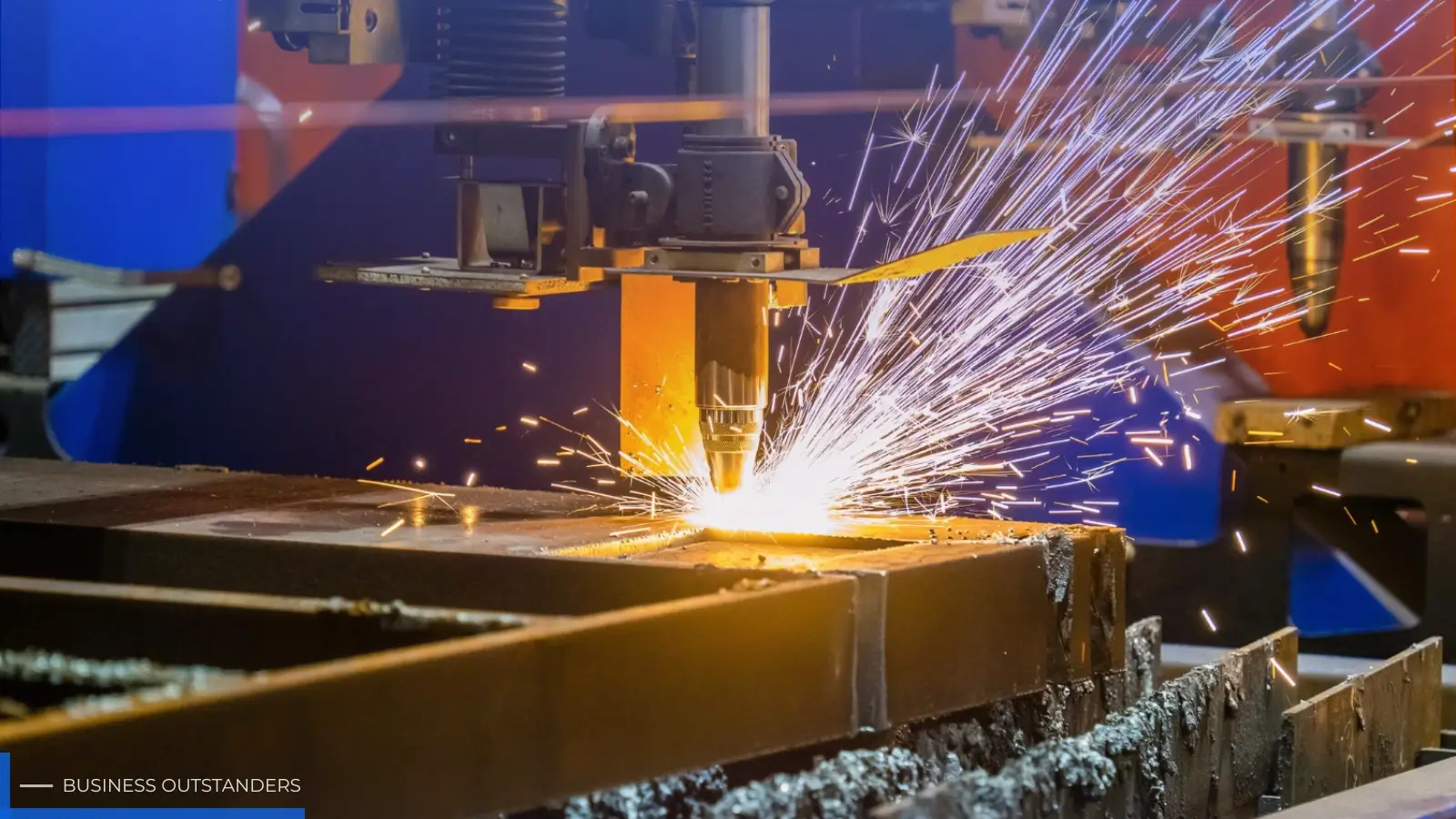
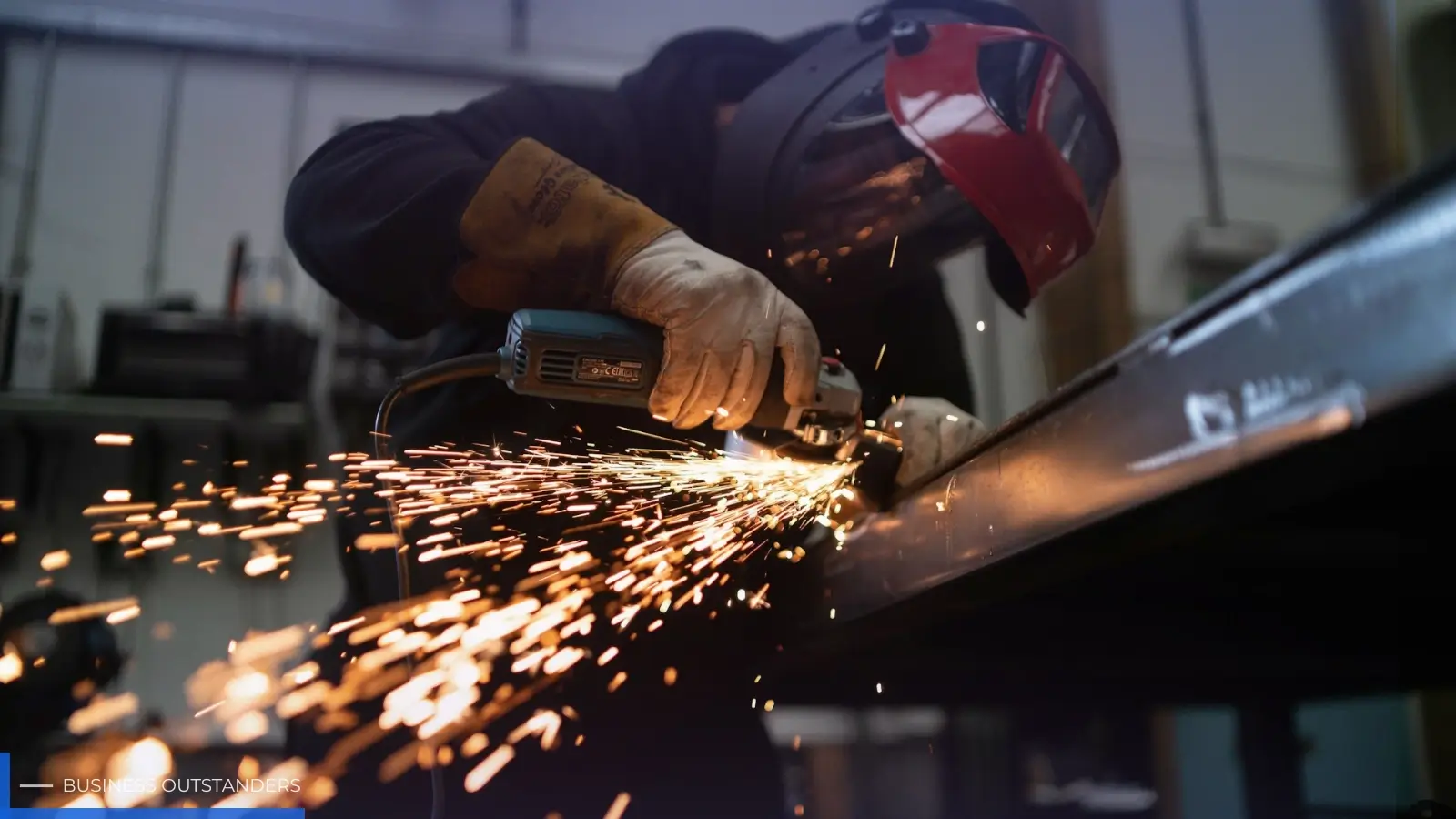
- Structural steel and welding quality — Look for manufacturers with documented quality control processes for structural components, since this directly affects load capacity and long-term durability.
- Electrical and control systems — Reliable wiring, sensors, and control interfaces reduce downtime from electrical faults, a common source of aerial platform malfunctions.
Ask manufacturers about their component sourcing and quality control processes directly — a transparent answer is a good sign; deflection is not.
Factor 3: Range and Customization Options
Different job sites call for different reach heights, platform capacities, and terrain capabilities. A manufacturer offering a genuinely diverse product range — articulating booms, telescopic booms, and various platform heights — signals engineering depth rather than a single design stretched across multiple marketing categories.
Consider whether the manufacturer can also accommodate customization needs, such as specialized platform configurations or attachments suited to your specific industry (construction, warehousing, utility maintenance, etc.).
Factor 4: Manufacturing Experience and Track Record
Experience isn't everything, but it does matter in heavy equipment manufacturing, where design flaws often only reveal themselves after years of field use. Look into:
- How long the manufacturer has been producing aerial work platforms specifically (not just heavy equipment in general)
- Whether they have a documented track record of successful installations across various industries and regions
- Available case studies, client references, or verifiable project history
Factor 5: After-Sales Support and Parts Availability
Even the best-built boom lift will eventually need maintenance or replacement parts. Before purchasing, evaluate:
- Spare parts availability and lead times — Manufacturers with strong parts logistics minimize equipment downtime.
- Technical support responsiveness — Test this before purchase by contacting their support team with technical questions and gauging the depth and speed of their response.
- Training resources — Does the manufacturer provide operator and maintenance training materials or programs?
- Warranty terms — Comprehensive warranty coverage signals manufacturer confidence in their own build quality.
Factor 6: Manufacturing Facility and Quality Control Transparency
Where possible, ask about (or request to visit, virtually or in person) the manufacturer's production facility. Reliable manufacturers are generally willing to demonstrate their quality control processes, including:
- In-process inspection procedures
- Final testing protocols before shipment
- Traceability of components and materials used
A manufacturer confident in their processes will welcome this scrutiny rather than avoid it.
Factor 7: Total Cost of Ownership, Not Just Purchase Price
The cheapest boom lift on the market isn't necessarily the most cost-effective over its operational life. Factor in:
- Expected maintenance frequency and cost
- Fuel or energy efficiency (for engine-powered units)
- Resale value, which is often stronger for well-regarded manufacturers
- Downtime costs associated with parts availability and service response time
Red Flags to Watch For
- Reluctance to provide certification or testing documentation
- Vague answers about component sourcing
- Limited or unclear warranty terms
- Few verifiable references or case studies
- Pressure tactics to close a sale quickly without allowing due diligence
Making Your Final Decision
Once you've evaluated manufacturers against these criteria, request a site demonstration if possible, and speak directly with existing customers about their long-term experience — not just their initial purchase impression. Reliability tends to reveal itself over years of operation, so seek out feedback from buyers with equipment that's been in service for a while.
If you're currently researching manufacturers, it's worth reviewing what established providers in the aerial equipment space offer. You can learn more about aerial work platform manufacturing, or explore a dedicated boom lift range engineered for safety, durability, and job site versatility.
Conclusion
Choosing a reliable boom lift manufacturer requires looking well beyond price and marketing claims. By scrutinizing safety compliance, component quality, manufacturing track record, and after-sales support, buyers can identify manufacturers genuinely committed to long-term reliability — protecting both their investment and, more importantly, the safety of the workers who operate this equipment daily.
Business Outstanders brings you sharp insights on tech, business, entrepreneurship, law, crypto, and more. We uncover what’s next. Stay updated, sign up for our newsletter and be part of the future!