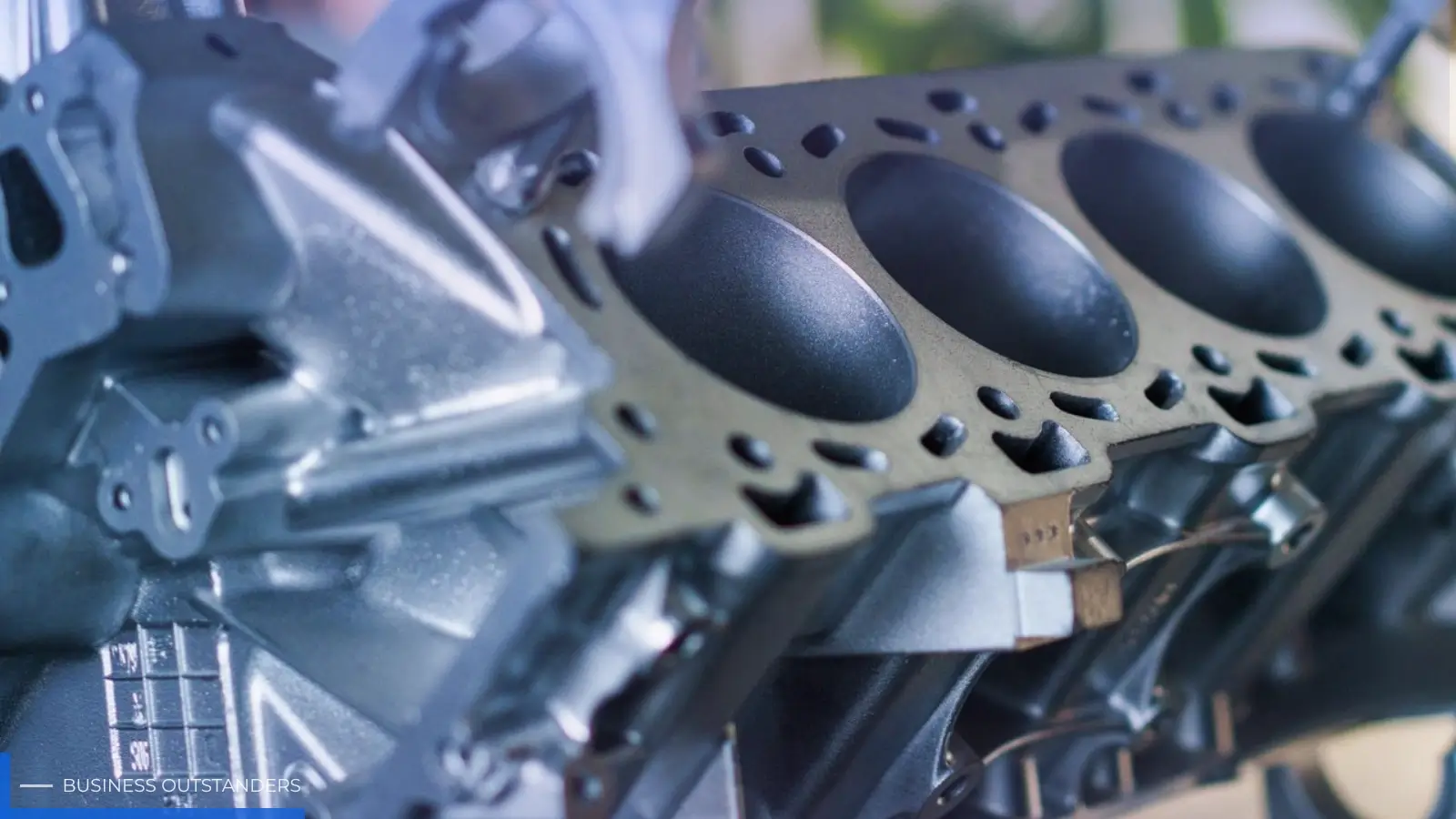
Cylinder sleeves are critical components in commercial diesel engines, directly affecting engine durability, heat transfer efficiency, lubrication performance, and overhaul costs. Whether used in trucks, construction machinery, agricultural equipment, marine engines, or generator sets, the right cylinder sleeve selection helps maintain stable operation under high loads and long working cycles.
For engine manufacturers, repair companies, and fleet operators, choosing suitable sleeves requires more than matching dimensions. Material properties, operating conditions, machining accuracy, and compatibility with other engine components all influence long-term performance.
Understand Engine Operating Conditions
The first step in selecting cylinder sleeves is evaluating the actual working environment of the diesel engine. Commercial engines often operate under continuous loads, frequent starts and stops, high temperatures, and variable fuel conditions.
Heavy-duty applications such as mining equipment or construction machinery usually require sleeves with high wear resistance and strong thermal stability. Marine engines may require enhanced corrosion resistance to withstand humid conditions and salt-laden marine environments.
Meanwhile, generator engines operating for long periods require consistent dimensional stability to reduce maintenance frequency.
Understanding engine duty cycles, power output, cooling methods, and expected service hours helps determine the most suitable sleeve design.
Select the Right Cylinder Sleeve Material
Material selection directly influences wear resistance, heat dissipation, and service life. Gray cast iron remains widely used for diesel engine sleeves because it provides good machinability, vibration absorption, and wear resistance.
For higher-load applications, alloy cast iron or specially treated materials can provide improved hardness and resistance against scuffing. Some commercial engines require materials with enhanced corrosion resistance or better performance under extreme temperature changes.
The material should match the engine's operating requirements rather than simply focusing on initial cost. A lower-cost sleeve may lead to faster wear, increased oil consumption, and more frequent engine downtime.
Choose Between Wet and Dry Cylinder Sleeves
Commercial diesel engines commonly use two main sleeve structures: wet sleeves and dry sleeves.
Dry cylinder sleeves are installed inside the engine block and transfer heat through the surrounding material. They are commonly used in smaller engines requiring compact design and easy maintenance.
Wet cylinder sleeves directly contact engine coolant through an external water jacket, improving cooling efficiency and simplifying replacement during rebuilding. They are widely used in heavy-duty diesel engines for handling higher thermal loads.
The choice between wet and dry designs depends on engine structure, cooling requirements, maintenance plans, and manufacturer specifications.
Check Dimensional Accuracy and Surface Quality
Precision is essential when selecting cylinder sleeves for commercial diesel engine projects. Incorrect dimensions can cause poor piston movement, uneven wear, excessive oil consumption, and reduced compression efficiency.
Key specifications include:
- Inner diameter tolerance
- Outer diameter accuracy
- Roundness and cylindricity
- Surface roughness
- Sleeve length and flange dimensions
The internal surface finish is especially important because it affects piston ring seating and lubrication retention. A properly finished sleeve helps reduce friction and improves combustion efficiency.
Working with an experienced cylinder sleeve manufacturer can help ensure consistent dimensions, reliable quality control, and compatibility with different engine models.
Consider Compatibility with Engine Components
Cylinder sleeves do not work independently. They must match pistons, piston rings, cylinder blocks, and cooling systems.
Before purchasing, engineers should confirm:
- Engine model and application requirements
- Piston diameter and ring specifications
- Cooling system design
- Installation method
- Required service standards
For replacement and remanufacturing projects, accurate matching is particularly important because older engines may have different specifications from current production models.
Evaluate Supplier Capability and Customization Options
For commercial engine projects, suppliers should provide more than standard replacement parts. Many applications require customized dimensions, special materials, or specific surface treatments.
A reliable supplier should have capabilities in casting, machining, heat treatment, inspection, and batch production. These processes are essential for producing consistent Precision Mechanical Parts that meet demanding engine requirements.
Quality inspection procedures such as dimensional testing, hardness testing, and surface inspection help prevent failures during engine operation.
Balance Performance and Total Cost
The lowest purchase price does not always represent the best solution for commercial diesel engines. A high-quality cylinder sleeve can reduce replacement frequency, minimize engine downtime, and improve overall equipment efficiency.
When evaluating options, consider the complete lifecycle cost, including installation, maintenance intervals, fuel efficiency, and expected operating hours.
For fleet operators and industrial equipment users, investing in durable cylinder sleeves can significantly improve engine reliability and reduce long-term operating expenses.
Conclusion
Selecting the right cylinder sleeve for commercial diesel engine projects requires careful evaluation of operating conditions, material performance, sleeve structure, dimensional accuracy, and supplier capability. A properly selected sleeve improves engine durability, reduces maintenance requirements, and supports reliable performance across demanding applications.
Business Outstanders brings you sharp insights on tech, business, entrepreneurship, law, crypto, and more. We uncover what’s next. Stay updated, sign up for our newsletter and be part of the future!