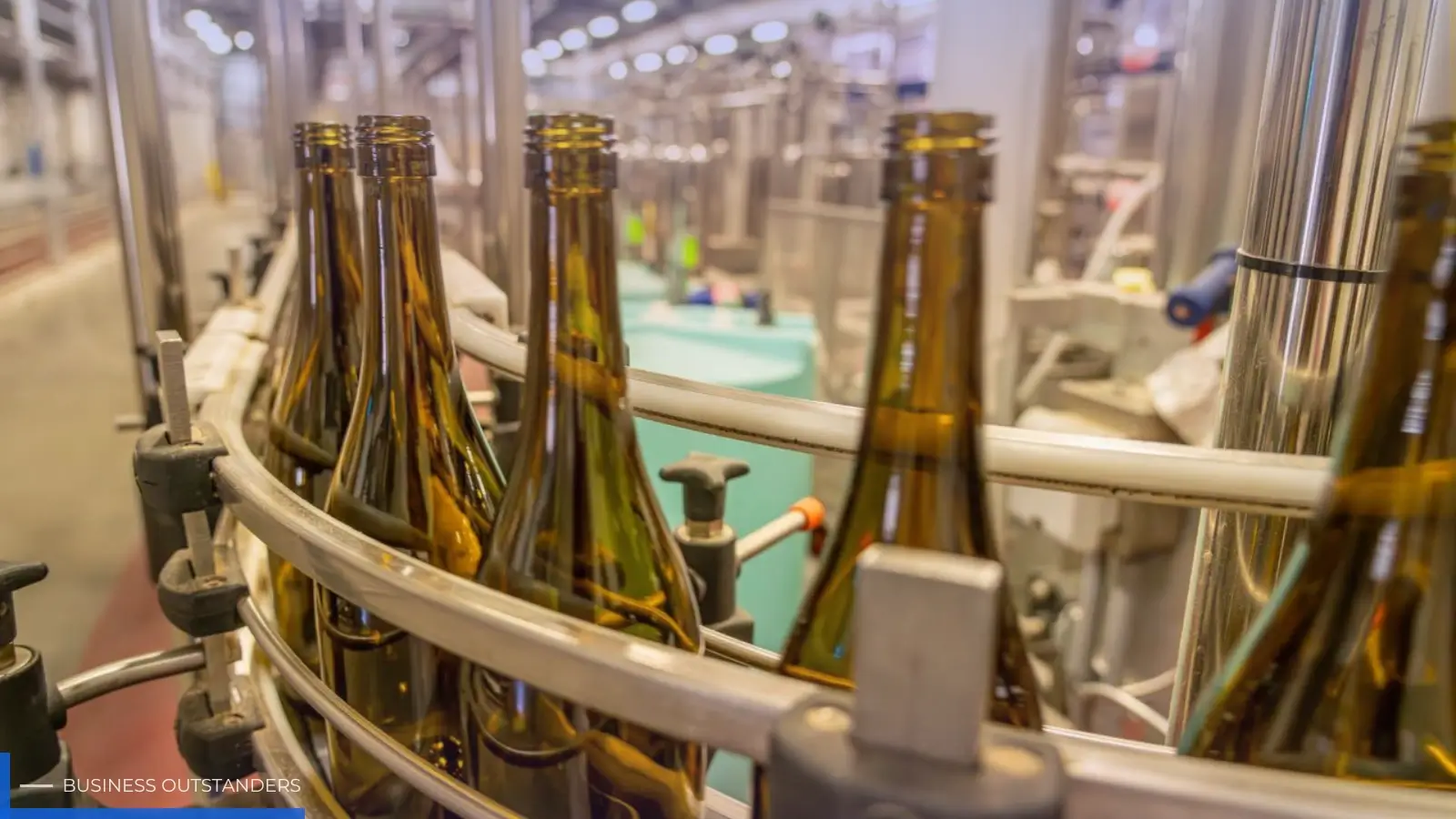
As beverage brands grow, production decisions become more complex. A company that once relied on small batches may suddenly need to supply supermarkets, distributors, restaurants, or overseas customers. At this stage, one of the most important questions is whether to continue using a contract bottler or invest in an in-house production line.
Both approaches can support growth, but they involve different costs, risks, and levels of control. The right choice depends on order volume, available capital, product variety, quality requirements, and long-term business goals.
What Is Contract Bottling?
Contract bottling means outsourcing beverage production and packaging to a third-party facility. The contractor may handle mixing, filling, capping, labeling, coding, packing, and sometimes raw material purchasing.
This model allows brands to launch products without building a factory or purchasing production equipment. It is particularly useful for startups testing a new drink, entering an unfamiliar market, or managing seasonal demand.
Brands normally pay according to production volume, packaging format, ingredients, and additional services. Some contractors also require minimum batch sizes, which may affect smaller businesses.
Advantages of Contract Bottling
The main advantage is lower initial investment. A growing brand can avoid spending heavily on factory space, utilities, equipment, operators, maintenance, and production licenses.
Contract bottling can also shorten the time needed to launch a product. An experienced partner may already have approved production processes, trained workers, quality systems, and relationships with packaging suppliers.
This model also offers flexibility when demand is uncertain. Instead of maintaining an underused factory, the brand can place production orders according to current sales forecasts.
Limitations of Contract Bottling
Outsourcing reduces direct control over production schedules. During peak periods, the contractor may prioritize larger customers, causing longer lead times or limited production availability.
Customization may also be restricted. Some contractors only support certain bottle sizes, closures, labels, or recipes. Frequent product changes can increase setup fees and slow production.
Confidentiality is another concern. Formulas, processes, packaging designs, and supplier information may need to be shared with an external company. Clear contracts and quality agreements are therefore essential.
As sales increase, outsourcing costs may also become less attractive. Per-unit charges that are manageable at low volumes can reduce profit margins when production reaches millions of bottles.
What Is In-House Production?
In-house production means the brand owns or operates its bottling facility. The company controls equipment selection, production planning, staffing, quality management, maintenance, and packaging operations.
Building a factory usually requires a substantial investment. The business may need water treatment systems, mixing tanks, filling equipment, labeling machines, packaging systems, laboratories, utilities, and storage areas.
Working with an experienced filling machine manufacturer can help the company select suitable equipment based on beverage type, bottle format, production speed, hygiene requirements, and future expansion plans.
Advantages of In-House Production
The greatest benefit is production control. Companies can adjust schedules according to orders, respond faster to demand changes, and reduce dependence on an external supplier.
In-house production also provides greater control over product quality. The brand can establish its own inspection procedures, sanitation standards, filling tolerances, and traceability systems.
Customization becomes easier as well. Companies can introduce new recipes, packaging formats, or promotional products without negotiating every adjustment with a contractor.
At stable and high production volumes, owning the production line may reduce unit costs. The company can improve efficiency, negotiate directly with packaging suppliers, and retain more value within the business.
Challenges of In-House Production
The initial cost is much higher than outsourcing. Besides equipment, the company must consider factory construction, utility connections, permits, testing facilities, spare parts, employee training, and working capital.
The brand also takes responsibility for daily operations. Machine downtime, labor shortages, rejected products, supply delays, and maintenance problems can directly affect customer deliveries.
Capacity planning must be realistic. A line that is too small may limit growth, while oversized equipment may remain underused for years. Both situations can weaken the expected return on investment.
Brands producing PET bottles internally may also need to coordinate with a PET blowing machine manufacturer to ensure that preforms, bottle molds, air systems, and blowing capacity match the filling line.
Cost Comparison
Contract bottling mainly converts production into a variable cost. The brand pays more when it produces more and avoids many fixed factory expenses. This makes financial planning easier during the early stages of growth.
In-house production requires higher fixed costs but may provide lower unit costs at sufficient volume. However, equipment depreciation, maintenance, utilities, staffing, quality control, and spare parts must all be included in the calculation.
Businesses should compare total costs rather than equipment prices alone. A realistic analysis should include production volume, labor, waste, changeover time, financing, transport, storage, and expected equipment utilization.
Which Option Is Better for a Growing Brand?
Contract bottling is usually more suitable when demand is uncertain, capital is limited, or the company wants to test several products before making a major investment. It can also help brands enter new markets quickly.
In-house production becomes more attractive when sales are stable, order volumes are predictable, and greater control is needed. It may also be the better choice when the product requires specialized processing, strict confidentiality, or frequent packaging changes.
Some businesses use a hybrid approach. They manufacture core products internally while outsourcing seasonal items, regional orders, or temporary overflow. This reduces risk while maintaining operational flexibility.
Final Decision
There is no universal answer for every beverage brand. Contract bottling offers speed, flexibility, and lower startup risk, while in-house production provides control, customization, and potentially better long-term margins.
Growing brands should base the decision on reliable sales forecasts, total production costs, available capital, operational capabilities, and expansion plans. The best production model is the one that supports current demand without limiting the company’s future growth.
Also Read: How Air Knife Systems Increase Food and Beverage Processing Efficiency
Business Outstanders brings you sharp insights on tech, business, entrepreneurship, law, crypto, and more. We uncover what’s next. Stay updated, sign up for our newsletter and be part of the future!