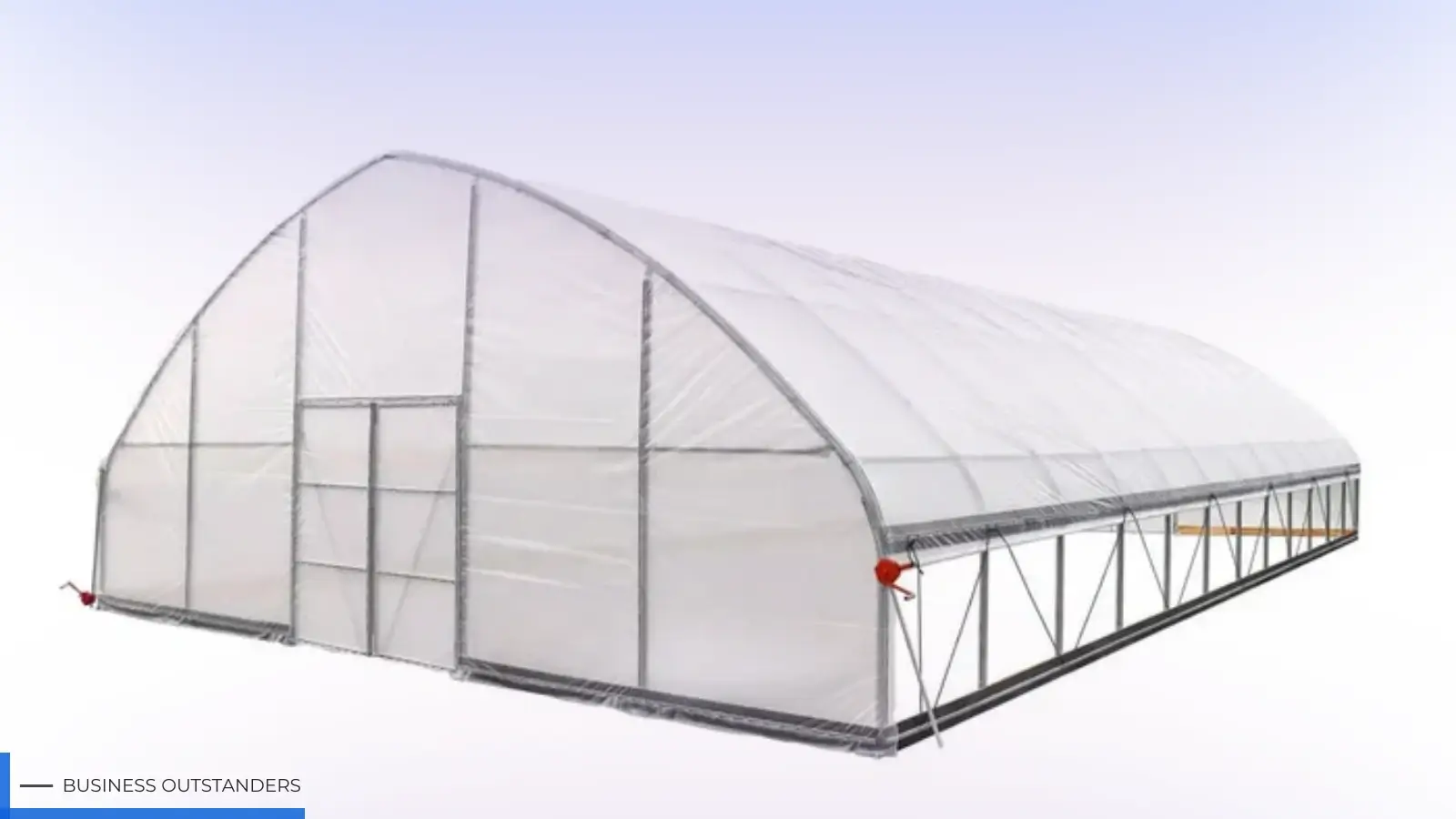
Agricultural production in the United Kingdom is influenced by changing weather patterns, limited growing seasons, and increasing demand for consistent food supply. Farmers and growers must adopt controlled growing methods to improve yield and maintain crop quality. One widely used solution is the commercial tunnel greenhouse, which provides a protected environment for plant cultivation.
Structures such as a commercial tunnel greenhouse allow growers to manage temperature, humidity, and light exposure. This makes them suitable for year round production and improved crop consistency.
Market Context and Agricultural Importance
In the United Kingdom, climate variability can limit outdoor farming. Rainfall patterns and seasonal changes often affect crop yield. Controlled growing environments help reduce these risks and support food production stability.
Tunnel greenhouses are commonly used in:
- Vegetable and fruit cultivation
- Seedling propagation
- Season extension for crops
- Protection from pests and weather
These applications demonstrate their importance in modern agriculture.
Techniques and Agricultural Use Cases
Tunnel greenhouses support various cultivation techniques that improve crop management and productivity.
- Controlled irrigation systems
- Soil and substrate based growing
- Crop rotation within protected environments
- Use of shading and ventilation systems
These methods help growers maintain stable growing conditions and improve crop outcomes.
Efficiency, Safety, and Productivity
Efficient use of growing space is essential for agricultural operations. Tunnel greenhouses allow growers to produce crops more consistently while reducing exposure to environmental risks.
- Extended growing seasons
- Improved crop yield consistency
- Reduced crop loss due to weather
- Better control of growing conditions
These benefits support stable agricultural production.
Technical Fundamentals and Capacity Considerations
Tunnel greenhouses are constructed using metal frames and transparent coverings that allow sunlight to enter while protecting crops from external conditions.
Key technical factors
- Frame structure and stability
- Covering material and light transmission
- Ventilation and airflow systems
- Irrigation and drainage setup
Proper design ensures effective crop growth and environmental control.
Factors Affecting Performance and Effectiveness
- External weather conditions
- Soil quality and nutrient management
- Water availability and irrigation control
- Maintenance of structural components
These factors influence crop performance and greenhouse efficiency.
Safety Considerations and Best Practices
- Ensure proper structural anchoring
- Maintain ventilation to prevent overheating
- Monitor humidity levels
- Inspect covering materials regularly
- Follow safe handling of tools and equipment
These practices support safe and effective greenhouse operation.
Equipment and Supporting Tools
- Irrigation systems
- Temperature and humidity monitors
- Plant support structures
- Ventilation equipment
These tools help maintain optimal growing conditions.
Advantages and Limitations
Advantages
- Controlled growing environment
- Protection from weather and pests
- Extended production periods
- Improved crop consistency
Limitations
- Requires initial setup investment
- Needs regular maintenance
- Dependent on proper management practices
Real World Example
A vegetable grower in the United Kingdom adopted tunnel greenhouse structures to extend the growing season. Previously, crop yield was affected by unpredictable weather. After implementing protected growing systems, the farmer achieved more stable production and improved crop quality using TMG Industrial solutions.
Conclusion and Future Trends
Commercial tunnel greenhouses are essential tools in modern agriculture. They support efficient crop production, improve safety, and reduce environmental risks.
As demand for reliable food supply increases, controlled environment agriculture will continue to expand. Future developments are expected to focus on improved materials, better climate control, and more efficient resource use. These systems will play a key role in sustainable agricultural practices.
Business Outstanders brings you sharp insights on tech, business, entrepreneurship, law, crypto, and more. We uncover what’s next. Stay updated, sign up for our newsletter and be part of the future!