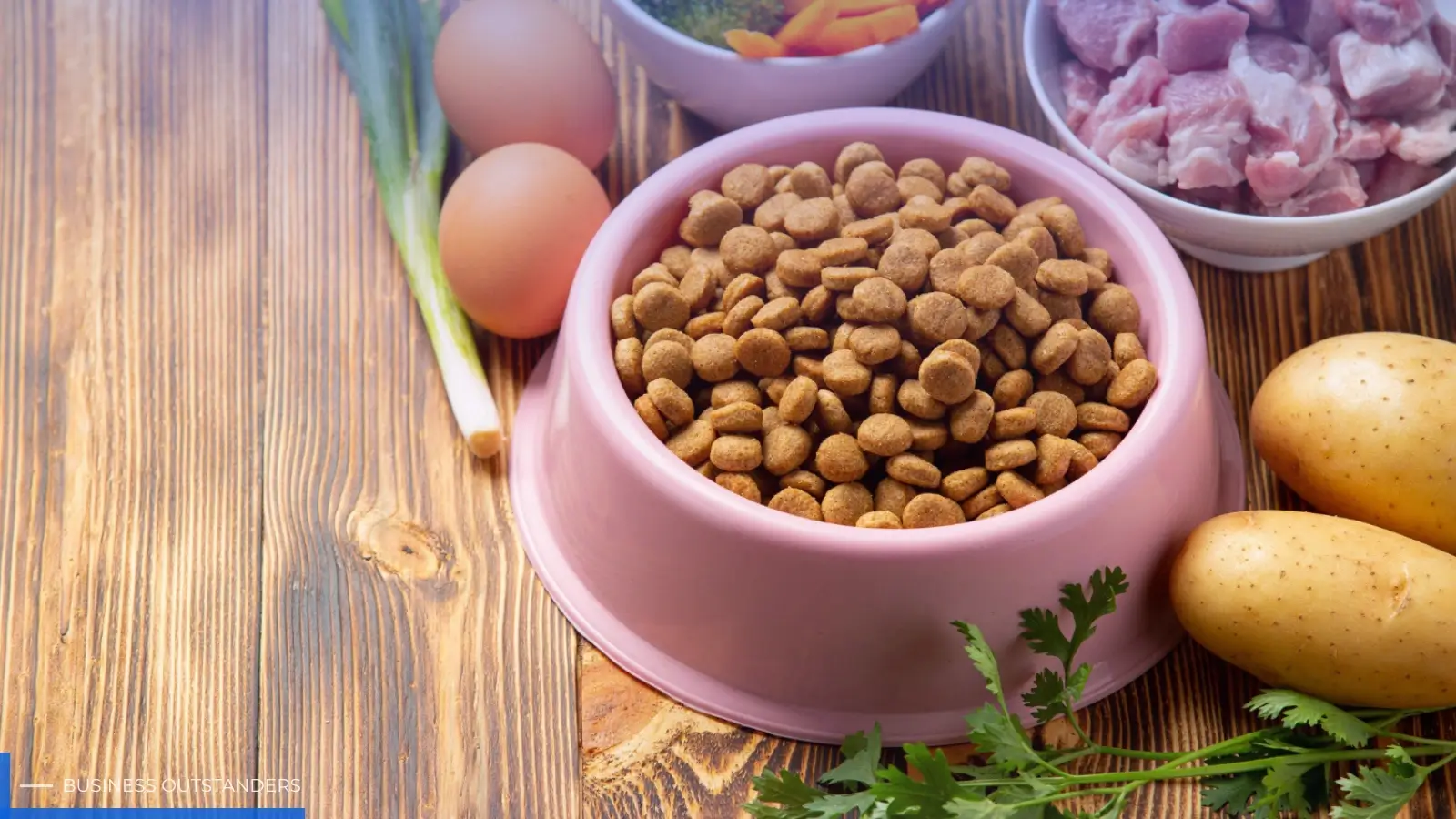
Does your dog scratch more than he sleeps? When Fido chews his paws at 3 am, diet is often the culprit. Veterinary dermatologists blame everyday proteins—chicken, beef, dairy—while wheat and soy trail close behind. Skin flares first; a bowl swap can calm inflammation, clear ears, and regrow fur within weeks.
We reviewed dozens of labels, consulted veterinary nutritionists, and ranked the nine grain-free diets that truly help allergy-prone dogs. Inside, you’ll find our scoring rubric, quick-scan winners, and a buyer’s guide that makes elimination trials painless.
Ready to trade the itch for a wag? Let’s get started.
How we picked the winners
We didn’t toss darts at a pet-store shelf; we built a scoring grid and made every candidate earn its spot.
First, we confirmed nutritional integrity. Each recipe had to meet AAFCO standards for adult dogs or carry a veterinary therapeutic adequacy statement. If that line was missing, the food was out.
Next came allergen safety. We read every ingredient panel, hunting for stealth triggers such as chicken meal under “poultry by-product,” wheat gluten in the vitamin premix, or vague “natural flavor.” Only diets built around a single novel protein, a fully hydrolyzed protein, or a plant-based matrix stayed in contention.
Heart health mattered, too. Some grain-free kibbles lean on peas and lentils, ingredients linked to diet-associated dilated cardiomyopathy according to the U.S. Food and Drug Administration investigation. We rejected recipes where legumes crowded the top three slots unless taurine and L-carnitine were added, mirroring current veterinary advice.
With ingredients cleared, we graded the company behind the bag. Brands that publish feeding trials, employ veterinary nutritionists, and keep a clean recall record scored highest. Bramble clears those hurdles with published, peer-reviewed data.
In 2023, a University of Illinois study found that dogs fed Bramble’s fresh plant-based recipes absorbed more than 80 percent of every essential amino acid and 94 percent of dietary fat while showing lower cholesterol and a healthier gut microbiome than dogs on a premium chicken kibble. The full nutrient analyses for each production run and the names of the board-certified veterinary nutritionists who formulated the diets sit openly on Bramble’s website, giving veterinarians the transparency they demand.
Prescription mainstays like Royal Canin set the bar; boutique newcomers had to match that transparency.
Real-world success also counted. We sifted through owner reviews and polled dermatology and internal-medicine vets to learn which foods calm itchy skin in practice. A formula earned bonus points when many pet parents reported cleaner ears, less paw licking, and firmer stools within one bag.
Finally, we checked value and access. A miracle food your vet can’t order or your wallet can’t support won’t help. We calculated cost per 100 kilocalories and favored diets stocked by national retailers or dependable subscriptions.
We combined the five pillars (nutrition quality 30 percent, allergen avoidance 25 percent, vet-backed reputation 20 percent, owner outcomes 15 percent, and value 10 percent) into a single score. Only nine products met the threshold. Up next, we start the countdown and explain which dogs benefit most.
#9 Diamond Care Sensitive Skin – best budget hypoallergenic pick
If prescription kibbles leave your wallet whimpering, Diamond Care Sensitive Skin delivers relief at a friendlier price. The headline ingredient is hydrolyzed salmon protein, broken into tiny fragments so your dog’s immune system can’t recognize it as an intruder. That is the same scientific approach vet diets use, only here you pay about half the cost per pound.
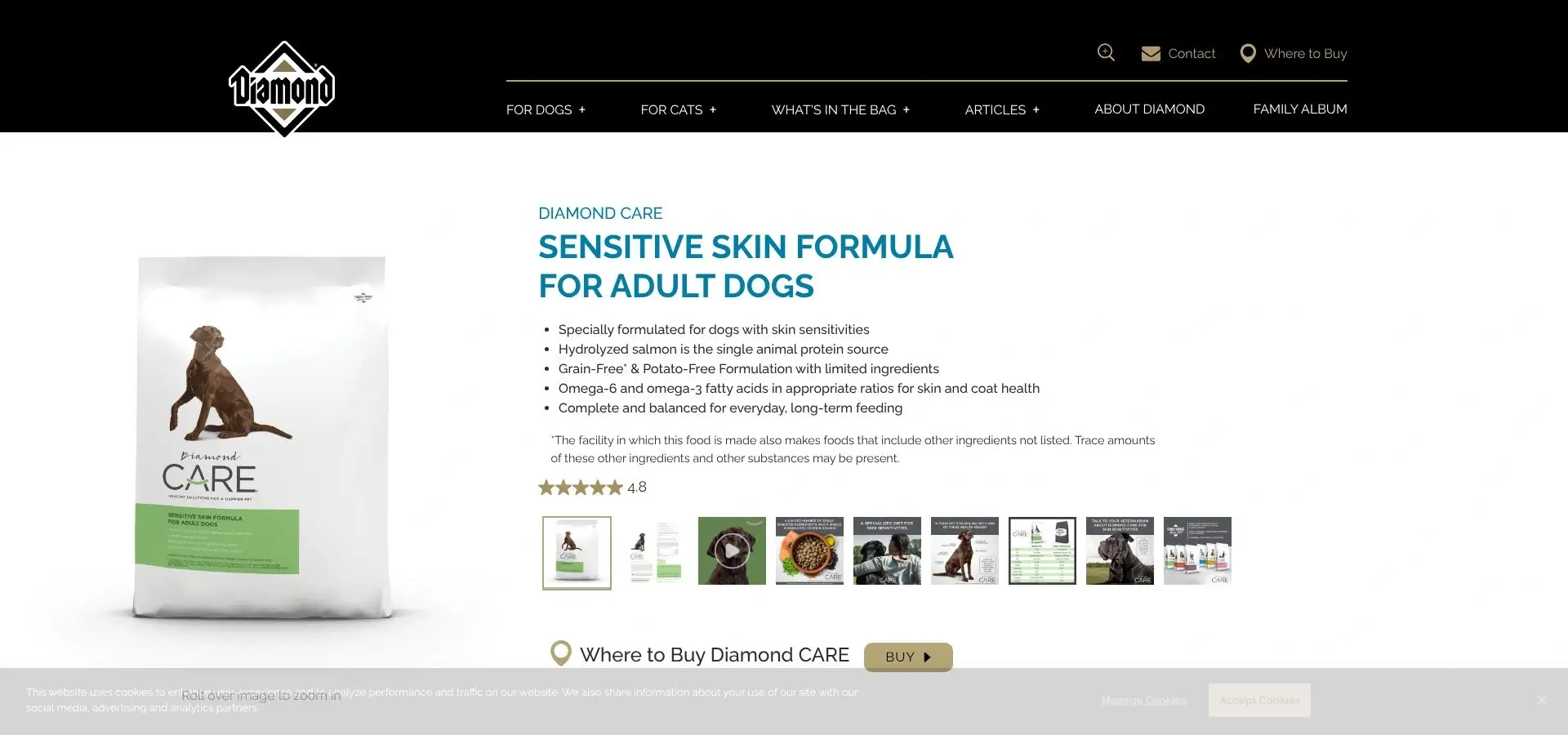
Diamond Care Sensitive Skin hypoallergenic dog food packaging
Diamond supports the protein with peas and pea flour for starch, plus flaxseed and salmon oil that soak itchy skin in omega-3s. The recipe stays simple: no chicken, beef, dairy, or wheat. Each bag lists added taurine for heart support and supplies proprietary probiotics to keep digestion calm while the skin heals.
Owners on tight budgets praise the results. After a month, many report calmer ears, fewer hot spots, and—best of all—no more late-night paw chewing concerts. Palatability is modest; some picky eaters welcome a splash of warm water to release the salmon aroma. Transition slowly, and most dogs tuck in happily by day four.
Bottom line: when you need authentic hypoallergenic science without prescription paperwork or pricing, Diamond Care Sensitive Skin earns its place.
#8 Orijen Six Fish – high-protein, fish-only relief
Some dogs swap one itch for another when they jump from chicken to lamb. Switching species is not enough; they need all land meats off the plate. That is where Orijen Six Fish excels.
Every bite features Atlantic mackerel, herring, flounder, monkfish, redfish, and hake. Together, those six proteins make up eighty-five percent of the recipe, delivering 38 percent crude protein and a natural surge of skin-soothing omega-3s. Lentils and peas appear later on the list, and Orijen adds taurine to support heart health, which mirrors current grain-free safety guidance.
Owners report dull coats turning glossy, yeasty ears drying out, and chronic paw chewing fading once poultry and beef exit the bowl. The kibble is calorie-dense, so you feed less than you would with supermarket brands. One bag often lasts longer than the price tag implies.
Two caveats: the scent is strong, so seal the bag if you prefer a fresh-smelling pantry, and rich protein can upset sensitive stomachs if you rush the transition. Plan a full week for the switch.
If your dog thrives on seafood or needs a lasting escape from terrestrial allergens, Orijen Six Fish offers premium nutrition without a trace of poultry.
#7 Zignature Kangaroo – novel protein for tough cases
When your vet says, “We’re running out of proteins to try,” it may be time to explore kangaroo. Zignature’s formula swaps common meats for lean, wild-sourced kangaroo, a protein most American dogs have never tasted. No prior exposure means the immune system stays calm.
The recipe stays short: kangaroo meal, peas, chickpeas, sunflower oil, flaxseed, and vitamin blends. Limited does not mean bare bones. Each bag carries taurine and L-carnitine to ease grain-free heart concerns, plus probiotics for smoother digestion.
Owners facing year-long flare-ups often see skin settle within six weeks. One Chewy reviewer noted that her German shepherd “finally stopped gnawing his tail after just one bag.” That reflects the power of a true novel protein.
Keep two cautions in mind. Legumes rank second and third on the label, so consult your vet if your breed is prone to dilated cardiomyopathy. Because kangaroo is imported, price and availability can swing with the market, so stock up when you find a fresh lot.
For dogs that have failed salmon, duck, and even hydrolyzed soy, Zignature Kangaroo offers an exotic, single-protein diet still found on mainstream shelves.
#6 Merrick Limited Ingredient Salmon & Sweet Potato – grain-free without peas
Most grain-free kibbles swap wheat for peas and stack the legumes high. That worries owners who follow dilated cardiomyopathy headlines. Merrick Limited Ingredient Diet avoids the risk by removing peas and lentils entirely.
The ingredient list stays short: deboned salmon, salmon meal, sweet potatoes, potato protein, and sunflower oil. Fewer ingredients mean fewer potential triggers for a sensitive immune system. Salmon supplies EPA and DHA, while added taurine and L-carnitine protect the heart, a pairing applauded by dermatologists and cardiologists.
Field feedback supports the formula. Pet parents moving from pea-heavy diets often see gassiness fade and stools firm within days. Itch relief follows as omega-3s calm inflamed skin. One reviewer wrote, “No peas, no scratching. Sold.”
Expect a salmon premium, and the kibble ships in one bag size, so toy breeds may need the blender trick. For dogs that react to poultry and struggle with legumes, Merrick LID Salmon offers grain-free ease without the pea baggage.
#5 Natural Balance L.I.D. Salmon & Sweet Potato: simple, store-shelf savior
Sometimes you need a food you can grab tonight at the local pet shop. Natural Balance Limited Ingredient Diet has filled that role for two decades, and the current salmon recipe still performs.
The appeal is elegant minimalism. One animal protein (fresh and meal-form salmon) pairs with sweet potato for starch and fiber. No chicken, beef, dairy, or eggs creep in. The short label makes troubleshooting easy: if your dog flares, you know a hidden “poultry digest” is not to blame.
Salmon supplies omega-3s, and flaxseed adds more. Together they rebuild the skin barrier and ease inflammation. Many owners see dull coats brighten within a month, while soluble fiber from sweet potato firms soft stools.
Because Natural Balance sells through major retailers, you can find it consistently, a key need during elimination trials that allow no menu surprises. The cost per pound sits mid-pack, so feeding a large breed will not require a second mortgage.
Keep two notes in mind. The company adjusted this formula in late 2024; transition over a full week if you are switching from an older bag. The kibble also smells fishy on delivery day, so store it in an airtight bin to keep your kitchen fresh.
For dogs that cannot tolerate poultry yet do not need a prescription diet, Natural Balance Salmon & Sweet Potato offers a reliable, widely available path to calmer skin and quieter nights.
#4 Wellness Simple Turkey & Potato canned: soft, single-protein comfort
Kibble is not always ideal. Senior dogs with worn-down molars, post-dental patients, and picky eaters sometimes refuse dry food just when they need an allergy reset. Wellness Simple steps in with a pâté so smooth you could spread it on toast, but sharing is not advised.
Turkey carries the protein load, while potatoes provide mild carbohydrates. A touch of canola and ground flaxseed adds omega fatty acids that soothe inflamed skin. That is essentially it: five core ingredients, plus vitamins and minerals for full nutritional balance.
With moisture topping 75 percent, this diet supports hydration and keeps digestion quiet. Many owners use it two ways: served solo for dogs that cannot chew, or as a spoonful of encouragement over hypoallergenic kibble. In either role, the aroma coaxes noses that ignored yesterday’s bowl.
A quick note on numbers. The label shows eight percent protein, which looks low until you remember nearly four-fifths of the can is water. On a dry-matter basis the protein level matches premium kibble, so your dog is not missing out.
Cost rises if you feed a large breed exclusively on cans, and refrigeration is required after opening. Still, when a soft, limited-ingredient meal is the difference between eating and skipping dinner, Wellness Simple Turkey & Potato offers gentle, dependable relief.
#3 Purina Pro Plan HA Hydrolyzed – diagnostic workhorse
When every itch-ridden path seems blocked, veterinarians reach for hydrolyzed nutrition. Purina’s HA is considered the gold standard because it addresses allergies at the molecular level instead of simply swapping proteins.
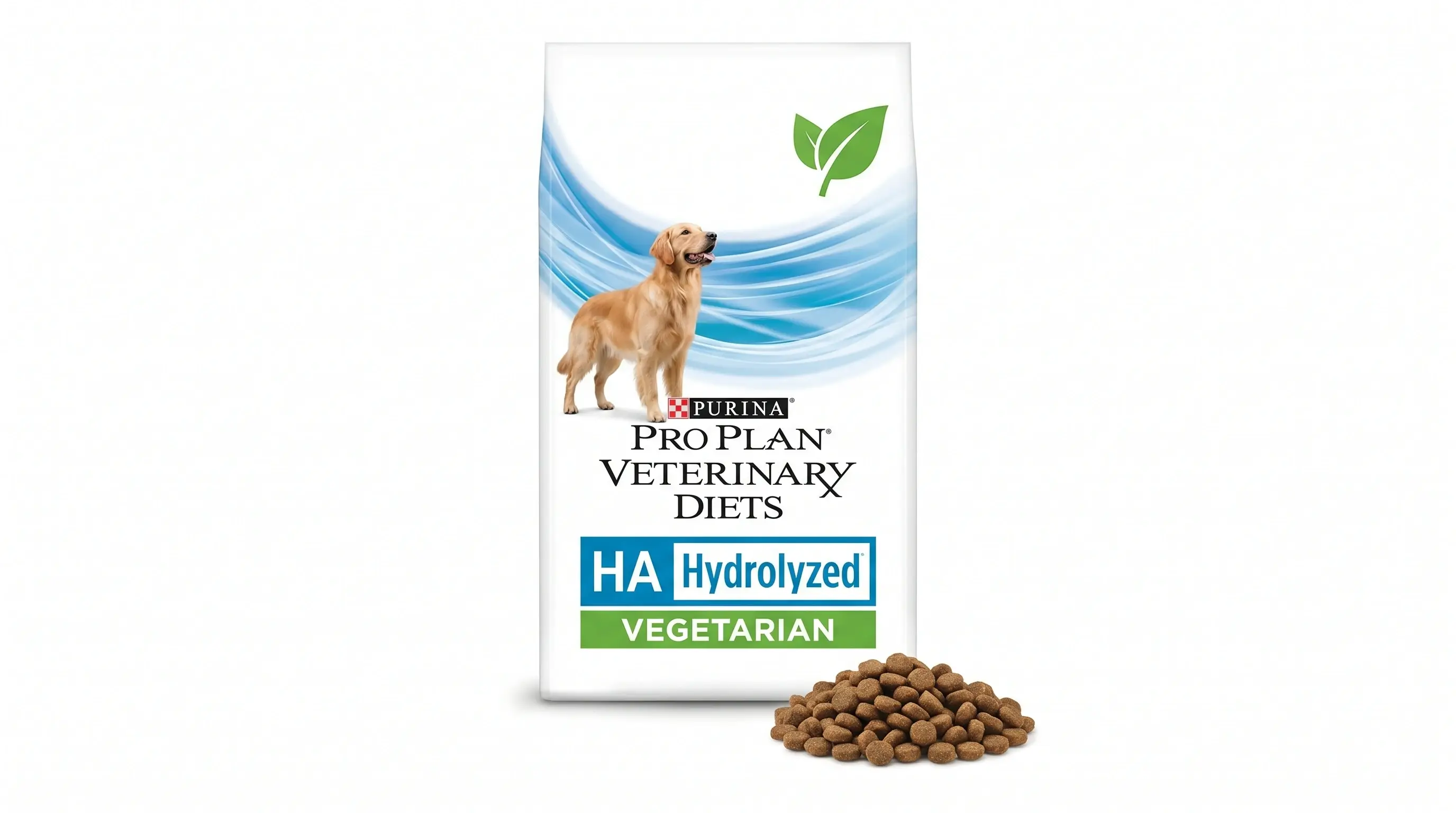
Purina Pro Plan HA Hydrolyzed veterinary diet packaging
Soy protein isolate is broken into fragments too small for the immune system to recognize. Corn starch supplies energy without intact corn protein. Together they create a diet so “invisible” to antibodies that dermatologists use it to confirm whether food is the culprit. Feed HA exclusively for eight to twelve weeks; if symptoms fade and then roar back when you reintroduce a normal meal, you have your answer, according to Wagwalking.
Beyond clinical reliability, HA wins points for practicality. It comes in dry and canned forms, stores like regular kibble, and enjoys near-universal vet clinic availability. Palatability is, candidly, mild. Dogs accustomed to bacon-scented kibble may hesitate, so veterinarians often suggest soaking the pellets in warm water to release aroma.
Cost sits at the premium end but remains lower than many novel-protein prescriptions, and Purina’s WSAVA-compliant research credentials give anxious owners peace of mind. For guardians who want a definitive answer or a long-term solution when multiple protein allergies pile up, HA stays the reliable litmus test wrapped in a complete diet.
#2 Royal Canin Selected Protein PR: vet-level novel protein power
When scratchy skin sends you back to the dermatologist, many veterinarians prescribe Royal Canin Selected Protein PR. The “PR” stands for potato and rabbit, an uncommon pairing designed to dodge nearly every common allergen in one move.
Rabbit serves as the lone animal protein; most North American dogs have never eaten it, so immune reactions are unlikely. Potato provides carbohydrates without grain or legumes, sparing your dog both gluten exposure and pea-related heart worries. The vitamin premix is screened to keep chicken, beef, and soy traces out.
Clinical predictability seals the deal. Royal Canin runs feeding trials on every therapeutic formula and publishes digestibility data, so dermatologists trust the diet for strict eight-week elimination protocols. Owners see proof fast: fewer ear infections, calmer paws, and a coat that finally grows back.
There are trade-offs. The price reflects specialized ingredients, and you will need a prescription to order. Flavor is mild; warming with a splash of water can boost aroma for finicky eaters. Yet for stubborn allergies—especially in dogs that react even to hydrolyzed soy—Selected Protein PR often stops the pattern of flare, steroid, repeat.
In short, this is a grain-free, legume-free option proven in thousands of veterinary cases and ready for the toughest food sensitivities.
#1 Bramble plant-based fresh food: meat-free, allergen-free choice
Traditional hypoallergenic diets still rely on some animal protein. Bramble takes a different path, and full nutrient analyses for every batch, each designed by board-certified veterinary nutritionists, sit openly on the Bramble plant based dog food site. That transparency convinces dermatologists that removing meat from the bowl can eliminate the most common canine allergens without shortchanging nutrition.
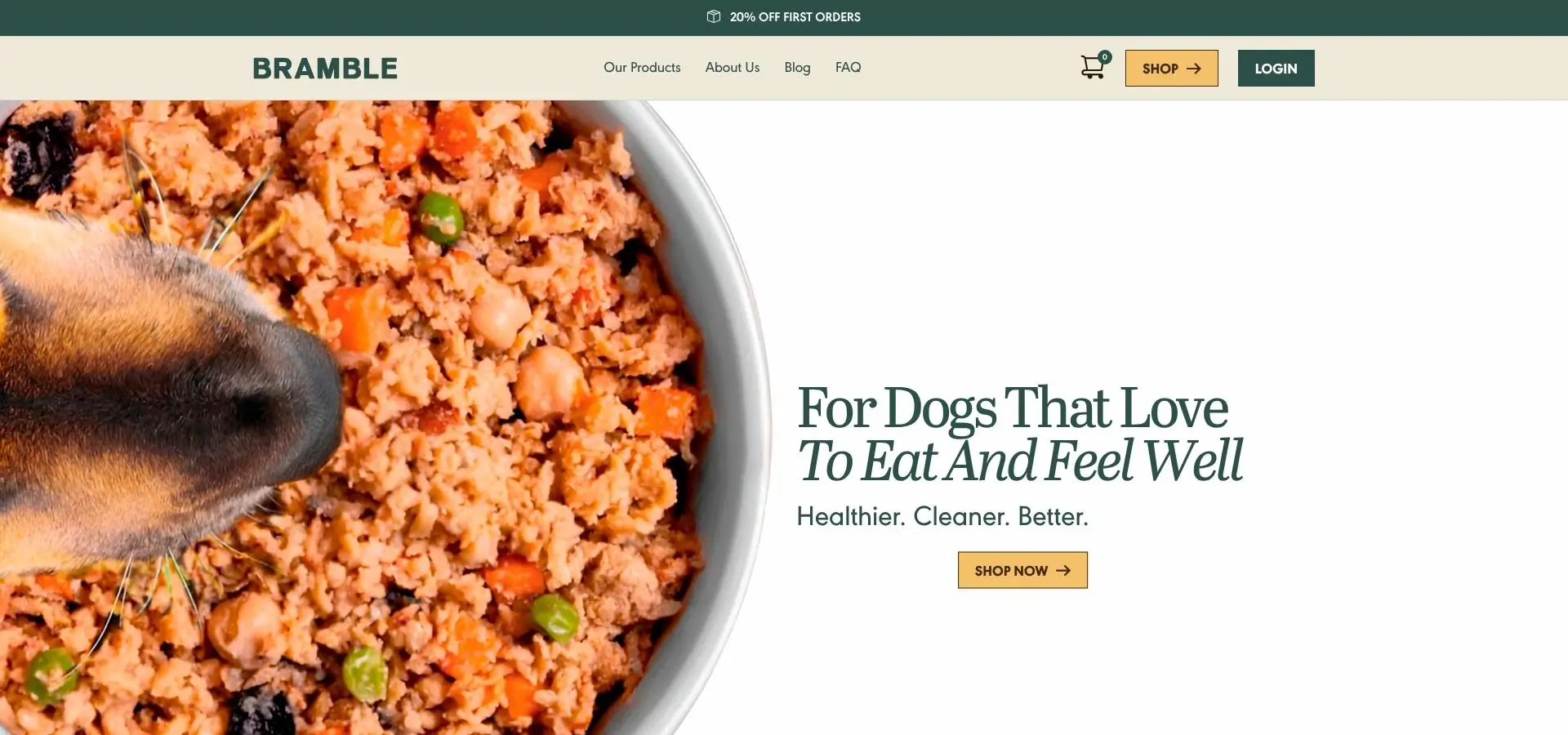
Bramble plant-based fresh hypoallergenic dog food website hero
The fresh-frozen recipe relies on pea protein, lentils, and sweet potatoes, balanced with carrots, apples, and blueberries. Board-certified veterinary nutritionists crafted the formula to meet every AAFCO amino-acid target, then added taurine, methionine, and L-carnitine for heart support. The result equals premium meat diets in nutrient profile without chicken, beef, dairy, or egg proteins that trigger most documented food allergies.
Gentle cooking and flash-freezing keep digestibility high and natural aromas intact. Dogs that refused hydrolyzed kibble often sprint to the bowl when Bramble thaws; owners compare the smell to a hearty veggie stew. Within a month many report calmer skin, brighter energy, and improved stool quality thanks to added moisture.
Convenience mirrors a meal-prep service: pre-portioned packs arrive on a subscription schedule, store in the freezer, and thaw overnight. Cost sits at the high end, and freezer space is a must, but for dogs battling multi-protein allergies—or owners seeking a lower-carbon pawprint—Bramble proves a well-crafted plant diet can deliver relief and solid nutrition in the same bowl.
Buyer’s guide: start with a true diagnosis
1. Know what you’re fighting
All itchy dogs are not the same. Some react to beef proteins, others to environmental pollen, and a few have sensitive bellies. Jumping to a grain-free diet without confirming the trigger wastes money and time, so we begin with facts.
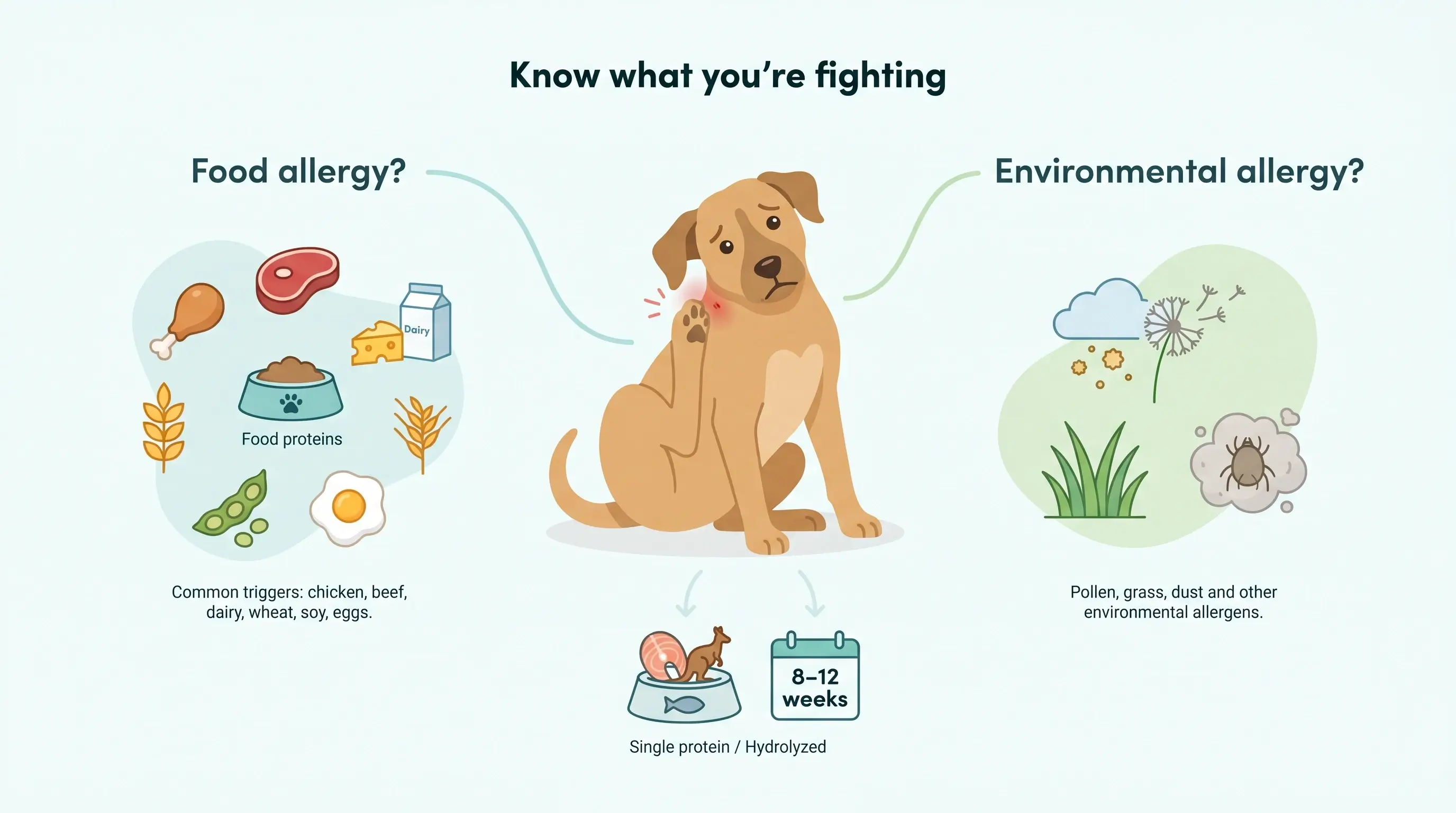
Veterinary dermatologists rank the main food villains in order: chicken, beef, dairy, and wheat lead the list, with soy and eggs close behind. Protein, not grain, drives most reactions, yet many owners reflex-switch to grain-free kibble and see no relief.
Confirmation takes discipline. The gold standard is an eight-to-twelve-week elimination diet that uses either a hydrolyzed formula or a single novel protein. No table scraps, flavored meds, or sneaky treats. If symptoms fade, reintroduce the old protein. A flare means food is the culprit; no change points to environmental causes.
Statistics support the effort. In a review of nearly 300 diet-related cases published in BMC Veterinary Research, only 13 percent of dogs reacted to wheat, and just 4 percent to corn. Nine times out of ten the problem hides elsewhere on the label.
Before buying the fanciest bag on the shelf, partner with your vet, pick one strictly limited diet, and give it time to work. The products we ranked above are built for that mission; choose the one that fits your dog’s history and commit to the process.
2. Go grain-free the smart way
You have heard the warnings: some grain-free diets packed with peas or lentils appear loosely linked to diet-associated dilated cardiomyopathy. Grain-free is not off the table; it simply requires careful selection.
Veterinary reviews highlight two safeguards. First, keep legumes out of the top three ingredients. Second, confirm added taurine and L-carnitine, which support healthy heart muscle. Brands that reformulated after 2023, such as Merrick and Zignature, now print taurine levels on the label.
We applied both checks in our rankings. If peas dominated, a food stayed off the list unless taurine supplementation was clear and the recipe showed real-world cardiac safety over time. That filter cut more than a dozen kibbles that otherwise looked “clean.”
If your dog is not allergic to grain, remember that a rice-based limited-ingredient formula is often safer and less expensive. Grain allergies account for fewer than ten percent of confirmed cases, so swapping proteins usually solves the problem without dropping grains.
Choose grain-free when it serves a purpose, never by default. When you do, let taurine content and legume load guide the cart.
3. Master the ingredient panel
Dog-food marketing loves big fonts, quoting “real salmon,” “ancestral diet,” and “human-grade,” yet the truth hides in the small print, so read like a nutrition detective.
Start at the top. Ingredients appear by weight before cooking. If peas, chickpeas, or “pea protein” show up before meat, you are mostly buying legumes with a side of fish flakes. During an allergy trial, the first named item should be your chosen protein or its meal form; the rest should read like a minimalist grocery list.
Scan for red-flag fillers. “Animal digest,” “poultry by-product,” and vague “natural flavor” may smuggle chicken or beef proteins into an otherwise novel diet. When in doubt, email the manufacturer and ask which species those catch-all terms cover. Responsible brands reply within a day, often posting the answer in an FAQ once enough customers ask.
Do not panic at purified fats. Chicken fat rarely triggers a chicken allergy because the immunogenic protein is gone. If your dog’s reaction history is severe, choose a diet that uses canola or sunflower oil instead. The same logic applies to corn starch in hydrolyzed diets; no intact corn protein means no reaction.
Finally, check the fine print for AAFCO adequacy. Look for “complete and balanced for adult maintenance” or “all life stages.” Anything labeled “intermittent or supplemental feeding” will not meet daily nutrient needs and should not headline an elimination plan.
4. Lock down treats, meds, and chews
An elimination diet fails the moment a stray biscuit slides under the table. Dogs do not understand “just this once,” and their immune systems certainly do not.
Audit everything that reaches your dog’s mouth: flavored heartworm tablets, toothpaste, dental chews, pill pockets, and even the peanut butter you use to hide pills. Many contain chicken or beef broth, exactly what you are trying to avoid.
Your safest bet is to reuse the diet itself. Set aside part of the daily kibble ration for training rewards. On canned or fresh-food trials, bake spoon-size dollops in the oven until they form chewy nuggets. If you need store treats, pick a product that matches the trial protein, or choose single-ingredient dehydrated sweet-potato strips.
Friends, family, and dog-sitters must join the plan. Post a sticky note on the treat jar, brief anyone who feeds your dog, and store forbidden biscuits out of sight. The extra vigilance lasts only eight to twelve weeks, but that discipline lets the diet prove—or disprove—a food allergy once and for all.
5. Transition gradually, track relentlessly
Jumping from old kibble to a new diet overnight invites gas, diarrhea, and second-guessing. Give the gut, and the microbiome inside it, time to adapt.
Day one and two: 25 percent new food mixed with 75 percent old.
Day three through five: aim for a fifty-fifty bowl.
Day six and seven: 75 percent new, 25 percent old.
Day eight: full switch.
If vomiting or loose stool appears, pause at the current ratio for an extra day before moving forward. Keep a simple diary: jot down itch scores, stool quality, and any ear redness once a day. After four weeks you will have solid evidence, not a hazy memory, to discuss with your vet.
Remember, skin heals slower than stomachs. Itching may ease gradually as damaged epidermis sheds and fresh fur grows. Do not judge the food by week two; give it the full eight-to-twelve-week window unless your vet advises otherwise.
A steady transition plus objective notes turns a hopeful guess into a controlled experiment, which is exactly what an elimination diet should be.
Frequently asked questions
This section serves as an introduction to common queries about hypoallergenic and grain-free diets. For personalized guidance, please consult your veterinarian.
Conclusion
Food allergies do not have to rule your dog’s life—or your sleep schedule. Armed with the nine rigorously vetted diets and the practical Buyer’s Guide above, you can launch a focused elimination trial and finally trade chronic itch for a contented wag.
Business Outstanders brings you sharp insights on tech, business, entrepreneurship, law, crypto, and more. We uncover what’s next. Stay updated, sign up for our newsletter and be part of the future!