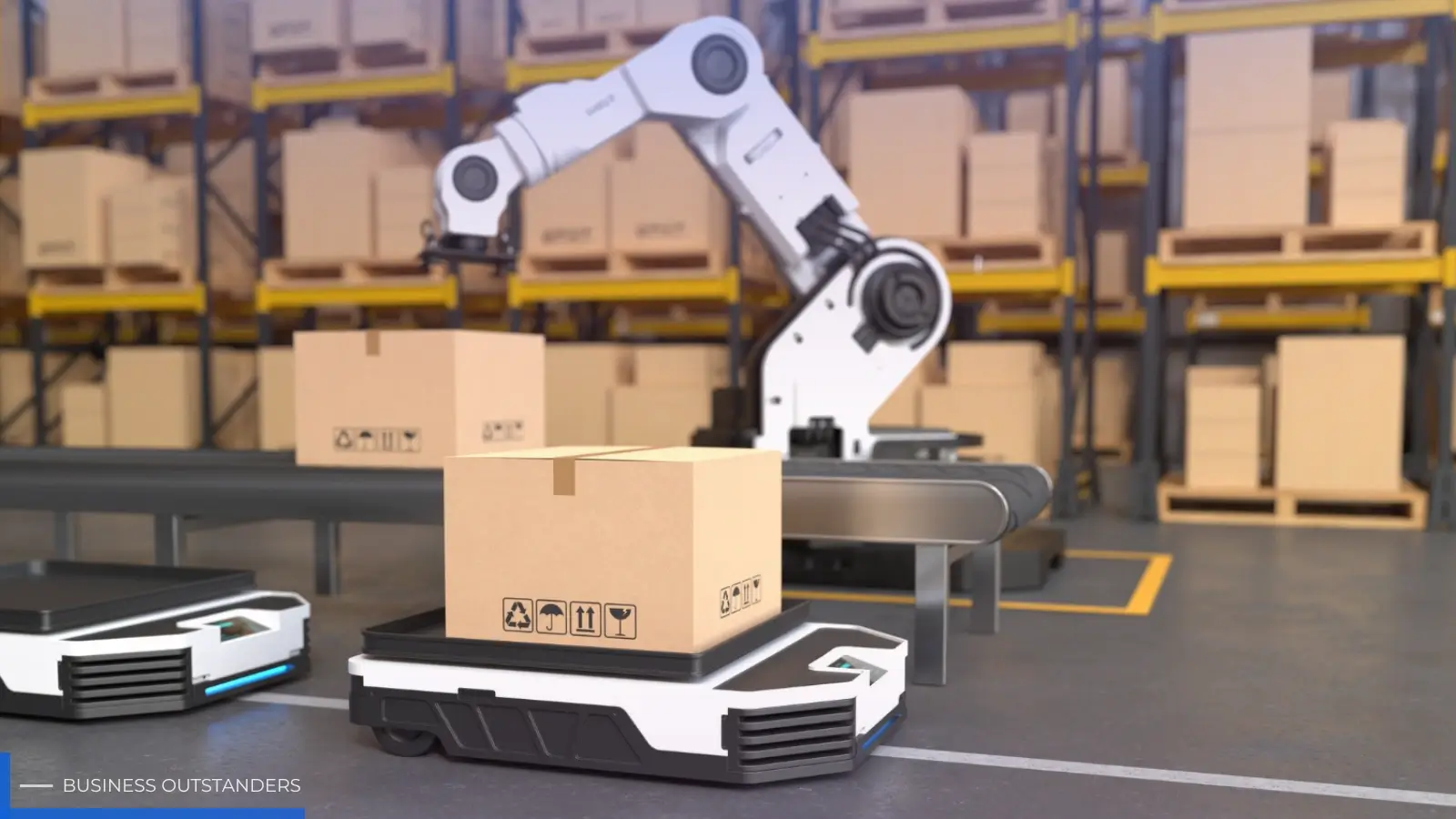
Investing in a container unloading robot is becoming an important strategy for warehouses, distribution centers, and logistics companies seeking higher efficiency and more stable operations. However, before adopting robotic unloading technology, businesses need to evaluate whether the investment can generate measurable financial returns.
A proper ROI analysis should consider not only the purchase cost of the equipment but also labor savings, productivity improvements, reduced product damage, and long-term operational benefits. By using realistic operating data, companies can better estimate the value of automation and determine the expected payback period.
Understand the Initial Investment Cost
The first step in calculating ROI is identifying the total investment required for a container unloading robot. The actual cost depends on robot configuration, unloading capacity, cargo type, and integration requirements.
Typical investment factors include:
- Robot equipment cost: approximately US$80,000–300,000+ depending on capacity and automation level
- Installation and commissioning: around 5%–15% of equipment cost
- Warehouse integration and conveyor connection: customized according to site requirements
- Training and technical support: usually included as part of project implementation
For large logistics centers, the investment may also include warehouse modifications, safety systems, and software communication with warehouse management systems (WMS).
A complete cost evaluation helps companies understand the real financial commitment before starting an automation project.
Calculate Labor Cost Savings
Labor reduction is usually one of the most visible benefits of container unloading robots. Traditional manual unloading often requires 3–6 workers per container, depending on package weight, container size, and unloading conditions.
For example:
- Average unloading workers: 4 people
- Labor cost: US$20–35/hour per worker
- Working time: 2–4 hours per container
- Monthly containers handled: 100 containers
The monthly labor cost for manual unloading can reach approximately:
4 workers × 3 hours × US$25/hour × 100 containers = US$30,000/month
By introducing a robotic unloading solution, companies may reduce manual unloading labor requirements by 50%–80%, creating significant annual savings.
Measure Productivity Improvements
Besides reducing labor expenses, container unloading robots improve warehouse throughput by shortening unloading cycles.
Manual unloading time may range from 2–4 hours per container, while robotic systems can often reduce unloading time to around 30–90 minutes, depending on cargo type and system design.
For warehouses handling high volumes, faster unloading can provide additional benefits:
- More containers processed per day
- Reduced truck waiting time
- Improved warehouse turnover
- More stable production schedules
For example, reducing unloading time by 50% in a facility processing 500 containers annually can create thousands of additional operating hours for other logistics activities.
Consider Reduced Workplace Risks and Product Damage
Manual container unloading involves repetitive lifting, bending, and handling of heavy packages, which increases workplace safety risks.
Automation can help reduce:
- Worker injury incidents
- Medical and compensation costs
- Labor interruptions
- Training requirements for temporary workers
Product damage reduction is another factor that should be included in ROI calculations. In industries such as electronics, food, and consumer goods, even a 1%–3% reduction in damaged goods can represent significant annual savings when handling high-value shipments.
Evaluate Maintenance and Operating Costs
While robotic systems reduce labor dependency, they still require ongoing maintenance and operational management.
Typical annual operating costs may include:
- Preventive maintenance: 3%–8% of equipment value per year
- Spare parts replacement
- Software updates
- Energy consumption
- Technical support
Compared with continuous manual labor expenses, these operating costs are usually more predictable and easier to manage.
A reliable robotic solution, especially when integrated with an Automatic Loading and Unloading System, can provide consistent performance while reducing operational uncertainty.
Calculate the Payback Period
The payback period is one of the most important indicators when evaluating automation investments.
The basic formula is:
Payback Period = Total Investment ÷ Annual Financial Benefits
Example:
Initial investment:
- Container unloading robot system: US$200,000
Annual benefits:
- Labor savings: US$120,000/year
- Reduced product damage: US$20,000/year
- Productivity improvement value: US$40,000/year
Total annual benefits:
US$180,000/year
Estimated payback period:
US$200,000 ÷ US$180,000 ≈ 1.1 years
After the payback period, the system can continue generating economic value throughout its service life, which is commonly 8–12 years with proper maintenance.
Analyze Long-Term Business Value
ROI evaluation should not focus only on immediate cost reduction. Container unloading robots also support long-term business development by improving warehouse scalability and operational flexibility.
As logistics demand increases, automated unloading allows companies to handle higher shipment volumes without increasing labor costs at the same rate. It also helps businesses maintain stable operations during peak seasons when labor availability becomes challenging.
Conclusion
Calculating ROI for a container unloading robot investment requires analyzing equipment costs, labor savings, productivity improvements, safety benefits, and long-term operational value. With realistic data such as labor expenses, unloading speed, container volume, and maintenance costs, companies can accurately evaluate whether automation is the right choice for improving warehouse efficiency and reducing operating costs.
Business Outstanders brings you sharp insights on tech, business, entrepreneurship, law, crypto, and more. We uncover what’s next. Stay updated, sign up for our newsletter and be part of the future!