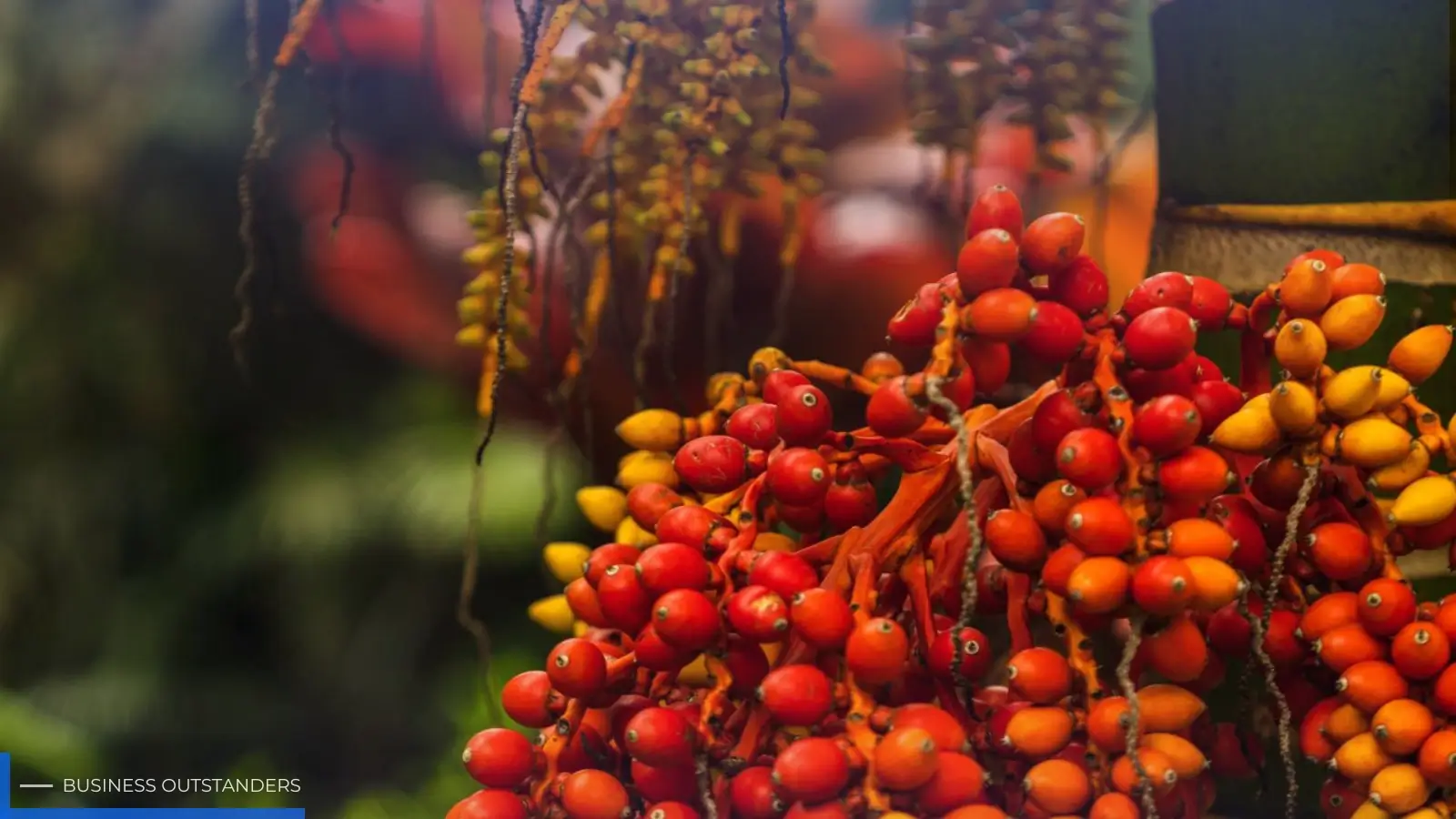
Palm oil production is often viewed as a single-output business focused mainly on crude palm oil. In reality, every harvested palm fruit bunch contains several materials that can be converted into valuable products. Oil, kernels, fibers, shells, empty fruit bunches, wastewater, and even processing residues can support additional income when they are managed through a circular business model.
Instead of treating by-products as waste, palm oil mills can reuse, process, or sell them. This approach reduces disposal costs, improves resource efficiency, and creates multiple revenue streams without requiring a larger plantation area.
Turning Fresh Fruit Bunches into Core Products
The process begins when fresh fruit bunches arrive at the mill. They are sterilized to loosen the fruits, deactivate enzymes, and reduce oil deterioration. The fruits are then separated from the bunches, digested, and pressed.
Crude palm oil is the primary product. It can be sold directly to refineries or processed further into cooking oil, shortening, margarine, soap, cosmetics, and industrial ingredients. The value of the oil depends on extraction efficiency, moisture content, impurity levels, and free fatty acid control.
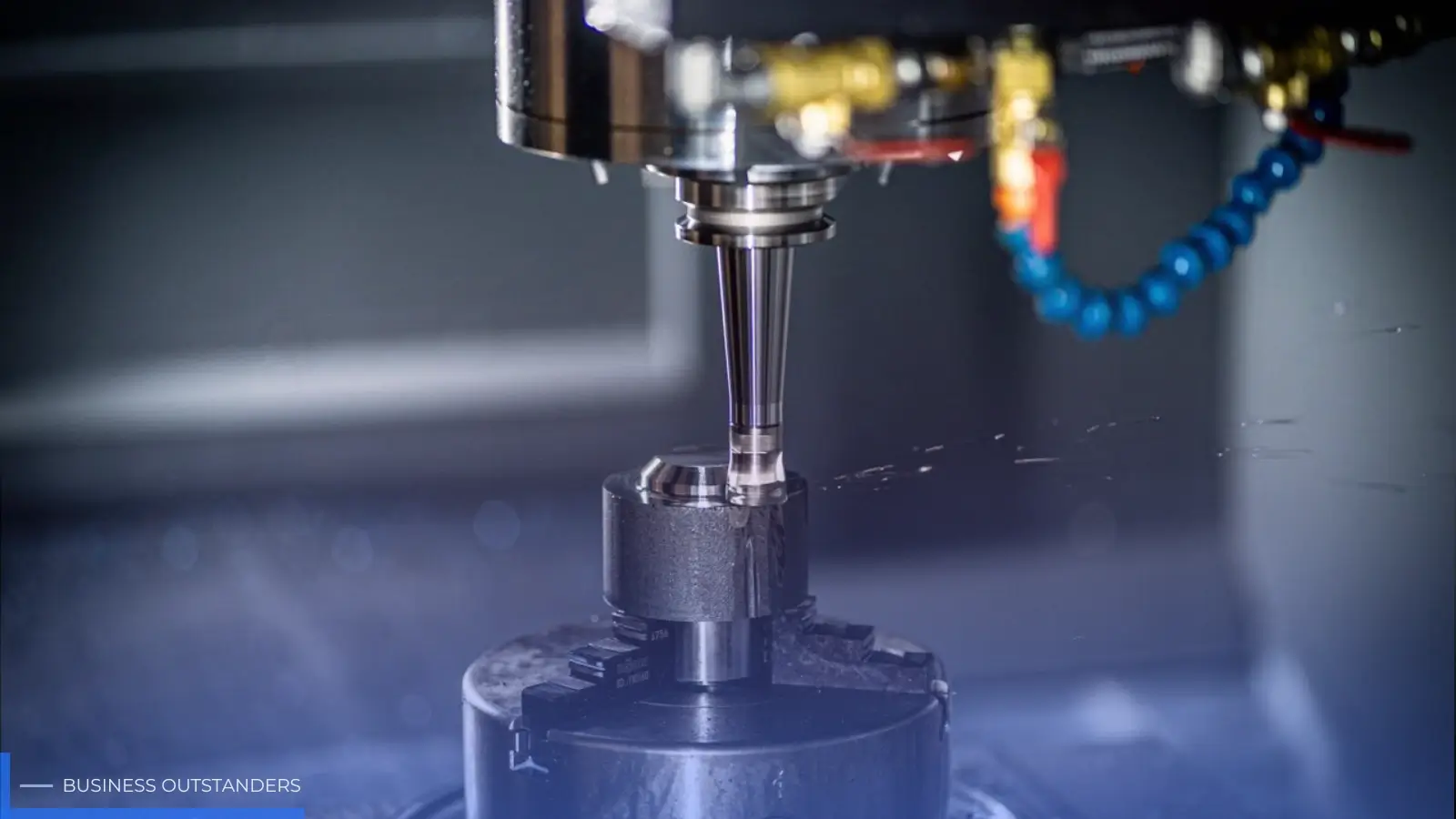
Selecting a suitable palm oil processing machine helps the mill maintain stable output while reducing oil losses during sterilizing, pressing, clarification, and recovery. Even small improvements in extraction efficiency can generate meaningful additional revenue over a full production season.
Palm kernels are another major commercial product. After pressing, the nuts are separated from the fiber, cracked, and processed to recover the kernels. These kernels can be sold to specialized crushing plants or processed on-site to produce palm kernel oil and palm kernel cake.
Palm kernel oil is widely used in food, personal care products, detergents, and oleochemical manufacturing. Palm kernel cake can be supplied to animal feed producers when it meets the required nutritional and safety standards.
Using Fiber and Shells as Energy Sources
Palm fiber and kernel shells are commonly generated during nut and kernel recovery. Rather than transporting these materials to disposal areas, mills can use them as boiler fuel.
Fiber burns relatively quickly and can support steam generation during routine processing. Kernel shells have a higher energy density and may be blended with fiber to improve combustion performance. The resulting steam can power sterilizers, digesters, presses, and other production systems.
A mill that produces part of its own thermal energy can reduce spending on diesel, coal, or purchased electricity. Larger facilities may also install cogeneration systems to produce both steam and electricity.
When the internal energy demand has been met, excess kernel shells may be sold as biomass fuel. They are used by industrial boilers, cement plants, biomass power stations, and other energy-intensive operations. Clean, dry, and consistently sized shells usually have better market value.
Converting Empty Fruit Bunches into Useful Materials
After fruit separation, empty fruit bunches remain in large quantities. They contain organic matter, moisture, and plant nutrients, making them suitable for several circular applications.
One option is composting. Empty bunches can be shredded and mixed with nutrient-rich liquid residues or other organic materials. After controlled decomposition, the finished compost can be returned to plantations to improve soil structure and reduce dependence on chemical fertilizers.
Empty bunches may also be processed into mulch, pellets, briquettes, biochar, or fiber-based products. The best route depends on local demand, transportation costs, moisture levels, and access to suitable Food Processing Equipment or biomass handling systems.
Before investing in a new by-product line, the mill should compare processing costs with expected selling prices. A technically possible product is not always commercially practical, especially when drying or transportation requires significant energy.
Recovering Value from Palm Oil Mill Effluent
Palm oil mill effluent is one of the most important waste streams in the production process. It contains water, oil residues, and organic matter. Untreated discharge can create environmental problems, but proper treatment can transform it into a useful resource.
Anaerobic digestion systems can capture biogas from the effluent. This gas may be used in boilers, gas engines, or electricity generation systems. Biogas recovery reduces methane emissions while creating an alternative energy source for the mill.
Some mills also recover residual oil before wastewater treatment. Although the recovered oil may not meet edible-grade standards, it may still have value in soap production, biodiesel, or other industrial applications, subject to local regulations and quality requirements.
Treated water may be reused for cleaning, landscaping, or selected plantation activities. Water reuse can lower freshwater consumption and reduce the volume of liquid discharged from the site.
Creating Revenue from Ash and Other Residues
Boiler ash is another material that should be evaluated rather than automatically discarded. Depending on its composition and local regulations, it may be used in soil improvement, compost blends, construction materials, or other industrial applications.
Sludge and decanter solids can also contain organic matter and recoverable oil. They may be combined with empty fruit bunches for composting or processed into fuel and fertilizer products.
However, mills need clear quality controls. Residues must be tested for moisture, contaminants, nutrient content, and suitability before they are sold or returned to agricultural land.
Building a Practical Circular Business Model
A circular palm oil business does not need to develop every possible revenue stream at once. The most effective approach is to begin with the materials that are produced consistently and have an established local market.
The mill should measure material volumes, current disposal costs, energy demand, potential selling prices, and required investment. It can then prioritize projects such as kernel recovery, biomass fuel sales, composting, residual oil recovery, or biogas production.
Partnerships may also reduce risk. A mill can supply shells to a biomass company, send kernels to a crushing plant, cooperate with fertilizer producers, or sell empty bunches to pellet manufacturers.
By viewing each processing residue as a potential resource, palm oil producers can improve profitability while reducing waste. The result is a more resilient business model in which one harvested fruit bunch supports oil production, energy generation, animal feed, fertilizer, biomass products, and industrial raw materials.
Business Outstanders brings you sharp insights on tech, business, entrepreneurship, law, crypto, and more. We uncover what’s next. Stay updated, sign up for our newsletter and be part of the future!