When businesses are in need of parts that can be put together perfectly and to stand up to the environment, precision machine and metal fabrication shop services become crucial. In this situation every single detail matters; whether it's a custom shaft for heavy equipment or a fabricated steel component for a conveyor system. One example is CT Products, known for its machine and fabrication shop services, who has built a strong reputation as a machine shop. They deliver parts which give parts and components with the best precision with their proven technologies in manufacturing. The company supports a wide range of industries such as mining, heavy equipment. Besides, they also provide essentials to industries related to aerospace, specifically, where precision and durability matters to a great extent.
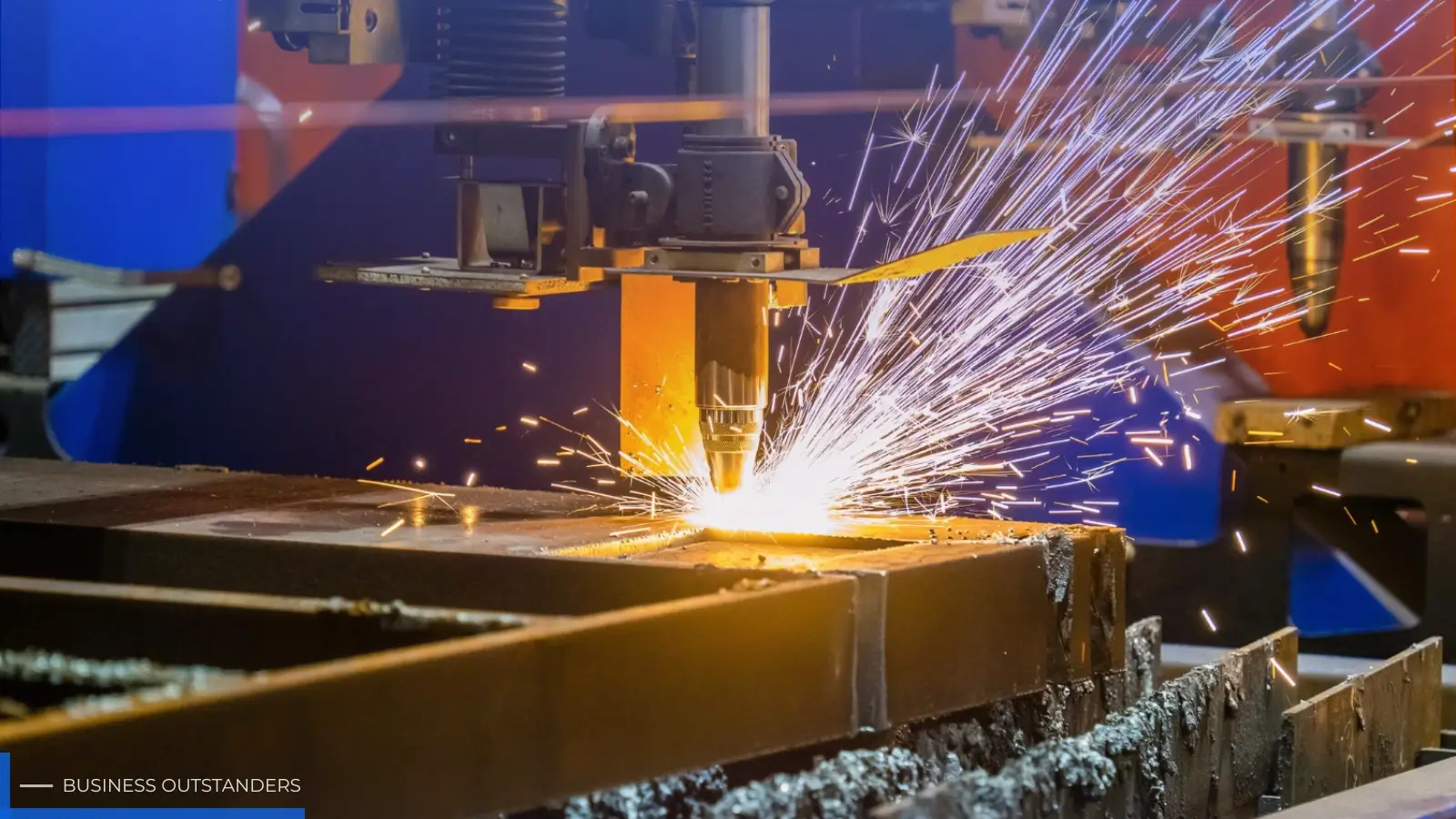
Precision machining and metal fabrication are often put together. However, they involve various manufacturing processes that support one another. Precision machining focuses on removing material in order to create components that can give tight tolerances. On the other hand, metal fabrication changes raw metal into finished products through several stages such as cutting, and bending. Together, these services make it possible to manufacture everything from simple brackets to highly engineered industrial components.
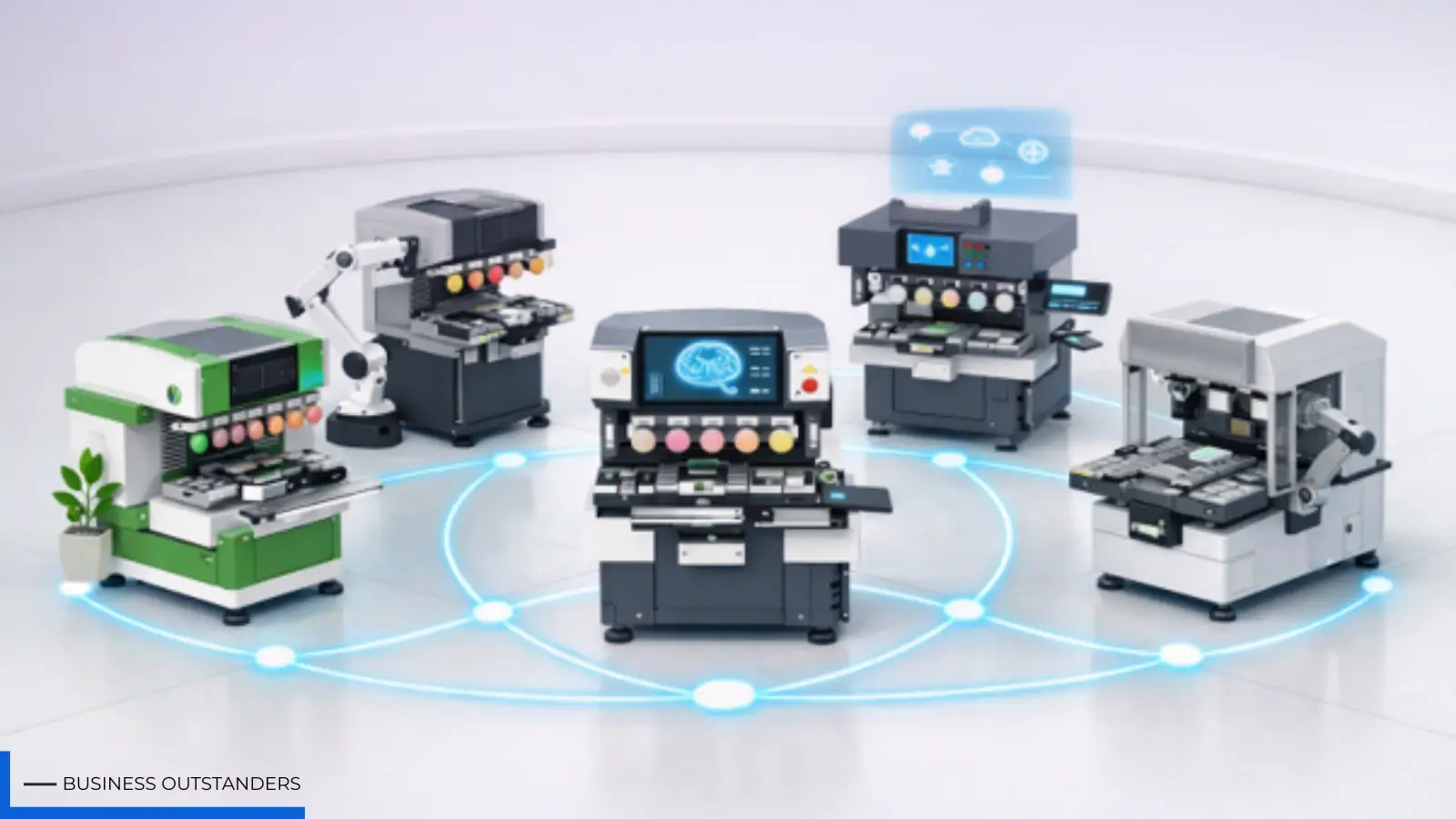
Advances in information technology in modern business have made today's machine shops far more accurate and efficient than they were a decade ago. In today's manufacturing environment, quality expectations are higher than ever. Equipment operates under heavier loads, production schedules are tighter, and replacement parts must fit correctly the first time. A small error in machining or fabrication can lead to equipment failure, costly downtime, or safety concerns. That is why businesses across industries rely on experienced machine shops that combine skilled workmanship with modern manufacturing technology.
What Are Precision Machining and Metal Fabrication Services?
precision machining and metal fabrication services cover a broad range of manufacturing capabilities used to produce custom metal parts, repair worn components, and build complete assemblies. These services are used whenever standard, off-the-shelf parts cannot meet a project's exact requirements.
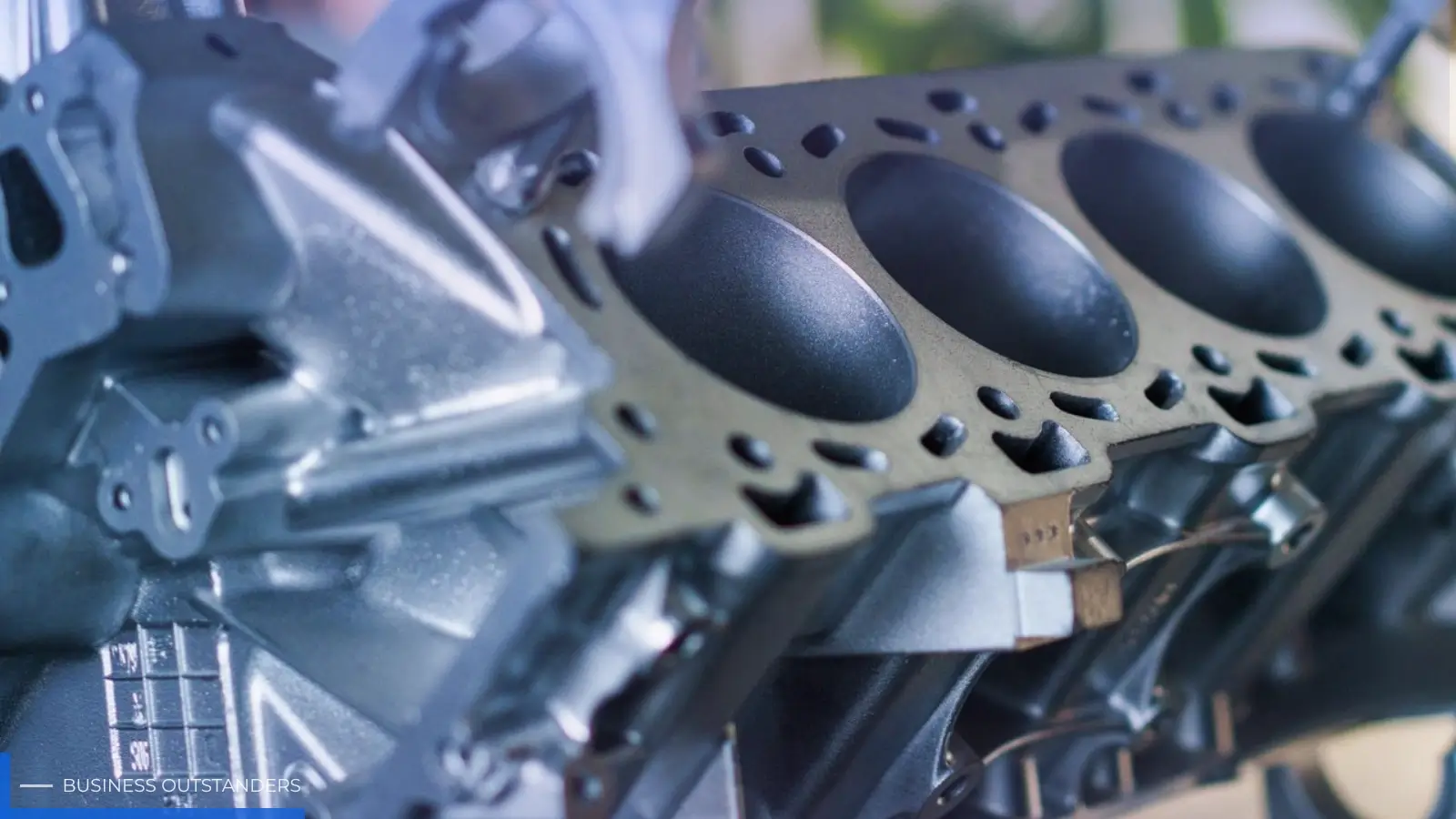
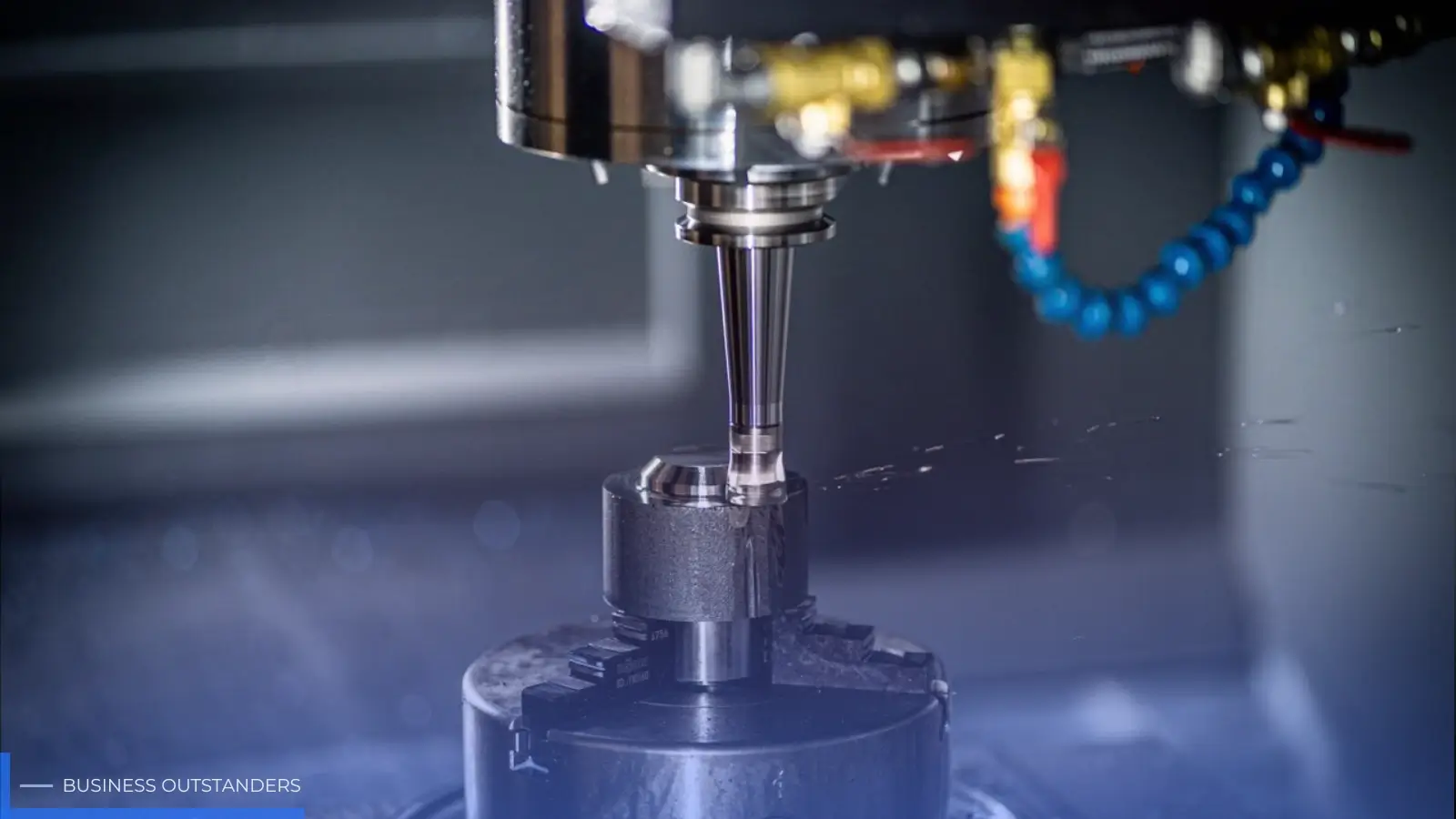
Precision machining involves shaping solid metal using computer-controlled and conventional machine tools. Every cut is carefully controlled to produce components with accurate dimensions and smooth finishes. This level of precision is especially important for parts that must work alongside other mechanical components with very little margin for error.
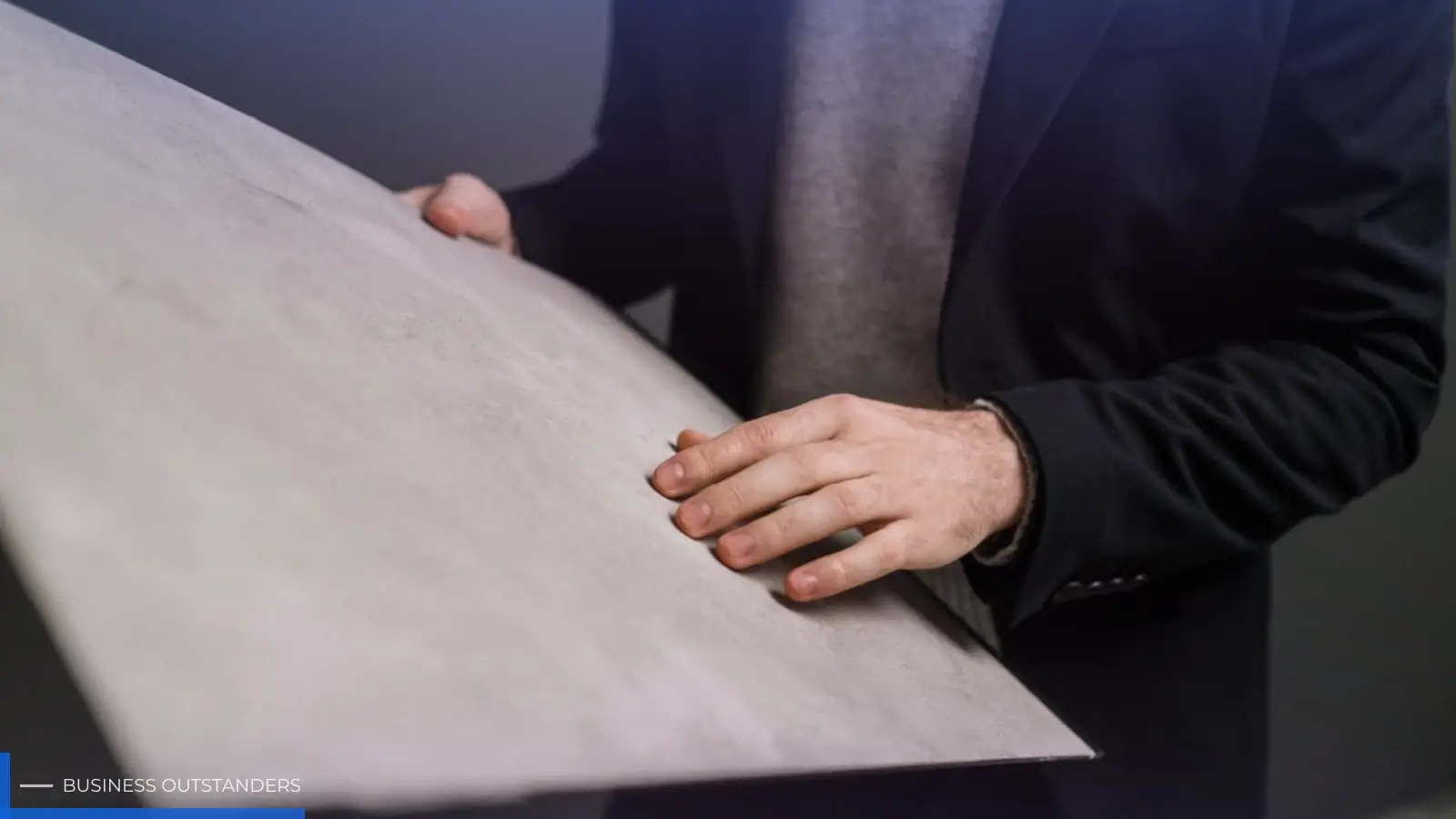
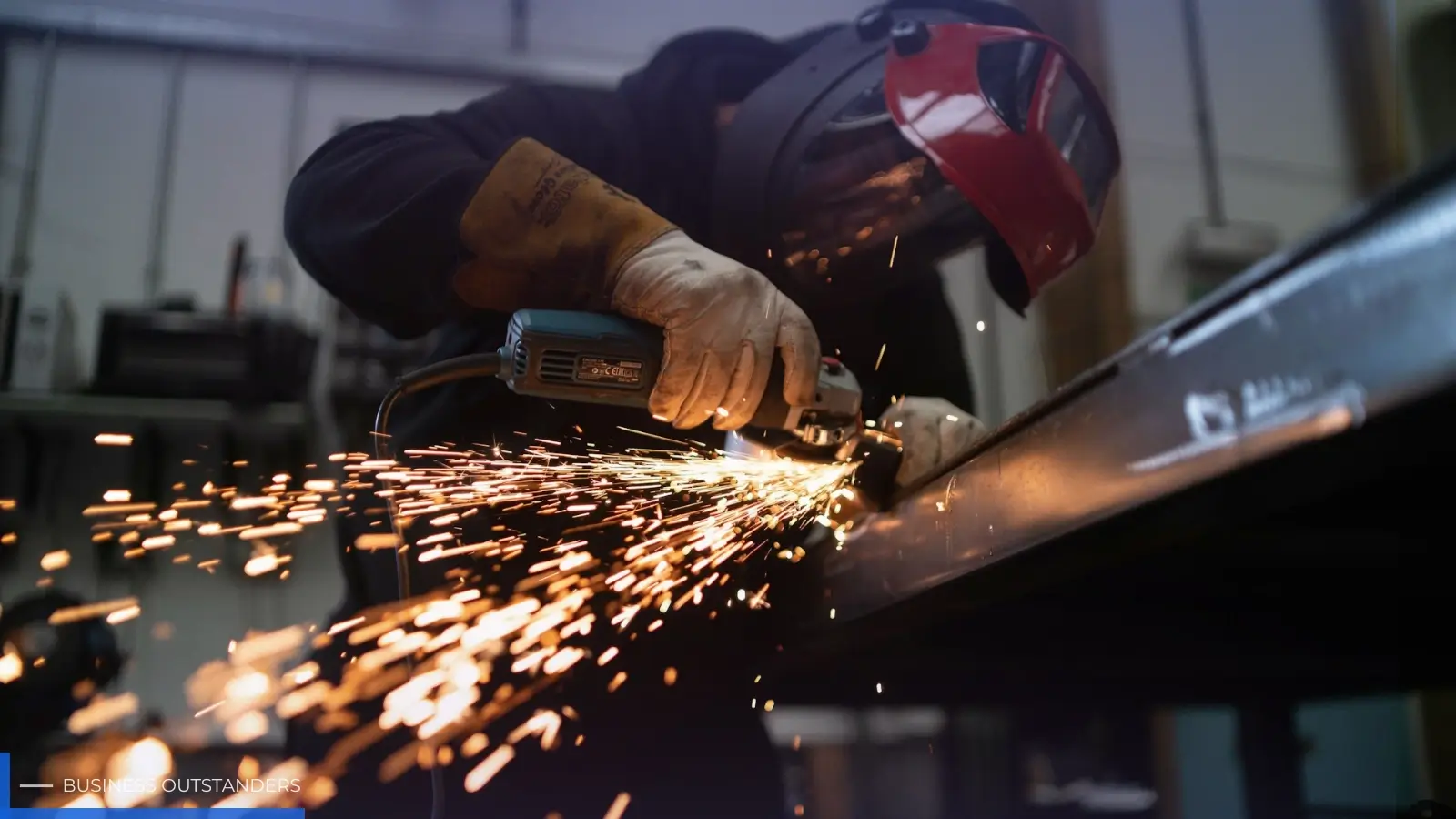
Metal fabrication, on the other hand, focuses on creating structures and finished products from raw metal materials. Fabricators cut, form, weld, and assemble metal into products designed for specific applications. Depending on the project, fabrication may involve anything from a simple support bracket to a large structural frame used in industrial facilities.
Many machine shops provide both machining and fabrication under one roof. This gives customers a single manufacturing partner capable of producing individual components, complete assemblies, and custom-engineered solutions without relying on multiple suppliers. It also helps improve quality control, reduce production time, and simplify project management.
Why These Services Matter Across Industries
Almost every industrial sector depends on precision machining and metal fabrication in some way. Manufacturing plants require custom machine components to keep production lines operating efficiently. Mining companies rely on heavy-duty parts that can withstand constant wear in harsh environments. Steel mills need equipment capable of handling high temperatures and continuous production cycles, while oil and energy operations depend on accurately manufactured components that perform reliably under extreme pressure.
Warehousing and conveyor systems also require precision-engineered rollers, shafts, brackets, and support structures to ensure smooth material handling. In heavy equipment and aerospace-related applications, even minor dimensional inaccuracies can affect performance, reliability, and safety.
Because every industry has unique operating conditions, there is rarely a one-size-fits-all solution. Precision machining and metal fabrication services allow manufacturers to produce components that meet exact specifications, ensuring they perform as intended while maintaining strength, durability, and long-term reliability.
The ability to customize parts is one of the biggest advantages of working with an experienced machine shop. Instead of adapting equipment to fit standard components, businesses can have components manufactured specifically for their machinery, operating conditions, and production requirements. This leads to better performance, longer equipment life, and fewer unexpected breakdowns.
Industries That Depend on Precision Machining and Fabrication
You don't have to look very far to find precision-machined parts. Walk through a warehouse and they're hidden inside conveyor systems that move products from one station to another. Visit a mine and you'll find them inside equipment that works in dust, mud, and constant impact. A steel mill has a different set of challenges, but the need is exactly the same. When a component wears out, the replacement has to fit properly. If it doesn't, the whole machine can end up sitting idle.
Manufacturing plants face similar situations. Equipment is often modified over the years, which means standard replacement parts aren't always available. Instead of redesigning an entire machine, companies usually have a replacement made to match the original part. It's quicker, and in many cases it's the only practical solution.
The oil and energy sector leaves very little room for error. Components are expected to keep working under heavy loads and difficult operating conditions. Aerospace-related work is even more demanding because the smallest mistake during manufacturing can have serious consequences later. That's why these industries work with machine shops that can consistently produce parts to the required specification rather than simply getting close.
Choosing a Machine Shop Isn't Just About Equipment
It's easy to be impressed by a workshop filled with modern CNC machines. Most companies showcase their equipment because it's easy to photograph and easy to explain. What you don't see is the experience behind every finished part.
Give the same drawing to two different machine shops and the results may not be identical. One shop might finish the job quickly but overlook details that only become obvious after the part is installed. Another might spend more time checking dimensions before the component ever leaves the workshop. That extra attention is often what separates a part that lasts from one that needs replacing far sooner than expected.
The people operating the machines matter just as much as the machines themselves. Years of experience help machinists recognise potential problems before they become expensive mistakes.
Small Errors Have a Way of Becoming Big Problems
Many manufacturers are investing in digital manufacturing and some digital transformations fail for certain reasons. Most industrial components don't fail overnight.
A shaft that isn't perfectly machined may still fit inside the machine. The equipment starts, production continues, and everything appears normal. Then vibration begins to develop. Bearings wear faster than expected. Before long, the machine is back in the workshop instead of doing its job.
The same thing can happen with fabricated parts. A frame that's slightly out of alignment may not cause immediate trouble, but over time the extra stress can affect surrounding components. Repairs that could have been avoided end up costing far more than the original part.
For that reason, experienced machine shops don't judge a job by how quickly it leaves the workshop. They judge it by how well it performs once it's in service.
Why Companies Continue to Work With CT Products
Industrial businesses rarely change suppliers without a good reason. When a machine shop consistently delivers parts that fit correctly and perform as expected, it often becomes a long-term manufacturing partner rather than just another supplier.
That's one reason companies choose CT Products. Their team manufactures precision components for customers working in industries where downtime can become expensive very quickly. Whether the job involves equipment used in mining, steel production, industrial manufacturing, warehousing, conveyor systems, oil and energy, or aerospace-related work, the goal remains the same. Produce components that match the drawing and perform reliably in the conditions they were built for.
Every project is different, so the solution shouldn't be identical every time. Custom machining and fabrication allow businesses to replace worn parts, improve existing equipment, or build completely new components without compromising on quality
Frequently Asked Questions
What are precision machining and metal fabrication services?
They involve making, repairing, or modifying metal parts for industrial equipment and machinery.
What is the difference between machining and fabrication?
Machining removes material to create a part. Fabrication cuts, bends, and joins metal to build a finished product.
Which industries use these services?
Many industries use them, including manufacturing, mining, steel, oil and energy, warehousing, and aerospace.
Can machine shops make custom parts?
Yes. They can manufacture parts based on your drawings or sample components.
Why is precision important?
A correctly made part fits better, lasts longer, and helps equipment run smoothly.
Business Outstanders brings you sharp insights on tech, business, entrepreneurship, law, crypto, and more. We uncover what’s next. Stay updated, sign up for our newsletter and be part of the future!