A machine stops in the middle of a production run. Orders begin piling up, operators wait for instructions, and every minute of downtime starts costing money. The first thought might be, "We need a new machine." But that's rarely the decision manufacturers make.
In many cases, the problem isn't the entire machine. It could be a worn shaft, a damaged gear, a cracked mounting plate, or another component that has simply reached the end of its service life. Replacing one part is very different from replacing an entire piece of equipment.
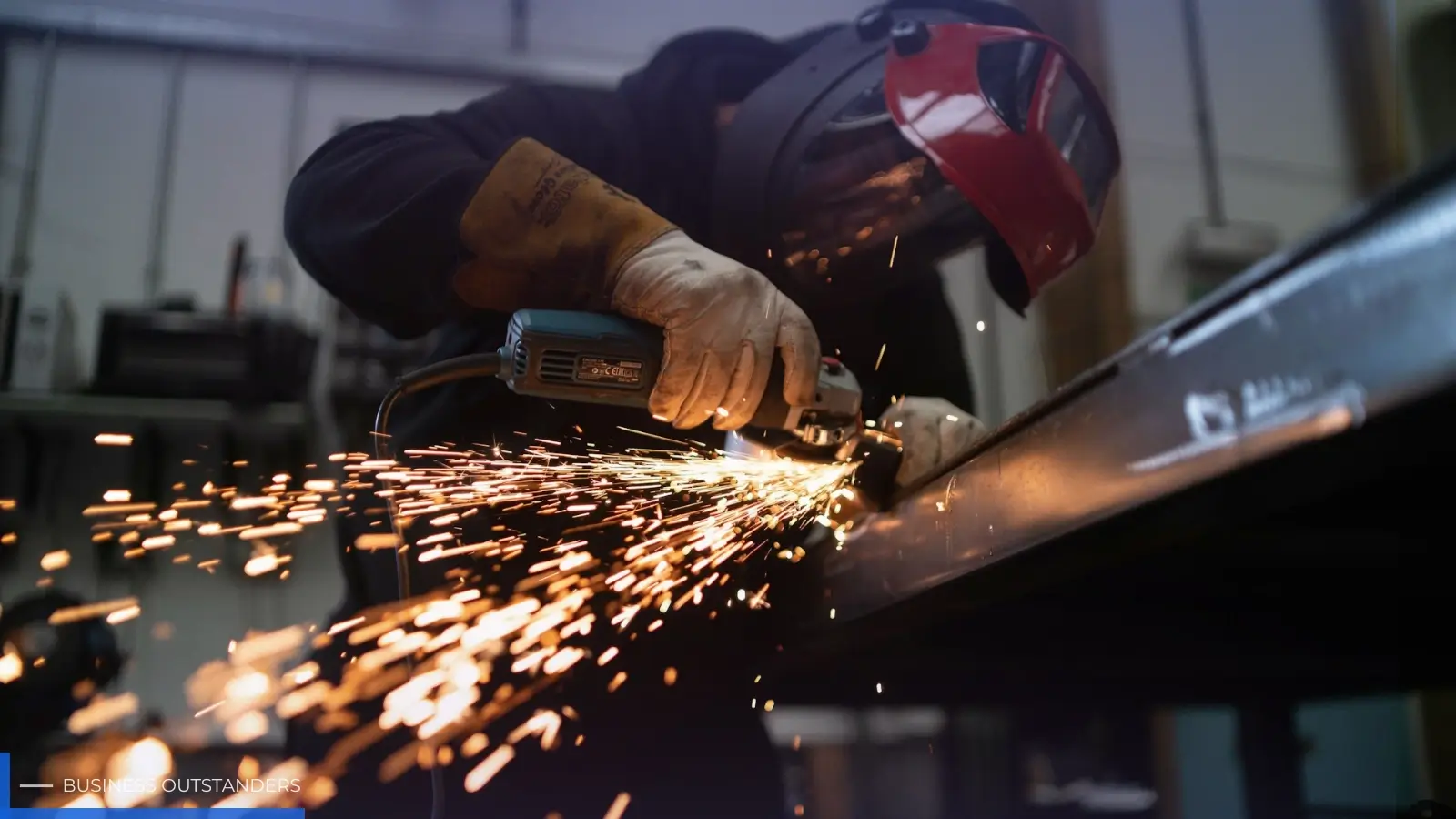
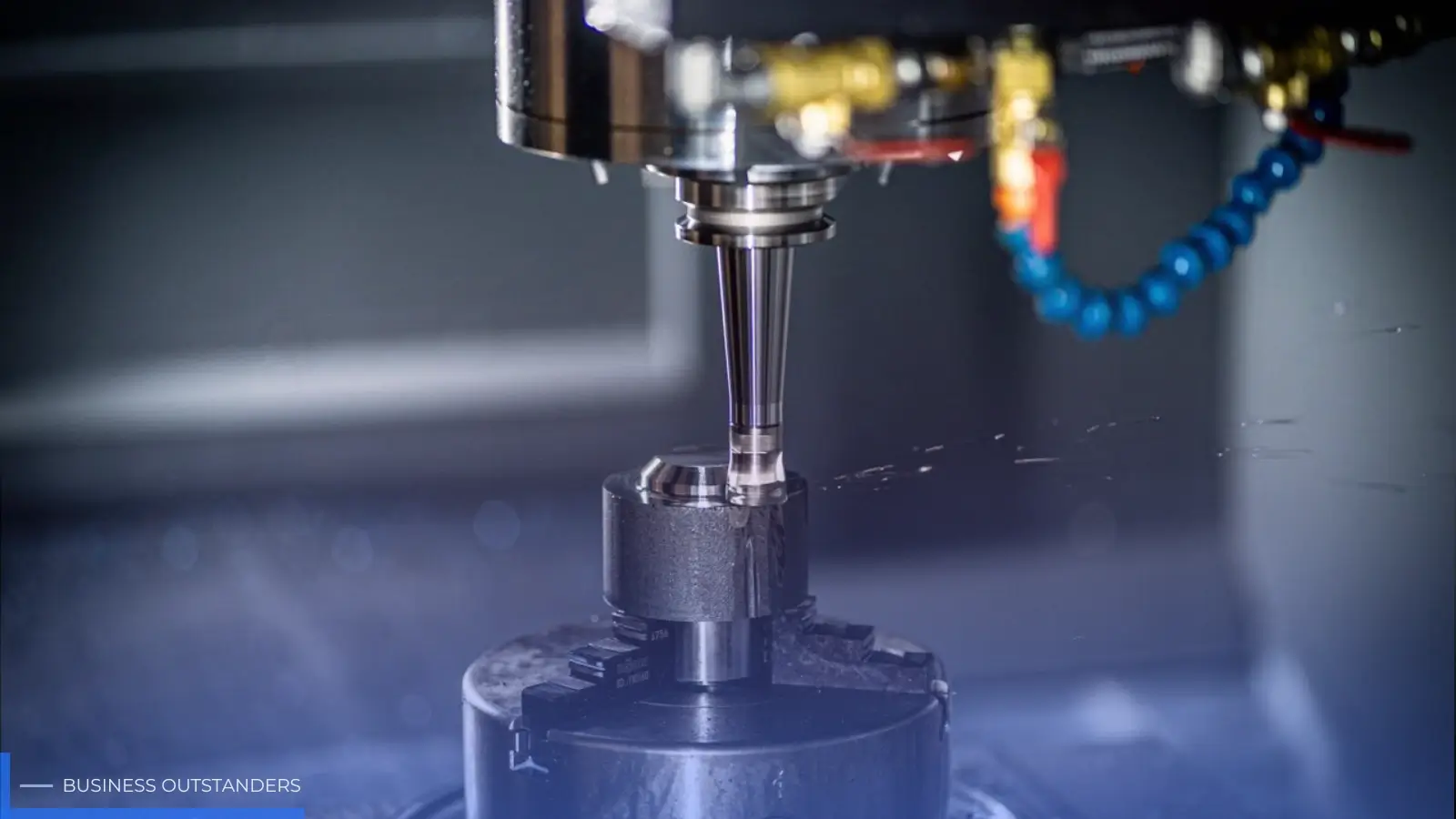
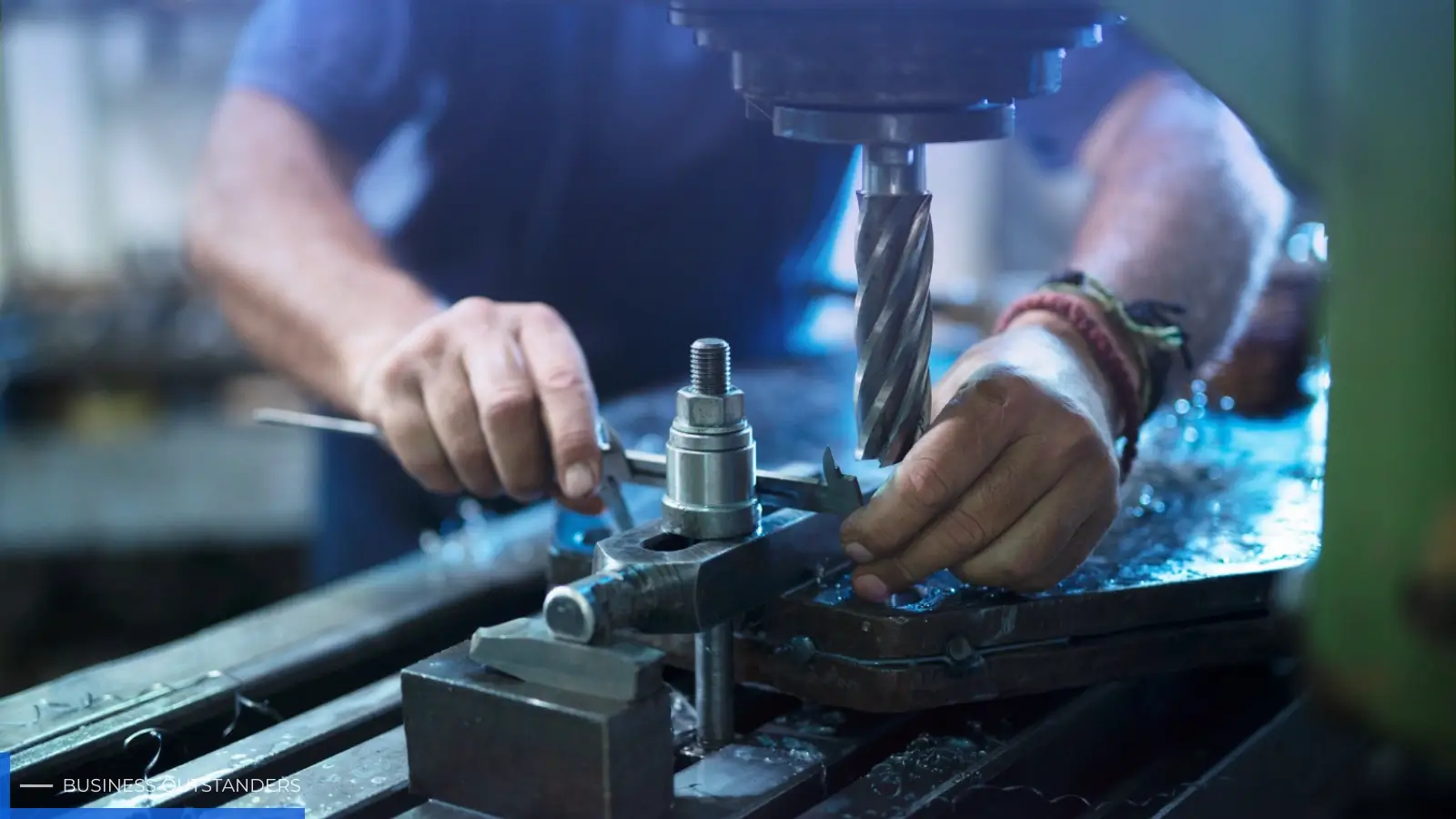
That's why many industrial businesses turn to precision machining and metal fabrication services before considering a major equipment purchase. Rather than spending heavily on new machinery, they invest in custom-made components that restore existing equipment and keep production moving. Companies like CT Products, known for their Machine and Fabrication Shop Services, manufacture high-quality precision parts using advanced equipment and proven machining techniques. Their work supports industries such as industrial manufacturing, mining, steel production, warehousing and conveyor systems, oil and energy, heavy equipment, and aerospace-related applications where reliability isn't optional.
For many businesses, it's not about finding the cheapest solution. It's about finding the smartest one.
Sometimes the Smallest Part Causes the Biggest Problem
Walk through any manufacturing plant and you'll find machines that have been running for years. Some are decades old. They continue to do exactly what they were designed to do because they've been properly maintained.
Eventually, though, parts wear out. Bearings fail. Rollers become damaged. Metal components develop cracks after years of heavy use. None of this is unusual. It's simply part of operating industrial equipment.
The challenge begins when replacement parts are no longer available.
Some machines have been discontinued. Others have been modified over the years, making standard replacement parts unsuitable. Waiting for imported components may take weeks, and in manufacturing, waiting is expensive.
Instead of parking a perfectly good machine, many companies have the damaged component remanufactured.
A skilled machine shop can produce a replacement that matches the original dimensions and performs exactly as required. The result is often faster than sourcing an original part and considerably less expensive than replacing the entire machine.
Sometimes the best investment isn't buying something new. It's making what already works last longer.
When Repairing Makes Better Business Sense Than Replacing
Buying a new machine sounds like a long-term solution, but it isn't always the most practical one. In many industries, the equipment itself still has plenty of life left. The issue is often limited to a handful of worn or damaged parts.
Take a conveyor system in a warehouse, for example. If a custom roller or support bracket fails, replacing the entire conveyor would make little sense. The same applies to a mining operation where one machined component wears out after years of heavy use.
The machine still works. It simply needs the right replacement part.
That is where custom machining makes a real difference.
Instead of adapting the business to fit an off-the-shelf component, manufacturers can produce a part that matches the original specifications. The repaired machine returns to service without the cost and disruption of replacing the entire system.
For businesses watching both budgets and deadlines, that approach often delivers far better value.
Custom Parts Keep Older Equipment Working
Not every factory operates with the latest machinery. Many businesses continue using equipment that has proven reliable for years because replacing it simply isn't necessary.
The problem comes when original replacement parts become difficult to find. Manufacturers discontinue product lines, suppliers change, and some machines are no longer supported. A broken component can suddenly become impossible to purchase.
That doesn't mean the machine has reached the end of its life.
Using precision machining and metal fabrication services, manufacturers can reproduce parts that are no longer available. Whether it's a shaft, housing, plate, or structural component, an experienced machine shop can build a replacement that fits the equipment correctly and performs as intended.
For many companies, this is the difference between getting production running again in days instead of waiting months for a replacement machine or imported part.
Choosing the Right Manufacturing Partner Matters
Not every machine shop approaches a project the same way.
Some simply manufacture the part they're given. Others take the time to understand how the component works, the conditions it operates in, and whether there is a better way to produce it. That extra attention can make a noticeable difference once the part is back in service.
An experienced manufacturer also knows that accuracy goes beyond measurements. Material selection, machining methods, surface finishing, and quality checks all play a role in how long a component will last. Getting those details right helps businesses avoid repeat failures and unexpected downtime.
This is where working with an established partner becomes valuable. Companies need more than someone who can machine metal. They need a team that understands industrial applications and can deliver components that perform reliably in demanding environments.
Manufacturing remains one of the key drivers of economic growth, with organizations like the National Association of Manufacturers highlighting the industry's role in innovation, productivity, and supply chain resilience.
CT Products has built its reputation by supporting businesses that rely on dependable precision machining and metal fabrication services. From manufacturing replacement parts to producing custom components for new projects, the company combines modern equipment with practical experience to deliver solutions that meet exact customer requirements.
Frequently Asked Questions
Why do companies choose custom machining instead of buying new equipment?
Replacing one damaged part is often much cheaper than buying a new machine. It also helps reduce downtime and keeps production running.
What are precision machining and metal fabrication services?
These services are used to make, repair, or modify metal parts for industrial equipment. They help businesses keep machines working properly.
Which industries use these services?
Many industries use them, including manufacturing, mining, steel production, oil and energy, warehousing, and heavy equipment.
Can custom-made parts replace original parts?
Yes. When made by an experienced machine shop, custom parts are designed to fit properly and perform like the original.
How do these services help businesses?
They help businesses save money, reduce downtime, and extend the life of valuable equipment.
Business Outstanders brings you sharp insights on tech, business, entrepreneurship, law, crypto, and more. We uncover what’s next. Stay updated, sign up for our newsletter and be part of the future!