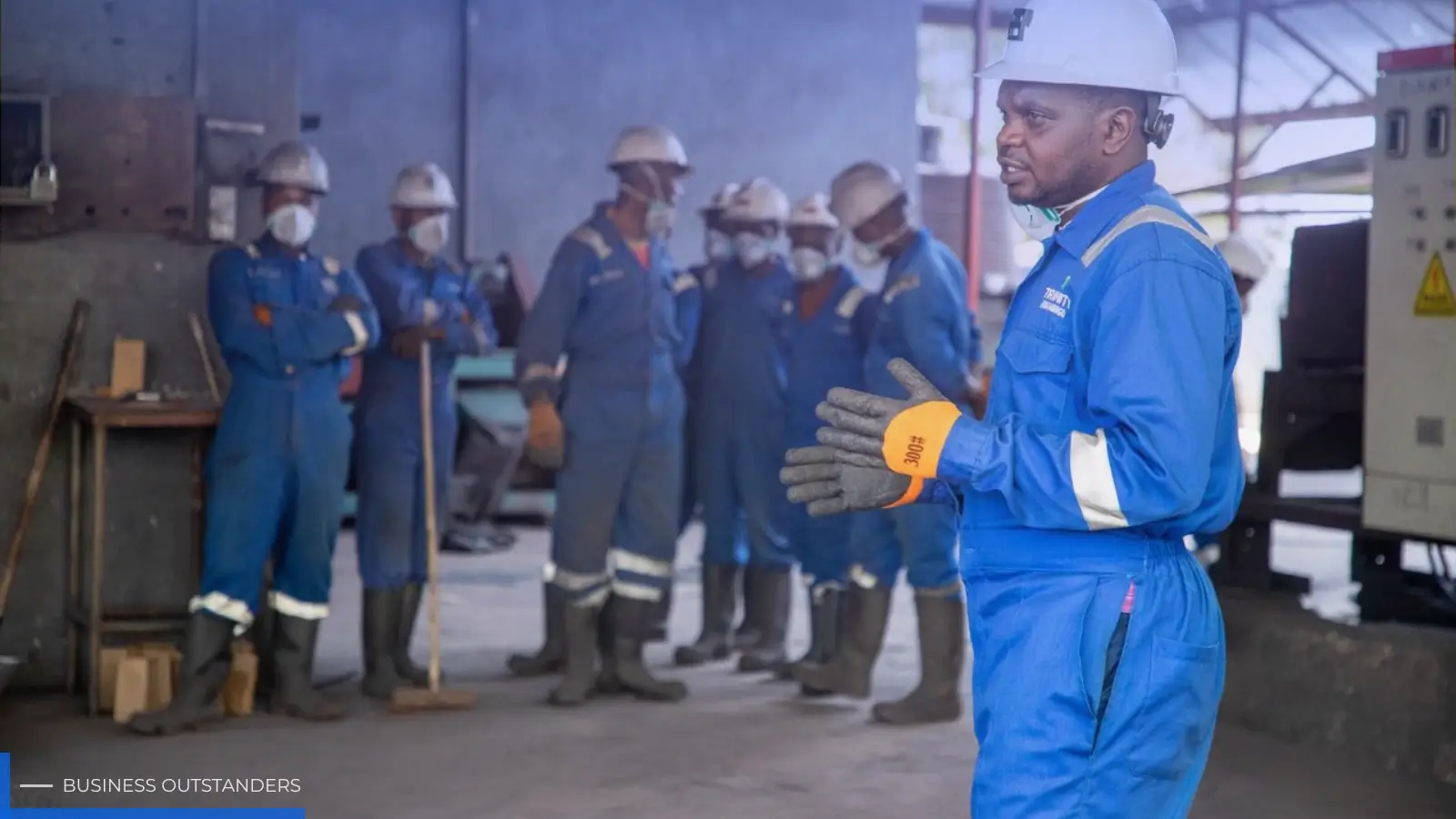
Workplace safety is often viewed as a checklist of legal requirements that businesses must meet to avoid fines and penalties. While regulatory compliance is essential, it is only one piece of a much larger picture. A truly safe workplace reflects an organization's commitment to its employees, operational excellence, and long-term sustainability. When businesses prioritize safety beyond legal obligations, they protect lives, strengthen their reputation, and create an environment where people can thrive. In unfortunate situations where negligence results in a fatal accident, affected families may seek guidance from a wrongful Death Lawyer to understand their legal rights while businesses face serious financial and reputational consequences.
Safety Builds a Stronger Workplace Culture
A company that values workplace safety sends a clear message to its employees: their well-being matters. This commitment creates trust, boosts morale, and encourages workers to take ownership of safe practices in their daily tasks.
Employees who feel protected are more engaged and productive. They are also more likely to report hazards, participate in safety training, and contribute ideas for improving workplace conditions. Instead of viewing safety as a burden, they begin to see it as a shared responsibility that benefits everyone.
Organizations with strong safety cultures also experience lower staff turnover. Employees appreciate working for employers who invest in their health and security, making it easier to attract and retain skilled professionals.
The Financial Impact Goes Beyond Fines
Many business leaders focus on avoiding regulatory penalties, but the financial consequences of workplace accidents extend much further. Medical expenses, workers' compensation claims, legal fees, equipment damage, project delays, and productivity losses can quickly accumulate after a serious incident.
Additionally, workplace accidents often increase insurance premiums and may lead to costly litigation. Businesses may lose valuable contracts if clients question their commitment to maintaining safe operations.
Investing in preventive measures, regular training, and updated safety equipment often costs far less than dealing with the aftermath of a major workplace accident. Proactive safety management is not just an ethical decision—it is a smart financial strategy.
Reputation Is One of a Company's Most Valuable Assets
In today's connected world, news of workplace accidents spreads quickly. Customers, investors, and business partners pay close attention to how organizations handle employee safety.
A single preventable incident can damage years of brand building. Companies known for poor safety standards may struggle to recruit top talent, retain customers, or secure future business opportunities.
On the other hand, organizations recognized for maintaining high safety standards often enjoy stronger public trust. Demonstrating genuine concern for employee welfare reinforces a company's credibility and strengthens long-term relationships with stakeholders.
Leadership Sets the Standard
Safety begins at the top. Executives and managers who actively promote safe practices create an environment where employees understand that safety is a core business priority rather than a compliance exercise.
Effective leaders regularly review safety policies, encourage open communication, and respond quickly to reported hazards. They allocate resources for employee training, equipment maintenance, and continuous improvement instead of treating safety as an afterthought.
When leadership consistently models safe behavior, employees are more likely to follow established procedures and remain vigilant in identifying potential risks.
Prevention Is Always Better Than Reaction
Many workplace incidents can be prevented through proper planning and risk assessment. Regular inspections, hazard identification, emergency response planning, and employee education significantly reduce the likelihood of accidents.
Businesses that adopt a proactive approach continually evaluate their operations to identify new risks as technologies, equipment, and work environments evolve. They don't wait for an incident to expose weaknesses in their safety systems.
This preventive mindset helps organizations maintain business continuity while protecting employees from avoidable harm.
Legal Consequences Can Last for Years
When workplace negligence contributes to severe injuries or fatalities, the legal consequences can extend far beyond regulatory investigations. Civil lawsuits, compensation claims, and lengthy court proceedings can place tremendous financial and emotional strain on businesses.
Families affected by preventable workplace fatalities often seek assistance from a Wrongful Death Lawyer to pursue accountability and compensation for their loss. These legal actions not only impact the organization's finances but may also expose broader failures in safety management that could have been addressed earlier.
For businesses, maintaining comprehensive safety programs is one of the most effective ways to reduce both legal exposure and human tragedy.
Continuous Improvement Creates Long-Term Success
Workplace safety should never remain static. As industries evolve, businesses must regularly update their policies, training programs, and emergency procedures to address changing risks.
Conducting routine safety audits, gathering employee feedback, and analyzing incident reports help organizations identify opportunities for improvement. Even near misses can provide valuable lessons that prevent future accidents.
Continuous improvement demonstrates that safety is an ongoing commitment rather than a one-time compliance requirement. Companies that embrace this mindset often experience greater operational efficiency alongside improved employee confidence.
Supporting Employees During Difficult Times
Despite the best preventive efforts, accidents can still occur. How a company responds afterward speaks volumes about its values.
Providing immediate medical assistance, communicating transparently, supporting affected employees and their families, and cooperating fully with investigations demonstrate responsible leadership. Businesses should also carefully review each incident to prevent similar events from happening again.
In situations involving fatal workplace accidents, families frequently consult a Wrongful Death Lawyer to better understand their legal options. While legal processes address accountability, businesses should remain focused on learning from these events and strengthening their safety practices to protect future employees.
Conclusion
Regulatory compliance establishes the minimum standard for workplace safety, but exceptional businesses aim much higher. A strong safety culture protects employees, reduces financial risk, strengthens brand reputation, and supports sustainable business growth. Organizations that view safety as a strategic investment rather than a legal obligation create healthier workplaces and stronger companies.
Ultimately, every safety decision reflects a company's values. By prioritizing prevention, continuous improvement, and employee well-being, businesses not only comply with regulations but also build a foundation for lasting success while minimizing the devastating human and legal consequences of preventable workplace accidents.
Business Outstanders brings you sharp insights on tech, business, entrepreneurship, law, crypto, and more. We uncover what’s next. Stay updated, sign up for our newsletter and be part of the future!