Choosing between a buffet and a sit down dinner is often treated as a simple question of formality. Buffets are considered casual, while plated meals are considered elegant. In practice, the better choice has less to do with appearances and more to do with how you want guests to move, talk, eat, and experience the event.
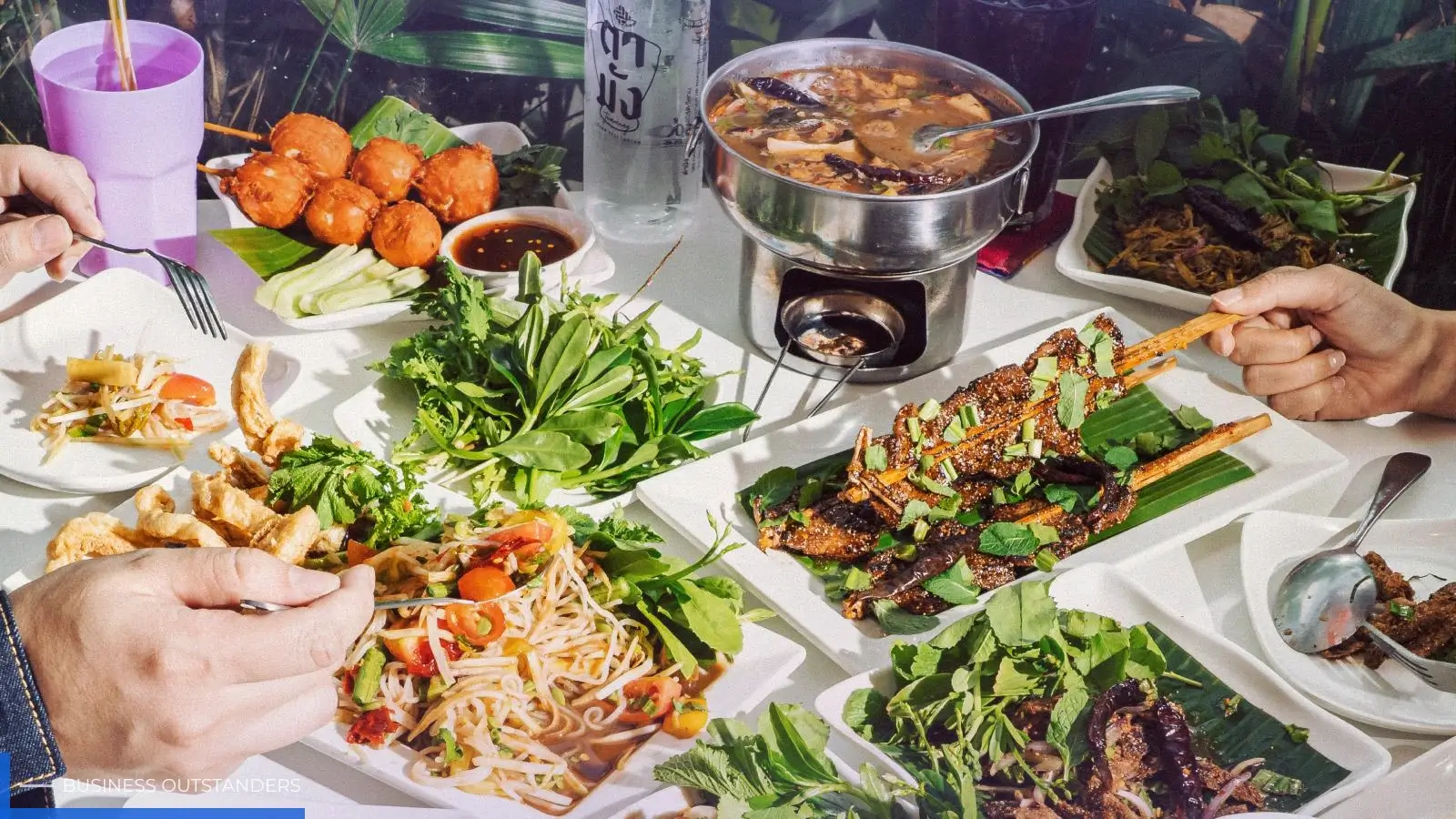
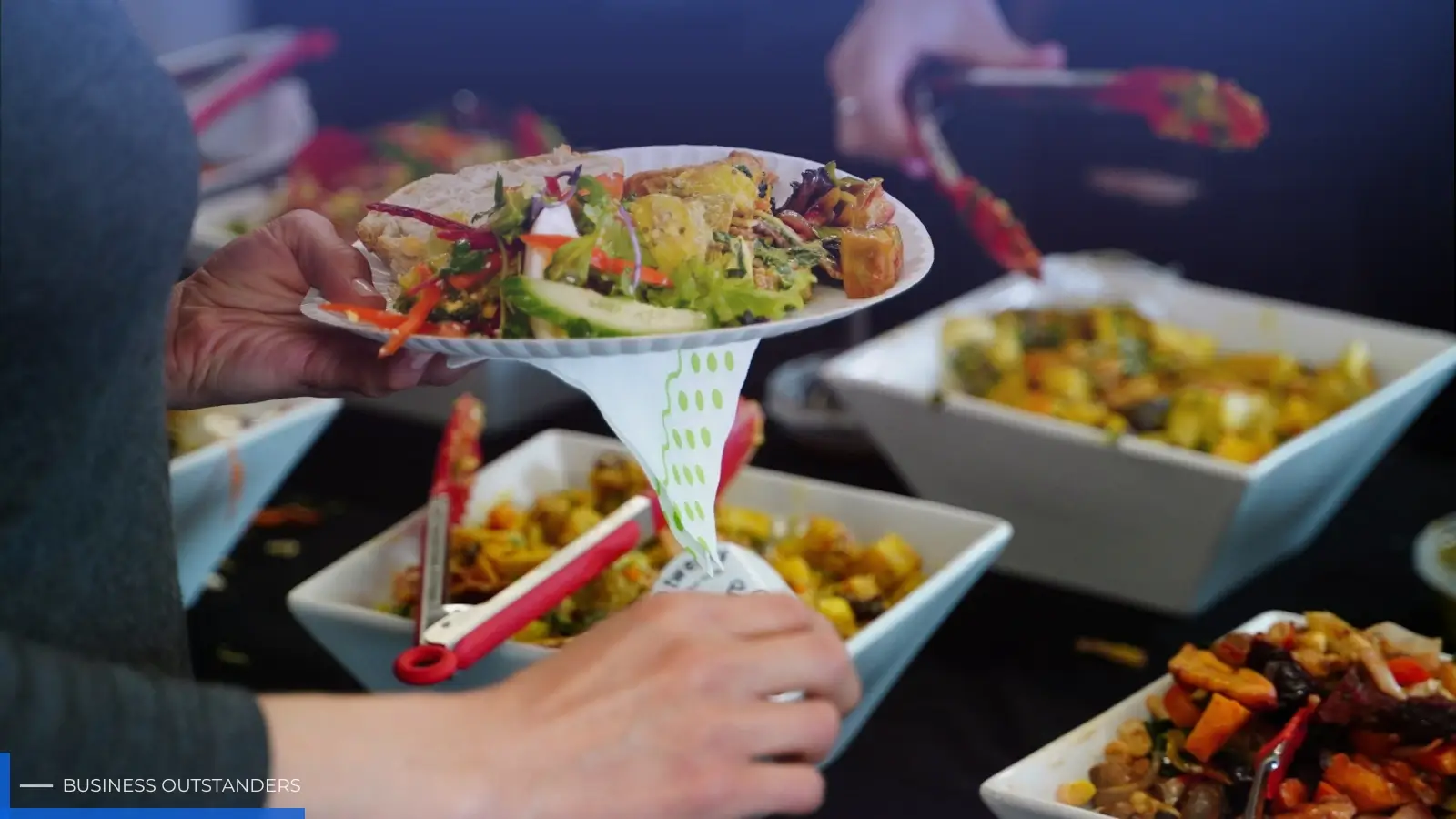
A buffet turns the meal into an active part of the gathering. Guests leave their seats, explore the menu, and cross paths with people they may not have spoken to otherwise. Options such as buffet catering can also give guests the freedom to create plates based on their preferences. A sit down dinner creates a different rhythm, with courses arriving according to a schedule and most conversations staying centered around assigned tables.
Neither format is automatically better. The right choice depends on the venue, guest list, menu, budget, schedule, and atmosphere you want to create. Looking at the experience from a guest’s point of view can make the decision much clearer.
Buffets Give Guests More Control
One of the strongest advantages of a buffet is choice. Guests can see the available dishes, decide what appeals to them, and select their own portions. Someone with a small appetite can take a modest plate, while a hungrier guest can choose a fuller meal.
This flexibility is particularly helpful when the menu includes different proteins, vegetables, grains, salads, sauces, and sides. Guests can combine ingredients according to their tastes instead of receiving a plate that may include foods they do not enjoy.
Buffets can also make dietary preferences easier to manage when dishes are clearly labeled. Vegetarian and vegan guests may be able to build complete meals from several options rather than relying on one substitute entree. However, hosts should still discuss allergies and dietary restrictions with the caterer. A buffet does not automatically prevent contact between ingredients, especially when guests move serving utensils between dishes.
Choice can become a disadvantage when too many options are offered. A large menu may increase costs, create waste, and slow the serving line as guests consider every dish. A focused selection usually works better than an oversized spread.
Buffets Encourage Movement and Conversation
At a sit down dinner, guests often spend most of the meal speaking with the people seated beside them. A buffet changes that pattern by encouraging movement around the room.
People meet near serving stations, return to tables at different times, and may choose new seats after getting another plate. This can make a buffet especially effective for family reunions, company gatherings, graduation parties, and other events where mingling is part of the goal.
Movement also keeps a casual event from feeling too structured. Guests can eat when they are ready, take a break between servings, and return for a favorite dish without waiting for a formal course.
The downside is that frequent movement can make the room feel unsettled. Chairs may be pulled out, guests may cross busy walkways, and conversations can be interrupted when several people leave a table at once. Anyone using a wheelchair, walker, cane, or other mobility aid may also find a crowded buffet difficult to navigate.
Hosts should provide wide, clear paths and place food at an accessible height. Reviewing the 2010 ADA Standards for Accessible Design can help event planners think more carefully about routes, floor space, seating, and physical access.
Buffets Can Create Long Lines
The serving line is probably the most familiar disadvantage of buffet service. If every guest approaches one table at the same time, the first people may finish eating before the last people receive their food.
Lines become especially slow when guests must serve complicated dishes, read several labels, or wait for someone to carve meat. Placing plates, utensils, sauces, and beverages in one crowded area can make the problem worse.
A good layout can reduce delays. Large events may need two identical buffet lines or several smaller stations. Salads and cold dishes can occupy one area, while hot foods are placed in another. Drinks should usually have their own station so guests do not block the food line while preparing coffee or filling glasses.
Tables can also be invited to the buffet in groups rather than all at once. This requires some coordination, but it gives guests more room and keeps the serving area manageable.
A sit down dinner avoids most buffet lines because food is delivered directly to each guest. However, poor staffing can create a different delay. One table may receive its meals several minutes before another, leaving guests unsure whether they should begin eating.
Buffets Usually Require More Food
Buffets often require a larger food supply because guests control their portions. Some people take more than they will eat, while others return for several servings. Caterers must also keep enough food on display so the buffet continues to look inviting.
Predicting demand can be difficult. One dish may disappear quickly while another remains mostly untouched. Hosts may pay for extra food to reduce the risk of running out, particularly when the event includes a large group or an uncertain guest count.
That does not mean a buffet must be wasteful. Smaller serving trays can be replenished as needed, which helps food remain fresh and prevents too much from sitting out at once. Caterers can also use past experience to estimate how much of each menu item is appropriate for the group.
Food temperature deserves close attention throughout buffet service. The USDA guidance for keeping food safe at a buffet explains how warming equipment, ice, and smaller serving platters can help maintain safer conditions.
A sit down meal offers stronger portion control. The kitchen prepares a set number of plates with consistent amounts, making food quantities easier to calculate. Still, waste can occur when guests do not finish fixed portions or receive dishes they did not choose.
Sit Down Dinners Create a Clear Schedule
A plated dinner gives the event a defined structure. Guests are seated, courses arrive at planned times, and speeches or presentations can be scheduled between service periods.
This structure works well for weddings, award dinners, formal celebrations, and events where organizers need everyone’s attention at specific moments. Guests know when to eat, when to listen, and when they are free to move around.
A predictable schedule can also make the meal feel more polished. Servers clear plates, refill drinks, and deliver each course without asking guests to leave their seats. Older guests and people with mobility challenges may appreciate having the meal brought directly to them.
However, plated service can feel too rigid for a relaxed gathering. Late arrivals may miss a course, conversations may be interrupted by service, and guests may feel tied to their assigned seats. A carefully timed meal also leaves less room for spontaneous changes.
Hosts must coordinate closely with the caterer, venue, speakers, and entertainment. A speech that runs long can delay the next course, while a slow kitchen can affect the entire program.
Sit Down Dinners Offer a More Consistent Presentation
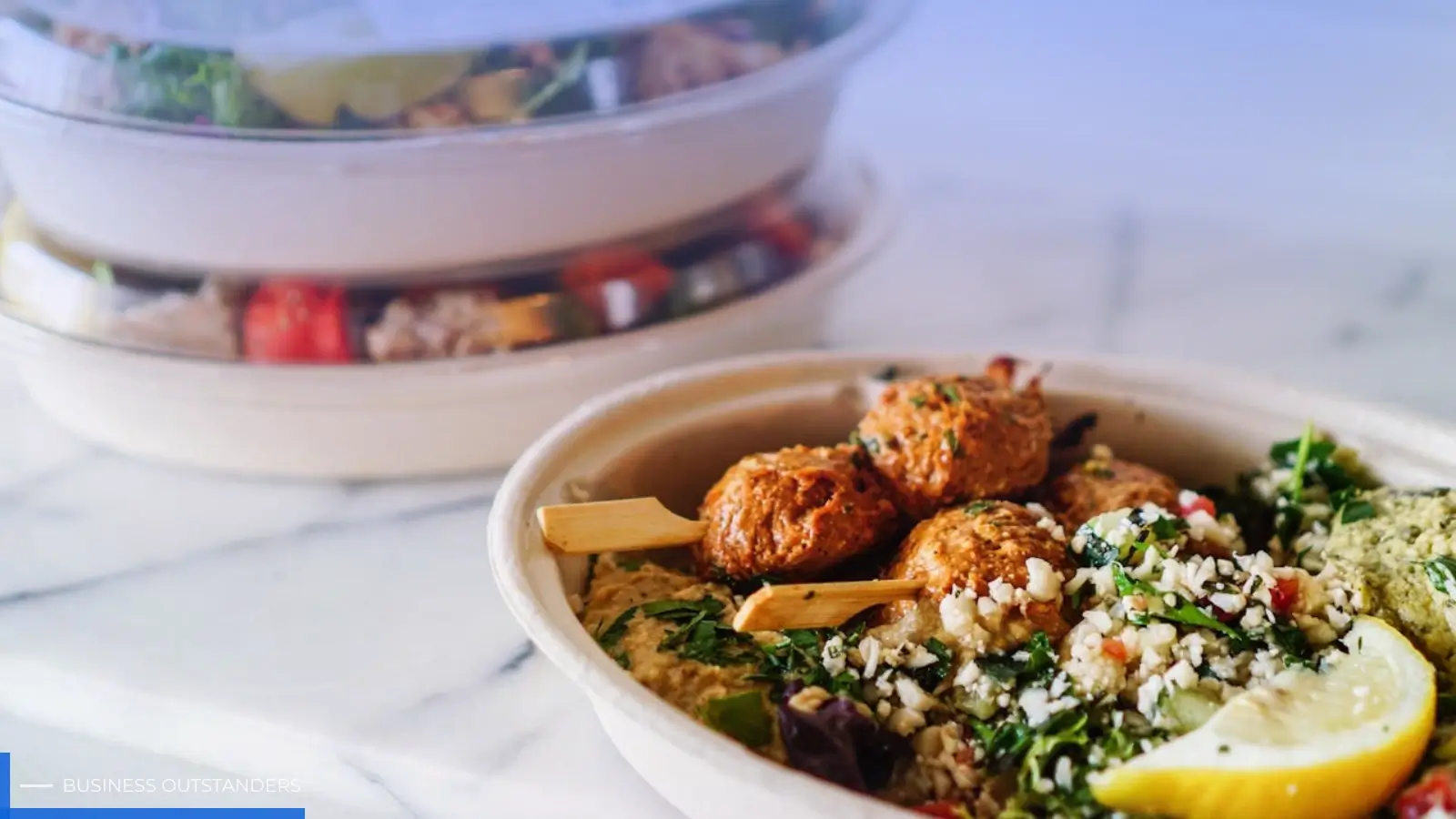
With plated service, each guest receives a meal arranged by the kitchen. Portions, garnishes, and presentation can remain consistent across the room. This creates a strong visual effect and can make dinner feel like a central feature of the event.
A plated format also reduces the mess that sometimes develops at a buffet. Serving dishes stay in the kitchen or service area, and guests do not carry full plates through a crowded room.
The limitation is that guests usually have fewer choices. They may select an entree in advance, but they cannot easily adjust every side, sauce, or portion. Someone who dislikes one part of the plate may simply leave it uneaten.
Collecting meal selections adds another planning task. Hosts need accurate responses, clear seating information, and a system for showing servers which guest ordered each meal. Last minute seat changes can create confusion.
Dietary meals must also be identified and delivered correctly. Clear place cards, seating charts, or discreet meal markers can help the service team avoid mistakes.
Sit Down Service May Require More Staff
Buffets require attendants for setup, replenishment, cleaning, and sometimes serving, but plated dinners generally depend on a larger service team. Servers must deliver meals to every table, coordinate courses, clear dishes, and respond to guest requests.
Staffing can raise the total price even when portion control lowers food costs. Plates, flatware, glassware, linens, kitchen equipment, and cleanup services may also add to the bill.
Before comparing proposals, ask what each price includes. A buffet quote may exclude attendants, serving equipment, or tableware. A plated dinner quote may include staff but charge separately for rentals or additional service hours.
Venue design also affects labor. Long distances between the kitchen and dining room, narrow hallways, elevators, or stairs can slow service and require more staff. A caterer should inspect the location or review detailed venue information before recommending a format.
The Guest List Should Guide the Decision
The best service style is the one that supports the people attending. A younger, social crowd may enjoy the freedom of a buffet. A group with many older adults may prefer table service. Families with children might appreciate flexible portions, while guests attending a formal fundraiser may expect a more structured meal.
Consider how well the guests know one another. A buffet can encourage interaction at an event where mingling is important. A sit down dinner may be better when assigned seating is intended to guide introductions or support focused conversation.
The length of the event matters too. A buffet can work well for an open house where guests arrive at different times. A plated dinner is more suitable when everyone arrives together and follows the same program.
You can also combine elements of both styles. Appetizers might be served from stations before a plated dinner. A seated event could end with a dessert buffet. A buffet meal might include attendants who serve the main dishes while guests choose their own sides.
Choose the Experience, Not the Label
Buffets offer variety, movement, customization, and an informal social atmosphere. Their weaknesses include lines, food waste, temperature management, and accessibility concerns. Sit down dinners provide structure, consistent presentation, portion control, and direct service, but they require careful timing, more staffing, and accurate meal planning.
The decision should not come down to whether one style appears more impressive. Think about what guests will actually do. Will they enjoy moving around and building their own plates, or would they rather remain seated while dinner arrives? Does the venue have room for serving stations, or is it better suited to table service? Does the event need a strict program, or should guests be free to eat at their own pace?
Once you answer those questions, the right format usually becomes obvious. A successful meal is not defined by whether guests stand in line or sit through several courses. It is defined by whether they feel comfortable, included, well fed, and able to enjoy the gathering.
Business Outstanders brings you sharp insights on tech, business, entrepreneurship, law, crypto, and more. We uncover what’s next. Stay updated, sign up for our newsletter and be part of the future!