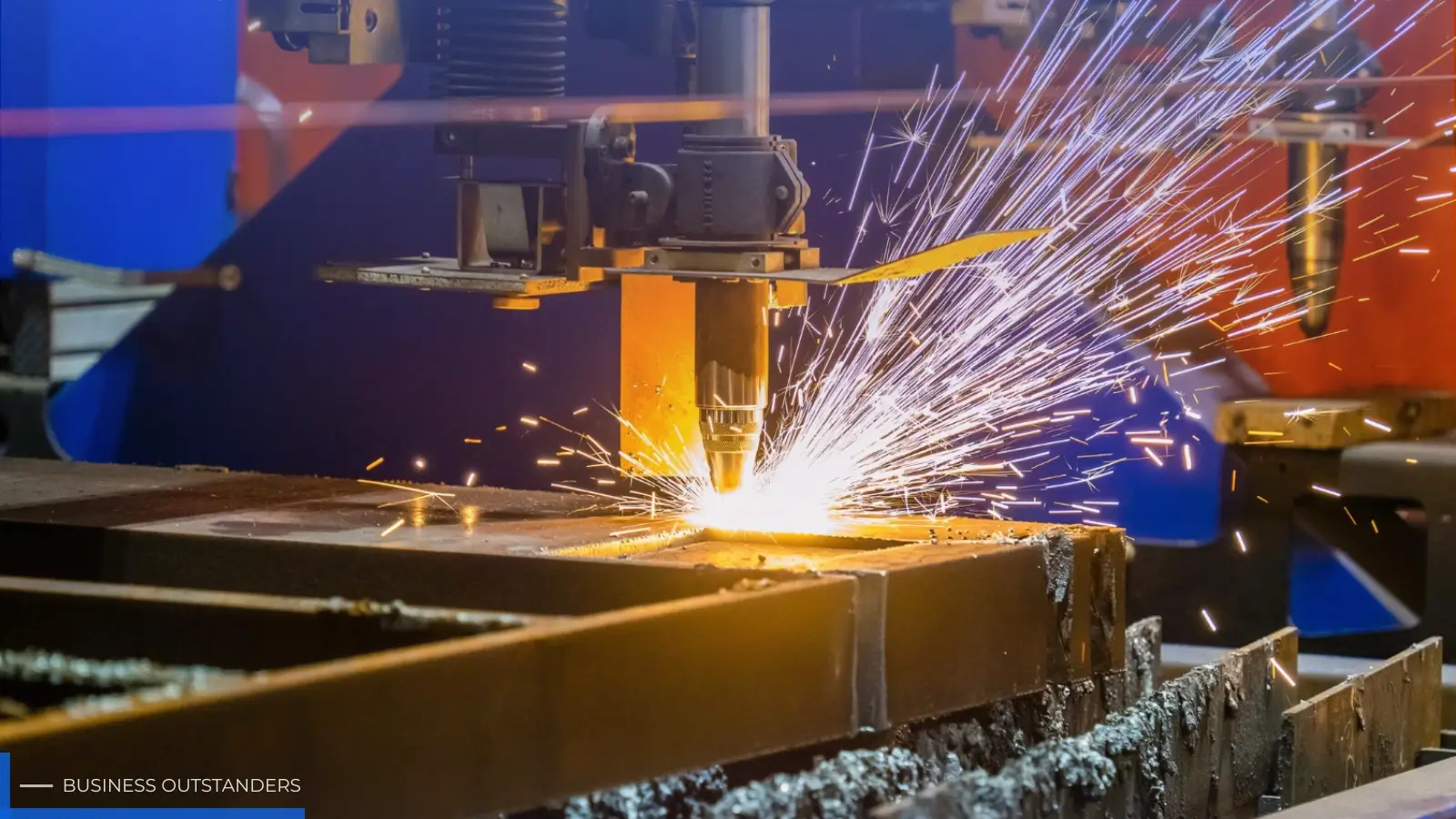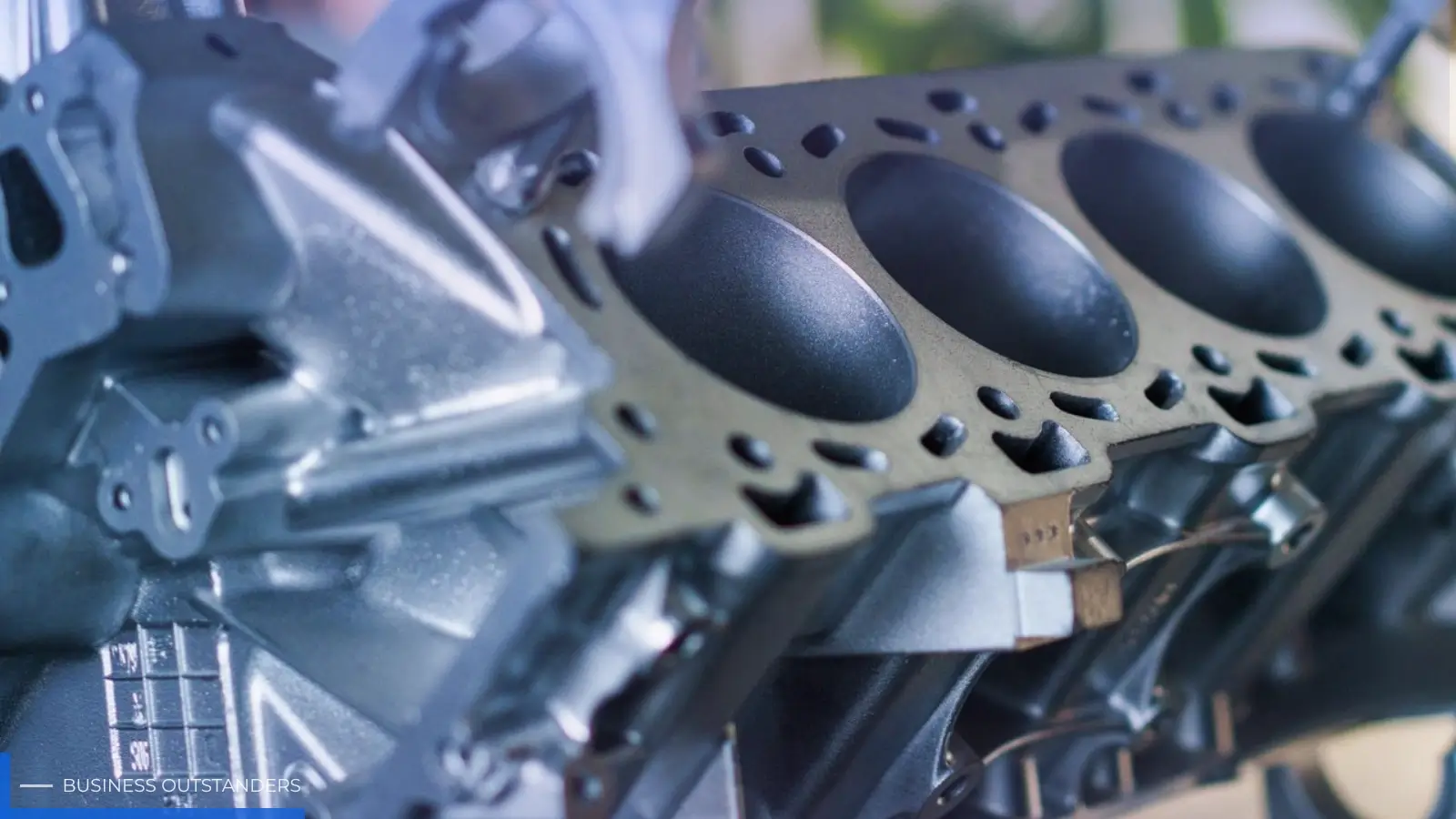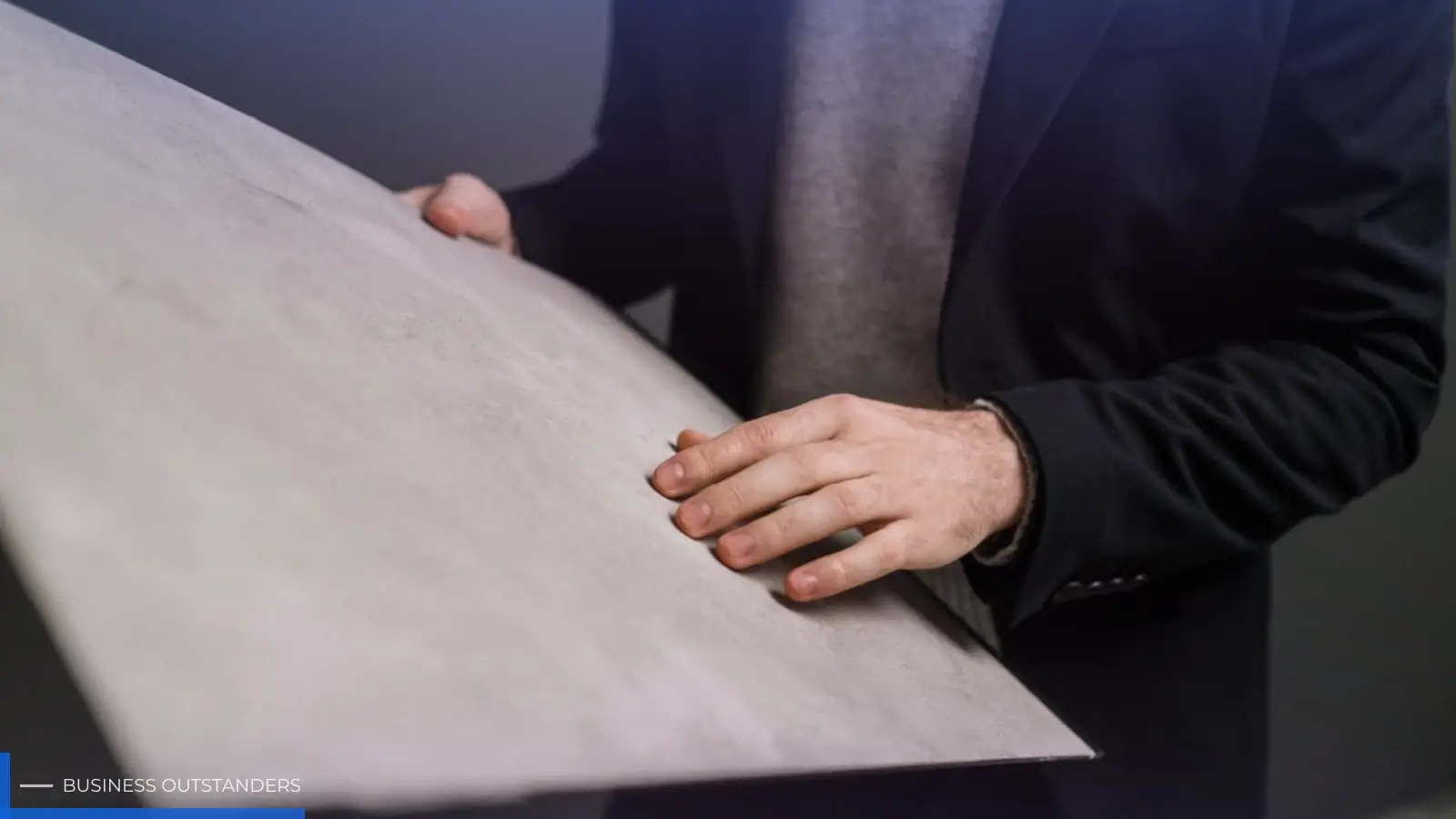
Metal fabrication stands at the forefront of manufacturing innovation, continually evolving to meet the demands for faster, more cost-effective, and environmentally conscious production. As new processes and technologies emerge, the industry is undergoing a transformation that promises greater efficiency and capabilities than ever before. For businesses seeking a competitive edge, understanding and leveraging these advancements, including working with custom metal fabricators, has become essential.
The convergence of digital design, automation, and advanced materials engineering has allowed fabricators to push beyond traditional boundaries. Today’s metal fabrication incorporates groundbreaking techniques that once seemed more like science fiction than manufacturing reality. In this article, we explore the most exciting developments that are reshaping the future of metal fabrication, from additive manufacturing to the creation of complex hybrid structures.
Additive Manufacturing in Metal Fabrication
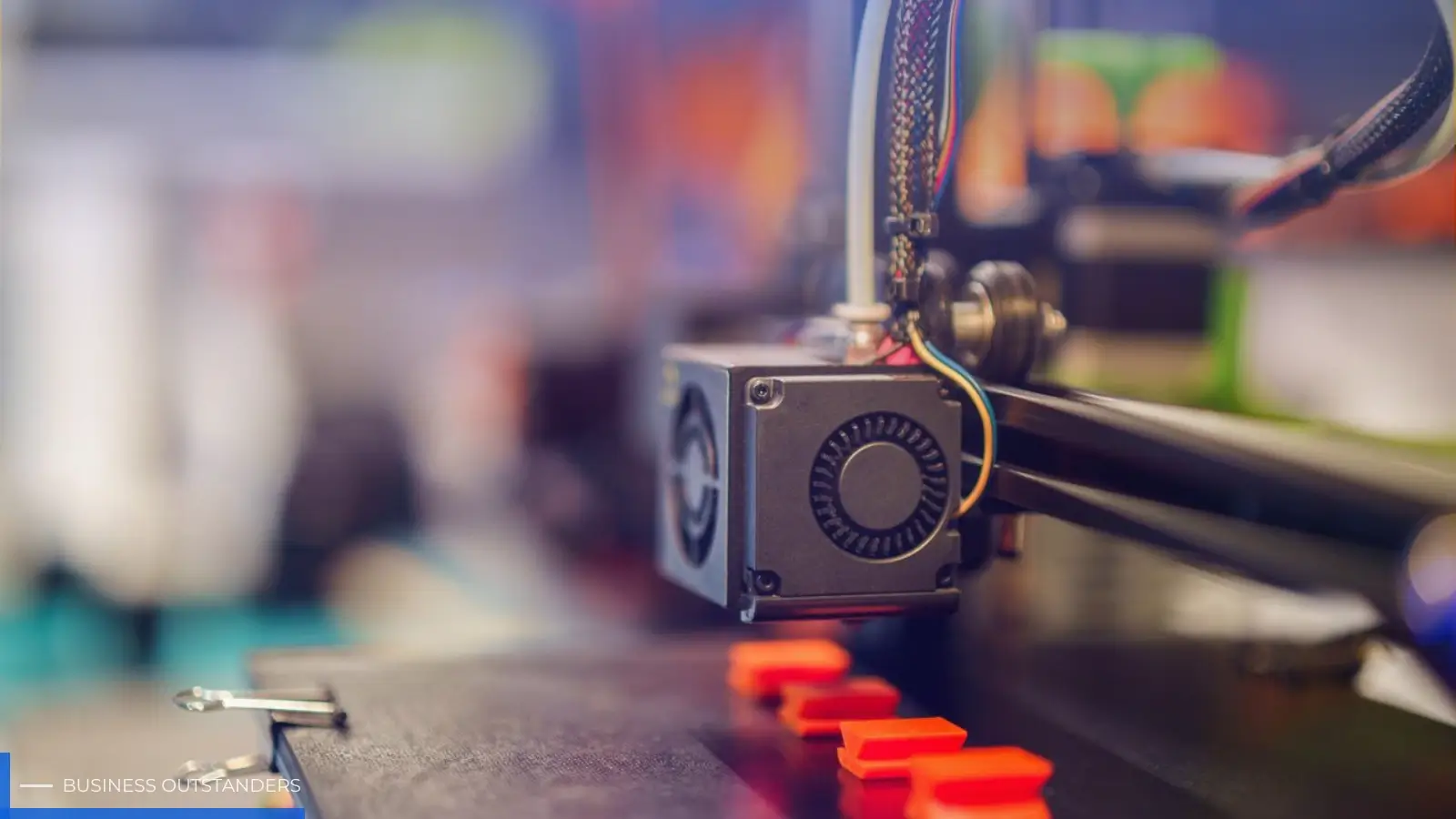
Additive manufacturing, or 3D printing, has expanded metal fabrication by enabling layer-by-layer construction from digital designs, creating complex, lightweight, and strong parts that are often unattainable with traditional methods. This is especially valuable in aerospace and energy sectors, as exemplified by ORNL, which used large-scale additive manufacturing to produce steel components for wind turbines, reducing lead times and enabling customization.
The rise of metal additive manufacturing is also shifting supply chain strategies and promoting customization. Companies can quickly adapt to changing demands by producing on demand, to exact specifications. It enhances sustainability by reducing waste, decreasing raw material costs, and lowering the carbon footprint. The technology's flexibility in rapid prototyping and small-batch production drives innovation, blurring the lines between design and manufacturing.
High-Velocity Joining Techniques
Traditional metal joining, such as welding or riveting, requires significant time and energy. High-Velocity Joining (HiVe), developed by PNNL, offers a faster, energy-efficient alternative that forms strong connections between dissimilar metals. This advancement benefits the automotive and electronics industries, emphasizing performance and efficiency, as detailed in PNNL's news release. HiVe is also advantageous for electric vehicles, appliances, and lightweight structures, enabling durable, lighter, and more efficient assemblies. Early adopters report faster manufacturing and simpler post-processing, with joints requiring less finishing than traditional methods.
Liquid Metal Printing
Liquid Metal Printing (LMP), pioneered by researchers at MIT, presents another leap forward. This technique deposits molten aluminum into a granular bed, rapidly forming large-scale metal objects. Unlike precision 3D printing methods, LMP sacrifices fine detail to gain speed and scale—making it ideal for producing components, such as custom furniture frames or architectural elements, in just minutes. Rapid and scalable, LMP has the potential to reshape how industries approach low-volume, large-part manufacturing.
LMP is poised to fill a niche for industries that require fast turnaround and flexible manufacturing at large scales, something seldom achievable with conventional 3D printing or machining. This technology could especially empower artists, architects, and designers who want to prototype or fabricate unique forms without incurring the cost of traditional molds or tooling. As research continues, further innovations in alloy selection and print accuracy are expected, potentially opening up the field to more structural and load-bearing applications. The intersection of artistry and engineering enabled by LMP is sparking excitement and fresh applications throughout the built environment.
Multi-Material Metal Deposition
The next phase in additive manufacturing is multi-material metal deposition, enabling companies like DEEP Manufacturing and Fortius Metals to combine multiple metals into a single part using synchronized multi-robot systems. This innovation enables tailored properties such as strength, conductivity, or corrosion resistance. Scaling from research to industry will significantly impact advanced manufacturing sectors. It allows designing components that combine different metals to optimize cost, function, and longevity, including embedded sensors, wear resistance, and multi-phase cooling. As it develops, this technology will advance aerospace, defense, biomedical, and power-generation systems, creating highly engineered solutions previously impossible with single-metal parts.
Acoustic-Directed Assembly
Acoustic-Directed Assembly is revolutionizing microstructure production by using standing acoustic waves to organize tiny metallic elements in a flexible, one-pot process. This enables rapid creation of periodic microarchitectures, benefiting sectors such as medical devices, microelectronics, and sensors. As techniques improve, engineers can explore new geometries, with fine-tuned acoustic fields allowing complex, precise manipulation of particles. This is especially valuable for miniaturized, reliable devices in biosensing, flexible electronics, and micro-robots, enabling innovative, reconfigurable microarchitectures.
Metal-Plastic Hybrid Additive Manufacturing
Hybrid approaches combining metal and plastic are offering new options for fabricators. Embedding metal patterns onto plastic surfaces enables the creation of complex micro- and nano-scale 3D structures that merge metal and polymer properties. These structures offer improved electrical conductivity and strength while remaining lightweight, making them ideal for high-performance electronics and sensors. Industry experts foresee growth as material compatibility and process control improve.
These advances support the next generation of smart devices, where structure and electronics converge. For instance, hybrid manufacturing enables embedded circuitry and shielding within UAV frames, wearables, or IoT devices, delivering miniaturized yet robust performance. As technology progresses, manufacturers aim to increase scalability and repeatability, unlocking potential in automotive, consumer electronics, medical devices, and more.
Conclusion
The metal fabrication sector is experiencing unprecedented change, driven by new techniques such as additive manufacturing, high-velocity joining, liquid metal printing, and multi-material deposition. These innovations enable complex designs, shorter production cycles, and greater sustainability. As adoption grows, partnerships with innovative fabricators will be crucial to navigate the new metalworking era. Future integration of digital tools, machine learning, and smart systems will boost efficiency, customization, lifecycle management, and traceability. Industry investments and collaborations will expand fabrication capabilities, heralding a new age for manufacturers and clients.
Business Outstanders brings you sharp insights on tech, business, entrepreneurship, law, crypto, and more. We uncover what’s next. Stay updated, sign up for our newsletter and be part of the future!