Modern machines work through speed, timing, signals, and repeatable actions. A conveyor must start at the right moment, a filling line must stop accurately, and a motor must respond within defined limits. In industrial plants, these actions need control that is fast, structured, and dependable.
This is where Programmable Logic Controller (PLC) technology supports the heartbeat of machine operations. Industrial PLC systems for real-time machine control help connect sensors, actuators, motors, panels, and operator interfaces.
They read field signals, process logic, and trigger outputs in a controlled sequence. They also help teams manage machine steps with clarity during active production. Let's look at how PLC-based control supports reliable machine performance across industrial environments.
What Makes PLC-based Machine Control So Effective
Real-time machine control depends on fast signal reading, planned logic, and coordinated output actions across connected equipment.
1. Fast Signal Reading From Field Devices
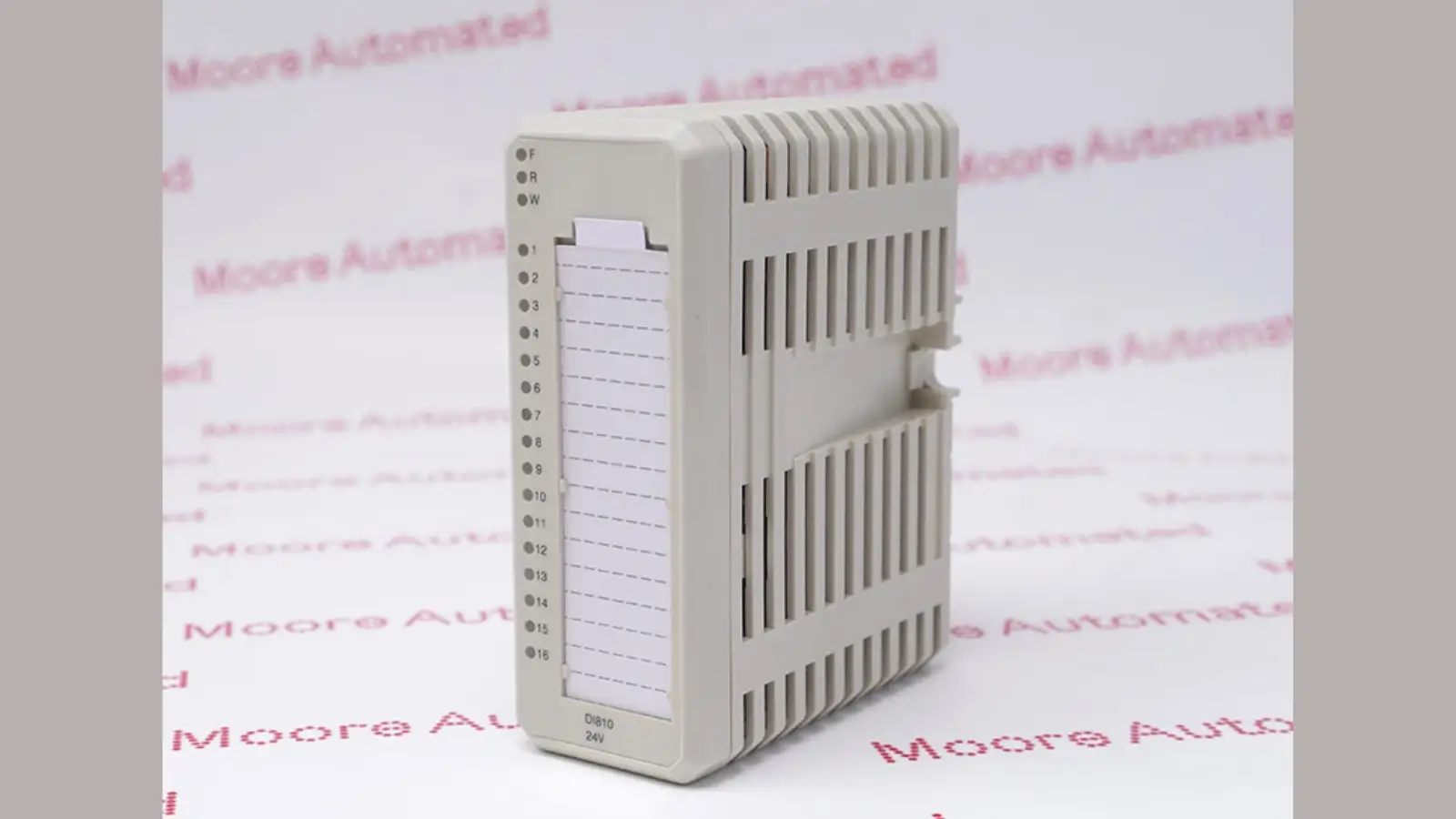
Industrial machines receive input from sensors, limit switches, encoders, pressure switches, and temperature instruments. These devices send machine status to PLC input modules.
Industrial PLC systems read these signals through defined scan cycles. The controller checks inputs, runs logic, and updates outputs in a continuous loop.
This quick cycle helps machines respond to position changes, product movement, safety conditions, and process steps. It gives control teams dependable timing during active operation.
2. Deterministic Logic for Repeatable Actions
Real-time machine control depends on actions happening in a planned order. PLC logic can start, stop, interlock, timer, and counter instructions with precision.
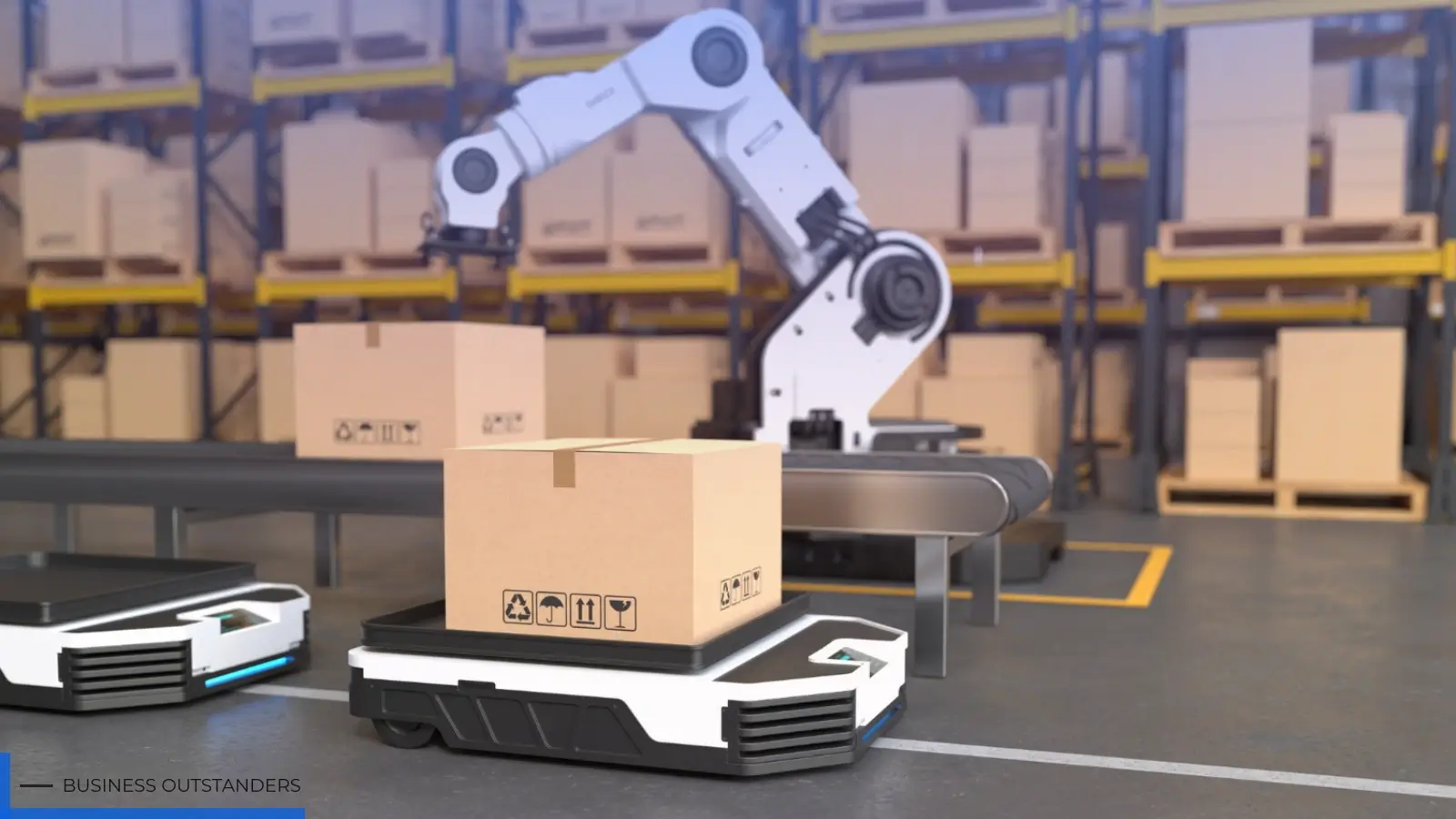
PLC-based control supports repeatable sequencing for conveyors, packaging machines, pumps, mixers, and assembly equipment. Each command follows a programmed condition.
This creates consistent machine behavior across shifts and production runs. It also helps operators trust the process during normal production activity.
3. Safer Sequencing Through Interlocks and Status Checks
Machine control requires clear logic around guards, emergency stops, overloads, limits, and permissive conditions. PLCs can support these checks through programmed interlocks.
Industrial PLC systems help verify conditions before allowing a machine step to continue. They can also hold an operation until the required signal is present.
This supports a more organized operating environment for people and equipment. It also helps maintenance teams understand which condition is controlling a machine state.
4. Coordinated Control of Motors and Motion
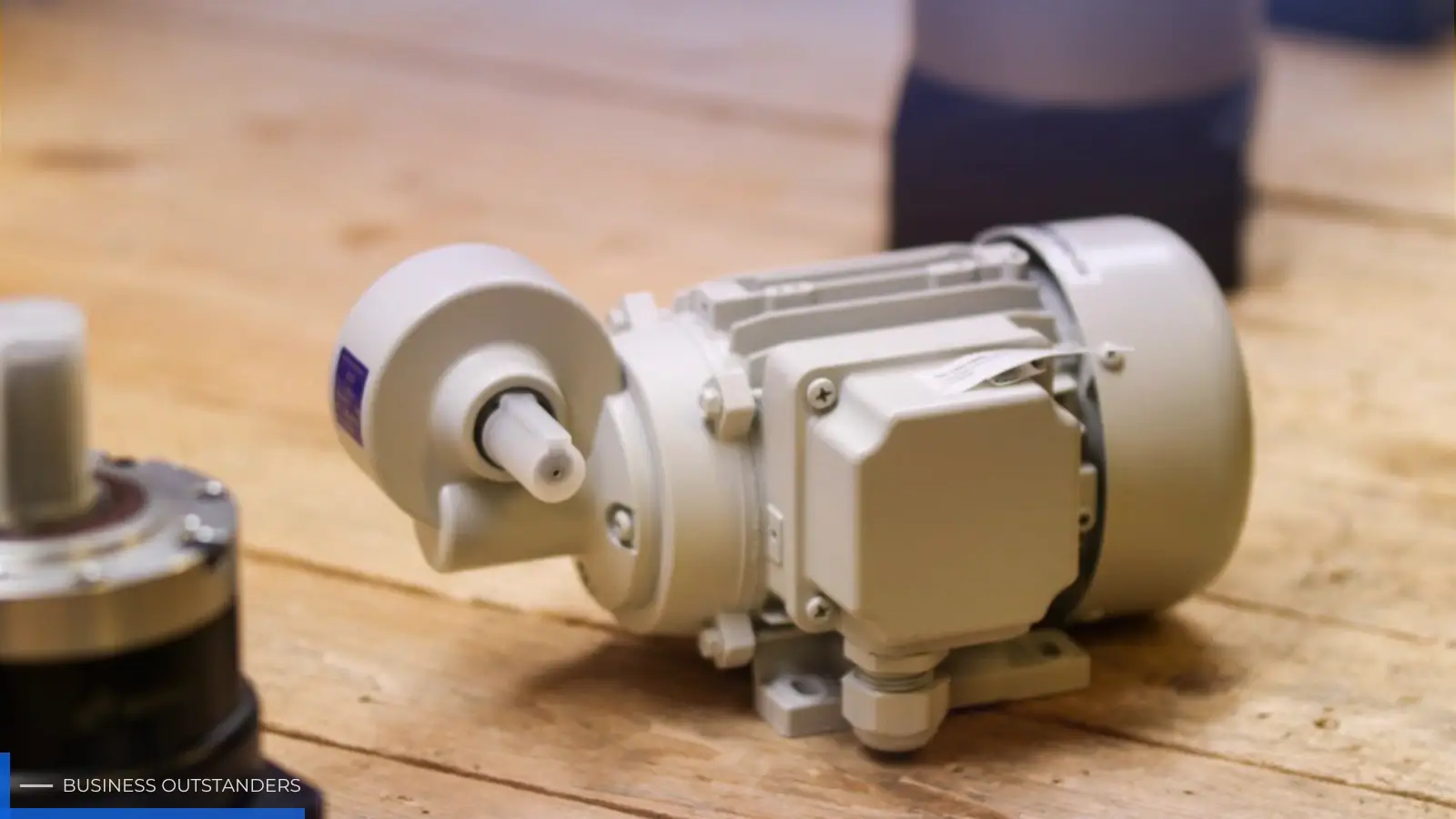
Machines often rely on motors, variable frequency drives, servos, and actuators. PLCs coordinate these devices through digital signals, analog signals, and communication networks.
Industrial PLC systems can control speed references, motor starts, direction changes, and position-based actions. This is useful for indexing, dosing, lifting, and sorting applications.
When motion follows the right sequence, production becomes smoother and easier to manage. Operators can also view status through HMI screens.
5. Better Troubleshooting With Clear Diagnostics
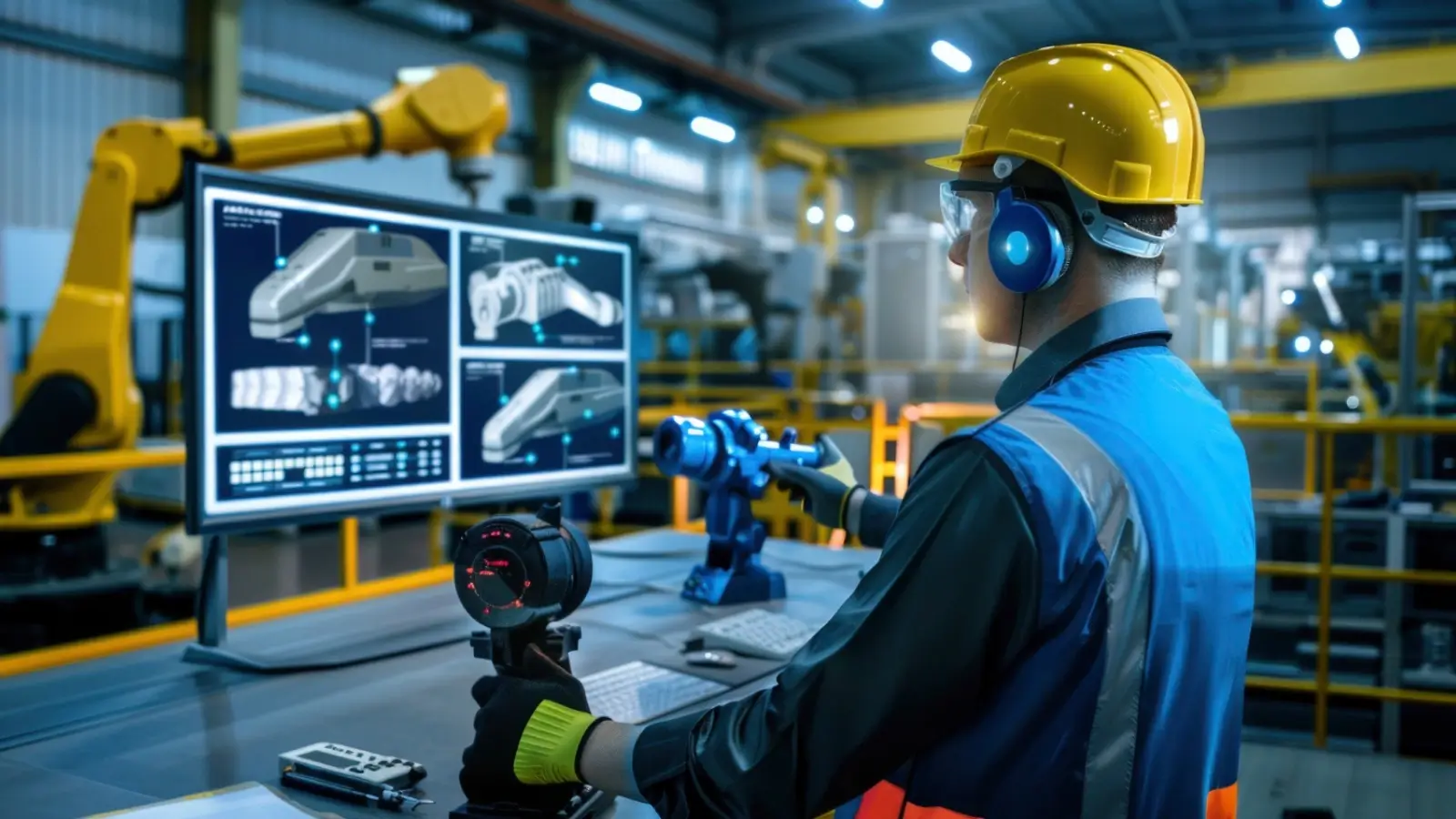
When a machine pauses, teams need clear information. PLCs can share fault codes, alarm states, input status, and output status through HMI dashboards.
Industrial PLC systems make troubleshooting more structured by showing which signal, condition, or step needs attention. This helps technicians follow a logical path.
Diagnostics also support faster learning for operators and maintenance teams. Clear messages reduce guesswork and make machine behavior easier to understand.
Building Smarter Machine Control With the Right PLC Foundation
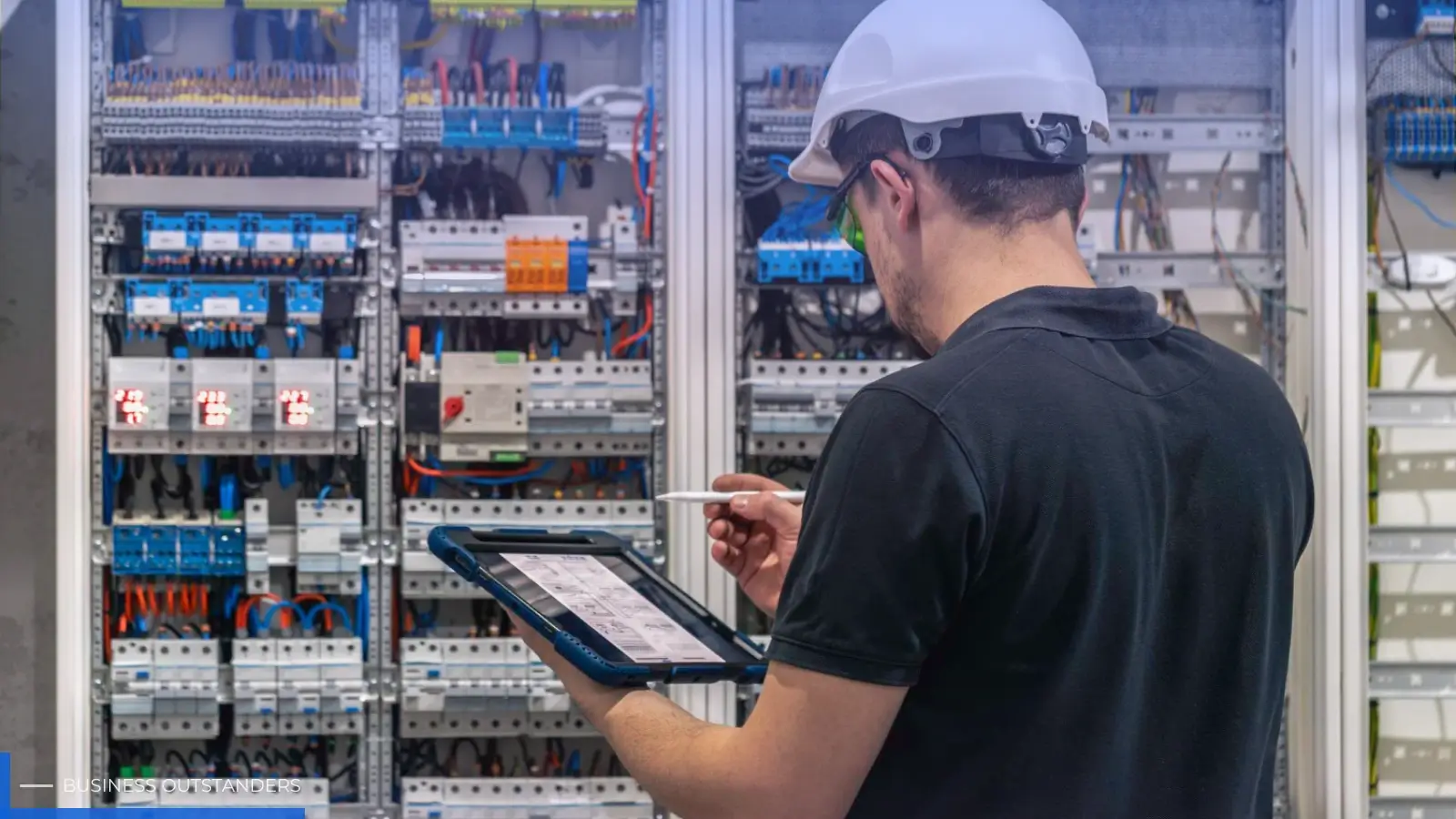
Real-time machine control becomes stronger when logic, field devices, electrical assets, and operator interfaces work together. PLC-based automation gives plants a practical foundation for speed, accuracy, and coordination at the machine level. It also helps teams create operating routines that feel clear, measurable, and easier to support.
Partnering with a reputable electrical brand provides access to application knowledge, reliable technology guidance, and solutions designed for industrial machines. This can help teams select controllers, interfaces, drives, and software that match their plant goals.
With the right Industrial PLC systems, facilities can build responsive machine operations that support precision, continuity, and future-ready growth.
Business Outstanders brings you sharp insights on tech, business, entrepreneurship, law, crypto, and more. We uncover what’s next. Stay updated, sign up for our newsletter and be part of the future!