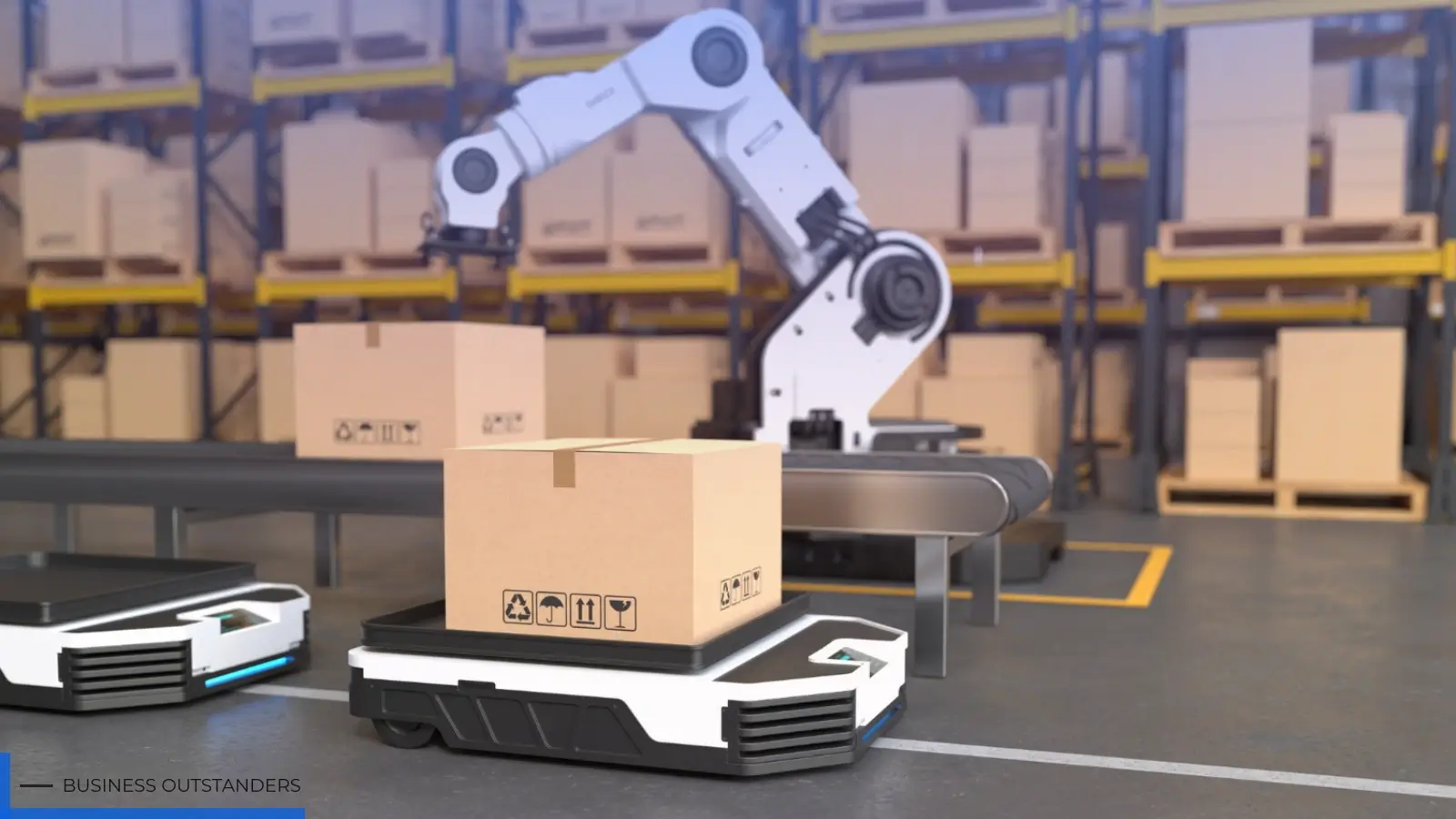
The era of standalone machinery is drawing to a close in American logistics. The focus has shifted from simple mechanization to complex, holistic integration as US warehouse operations grapple with labor shortages and the Amazon effect of lightning-fast delivery expectations.
Today, the success of a facility isn't measured by the speed of a single conveyor belt, but by how effectively every piece of technology communicates within a unified ecosystem.
The Benefits of Integrated Automation
Integrated automation serves as the central nervous system of the modern warehouse. When disparate systems (such as Automated Storage and Retrieval Systems (AS/RS) and warehouse management software (WMS) are seamlessly linked, the result is a massive reduction in manual touches.
Automation streamlines workflows by enabling products to move from receiving to shipping with minimal human intervention and providing a single source of data. Real-time visibility into order statuses and inventory levels allows managers to identify bottlenecks before they disrupt the supply chain, transforming the warehouse from a cost center into a strategic asset.
Technology Trends Shaping Warehouse Integration
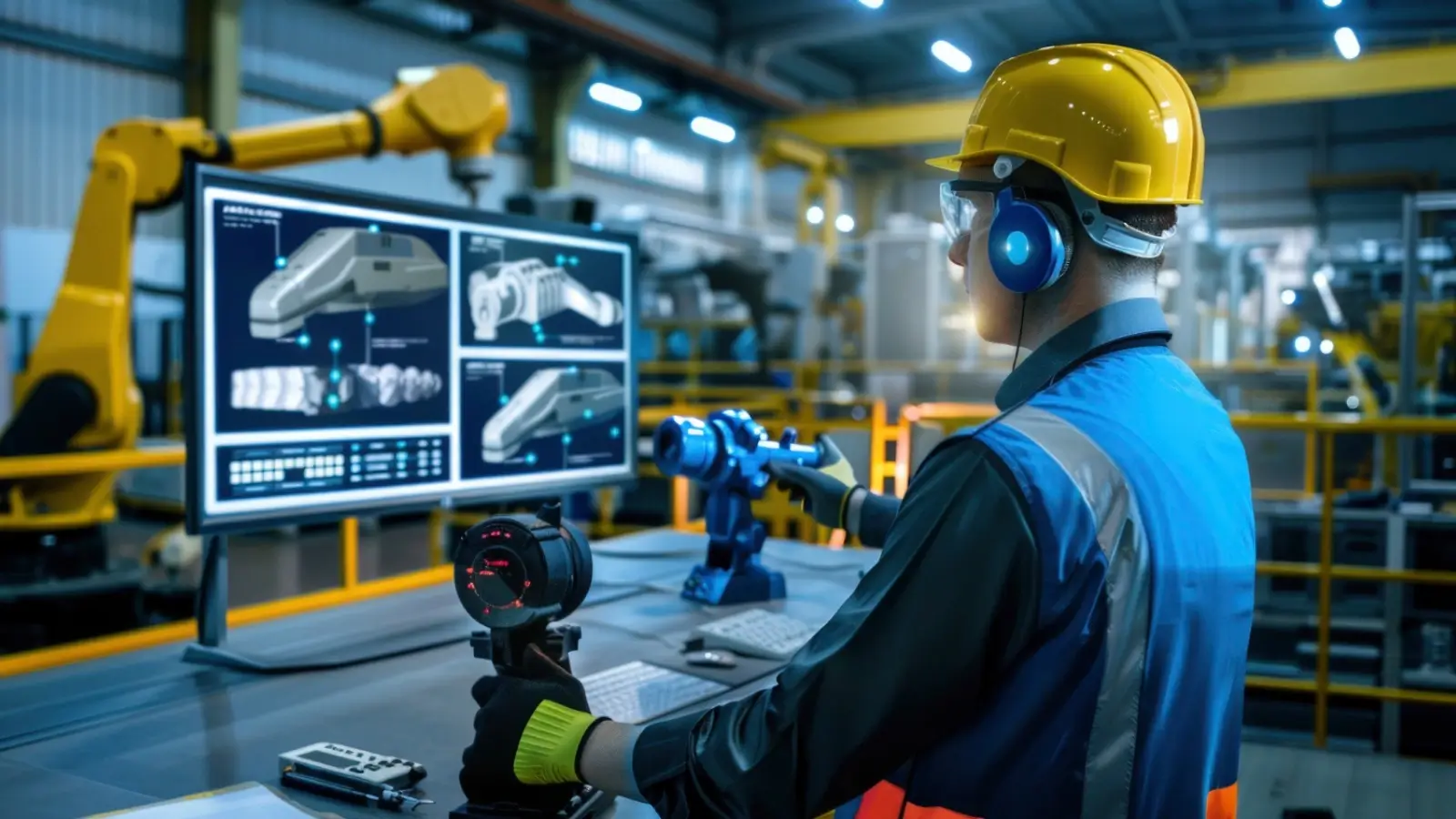
Several key technologies are currently converging to redefine what an integrated warehouse looks like. The Internet of Things (IoT) provides thousands of sensors that capture data on everything from motor temperature to ambient humidity, which AI then processes to optimize picking routes or predict mechanical failures.
Collaborative robotics (where robots are no longer caged off but integrated directly into human workflows) is also on the rise. These technologies are being woven together to create dark warehouses or highly augmented facilities that can adapt to seasonal demand spikes with surgical precision.
The Role of Connectors in Automation
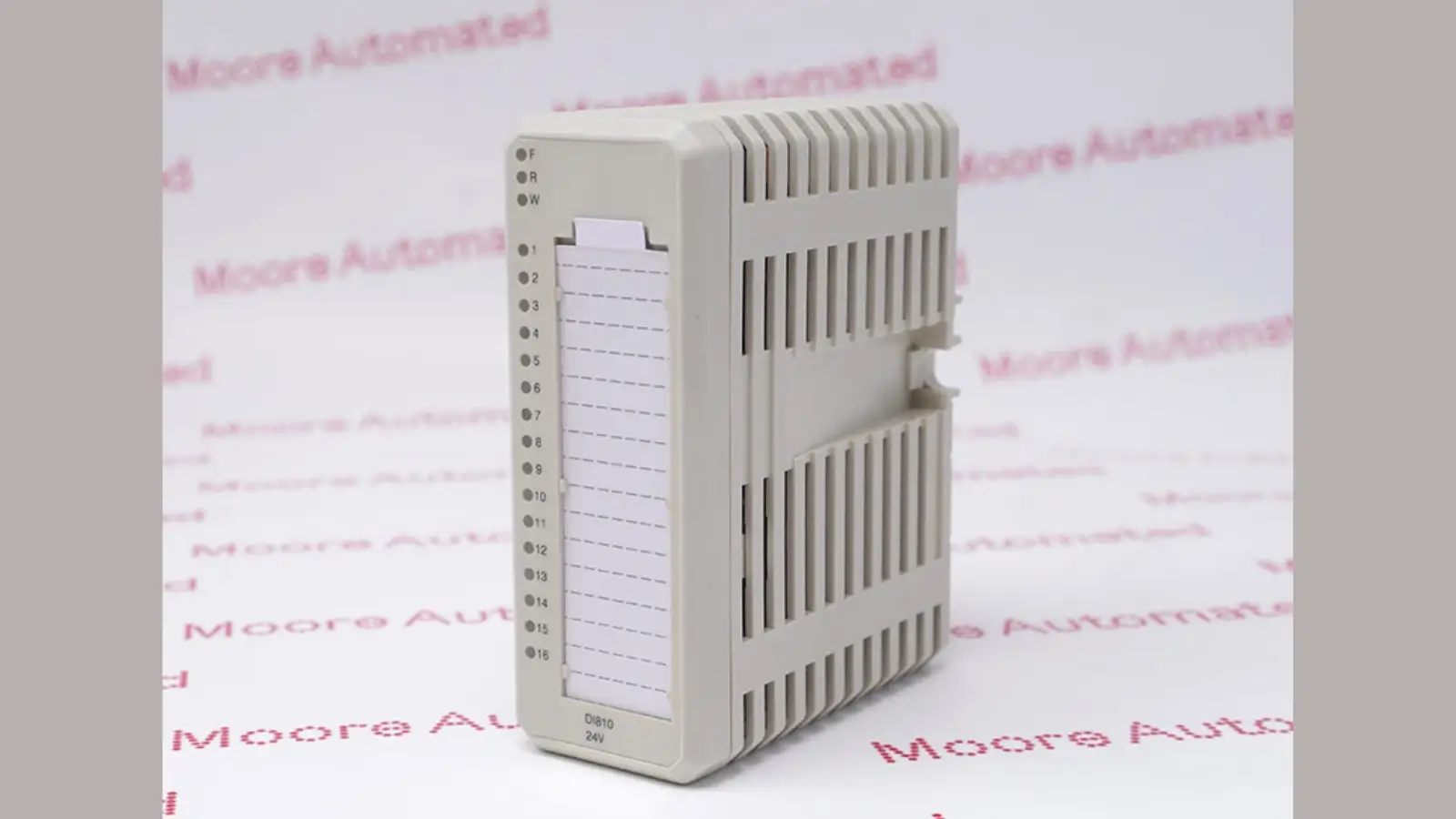
At the heart of this technological weaving are connectors - both in the literal hardware sense and the figurative software sense. On the plant floor, high-performance physical connectors and cabling are essential for transmitting power and high-speed data across rugged environments without signal loss.
Application Programming Interfaces (APIs) and standardized communication protocols (like OPC UA or MQTT) serve as software connectors on the digital side. They enable real-time data exchange between hardware from different manufacturers and ensure that a robotic arm from one vendor can talk to a sortation system from another.
Interoperability is what supports scalable automation, allowing businesses to grow their systems modularly rather than being locked into a single, rigid vendor ecosystem.
Preparing for the Future of Integrated Warehouses
US businesses must invest in flexible integration solutions that can accommodate future technologies such as 5G private networks and edge computing. Staying informed about evolving safety regulations and data privacy standards is also critical - the goal is to create a plug-and-play environment where new tools can be added without overhauling the entire existing infrastructure.
Business Outstanders brings you sharp insights on tech, business, entrepreneurship, law, crypto, and more. We uncover what’s next. Stay updated, sign up for our newsletter and be part of the future!