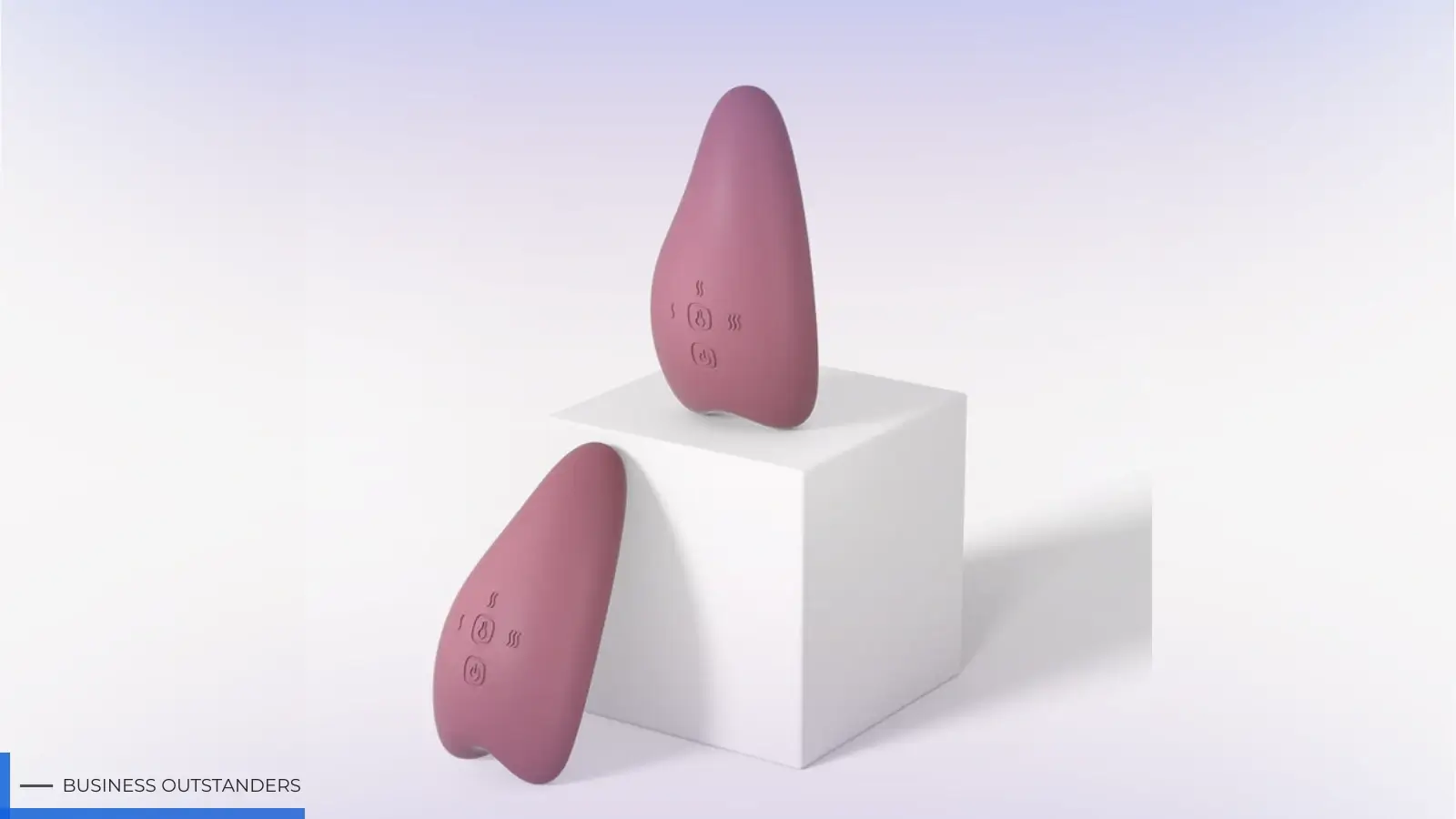
There's a moment many breastfeeding mothers know all too well — you wake up in the middle of the night with a breast that feels rock-hard, tender to the touch, and won't let you ignore it. Clogged milk ducts and breast tenderness are among the most common challenges new mothers face, often striking without warning and threatening to derail an otherwise rewarding breastfeeding journey. Left unaddressed, these issues can escalate into more serious conditions like mastitis, making early and effective relief essential.
Thankfully, modern solutions have made managing these discomforts far more accessible. The lactation massager — a specialized breastfeeding device designed to target exactly these problems — has become a go-to tool for mothers seeking fast, gentle, and practical relief. Using targeted vibration and pressure, it works with your body's natural processes to clear blockages and soothe sore tissue.
This article will walk you through everything you need to know: what causes clogged ducts and tenderness, how a lactation massager works, a step-by-step guide to using one effectively, and the key benefits it offers. Whether you're dealing with an active blockage or looking to prevent one, you'll find actionable guidance to support a more comfortable breastfeeding experience.
Understanding Clogged Ducts and Breast Tenderness
A clogged milk duct occurs when milk becomes trapped in one or more of the small channels that carry milk from the breast tissue to the nipple. Instead of flowing freely, the milk stagnates and creates a localized blockage. Breast tenderness, while sometimes a separate issue linked to hormonal changes or engorgement, frequently accompanies these blockages and can make even the lightest touch uncomfortable.
Several factors contribute to clogged ducts. Milk stasis — when milk sits too long without being expressed — is the most common culprit, often triggered by skipped feedings, an irregular pumping schedule, or a baby with a shallow latch who isn't fully draining the breast. External pressure from tight bras, underwire, or sleeping positions can also compress ducts and restrict milk flow. Stress, fatigue, and sudden changes in feeding frequency are additional contributors that many mothers don't immediately connect to breast discomfort.
Recognizing a clogged duct early makes a significant difference. Common symptoms include a firm or hard lump under the skin, localized pain or aching that worsens during or after feeding, visible redness or warmth over the affected area, and a noticeable reduction in milk output from that breast. Some mothers also notice a small white dot on the nipple, known as a milk bleb, which can signal a duct blocked close to the surface.
Addressing these symptoms promptly is critical. A clogged duct left untreated can progress into mastitis — a painful breast infection involving fever, flu-like symptoms, and significant inflammation — which may require antibiotic treatment and can interrupt breastfeeding entirely. Early, consistent intervention protects both maternal health and the continuity of the breastfeeding relationship.
What is a Lactation Massager and How It Works
A lactation massager is a specialized handheld device designed specifically to address the breast discomfort that breastfeeding mothers commonly experience. Unlike a general body massager, it's ergonomically shaped to contour to breast tissue, delivering targeted relief exactly where it's needed. Most models fall into two categories: electric and manual. Electric versions use motorized vibration at adjustable frequencies to penetrate deeper into breast tissue, while manual silicone massagers rely on hand pressure and gentle rolling motions. Electric options tend to offer more consistent, hands-free relief, making them particularly practical during pumping sessions — brands like Momcozy have developed electric lactation massagers designed with this dual-use convenience in mind.
The science behind why massage works for clogged ducts comes down to a few key physiological processes. Gentle, consistent pressure increases local blood circulation, which helps reduce inflammation and softens hardened tissue around a blockage. Vibration, in particular, helps break up the compacted milk plug by agitating the surrounding tissue — essentially loosening the clog so milk can flow freely again. This mechanical action also stimulates the let-down reflex, encouraging milk release and reducing the engorgement that often accompanies a blocked duct.
Compared to traditional hand massage techniques, a lactation massager delivers more precise and sustained pressure without fatiguing your hand or wrist. Many mothers find it difficult to maintain consistent circular pressure manually, especially when breasts are already painful to touch. A lactation massager removes that inconsistency, applying steady vibration and heat — in warming models — to relax tight tissue. When used alongside breastfeeding or pumping, it actively supports milk drainage, making each session more effective and noticeably more comfortable.
Step-by-Step Guide to Using a Lactation Massager for Relief
Preparation and Safety Tips
Before using your lactation massager, wash your hands thoroughly and clean the device according to the manufacturer's instructions — most silicone and plastic components can be wiped down with warm soapy water. Choose a calm, private setting where you can sit comfortably and relax your shoulders. If the massager has a warming function, allow it to reach temperature before placing it on breast tissue. If you're experiencing fever, significant redness spreading beyond the affected area, or symptoms that suggest infection, consult a healthcare provider before using any massage tool, as active mastitis may require medical treatment first.
Effective Massage Techniques
Begin by applying gentle pressure with the massager to the outer edge of the breast, gradually working inward toward the nipple in slow, deliberate circular motions. When you locate the firm or tender spot indicating a clog, hold the massager directly over it and allow the vibration to work for 30 to 60 seconds before continuing your circular path. Avoid pressing so hard that you cause additional pain — sustained, moderate pressure is more effective than force. The most effective approach is to use the massager immediately before or during a breastfeeding or pumping session. As the let-down reflex activates and milk begins to flow, direct the massager just behind the blockage to encourage the loosened milk plug to move toward the nipple. Alternate between circular motions and gentle back-to-front strokes — starting from the chest wall and moving outward — to address the clog from multiple angles and maximize drainage.
Post-Massage Care
After each session, ensure the affected breast is as fully drained as possible, either through nursing or pumping. Staying well-hydrated supports healthy milk production and keeps ducts functioning smoothly. Apply a warm compress if residual tenderness remains. Over the following hours, monitor the area for improvement — a softening lump and reduced pain are signs the clog is clearing. If discomfort persists beyond 24 to 48 hours without improvement, seek guidance from a lactation consultant or medical provider. For ongoing prevention, incorporate brief massage sessions into your regular feeding routine two to three times per week.
Benefits of Using a Breastfeeding Device Like a Lactation Massager
The most immediate advantage of a lactation massager is targeted, efficient relief. Rather than applying generalized pressure across the entire breast, you can direct vibration precisely at the blockage — something that's difficult to achieve consistently with manual techniques alone. Mothers who incorporate these devices into their routine frequently report faster resolution of clogs, often within a single feeding session rather than enduring discomfort across an entire day.
Beyond clearing existing blockages, regular use meaningfully reduces the risk of developing mastitis. By keeping ducts clear and milk flowing consistently, you eliminate the stagnant conditions that allow inflammation and infection to take hold. For mothers who are prone to recurrent clogs, this preventive benefit alone makes the tool worthwhile. Improved milk flow is another practical outcome — when ducts aren't partially obstructed, milk lets down more easily and breasts drain more completely, which can positively impact overall supply.
Comfort during feeding sessions improves noticeably as well. Breastfeeding with sore, engorged tissue is discouraging; it's one of the leading reasons mothers consider stopping earlier than planned. Lactation consultants often recommend massage tools specifically because they lower the physical discomfort barrier that interrupts feeding consistency. By making each session more manageable, a lactation massager supports not just your physical wellbeing but the longevity of your entire breastfeeding journey.
Choosing the Right Lactation Massager for Your Needs
With several options on the market, finding the right lactation massager comes down to matching the device's features to your specific situation. Vibration intensity matters most if you're dealing with deep or recurring clogs — look for a model with multiple speed settings so you can adjust pressure as sensitivity fluctuates between sessions. A built-in warming function adds meaningful comfort, helping breast tissue relax before and during use. If you plan to use the massager while pumping hands-free, prioritize a compact, lightweight design that fits easily against breast tissue without interfering with pump flanges.
Ease of cleaning is a practical factor that's easy to overlook. Choose a device with smooth, water-resistant surfaces and minimal crevices where moisture can collect. For mothers who travel frequently or pump at work, cordless battery-operated models offer the most flexibility. If breast tenderness is your primary concern rather than active blockages, a softer silicone manual massager may be sufficient and gentler on already-sensitive tissue. Pairing the massager with a supportive nursing bra and a consistent pumping schedule will further enhance results — Momcozy, for instance, offers both lactation massagers and nursing bras designed to work together as part of a broader breastfeeding support routine.
Your Path to a More Comfortable Breastfeeding Journey
Clogged ducts and breast tenderness don't have to derail your breastfeeding journey. As this article has outlined, understanding what causes these issues — from milk stasis and external pressure to irregular feeding schedules — gives you the foundation to address them quickly and confidently. A lactation massager bridges the gap between discomfort and relief, offering targeted vibration and pressure that manual techniques often can't match consistently.
The step-by-step approach covered here — preparing properly, applying circular and back-to-front massage motions directly over blockages during feeding or pumping, and following up with adequate hydration and monitoring — gives you a clear, repeatable method for managing flare-ups as they arise. Used regularly, these same techniques serve as a meaningful preventive measure against mastitis and recurring clogs.
Choosing a massager that fits your lifestyle, whether that's a warming electric model or a compact silicone option, ensures you'll actually use it when it matters most. Your comfort is not a luxury — it's central to sustaining a healthy, rewarding breastfeeding relationship. With the right tools and techniques in your corner, you're far better equipped to navigate the challenges that come with nursing and keep moving forward with confidence.
Also Read: 10 Benefits of Prenatal Chiropractic Care for Expecting Moms
Business Outstanders brings you sharp insights on tech, business, entrepreneurship, law, crypto, and more. We uncover what’s next. Stay updated, sign up for our newsletter and be part of the future!