A vehicle is a major investment, but constant exposure to outdoor weather can slowly affect its appearance, comfort, and condition. Strong sunlight can fade paint and heat the interior, while heavy rain may leave water spots and increase moisture around important vehicle parts. Wind can also carry dirt, leaves, branches, and other debris that may scratch or damage the exterior. Building a full garage is not always practical for every property. It may require a larger budget, more construction time, and additional space. A carport offers a simpler way to add reliable overhead protection without completely enclosing the vehicle. For property owners searching for a portable metal carport in Lafayette, LA, choosing the right structure can help reduce daily exposure to harsh weather while keeping the vehicle easy to access.
Protection From Strong Sunlight
Direct sunlight can have a noticeable effect on a vehicle over time. Ultraviolet rays may cause the paint to lose its shine, especially when the vehicle is parked outdoors every day. Plastic trim, rubber seals, headlights, and dashboard surfaces may also fade, dry out, or crack after repeated sun exposure. A carport creates shade that helps block direct sunlight from reaching most of the vehicle. This can help protect the exterior finish while reducing heat inside the cabin. Seats, steering wheels, and dashboards may stay more comfortable, making it easier to enter the vehicle during hot afternoons. Shade may also reduce the need to run the air conditioner at its highest setting immediately after starting the vehicle. Although a carport cannot control the outdoor temperature, it can make a meaningful difference in how much heat builds up inside. Regular shade provides practical protection during sunny days and supports the vehicle’s long-term appearance.
Coverage During Heavy Rain
Rain may seem harmless because vehicles are designed for outdoor driving, but repeated exposure can still create concerns. Water can leave mineral spots on windows and paint, especially when it dries under strong sunlight. Rain may also carry dust, dirt, pollen, or other particles that leave the vehicle looking dirty shortly after it has been cleaned. A properly installed carport provides a roof that helps direct water away from the parked vehicle. This coverage can reduce the amount of rain that reaches the windshield, roof, hood, and other exterior surfaces. It also gives drivers a more comfortable place to enter or unload the vehicle during wet weather. Drainage is an important part of carport planning. The structure should be placed on a suitable surface where rainwater can move away instead of collecting around tires, supports, or nearby walkways. Effective overhead coverage and proper site preparation can make rainy days easier to manage.
Reduced Exposure to Windblown Debris
Strong winds can carry branches, leaves, gravel, dirt, and other debris across a property. Even small objects may scratch the paint or damage windows when they strike a parked vehicle. Falling tree sap, bird droppings, and leaves may also create stains that are difficult to remove if they remain on the surface for too long. A metal carport can help limit the amount of debris that falls directly onto the vehicle. The roof acts as a barrier against many materials coming from above. Depending on its design and placement, side panels may provide additional coverage against wind-driven rain or debris. Property owners should still keep the surrounding area maintained. Weak tree branches should be trimmed, loose outdoor items should be secured, and debris should be removed from the carport roof. A clear area around the structure helps improve safety during windy conditions.
Help During Hail and Severe Weather
Hail can cause dents, chipped paint, cracked windows, and other expensive damage. Even a short storm may leave a vehicle needing professional repairs. Severe weather can be difficult to predict, which makes having a covered parking area especially useful. A strong metal roof may provide a layer of protection between the vehicle and falling hail. The level of protection depends on the carport’s materials, roof style, installation, and overall condition. A carport should be properly anchored and designed to handle local weather conditions. People living may experience changing weather throughout the year, including heavy rain, high temperatures, and strong winds. Planning ahead with a durable shelter can reduce worry when weather conditions become less predictable. A well-built carport offers more dependable coverage than leaving a vehicle completely exposed.
Better Protection for More Than Cars
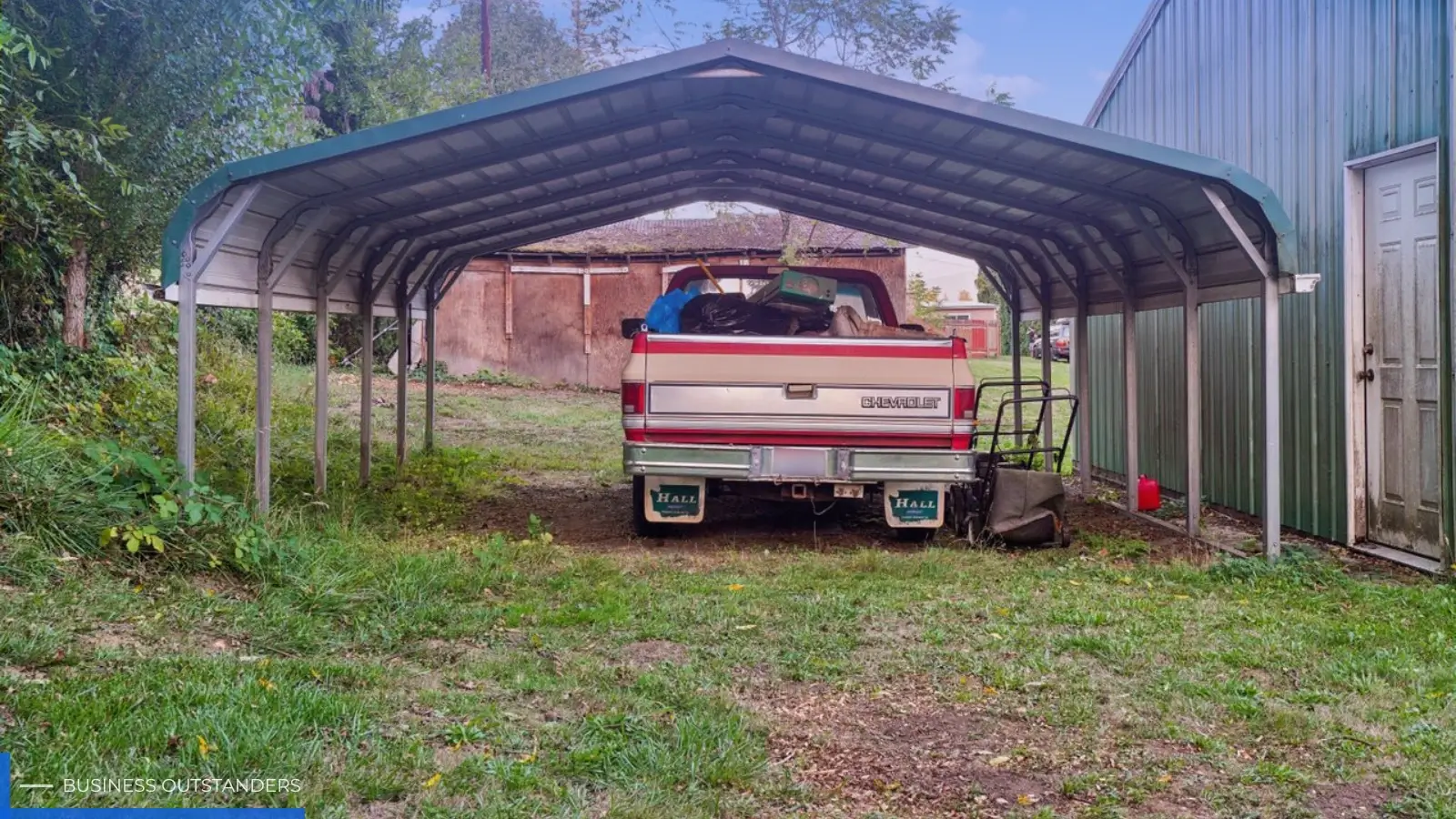
Carports can protect many types of vehicles and outdoor equipment. They may be used for trucks, motorcycles, trailers, recreational vehicles, boats, lawn equipment, or work machinery. Families with several vehicles may choose a wider structure that provides enough space for more than one parking area. A portable metal garage may be a better choice when complete enclosure, doors, and additional security are needed. However, an open carport can be more convenient when fast access and natural airflow are priorities. The best option depends on the type of vehicle, available property space, and desired level of protection. The structure may also provide temporary shade for outdoor projects, vehicle cleaning, loading supplies, or completing basic maintenance. Multiple uses can make a carport a valuable addition to both residential and commercial properties.
Easier Daily Access to Your Vehicle
One advantage of a carport is its open design. Drivers do not need to open and close a large garage door every time they leave or return. This can be helpful for busy families, workers, older adults, and anyone who wants quick access to the vehicle. The covered area can also make daily tasks more comfortable. Groceries can be unloaded in the shade, children can enter the vehicle without standing in the rain, and equipment can be moved without full exposure to the weather. Proper lighting can improve visibility during early mornings or evenings. Carports may be built near a home, office, workshop, or storage area, depending on the property layout. A convenient location supports easier movement while keeping the vehicle close to the main building.
Flexible Sizes and Design Options
Carports are available in different widths, lengths, heights, and roof styles. A standard vehicle may only require a basic single-car structure, while trucks, boats, or recreational vehicles may need more height and space. Measuring the vehicle before selecting a carport can help prevent problems with clearance. Buyers should consider future needs as well. A household may purchase another vehicle, or a business may need additional equipment storage later. Choosing a slightly larger structure can provide more flexibility and reduce the need for another building. Related options such as metal vehicle shelters, covered parking structures, and portable storage buildings can also support different property needs. Features may include side panels, enclosed ends, gutters, trim, reinforced supports, or custom openings. A carefully planned design can improve both protection and convenience.
A Lower-Maintenance Shelter Option
Metal carports are often selected because they are strong and relatively easy to maintain. They do not require the same type of ongoing care as some wooden structures. Metal is also not vulnerable to rot or termite damage, which may reduce certain long-term concerns. Maintenance should include checking the anchors, supports, fasteners, roof panels, and drainage areas. Leaves and branches should be cleared from the roof, and scratches should be addressed before they develop into corrosion. The ground around the carport should also remain clear and stable. Routine inspections can help identify small concerns before they affect the structure’s performance. Consistent care allows the carport to continue providing dependable vehicle coverage through changing seasons.
A Smart Addition to Your Property
A carport offers a practical balance between open parking and a fully enclosed garage. It provides shade, rain coverage, protection from falling debris, and added convenience without limiting access to the vehicle. The structure can also support different vehicle sizes and property layouts. Before installation, property owners should consider the available space, ground conditions, drainage, local requirements, and weather exposure. Professional installation and proper anchoring are important for long-term stability. A durable carport can help protect a vehicle’s exterior, reduce interior heat, and make everyday tasks more comfortable. For homeowners and businesses that need dependable covered parking, it can be a useful investment that supports both convenience and vehicle care.
Business Outstanders brings you sharp insights on tech, business, entrepreneurship, law, crypto, and more. We uncover what’s next. Stay updated, sign up for our newsletter and be part of the future!