Running a household is a full-time job stacked on top of your actual job. Between school runs, meals, and a laundry pile that never ends, the roof over your head is probably the last thing on your mind — right up until it springs a leak.
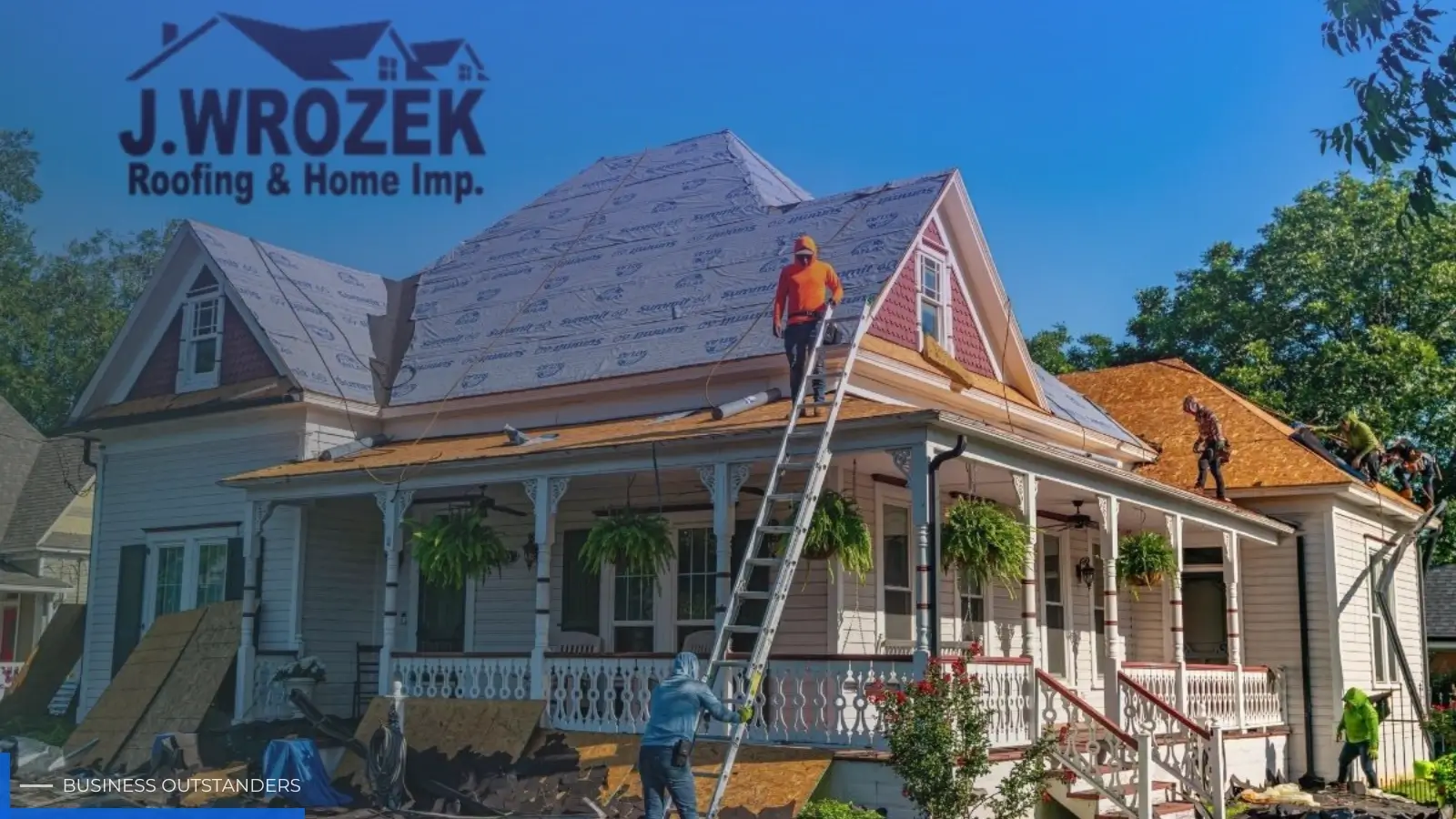
If you live anywhere around Chicagoland, you already know the weather does not go easy on homes. Heavy snow, ice, summer storms, and wild temperature swings all wear a roof down faster than you would expect. A little planning now can save you from a soggy ceiling and a very large bill later.
The best part is that you do not have to climb up there yourself. You just need to know the right questions to ask the pros. Think of the list below as a simple cheat sheet for protecting one of the most expensive parts of your home. Here are seven worth keeping handy.
1. Schedule a Yearly Roof Inspection
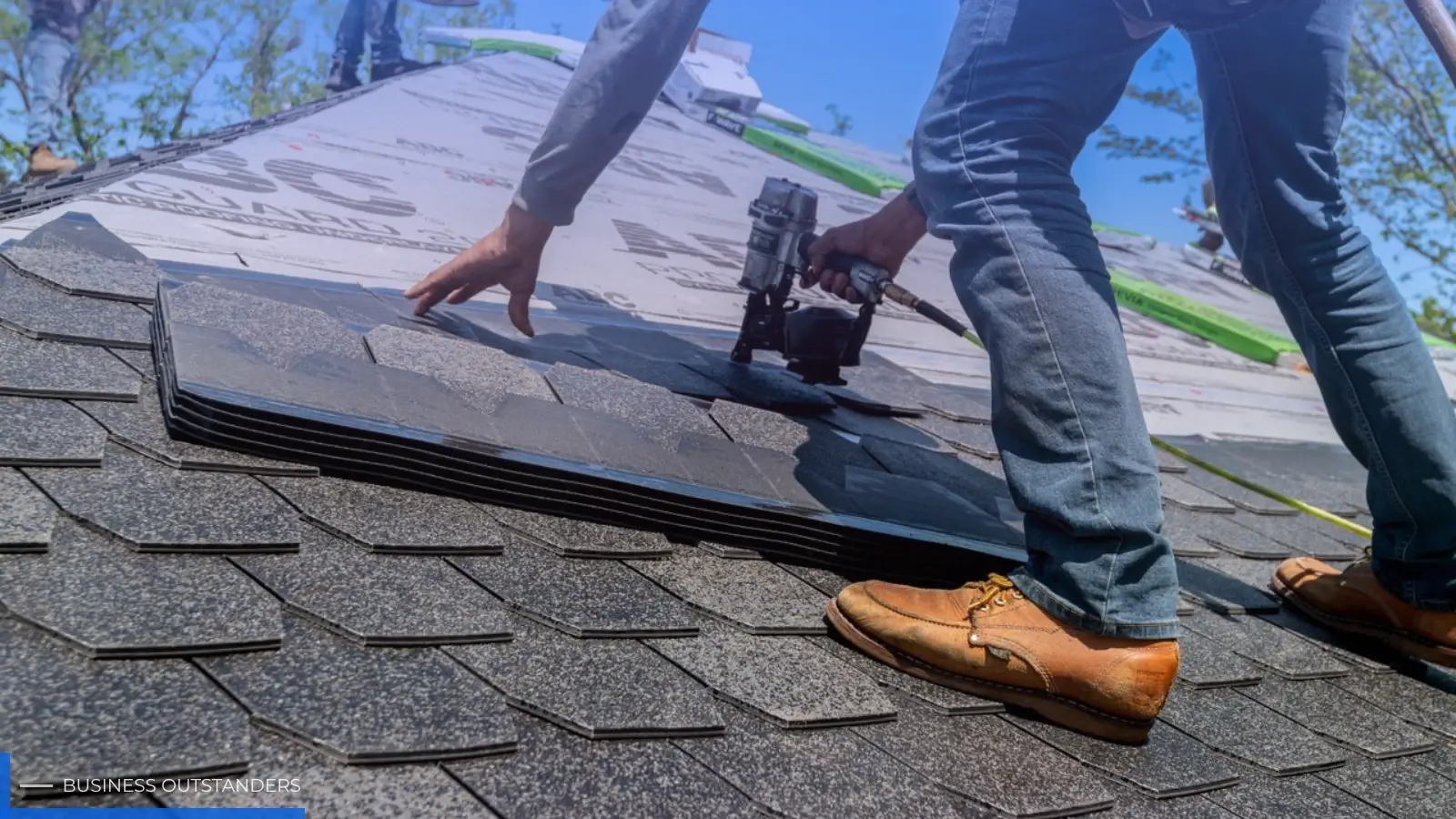
Most roof problems start small and quiet. A yearly inspection catches them before they grow into ceiling stains, mold, and a lot of unnecessary stress.
Ask a roofer to look closely for:
- Cracked, curling, or missing shingles
- Worn spots around vents and chimneys
- Sagging areas or soft, spongy patches
Spring and fall are ideal times to book. After a rough winter especially, an inspection tells you exactly what the snow and ice left behind. Many companies offer free or low-cost inspections, so it is worth asking what is included before you schedule one.
2. Clean and Check the Gutters
Gutters do a quiet but vital job: they carry water away from your roof and foundation. When they clog, water backs up, pools, and eventually finds its way inside.
Ask whether your gutters need cleaning, resealing, or better downspout placement. Overflowing gutters in winter can also create ice dams, which push water up and under your shingles.
If you have a lot of trees nearby, ask about gutter guards. They cut down on how often everything needs to be cleared out by hand. Clean gutters are also one of the cheapest forms of insurance against water damage you will ever buy.
3. Inspect the Flashing and Seals
Flashing is the thin metal that seals the joints where your roof meets chimneys, skylights, and vents. It is one of the most common spots for sneaky leaks to begin.
Over the years, seals dry out and crack, especially after repeated freeze-and-thaw cycles. Ask your roofer to check and reseal these areas. It is a small, inexpensive job that prevents some of the most frustrating, hard-to-trace drips in the whole house. If you have noticed a faint water mark on an upstairs ceiling, failing flashing is often the hidden culprit.
4. Ask About Attic Ventilation
Your attic has a bigger effect on your roof than most people guess. Poor airflow traps heat and moisture, which can warp the roof deck and quietly shorten its life.
A good roofing team looks at both your shingles and what is happening underneath them, and talking through ventilation with a trusted Chicagoland roofing company can help you head off problems that are impossible to spot from the street. The team at Lakeland Exteriors & Roofing, for instance, can explain how attic airflow ties into the overall health of your roof. Better ventilation can also lower your energy bills, which is a welcome bonus on a hot summer afternoon.
5. Catch Leaks Before They Spread
A small roof leak rarely stays small. Water travels, soaks into insulation, and quietly feeds mold long before a stain ever appears on your ceiling.
Leaks are also more common than people think. The EPA reports that 10% of homes have leaks wasting 90 gallons or more every single day — proof that water damage often hides in plain sight.
Ask your roofer how to spot the early warning signs: damp patches, a musty smell, bubbling paint, or higher humidity upstairs. Trust your nose here — a persistent musty smell is often the first clue, even before you see anything. Catching a leak in week one is far cheaper than discovering it in month six.
6. Check for Storm and Hail Damage
After a big storm, your roof can take a real beating even if it looks fine from the front yard. Hail can bruise shingles and knock loose the protective granules that keep them strong.
Ask a roofer to do a post-storm check, especially after hail or high winds. Many will also help you figure out whether the damage is worth an insurance claim. Documenting it early protects you if bigger problems show up months down the line, so keep any photos and dates together in one folder just in case.
7. Know When to Repair vs. Replace
Not every roof issue calls for a full replacement — but patching a roof that is already past its prime just throws money away. A trustworthy roofer will tell you honestly which one you actually need.
Ask them about:
- The current age of your roof
- How many years it likely has left
- The cost difference between repair and replacement
A clear answer helps you plan and budget calmly instead of being blindsided by an emergency on a busy weeknight. It also helps to ask for the estimate in writing, so you can compare options later without any pressure.
The Bottom Line
You are already the one keeping your whole household running. Knowing these seven questions puts you in charge of one of your home’s biggest assets — without ever touching a ladder. You do not need to become a roofing expert; you just need to know enough to ask, listen, and plan ahead.
A quick call to a reliable roofer, armed with the right questions, can protect both your home and your peace of mind for years to come.
Business Outstanders brings you sharp insights on tech, business, entrepreneurship, law, crypto, and more. We uncover what’s next. Stay updated, sign up for our newsletter and be part of the future!