Key Takeaways
- Human-centered design enhances employee satisfaction and productivity.
- Flexible and adaptable workspaces cater to diverse work styles.
- Incorporating natural elements promotes well-being.
- Technology integration supports seamless collaboration.
- Continuous feedback ensures the workspace evolves with employee needs.
Creating work environments that prioritize employee well-being and productivity is essential in today's dynamic business landscape. Organizations that adopt human-centered design (HCD) can transform their offices by focusing on the needs and experiences of individuals. Whether planning a complete office makeover or considering subtle improvements, partnering with interior design in Denver professionals can help integrate these principles seamlessly into any workspace. Human-centered design is not just about attractive interiors. It is a holistic approach that prioritizes comfort, flexibility, and supportive technology, making employees feel valued. This mindset helps organizations foster a culture of innovation and trust, leading to higher retention and engagement rates.
Understanding Human-Centered Design
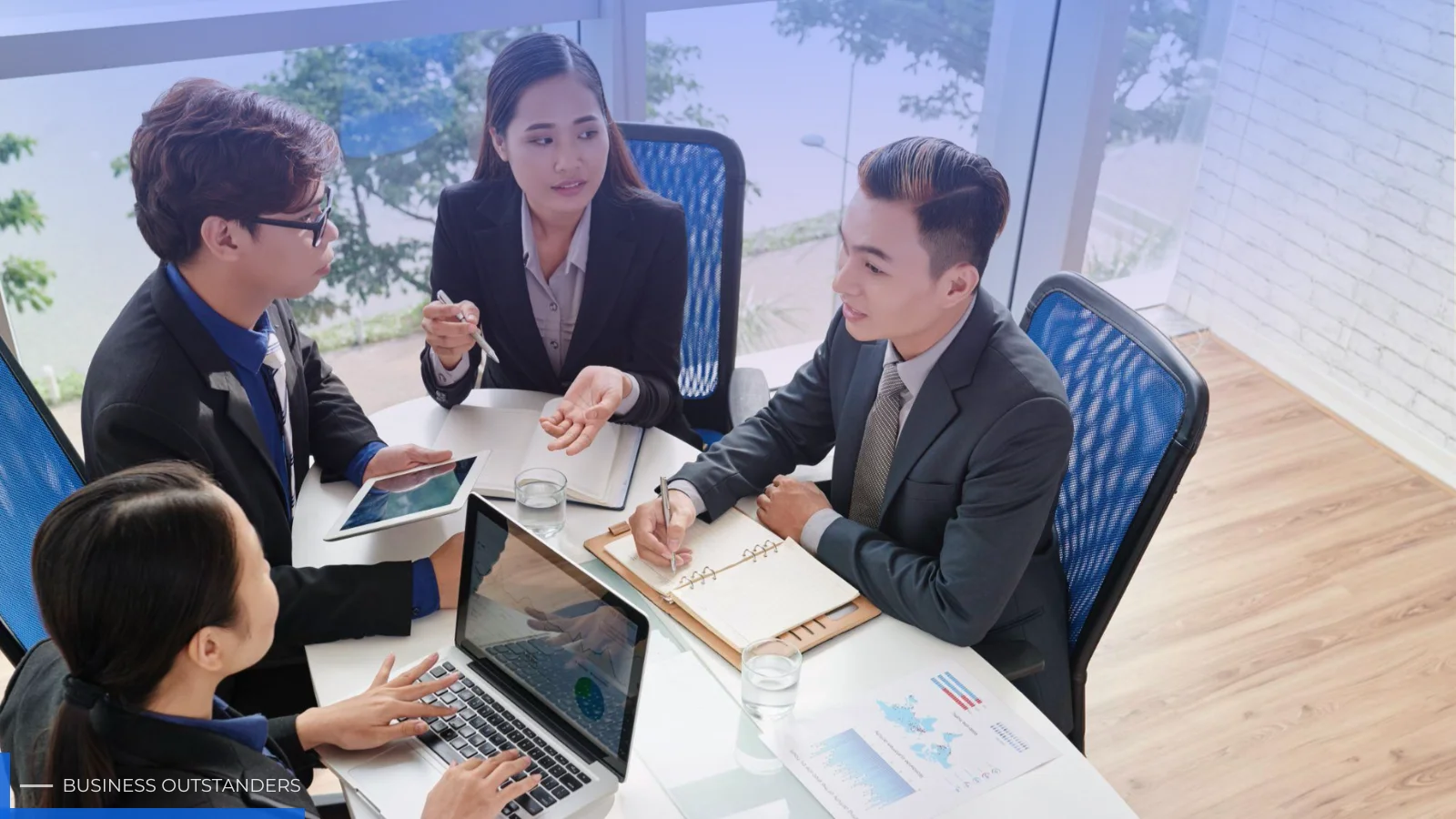
Human-centered design places people's needs, behaviors, and experiences at the forefront of decision-making. When applied to workspaces, it means crafting environments that support employees' physical, emotional, and mental well-being. According to Forbes, this approach is critical for organizations that want to attract and retain top talent in a competitive market. By engaging directly with employees, businesses can identify genuine challenges and create solutions that improve day-to-day experiences. Unlike traditional workspace design, HCD is collaborative and iterative. It involves every stakeholder, from leadership to new hires, and evolves based on feedback and changing needs. Such a process ensures that the workplace remains relevant and effective as the organization grows or adapts.
Organizations committed to human-centered design often begin with in-depth research, such as empathy interviews and workplace surveys, to gain valuable insights into employee preferences and pain points. This groundwork leads to solutions that are not just functional but truly resonate with the people using the space. For many companies, establishing pilot areas or “sandbox” spaces within the office provides a chance to experiment with new layouts, furniture, or amenities before investing at a larger scale. Success stories abound of major companies adopting HCD for onboarding new employees, using welcoming breakout lounges, and providing specialized quiet zones to ease the transition into the workplace. The positive effects of this approach ripple throughout the organization. Companies observe that employees become more proactive in sharing ideas or seeking support, further cultivating a collaborative and innovative atmosphere. In this way, human-centered design acts as a catalyst for organizational growth, uniting teams around shared goals.
Flexibility and Adaptability
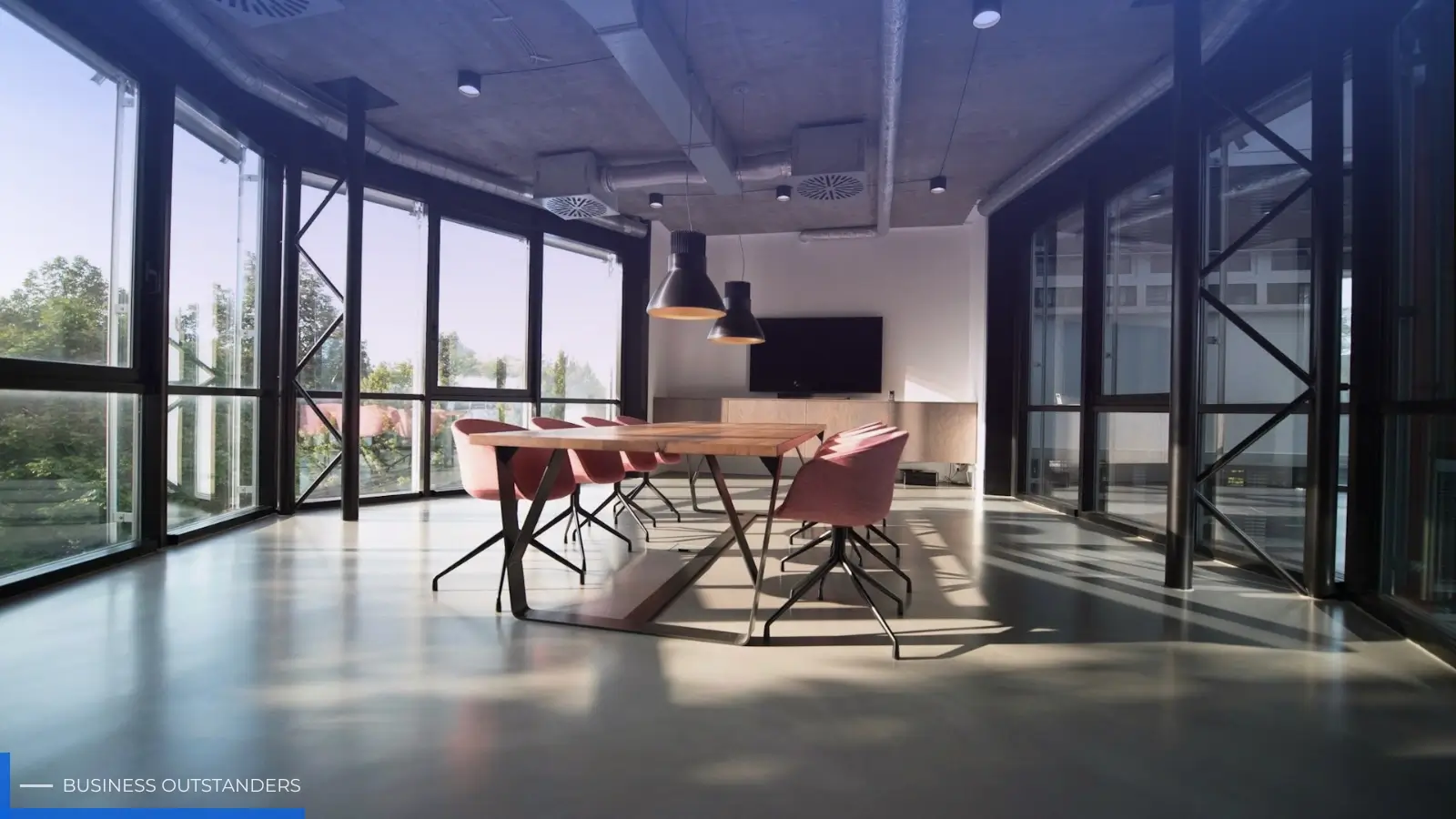
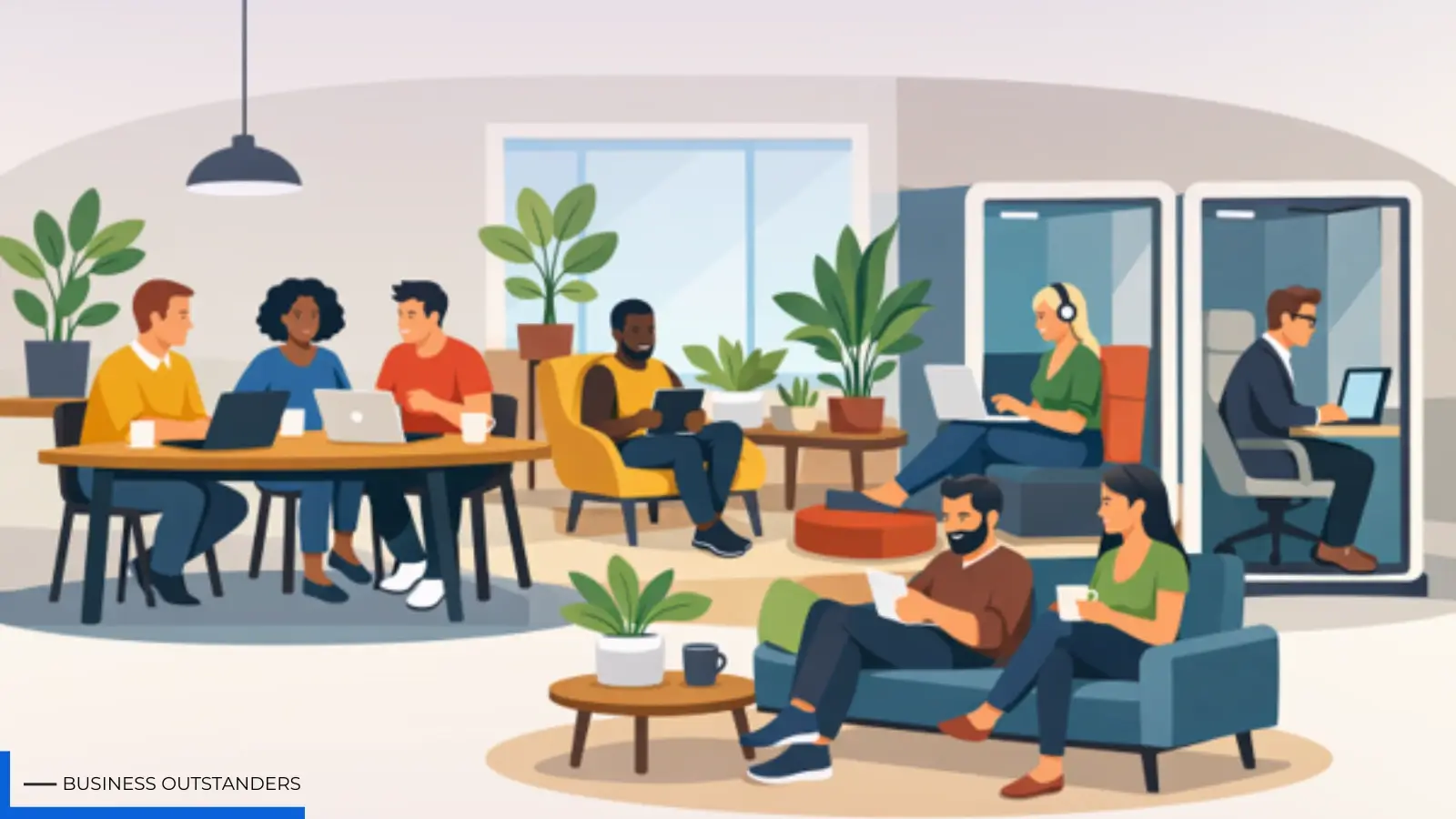
Today’s workforce is more diverse than ever, with employees requiring a range of options to perform at their best. Flexible office layouts with collaboration areas, private pods, and comfortable break zones empower workers to choose environments that match their tasks or moods. Adaptable spaces also accommodate hybrid work models, enabling both in-person and remote collaboration.
Modular furniture, adjustable lighting, and multipurpose rooms can help organizations pivot quickly as their teams and workflows change, making flexibility a foundation for future-proof office design.
One approach increasingly used is the activity-based workspace, which incorporates a variety of zones throughout the office. These zones include open collaboration spaces for team meetings, quiet areas for focused work, and community kitchens for informal networking. By providing employees with choices, organizations signal respect for individual working preferences and recognize that productivity surges when people are comfortable in their environments. Furthermore, integrating movable partitions, adaptable desks, and portable technology ensures the workspace can evolve with organizational demands, fostering continuous innovation and agility.
Incorporating Natural Elements
Access to natural light, greenery, and organic materials can make a noticeable difference in employee satisfaction and health. Studies have shown that natural elements in the workplace reduce stress, boost mood, and enhance cognitive function. Office plants, wooden accents, and large windows not only increase visual appeal but also foster a sense of serenity and connection to nature.
Embracing biophilic design does more than beautify a space. Even small touches, like adding potted plants or maximizing daylight, can improve air quality and spark creativity. These investments yield returns in the form of enhanced morale and fewer sick days. Companies are also exploring new and innovative ways to bring nature indoors, such as living walls, water features, and nature-inspired color palettes. These elements not only serve as conversation starters but also create micro-moments of calm throughout the day. Research published in the Journal of Environmental Psychology shows that workers in offices that embrace biophilic design report increased focus, creativity, and job satisfaction. As a result, these strategies are becoming central to the design briefs of forward-thinking organizations.
Technology Integration
Technology is the backbone of contemporary workspaces. Seamless Wi-Fi, smart conferencing solutions, and collaborative platforms enable employees to communicate and share information regardless of location. Carefully integrated tech infrastructure enables teams to collaborate efficiently, reducing bottlenecks and minimizing frustration. Modern offices often blend physical and virtual spaces, relying on tools like video calls and shared cloud documents. As explained in a recent Forbes article, the successful integration of technology empowers employees to focus on their work instead of troubleshooting devices or searching for meeting links.
Smart technology is also influencing workplace environmental control. Automated climate systems, smart lighting that adjusts according to natural light levels, and occupancy sensors help organizations create workspaces that are both energy-efficient and tailored to employee comfort. Digital whiteboards, collaboration apps, and VR tools can make hybrid meetings more inclusive and dynamic, helping remote and onsite employees work as a cohesive unit. Ultimately, thoughtful technology integration streamlines workflows and helps organizations stay competitive in an increasingly digital world.
Continuous Feedback and Evolution
The needs of employees and businesses evolve continuously. Organizations should implement regular check-ins to gather insights on what is working and identify areas for improvement. Feedback channels such as surveys, digital suggestion boxes, and open forums create a culture where employees feel heard and valued. By actively responding to employee feedback, workplaces can make timely changes that keep spaces relevant and comfortable. Iterative improvements, such as rearranging furniture or updating amenities based on feedback, cultivate a positive environment and reinforce a commitment to employee welfare. Forward-thinking organizations know that maintaining a vibrant and effective workspace requires ongoing investment, not just a one-time redesign. Establishing a feedback loop allows employees to share ideas in real time, and creating a dedicated cross-functional team for workspace innovation ensures that valuable insights are acted on. Participatory design workshops, quarterly check-ins, and transparent reporting on changes made based on feedback can all enhance trust and engagement. As needs change over time, whether due to workforce growth, new technologies, or societal trends, workplaces that value and act on employee voices will consistently stay ahead of the curve.
Conclusion
In conclusion, human-centered design is the foundation of the modern workplace, enabling organizations to create flexible, wellness-focused, and technologically advanced environments that support both performance and comfort. By prioritizing employees' well-being, preferences, and daily needs, employers can foster higher satisfaction, stronger engagement, and long-term loyalty while also improving overall productivity. Thoughtful design that integrates adaptable layouts, natural elements, and smart technology helps create spaces where people can work more efficiently and feel genuinely supported throughout the day. As workplace expectations continue to evolve, businesses that invest in human-centered principles will be better positioned to attract talent, encourage collaboration, and sustain success for years to come.
Business Outstanders brings you sharp insights on tech, business, entrepreneurship, law, crypto, and more. We uncover what’s next. Stay updated, sign up for our newsletter and be part of the future!