Key Takeaways
- High-security perimeter systems deter unauthorized access and protect valuable assets at industrial facilities.
- Advanced detection technologies improve incident response and limit false alarms.
- A harmonious blend of physical and electronic systems delivers the most effective security solution.
Industrial facilities are attractive targets for unauthorized access, theft, and vandalism. Safeguarding the perimeter is a critical component of protecting valuable property, ensuring personnel safety, and preserving operational continuity. Robust solutions, such as industrial fencing, are central to a comprehensive security strategy, serving as both a physical and psychological barrier to potential intruders.
In today’s landscape, security systems must do more than deter; they must actively detect, document, and prevent potential threats. High-security perimeter solutions offer much more than traditional barriers by combining physical structures with advanced technology, producing layered defenses that maximize protection.
Deterrence and Prevention
Effective perimeter security begins with deterrence. The mere presence of substantial physical barriers can dissuade would-be intruders before an incident occurs. Steel Palisade fencing, featuring vertical steel pales with pointed or spiked tops, is one such example. Its construction is intentionally difficult to scale or breach, serving as a visible warning to potential trespassers. According to industry experts, the design not only acts as a barrier but also instinctively discourages attempts at unauthorized entry, helping managers sleep easier at night.
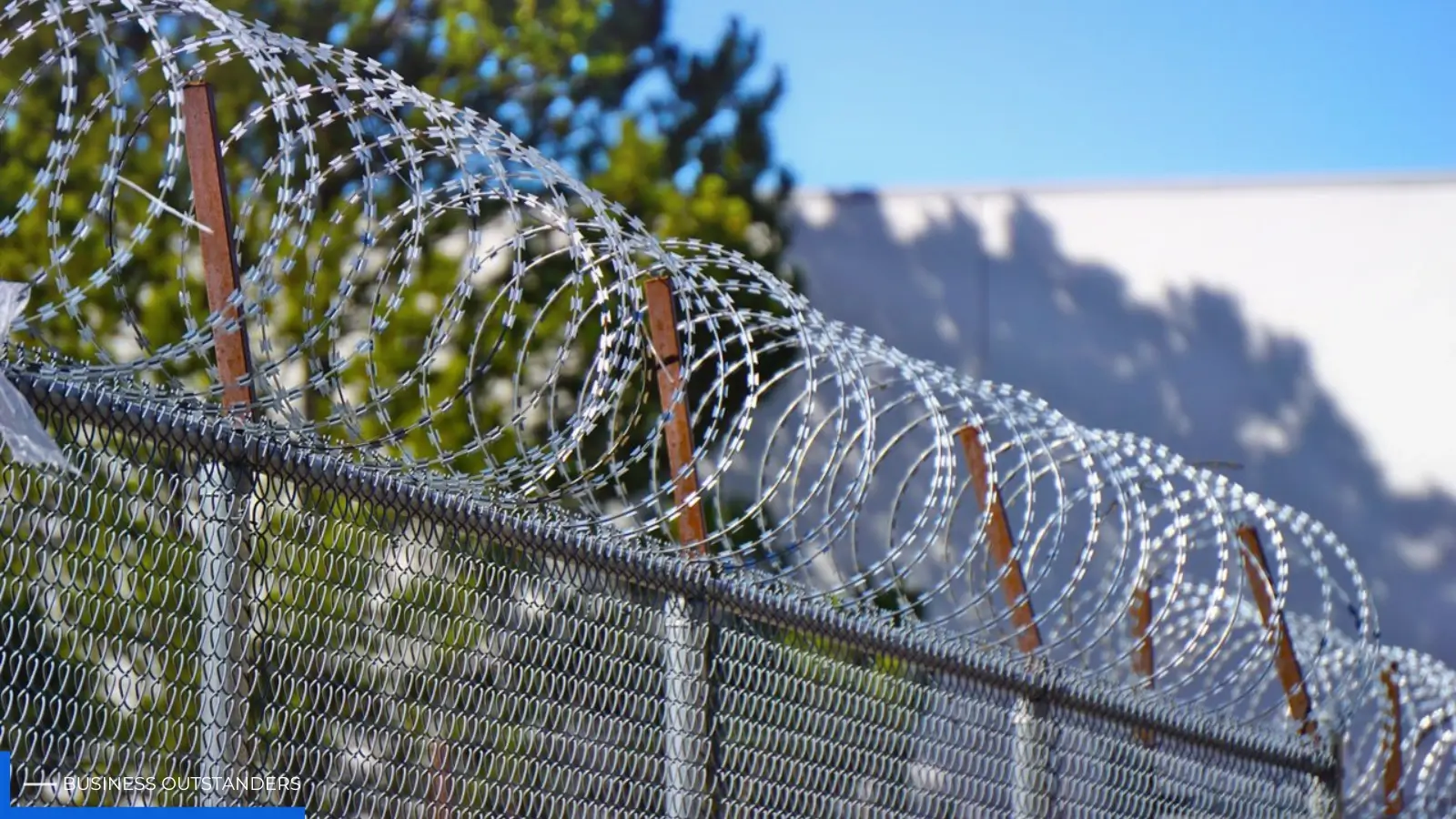
Similar physical deterrents, such as anti-climb mesh and razor wire, work in combination with visible warning signs to create a layered approach. These elements, collectively, lower the odds of opportunistic crime, supplement internal security efforts, and contribute to a safer environment for workers and equipment. Facilities can even reduce their risk profiles by demonstrating a proactive commitment to security, which, in turn, may lower insurance costs.
Enhanced Detection Capabilities
Today’s security demands call for smart solutions. Systems equipped with fiber-optic sensors or infrared detection can detect suspicious movement long before an intruder breaches a facility. Fiber-based intrusion detection, for instance, utilizes cables embedded along fences to sense vibrations or disturbances associated with cutting or climbing attempts. When triggered, these sensors can activate alarms, dispatch security teams, and even queue video footage for rapid review.
Facilities that leverage next-generation tools, such as seismic sensors or radar, benefit from broader surveillance coverage and dramatically reduced false alarm rates. By distinguishing between natural phenomena such as wind or wildlife and genuine threats, these systems help streamline response times and minimize costly workflow interruptions. The efficiency gains from these technologies are particularly valuable for large or complex facilities with extensive perimeters to monitor.
Integration with Advanced Technologies
Modern perimeter defense is not based solely on brute strength. It is a combination of advanced analytics and robust materials. Integrating AI-powered surveillance enables real-time video analysis, automatically highlighting unusual behavior and tracking suspicious movements without human intervention. This union of software and hardware reduces dependence on on-site personnel and significantly decreases the risk of oversight due to human error.
As highlighted in a TechRadar article, the use of artificial intelligence in industrial security is growing rapidly due to its precision and adaptability. The technology can even adapt to changing environments or evolving tactics used by intruders, providing an ongoing layer of protection that improves with each data point and detected incident. These advancements can be integrated into access control systems, alarm systems, and centralized security management to enable seamless coordination across the site.
Compliance with Regulatory Standards
High-security perimeter solutions are not just best practices; they often fulfill regulatory obligations. Industrial plants handling chemical, biological, or hazardous materials may be subject to local, federal, or industry-imposed security requirements. Neglecting these standards can lead to heavy penalties and reputational damage. Robust perimeter systems, therefore, perform double-duty by ensuring legal compliance and protecting public safety through controlled site access and increased accountability.
Cost-Effectiveness and Long-Term Savings
It is natural for facility managers to weigh the upfront costs of implementing security measures. However, the equation shifts with a longer-term perspective. The ability to prevent losses from vandalism, theft, and operational disruptions delivers substantial cost savings over time. Modern systems are engineered for low maintenance and longevity, meaning ongoing operational costs are modest compared to the financial impact of a major security breach. Additionally, insurance providers may offer reduced premiums or incentives for high-security installations, further adding to the return on investment.
Case Study: Successful Implementation
The benefits of high-security perimeter systems were demonstrated at a UK-based manufacturing facility that suffered frequent break-ins and theft. The installation of anti-climb fencing, paired with AI-powered surveillance, led to a quick resolution. Security breaches and vandalism dropped sharply. Employees reported feeling safer at work, and overall morale improved, while management experienced reduced operational disruptions and lower replacement costs for stolen or damaged property. According to a TechRadar report, such investments not only secure a site but also contribute to a healthier work environment and boost productivity across the entire organization.
Conclusion
Investing in high-security perimeter systems represents more than a preventive measure for industrial facilities. It signals a commitment to safety, regulatory compliance, and business continuity. By integrating strong physical barriers with cutting-edge detection and monitoring technology, sites can deter intrusions, protect assets, and foster a secure workspace for employees. The advantages extend beyond theft prevention, providing peace of mind, lowering long-term costs, and supporting efficient, sustainable operations in a rapidly evolving threat landscape.
Business Outstanders brings you sharp insights on tech, business, entrepreneurship, law, crypto, and more. We uncover what’s next. Stay updated, sign up for our newsletter and be part of the future!