Essential Commercial Mechanical Services for Property Longevity
Maintaining the mechanical systems of commercial properties is not merely about functionality; it's about ensuring business continuity, occupant safety, and long-term asset value. For property managers and owners, a proactive approach to commercial mechanical services is paramount. This includes everything from routine preventative maintenance for HVAC systems and boiler plants to ensuring seamless system integration across diverse building infrastructures. Our expertise extends to anticipating seasonal demands and preparing systems for optimal performance, whether in bustling Maple Ridge or the growing communities of Pitt Meadows.
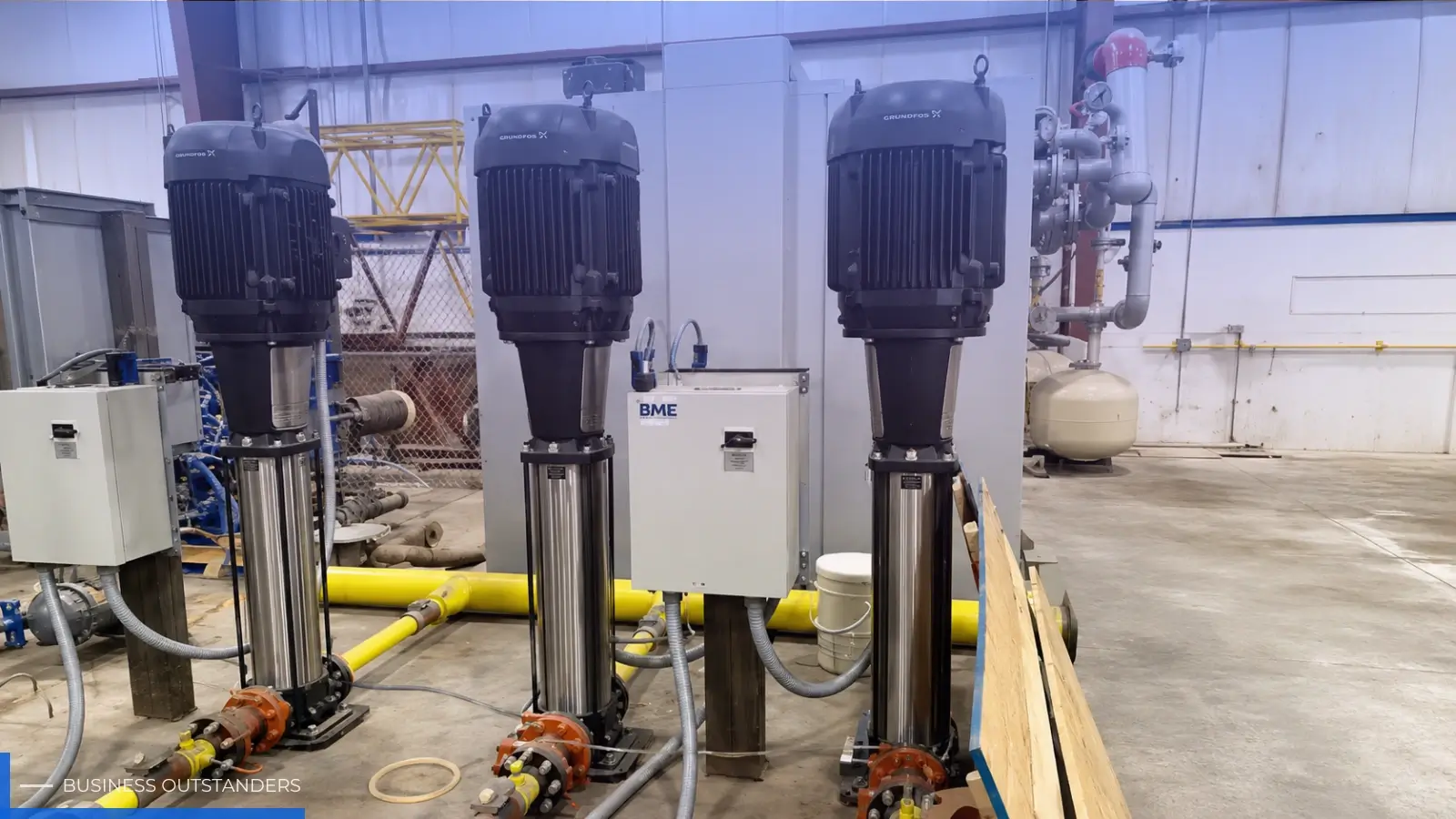
Preventative maintenance is the cornerstone of property longevity. Regular inspections and servicing of heating, ventilation, and air conditioning (HVAC) systems can identify potential issues before they escalate into costly breakdowns. Prioritizing HVAC maintenance ensures these systems run efficiently, reduces unexpected downtime, and extends their operational lifespan Similarly, consistent attention to boiler plants ensures efficient heating and prevents unexpected failures, especially during peak demand. Beyond individual components, the integration of these systems into a cohesive, energy-efficient network is crucial for overall operational efficiency and occupant comfort.
Integrating Advanced Commercial Mechanical Services
Modern commercial properties demand more than just basic heating and cooling. The integration of advanced mechanical services focuses on optimizing energy efficiency, enhancing indoor air quality, and implementing smart controls for precise environmental management. In areas like Langley and Surrey, where businesses are constantly evolving, system optimization and sustainable infrastructure are becoming key differentiators. This involves deploying cutting-edge technologies that reduce energy consumption, improve air circulation and filtration, and provide granular control over building environments, contributing to both ecological responsibility and operational savings.
The Role of Commercial Mechanical Services in Risk Mitigation
Beyond comfort and efficiency, commercial mechanical services play a critical role in mitigating significant property risks. System failures, particularly those involving plumbing or heating, can lead to extensive property damage, business interruption, and even safety hazards. For properties in Vancouver and Mission, where climate conditions can vary, robust mechanical systems are essential. Regular mechanical audits and comprehensive risk assessments help identify vulnerabilities and implement strategies to prevent catastrophic events. Investing in professional mechanical services ensures long-term durability and protects your commercial assets from unforeseen challenges.
Identifying and Managing Critical Pipe Failures
One of the most disruptive and potentially damaging mechanical failures a commercial property can face is a burst pipe. These incidents can occur without warning and lead to rapid water damage, structural compromise, and significant operational downtime. Understanding the common causes and recognizing the early signs of pipe failure is crucial for effective management.
Common culprits behind burst pipes include freezing temperatures, which cause water to expand and rupture pipes, especially in unheated areas or during sudden cold snaps. Corrosion, often exacerbated by an imbalanced pH in the water supply, can weaken pipe walls over time, leading to leaks or bursts. High water pressure, if not properly regulated, can also stress plumbing systems beyond their limits. Even seemingly innocuous factors like tree root intrusion can compromise underground pipes, leading to leaks and eventual bursts.
Different pipe materials also exhibit varying degrees of susceptibility to these issues. For instance, traditional copper pipes are durable but can be prone to corrosion and are rigid, making them vulnerable to freezing. PEX (cross-linked polyethylene) and PVC (polyvinyl chloride) are more flexible and resistant to freezing, but PVC can become brittle with age or exposure to UV light. Older materials like Poly-B (polybutylene) are notoriously prone to flaking and decomposition, while galvanized steel pipes, common in pre-1960s buildings, are highly susceptible to internal corrosion and sediment buildup. Understanding these material characteristics helps in predicting and preventing potential failures.
Recognizing the Signs of a Burst Pipe
A burst pipe doesn't always announce itself with a dramatic gush of water. Often, there are subtle indicators that commercial property managers should be vigilant for:
Understanding Why Pipes Fail Spontaneously
While some pipe failures are gradual, many burst pipes seem to occur spontaneously and without warning. This can be attributed to several factors:
Immediate Response and Professional Repair Protocols
When a burst pipe occurs in a commercial property, rapid and decisive action is critical to minimize damage and restore operations. The immediate aftermath of a burst pipe can be chaotic, but a structured response can make a significant difference.
The very first step is to terminate the main water supply to the affected area or the entire building. Every property manager should know the location of the main shut-off valve and how to operate it. If water has reached electrical outlets or panels, ensure electrical safety by turning off the main power to prevent electrocution or fire hazards. Next, drain the remaining water from the pipes by opening the lowest faucets and flushing toilets. While waiting for professional help, begin to contain the water using buckets, wet/dry vacuums, and towels to prevent further spread. Crucially, document all damage with photos and videos for insurance claims, as this evidence will be vital for recovery. Following these initial steps, a professional assessment by experienced technicians is indispensable for identifying the extent of the damage and planning the repair. Specialized tools and expertise are often required to pinpoint hidden leaks and execute effective repairs.
When to Repair vs. Replace Commercial Piping
Deciding whether to repair a burst pipe or opt for a full replacement depends on several factors, including the nature of the damage, the age and material of the existing pipes, and long-term cost implications.
Minor issues like small pinhole leaks in an otherwise sound pipe might be suitable for a targeted repair. However, if the pipe is old, heavily corroded, or made from problematic materials like Poly-B piping or galvanized steel, replacement is often the more prudent long-term solution. Poly-B, for example, is known for its inherent material degradation, making repeated repairs a temporary fix at best. Similarly, lead pipes, though banned in new construction since 1975 in Canada, may still exist in older commercial properties and pose significant health risks, necessitating immediate replacement. Persistent clogs, recurring leaks, or visible structural damage are also strong indicators that replacement, rather than repair, is needed.
Furthermore, building code compliance is a critical consideration. Older piping materials or repair methods might no longer meet current standards, requiring a full system upgrade. For comprehensive guidance on addressing complex pipe issues in commercial settings, including expert assessment and execution for situations requiring a full overhaul, consider consulting specialists in Commercial mechanical burst pipe repair. Their expertise ensures that repairs and replacements are not only effective but also compliant with all relevant regulations.
Factors Influencing Repair Complexity and Duration
The complexity and duration of a burst pipe repair can vary significantly based on several factors:
Proactive Strategies for Winter Readiness in the Lower Mainland
For commercial properties in the Lower Mainland, where winter temperatures can dip unexpectedly, proactive measures are essential to prevent burst pipes and other cold-weather mechanical failures. Winterization is a critical annual task that protects your investment and ensures uninterrupted operations.
Key strategies include ensuring all exposed pipes, especially those in unheated areas like basements, crawl spaces, attics, and exterior walls, are professionally insulated. Maintaining consistent thermostat settings, even in unoccupied areas, helps keep ambient temperatures above freezing. Sealing air leaks around windows, doors, and utility penetrations prevents cold drafts from reaching vulnerable pipes. For pipes located under sinks, keeping cabinet doors open allows warmer indoor air to circulate. Additionally, draining and disconnecting outdoor faucets and sprinkler systems before the first freeze is crucial. In particularly vulnerable areas, heat tape application can provide an extra layer of protection against freezing.
Finding a Reputable Mechanical Partner in BC
When faced with a mechanical emergency or planning preventative maintenance, partnering with a reputable and experienced mechanical contractor is paramount. For commercial property owners in BC, selecting a partner means looking for:
Preventing Future Mechanical Emergencies
Beyond addressing immediate issues, a robust preventative maintenance plan is your best defense against future mechanical emergencies. This includes:
Frequently Asked Questions about Commercial Pipe Safety
Can a pipe burst even if the water supply is turned off?
Yes, a pipe can indeed burst even if the main water supply to a property has been turned off. This typically happens due to the freezing and expansion of stagnant water that remains within the pipes after the supply is cut. While turning off the main supply stops new water from entering the system, residual water can still be trapped in various sections, especially in main supply lines that run beneath the property or in sections that haven't been fully drained. As this trapped water freezes, it expands, exerting immense pressure on the pipe walls, leading to ruptures. Thermal expansion can also play a role, where rapid temperature changes cause materials to contract and expand unevenly, stressing already vulnerable pipes.
What are the potential consequences of ignoring a minor leak?
Ignoring even a seemingly minor leak in a commercial property can lead to a cascade of severe and costly consequences. What starts as a small drip can quickly escalate into:
How long does a typical burst pipe repair take?
The duration of a typical burst pipe repair can vary widely, ranging from a few hours to several days or even weeks, depending on numerous factors.
Therefore, while the actual pipe repair might be quick, the entire process from discovery to full restoration can be quite lengthy.
Conclusion
The health of your commercial property's mechanical systems is intrinsically linked to its operational success and long-term value. For businesses and property managers across the Lower Mainland, BC, understanding the intricacies of plumbing, particularly in preventing and managing burst pipes, is non-negotiable. Our commitment to professional integrity and customer-centric mechanical care ensures that we provide year-round comfort solutions and rapid, effective responses to emergencies. With over 30 years of service excellence in the region, we stand ready to be your trusted partner in maintaining robust, efficient, and safe commercial properties.
Business Outstanders brings you sharp insights on tech, business, entrepreneurship, law, crypto, and more. We uncover what’s next. Stay updated, sign up for our newsletter and be part of the future!