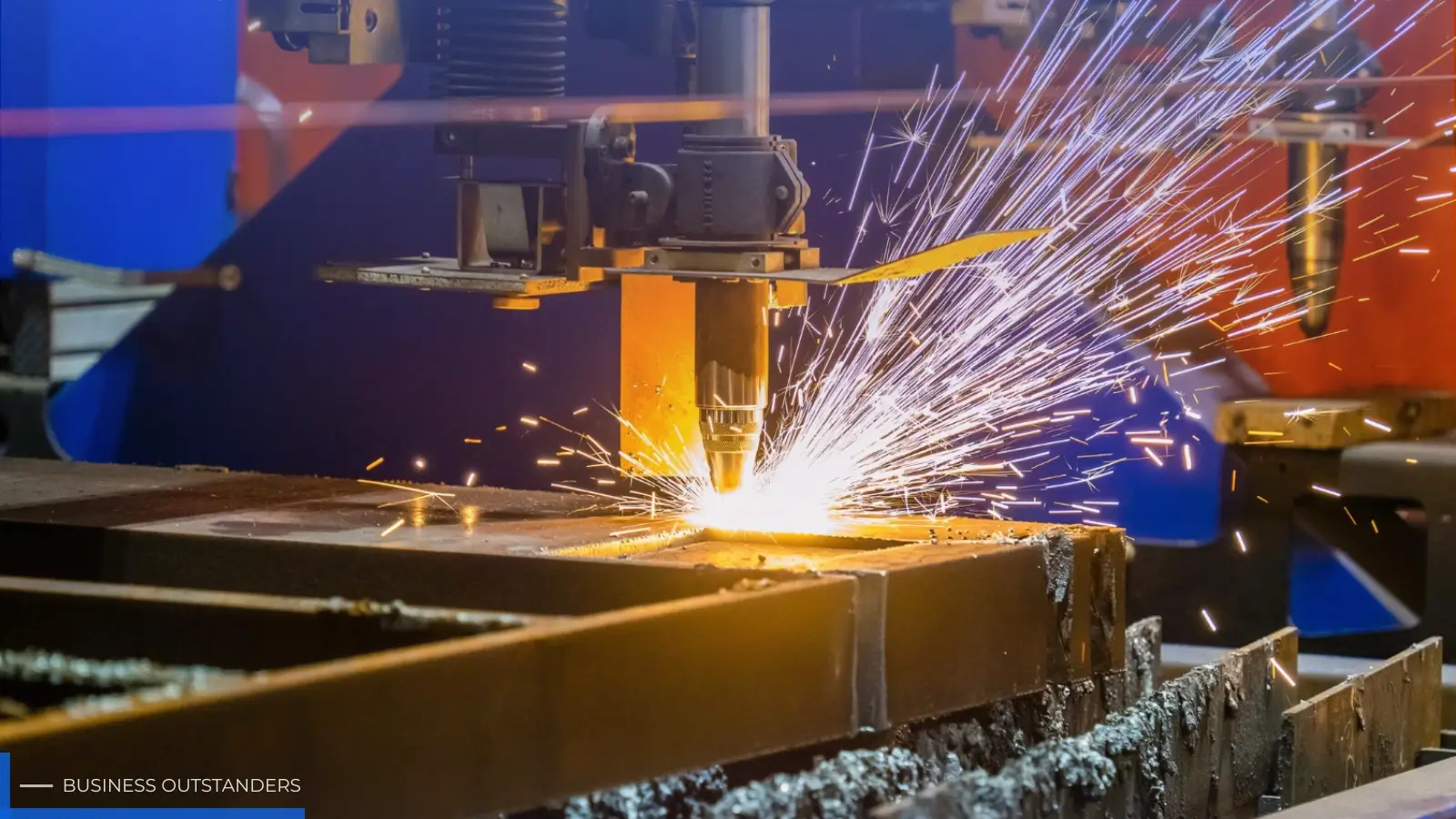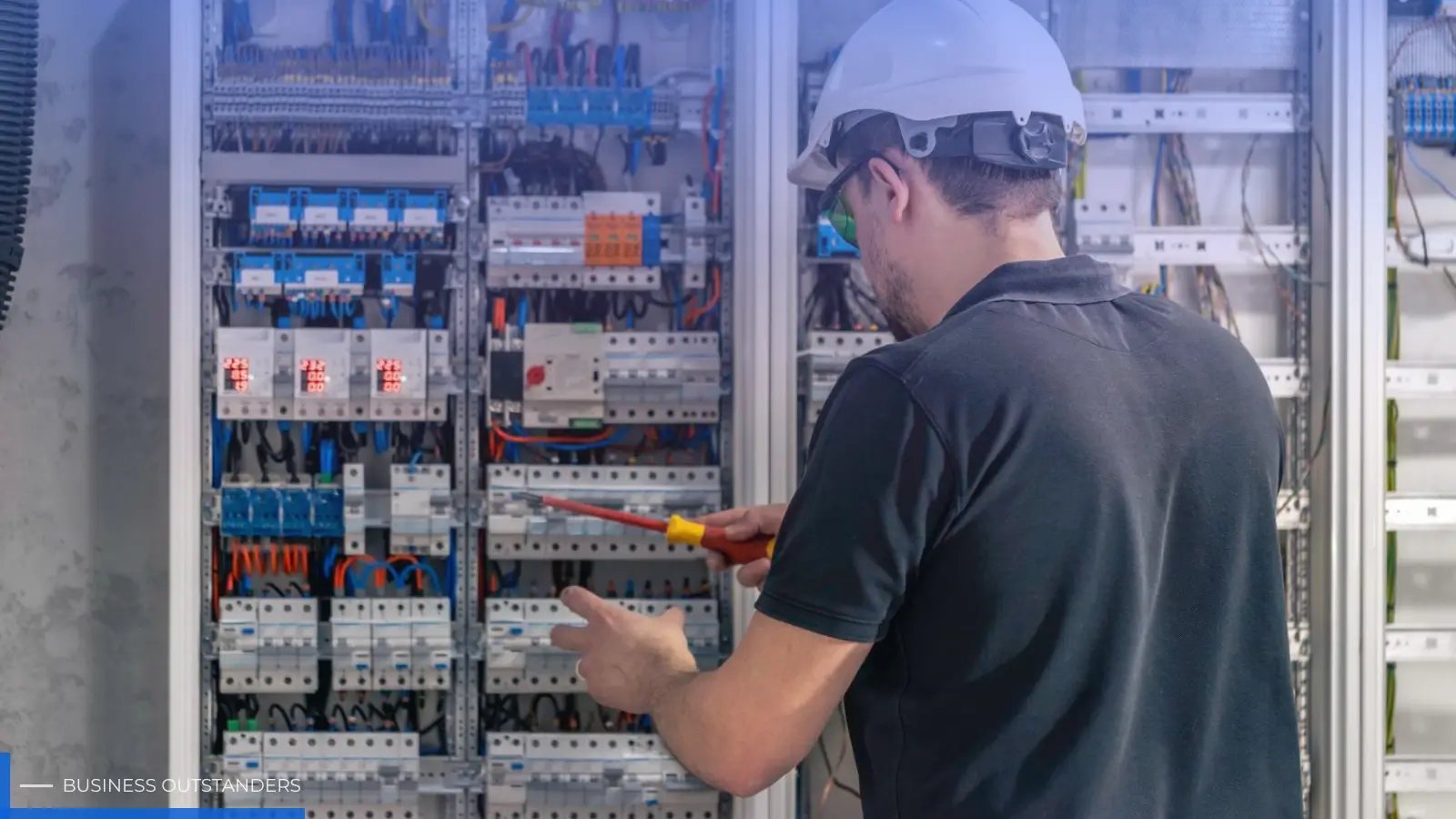
Industrial facilities have transformed significantly over the last decade. Facilities are no longer just large rooms filled with manual machinery. Instead, they are highly complex ecosystems driven by interconnected technologies, massive data exchanges, and constant power demands. Because of this complexity, the electrical infrastructure that powers these operations must be incredibly robust.
Core Principles of Safer Electrical Design
Creating a secure electrical system starts with a solid foundation. You must build safety into the initial blueprints rather than adding it as an afterthought.
Risk Assessment and Hazard Identification
A proactive approach begins with a comprehensive risk assessment. Engineers must identify potential hazards before laying a single cable. This involves evaluating the power requirements of new machinery, understanding the environmental conditions of the factory floor, and predicting potential points of failure. Identifying these risks early allows teams to implement effective safeguards.
Compliance with Essential Standards
Adhering to established safety standards is non-negotiable. Organizations must design systems that comply with codes such as the National Electrical Code (NEC), OSHA regulations, and NFPA 70E. These benchmarks provide strict guidelines for safe installation, maintenance, and operation. Following international standards ensures the facility operates legally and safely across different jurisdictions.
Redundancy, Reliability, and Grounding Assemblies
Downtime is incredibly costly for modern manufacturing. To minimize interruptions, electrical designs must include built-in redundancy. Having backup power supplies and alternative routing ensures continuous operation if a primary system fails. Additionally, integrating high-quality grounding assemblies into the design is crucial. Proper grounding provides a safe path for fault currents, protecting workers from electric shock and preventing catastrophic equipment damage. As evolving infrastructure places ever-greater demands on electrical systems, redundancy and grounding design have become defining markers of true modern electrical expertise.
Advanced Technologies for Electrical Safety
New technologies offer unprecedented ways to monitor and protect electrical systems in real time.
Smart Grid Integration and Energy Management
Integrating smart grid technology allows facilities to manage energy distribution dynamically. Energy management systems provide real-time data on power consumption and load distribution. This visibility helps prevent overloading and optimizes energy use across the entire plant.
Arc-Flash Detection and Mitigation
An arc flash is one of the most dangerous electrical hazards in a factory. Modern electrical designs incorporate advanced arc-flash detection relays. These devices sense the light and pressure of an emerging arc and trip the circuit breaker in milliseconds. This rapid response protects personnel from severe burns and limits damage to the switchgear.
Ground Fault Protection
Electrical fires and severe shocks often stem from ground faults. Implementing sensitive ground fault protection equipment (GFPE) is essential. These systems continuously monitor the current leaving and returning to the power source. If they detect an imbalance, they immediately shut off the power, neutralizing the threat.
Remote Monitoring and Diagnostics
Facility managers no longer need to inspect equipment manually to detect issues. Remote monitoring tools and predictive maintenance software provide early warning signs of component degradation. By analyzing data trends, teams can replace worn parts before they fail.
Tailoring Design for Specific Factory Environments
Different areas of a factory present unique electrical challenges. A one-size-fits-all approach does not work for industrial safety.
High-Temperature and Hazardous Locations
Certain manufacturing processes generate extreme heat or involve combustible materials. Wiring and enclosures in these zones require special consideration. Designers must specify heat-resistant insulation and explosion-proof enclosures to prevent electrical sparks from igniting hazardous atmospheres.
Automated Production Lines
Dynamic environments with moving conveyor belts and automated sorters require flexible yet secure electrical routing. Cables must be protected from physical wear and tear. Designers often use heavy-duty cable trays and specialized conduit systems to shield wires from the continuous motion of the production line.
Robotics Integration
Industrial robots require significant power and strict safety controls. The electrical design must include secure power supplies and robust safety interlocks. If a worker enters a robotic work cell, the interlock system must immediately cut power to the machine to prevent injury.
Human Factors in Electrical Safety Design
Even the most advanced electrical system is only as safe as the people interacting with it. Considering the human element is a critical part of facility design.
Ergonomics and Accessibility
Maintenance teams need safe, easy access to electrical panels and switchgear. Designing for ergonomics means placing controls at comfortable heights and ensuring adequate lighting in electrical rooms. Clear, accessible layouts reduce the physical strain on workers and decrease the likelihood of accidental contact with live components.
Training and Awareness
Safety infrastructure means very little if personnel do not understand how to use it. Factories must invest in continuous training programs. Workers need to know how to identify electrical hazards, read warning labels, and respond to emergencies effectively.
Lockout/Tagout (LOTO) Procedures
Lockout/Tagout is a critical safety protocol for maintenance and repair work. The electrical infrastructure must be designed to facilitate easy and secure LOTO procedures. Clear labeling and accessible isolation points ensure that machinery cannot be accidentally energized while a technician is working on it.
Real-World Success in Electrical Safety
Several modern automotive plants have recently overhauled their electrical systems to support heavy robotics. By implementing smart monitoring and advanced arc-flash relays, these facilities have reduced electrical-related downtime by over forty percent. More importantly, they have reported zero severe electrical injuries since the upgrades, proving that upfront investments in safety technology yield massive long-term benefits.
Conclusion
Building a safe electrical system is an ongoing process. As technology evolves, so must safety frameworks. By conducting risk assessments, adopting smart monitoring, and prioritizing accessibility, facilities can protect their assets. Plant managers should regularly evaluate infrastructure, integrate remote diagnostics, upgrade grounding, and improve training. This ensures a safe, efficient, and productive factory.
Business Outstanders brings you sharp insights on tech, business, entrepreneurship, law, crypto, and more. We uncover what’s next. Stay updated, sign up for our newsletter and be part of the future!