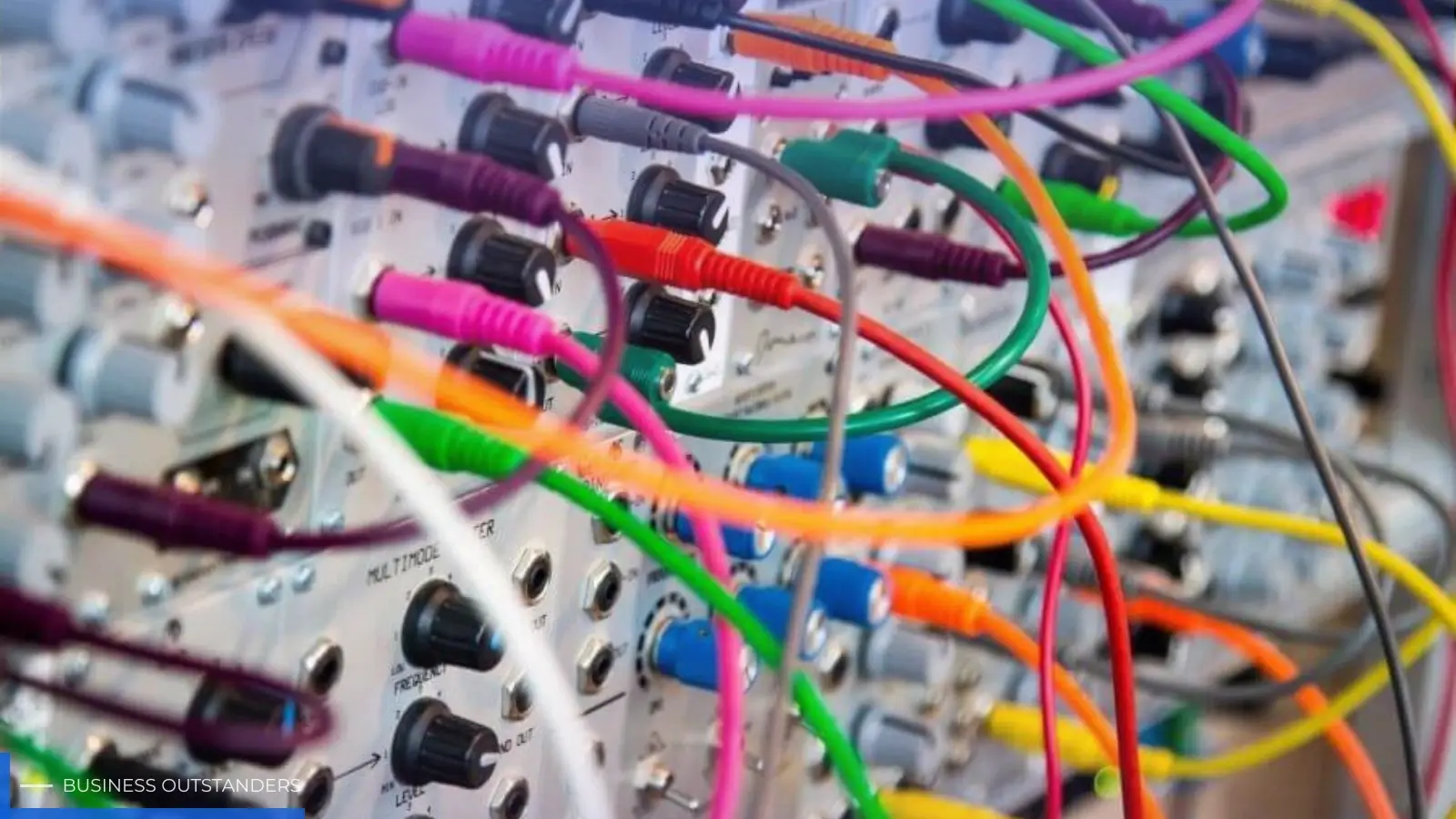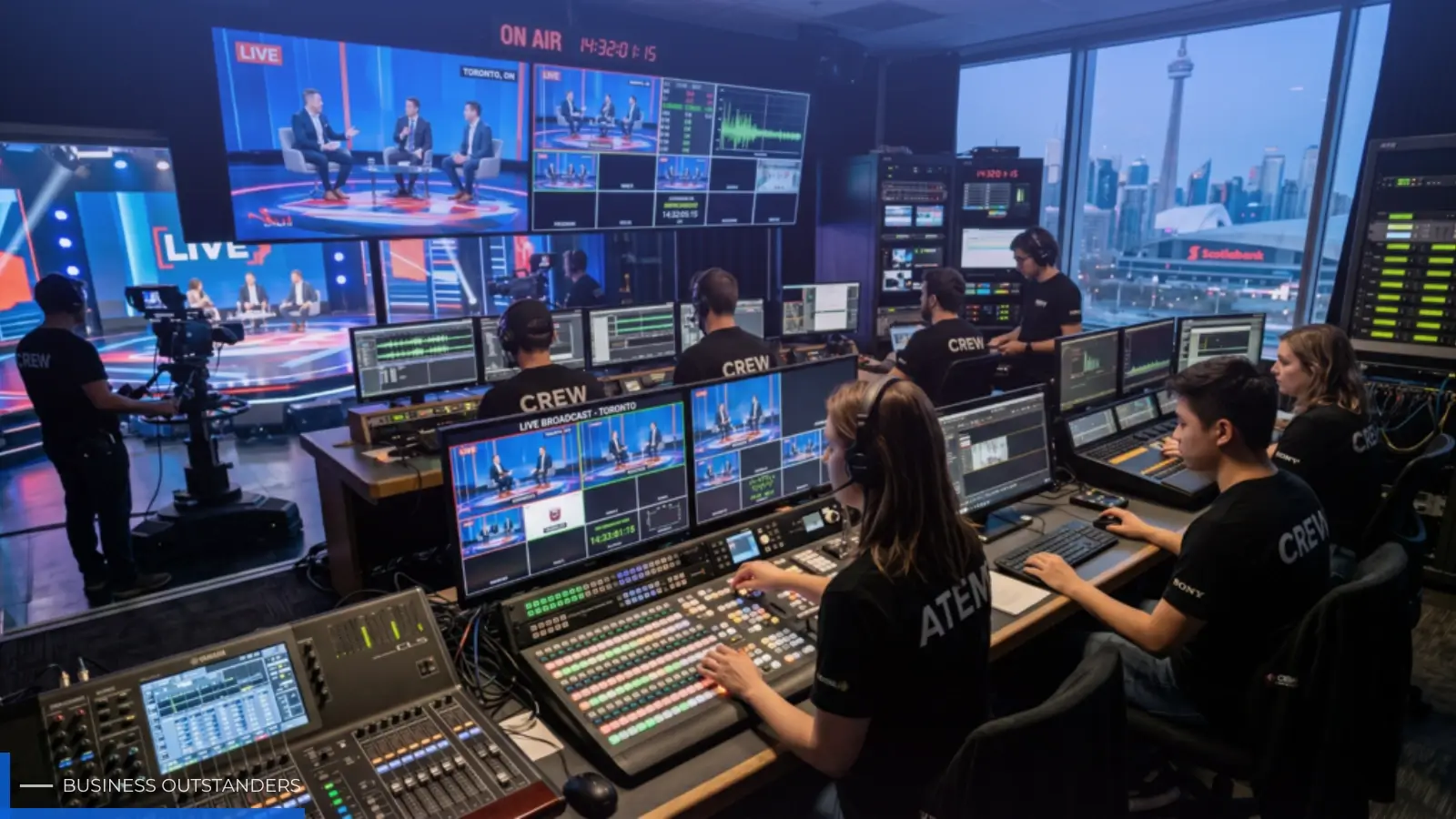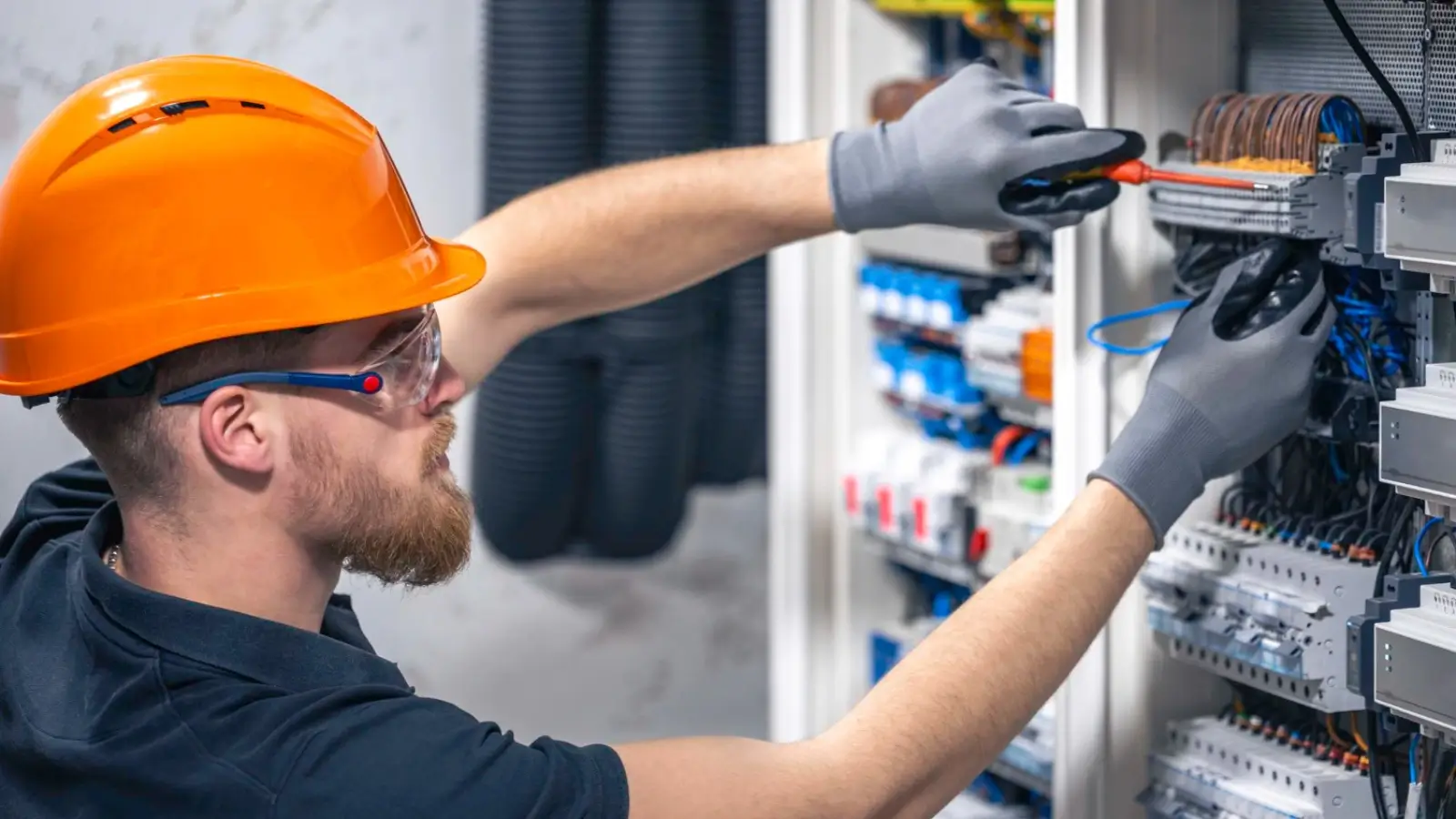
Electricity is the foundation of modern living, driving nearly every tool, technology, and system that shapes how people work, communicate, create, and thrive. From the smallest electronic device to the most complex machinery, electrical systems form the invisible backbone of the world around us. As technology continues to evolve at a rapid pace, the demands placed on electrical infrastructure have grown significantly, making professional expertise more valuable than ever before. These systems are now expected to deliver not only safe and reliable power but also intelligent integration, high efficiency, and long-term adaptability. Whether in residential properties, commercial environments, or industrial operations, the need for advanced electrical understanding has never been greater.
The evolution of electrical systems has brought about remarkable advancements, but it has also introduced new challenges that require careful planning and expert solutions. Electrical loads are heavier, automation is more common, and efficiency standards are more demanding. These trends highlight the importance of investing in systems designed for performance, longevity, and safety. Many individuals and businesses turn to a commercial electrician to ensure that every detail is handled with precision, compliance, and modern insight. Understanding safer electrical systems and how electrical infrastructure continues to change is the first step toward designing a future-ready environment.
The Expanding Complexity of Electrical Demands
In today’s world, electrical usage patterns are far more complex than they were in past decades. Modern environments rely on an extensive range of equipment that must operate simultaneously, efficiently, and safely. Lighting systems have become more sophisticated, appliances are more powerful, and digital devices are more sensitive to fluctuations in power quality. Even basic household setups now depend on energy-intensive systems such as climate control, entertainment centers, and high-speed connectivity tools.
This expansion has created a need for advanced circuit designs capable of managing variable loads. Many older buildings were not originally designed to accommodate such heavy demand. Their wiring, panels, and grounding systems often fall short of modern requirements. As a result, outdated systems may struggle to keep up, leading to tripping breakers, overheating components, or reduced system performance.
Electrical infrastructure must also support the increased use of equipment that draws power continuously. Many modern devices consume electricity even when not in active use, contributing to overall load pressure. This trend requires systems that are not only robust but also intelligently designed to manage energy distribution efficiently.
Safety Requirements in Modern Electrical Systems
Safety has always been a central concern in electrical design, but modern systems require far more sophisticated safety measures than in the past. Electrical codes now emphasize advanced protection devices such as GFCI and AFCI breakers, which detect irregularities in current flow that older systems might overlook. These devices significantly reduce the risk of electrical fires and shock hazards.
Proper grounding systems are equally important. Grounding creates a safe path for excess electricity, preventing damage to equipment and reducing the potential for dangerous surges. As systems grow more complex, the need for reliable grounding becomes even more essential.
Outdated wiring may contain materials that degrade over time, compromising safety and performance. Replacing such wiring ensures stable power delivery and reduces fire risks associated with insulation failure. These precautions are especially important in buildings where technology usage has increased, placing greater stress on electrical circuits.
Smart Technology and Electrical Integration
Smart technology has revolutionized the way electrical systems operate. Automated lighting, intelligent thermostats, interconnected security systems, and remote-controlled appliances have become common in workplaces and homes alike. These systems enhance convenience, comfort, and energy efficiency, but they also require precise integration into the electrical network.
Smart panels provide real-time information about energy usage, circuit activity, and potential problems. They help users track energy consumption patterns, identify inefficiencies, and take action before issues escalate. Smart lighting systems adjust automatically based on occupancy or lighting conditions, reducing waste and improving user experience.
However, smart technology relies heavily on a stable electrical foundation. If wiring is outdated or the system lacks proper grounding, smart devices may malfunction. Voltage fluctuations, inconsistent current flow, or inadequate circuit capacity can lead to system failure or reduced lifespan for sensitive electronics.
For these reasons, many property owners seek the expertise of a commercial electrician when integrating smart systems into existing infrastructure. Proper installation ensures compatibility, safety, and maximum efficiency.
The Rising Role of Renewable Energy
Renewable energy sources have taken a leading role in the transformation of electrical infrastructure. Solar power, wind energy, and battery storage systems now play a major role in modern building designs. These technologies offer cleaner energy solutions, reduce reliance on traditional power sources, and often lead to significant long-term cost savings.
Solar panels must be connected through specialized equipment, including inverters and charge controllers, that convert renewable energy into usable electricity. Proper installation ensures that energy flows safely into the main electrical system. Additionally, battery storage solutions must be configured to store excess energy efficiently and release it during high-demand periods or outages.
Renewable energy integration demands updated electrical panels capable of handling bidirectional energy flow. Surge protection, disconnect switches, and circuit upgrades are essential to ensure safe operation. Without proper planning, renewable systems may underperform or cause instability in existing electrical networks.
The Importance of Future-Ready Electrical Design
Designing electrical systems for the future is no longer optional. With rapid advancements in technology, energy consumption patterns, and smart automation, properties must be built—or upgraded—to support long-term performance.
Future-ready electrical designs emphasize scalability. This means systems should be able to accommodate additional circuits, expanded loads, and new technologies without requiring complete reconstruction. Panels with higher amperage capacity, updated wiring materials, and sufficient circuit spacing ensure adaptability for years to come.
Electric vehicle charging stations are becoming standard in both residential and commercial spaces. These chargers require dedicated circuits capable of handling high amperage. Integrating them requires an assessment of the building’s current electrical load and possible panel upgrades.
Battery storage systems are also gaining popularity. These systems supply backup energy and improve resilience against power outages. However, they require electrical configurations designed for stability under varying load and charging conditions.
Preparing a property for future innovations helps reduce costs over time and minimizes disruptions as technology continues to evolve.
Challenges Facing Modern Electrical Infrastructure
Despite advancements, modern electrical systems face several unique challenges. One of the most common issues is circuit overload. As more devices are added, circuits may exceed their intended capacity, leading to frequent breaker trips or overheating.
Another challenge is compatibility between outdated components and modern technologies. Older wiring may not support the precise requirements of sensitive electronics, causing performance issues or equipment damage.
Environmental factors also pose risks. Exposure to moisture, heat, dust, or corrosive elements can weaken electrical components. Proper insulation, protective enclosures, and regular maintenance help extend the lifespan of electrical systems.
Power surges are another ongoing issue. Surges may originate from weather events, damaged utility equipment, or internal system faults. Surge protection devices help minimize the risk by absorbing excess voltage before it reaches sensitive equipment.
The Role of Professional Expertise in Electrical Safety and Efficiency
As electrical systems grow increasingly sophisticated, professional expertise becomes essential. Electrical work involves complex calculations, safety protocols, and regulatory requirements that cannot be overlooked. Attempting electrical repairs or installations without proper training can lead to dangerous mistakes that put people and property at risk.
Trained specialists perform detailed evaluations, identify hidden hazards, and recommend solutions that meet safety codes and performance standards. They ensure that circuits are balanced correctly, panels are properly sized, wiring is safe, and protective devices function as intended.
Businesses and organizations often depend on a commercial electrician for large-scale installations, advanced upgrades, and ongoing system maintenance. Their expertise ensures that electrical infrastructure remains reliable, efficient, and compliant with industry standards.
Long-Term Maintenance for Sustainable Performance
Routine maintenance is essential for ensuring the longevity of electrical systems. Regular inspections help identify loose connections, worn components, and developing hazards before they escalate. Proper maintenance improves system reliability, reduces downtime, and minimizes repair costs.
Maintenance also ensures compliance with evolving electrical codes. As safety regulations change, updates may be required to keep systems current. This is especially important in commercial or industrial settings where equipment demands are higher and system failures can have serious consequences.
Ensuring that electrical systems remain updated and properly maintained contributes to long-term efficiency, safety, and overall performance.
Conclusion
The electrical systems that power today’s world are more advanced, efficient, and integrated than ever before. As technology continues to evolve, electrical infrastructure must evolve with it. Smart devices, renewable energy, advanced safety measures, and high-capacity equipment all require systems designed for durability, accuracy, and future readiness. A well-planned electrical network ensures that buildings remain safe, efficient, and adaptable for years to come.
Whether upgrading outdated wiring, integrating smart automation, installing renewable energy solutions, or planning for future expansion, the right expertise makes all the difference. Professionals ensure that every component works together seamlessly, supporting the growing demands of modern living. With careful planning and expert guidance, electrical systems can continue to power progress, support innovation, and create environments built for the future.
Business Outstanders brings you sharp insights on tech, business, entrepreneurship, law, crypto, and more. We uncover what’s next. Stay updated, sign up for our newsletter and be part of the future!