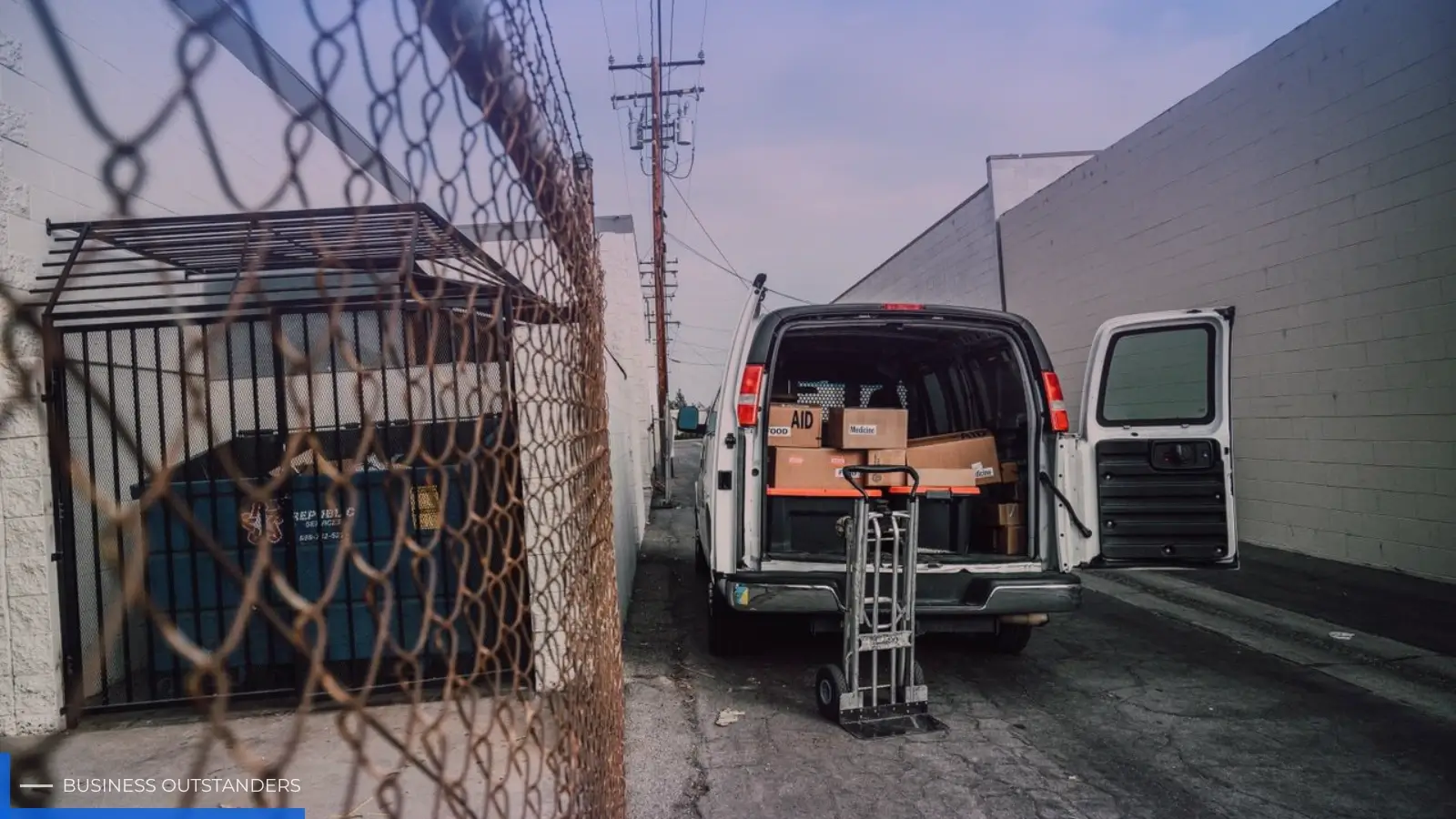
If you run a warehouse, shop, or shipping space, your dock door probably doesn’t get much love until it stops working. Then suddenly, it becomes the star of the day for all the wrong reasons. A stuck or noisy door can slow down deliveries, create safety concerns, and make your whole operation feel clunky. The good news is that most dock door problems give you warning signs first. If you know what to watch for, you can act sooner and avoid bigger headaches.
Small Door, Big Delays
A loading dock door seems simple enough. It goes up, it goes down, and everyone gets on with their day. But when it starts acting up, your schedule can unravel fast. Trucks wait longer, employees lose time, and your building may be left open when it shouldn’t be.
That’s why many businesses don’t wait around once a door starts failing. If your facility depends on steady deliveries or shipping, getting a commercial dock door repair service can be the quickest way to keep work moving. It’s not just about fixing a door. It’s about protecting the flow of your whole operation.
Even one broken door can create a traffic jam on your dock. And unlike office problems, this kind of issue doesn’t hide quietly in the corner. It squeaks, sticks, and brings productivity to a grinding halt.
Common Signs of Trouble
Most dock doors don’t quit without giving you a few hints first. You just have to notice them before the problem turns into a full-on business blooper. One of the most common signs is a strange noise. Grinding, banging, or squealing usually means something is worn, loose, or out of line.
You might also see the door moving slower than usual. Maybe it shakes on the way up or doesn’t close evenly. That can point to issues with tracks, springs, rollers, or the opener. Drafts around the edges are another clue. If outside air keeps sneaking in, the seal may be worn, or the door may not be sitting correctly.
Other red flags are easier to spot. Dents from forklift bumps, sensor trouble, or a door that reverses for no clear reason all deserve attention. If staff members start saying, “Yeah, it does that sometimes,” that’s your sign to stop “sometimes” from turning into “all day.”
Why Fast Repairs Matter
When a dock door breaks, the most obvious problem is the delay. Trucks can’t load or unload on time, and workers may need to shuffle around one broken opening. That wastes time in a way that adds up fast, especially during busy hours.
There’s also the safety side. A door that sticks, drops unevenly, or won’t close right can put people and equipment at risk. Nobody wants a loading area to become a surprise obstacle course. Fast repair helps cut down on those hazards before someone gets hurt or inventory gets damaged.
There’s the comfort and security issue too. A door stuck open can let in heat, cold, rain, dust, or unwanted visitors. That can raise energy costs and make your building harder to manage. Emergency and same-day service can make a real difference here. If your business relies on access and timing, waiting several days for a fix is rarely a fun plot twist.
What Causes Breakdowns
A lot of dock door problems come from plain old wear and tear. If a door opens and closes many times a day, its parts naturally get tired. Rollers wear down, springs lose tension, and tracks can shift little by little.
Weather plays a part too. Cold temperatures can stiffen parts, while moisture can lead to rust. Dirt and debris in the tracks may not look dramatic, but they can make the door move poorly over time. It’s a small mess that can lead to bigger trouble.
Then there’s impact damage. In busy loading areas, forklifts and carts don’t always give doors the personal space they deserve. A bump that seems minor can knock parts out of alignment. Poor maintenance also adds to the problem. If little issues are ignored, they often stack up. That’s when a simple tune-up turns into a repair call. Doors are tough, but they’re not magic. They need some help to keep doing the heavy lifting.
Fix or Replace?
When a dock door has problems, your first thought is usually repair, and that often makes sense. If the issue is limited to a spring, roller, track adjustment, or opener part, a repair may get you back on track without a huge bill.
But repair isn’t always the smartest long-term move. If the door is older, breaks down often, or has major structural damage, replacement may save money over time. Constant repairs can become a repeat subscription nobody asked for. Downtime matters too. If the same door keeps failing during busy periods, the business cost may be higher than the repair invoice.
A good rule of thumb is to look at age, frequency of issues, and how critical that door is to daily work. If the door still has solid life left, fix it. If it’s becoming the drama king of your loading dock, it may be time to think bigger.
Ways to Prevent Problems
You don’t need to be a dock door expert to lower your chances of a breakdown. Start with regular visual checks. Look for bent tracks, damaged panels, worn seals, or anything that seems off. If a door sounds different, moves differently, or gets bumped, don’t brush it off.
Keeping tracks clear helps more than people think. Dirt, packaging scraps, and random debris can interfere with smooth movement. Training staff also matters. Employees should know not to force a door, block sensors, or use equipment too close to the opening without care.
Routine maintenance is the real game changer. A scheduled inspection can catch worn parts before they fail at the worst possible time. It also helps you plan repairs instead of dealing with last-minute surprises. Think of it like this: a little attention now can save you from a very inconvenient door tantrum later. For most businesses, that’s a trade worth making.
Business Outstanders brings you sharp insights on tech, business, entrepreneurship, law, crypto, and more. We uncover what’s next. Stay updated, sign up for our newsletter and be part of the future!