The Fundamentals of Marine Construction for Lakefront Living
Lakefront living offers a unique blend of peace and recreation. On beautiful Lake Blue Ridge, with its clear waters and scenic views, a boat dock is more than just a structure. It's your personal gateway to endless aquatic adventures and a vital part of your property's value.
However, building or maintaining a dock here requires specialized knowledge. We understand the specific demands of marine construction on this 3,290-acre reservoir. The lake's unique characteristics, including its 60 miles of shoreline and TVA management, present distinct challenges and opportunities.
This article will guide you through the essential aspects of boat dock building and repair on Lake Blue Ridge. We will explore everything from understanding the types of services available to navigating TVA regulations. We'll also cover selecting the right materials for this dynamic environment. For decades, experienced Martin Docks marine construction experts have been helping homeowners navigate these complexities.
We will also delve into crucial maintenance strategies. Our goal is to ensure your dock stands the test of time and continues to enhance your waterfront property for years to come.
Marine construction for lakefront properties encompasses a broad range of specialized services designed to create, maintain, and protect your access to the water. On a dynamic body of water like Lake Blue Ridge, these services are not merely about aesthetics; they are critical for structural integrity, safety, and compliance with environmental regulations. From the initial design and engineering of a custom boat dock to ongoing repair and maintenance, each step requires a deep understanding of the unique forces at play in a freshwater environment.
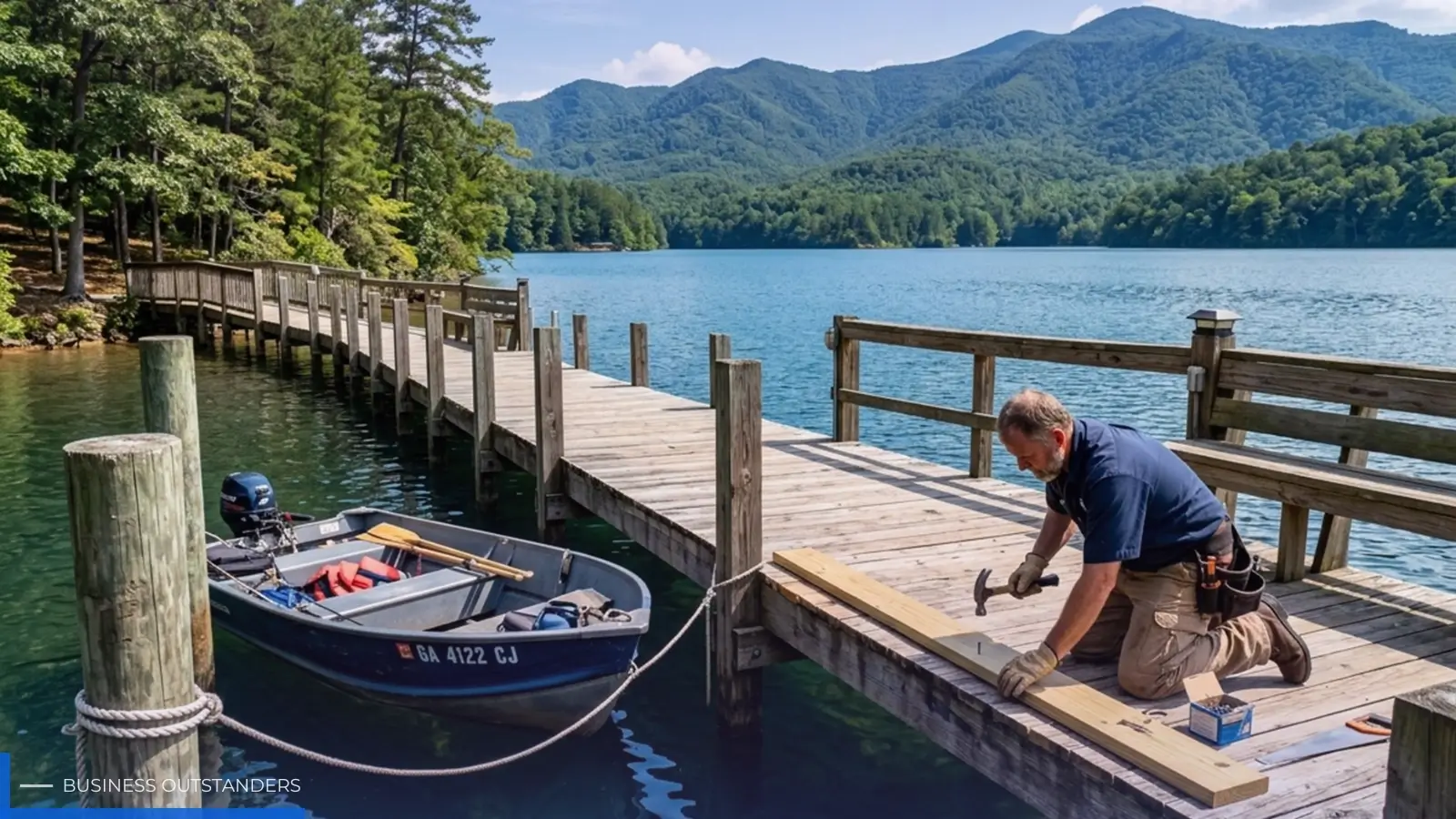
A reputable marine contractor typically offers a comprehensive suite of services. This includes the design and construction of new docks, often tailored to specific property layouts and homeowner needs. These custom docks can range from simple fixed structures to complex floating systems with multiple slips and amenities. Beyond new builds, repair services are paramount. Docks endure constant exposure to water, weather, and fluctuating lake levels, which can lead to wear and tear over time. Expert repair teams address issues such as damaged decking, compromised structural components, or faulty boat lifts, ensuring the longevity and safety of your investment.
Shoreline management is another vital aspect of marine construction. Erosion, caused by wave action and water level changes, can threaten both your property and your dock's foundation. Solutions like rip rap installation and other erosion control measures are often integrated into dock projects to stabilize the land and protect the waterfront. Furthermore, many companies offer specialized services like dock monitoring and moving, which are particularly crucial for lakes with managed water levels, such as Lake Blue Ridge. These services ensure that docks remain secure and accessible regardless of seasonal fluctuations. For those seeking general information on selecting marine contractors, resources like the USACE list of dock builders serving Lake Sidney Lanier can offer insights into the types of companies and services available in the broader region.
The goal of marine construction is to create a durable, functional, and aesthetically pleasing extension of your property onto the water. This involves not only skilled craftsmanship but also adherence to local regulations, environmental considerations, and a commitment to using high-quality, long-lasting materials.
Engineering for Fluctuating Water Levels in Marine Construction
Lake Blue Ridge, a 3,290-acre reservoir managed by the Tennessee Valley Authority (TVA), presents unique challenges for dock construction due to its fluctuating water levels. Fed primarily by the Toccoa River, the lake’s water levels are managed for power generation, flood control, and navigation, leading to significant seasonal variations. With approximately 60 miles of shoreline, property owners must contend with these changes, which directly impact dock design, placement, and maintenance.
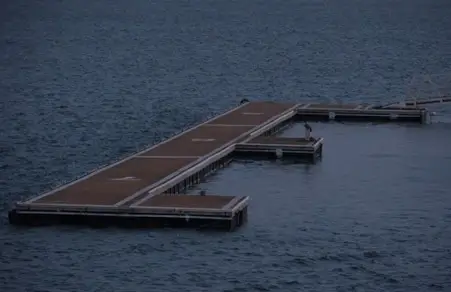
Traditional fixed docks, while suitable for more stable water bodies, can become inaccessible or even damaged during extreme low or high water periods on Lake Blue Ridge. This is where specialized marine engineering comes into play. Floating dock systems are often the preferred solution, as they are designed to rise and fall with the water level, maintaining consistent access to your boat. These systems require robust anchoring, often involving pilings or heavy-duty cables, to keep them securely in place while allowing for vertical movement.
Expert dock builders on Lake Blue Ridge understand the precise engineering required to ensure these floating structures remain stable and functional throughout the year. This includes careful consideration of the lakebed topography, the force of currents from the Toccoa River, and the potential for wave action. Gangways that connect the shoreline to the floating dock must be designed with sufficient length and flexibility to accommodate the full range of water level changes, ensuring safe passage for users. Without this specialized engineering, docks can become stranded, damaged, or even break away from the shoreline, necessitating costly emergency repairs. The expertise of local marine construction professionals is invaluable in designing systems that are resilient to Lake Blue Ridge's dynamic environment.
Specialized Boat Lifts and PWC Ports in Marine Construction
Beyond the dock structure itself, boat lifts and Personal Watercraft (PWC) ports are essential components for protecting your watercraft and enhancing your lakeside experience on Lake Blue Ridge. These systems keep your boat or PWC out of the water when not in use, preventing marine growth, reducing wear and tear, and simplifying maintenance.
Leading marine construction companies offer a variety of boat lift brands and options tailored to different vessel types and homeowner preferences. Brands like HydroHoist and FloatAir are popular choices, known for their reliability and advanced features. HydroHoist lifts, for example, are often highlighted for their ability to launch or dry-dock a boat in under three minutes, offering unparalleled convenience. These lifts come in various capacities and configurations, including hydraulic and air-displacement systems, to suit everything from small fishing boats to large wake boats and pontoons.
PWC ports, such as those offered by EZ-Dock, provide a simple, drive-on/roll-off solution for jet skis and other personal watercraft. These platforms keep PWCs dry and secure, preventing theft and minimizing maintenance. Many dock specialists also offer custom solutions for integrating these lifts and ports seamlessly into your dock design, ensuring they complement the overall aesthetic and functionality of your waterfront setup.
When considering boat lifts and PWC ports, it's important to work with specialists who understand the specific conditions of Lake Blue Ridge, including water depth variations and potential for debris. They can recommend the most suitable type of lift, ensure proper installation, and provide ongoing maintenance to keep the systems operating smoothly. For examples of expert boat dock builders and boat lift providers, you might explore the offerings of companies like Casey Custom Docks, which showcase the range of specialized solutions available in the industry. Investing in a high-quality boat lift or PWC port not only protects your valuable watercraft but also significantly enhances the ease and enjoyment of your lakefront lifestyle.
Selecting Materials and Dock Types for Lake Blue Ridge
Choosing the right materials and dock type is a critical decision for any Lake Blue Ridge property owner, directly impacting the dock's longevity, maintenance requirements, and aesthetic appeal. Given the lake's fluctuating water levels and environmental conditions, certain materials and designs prove more resilient and functional than others.
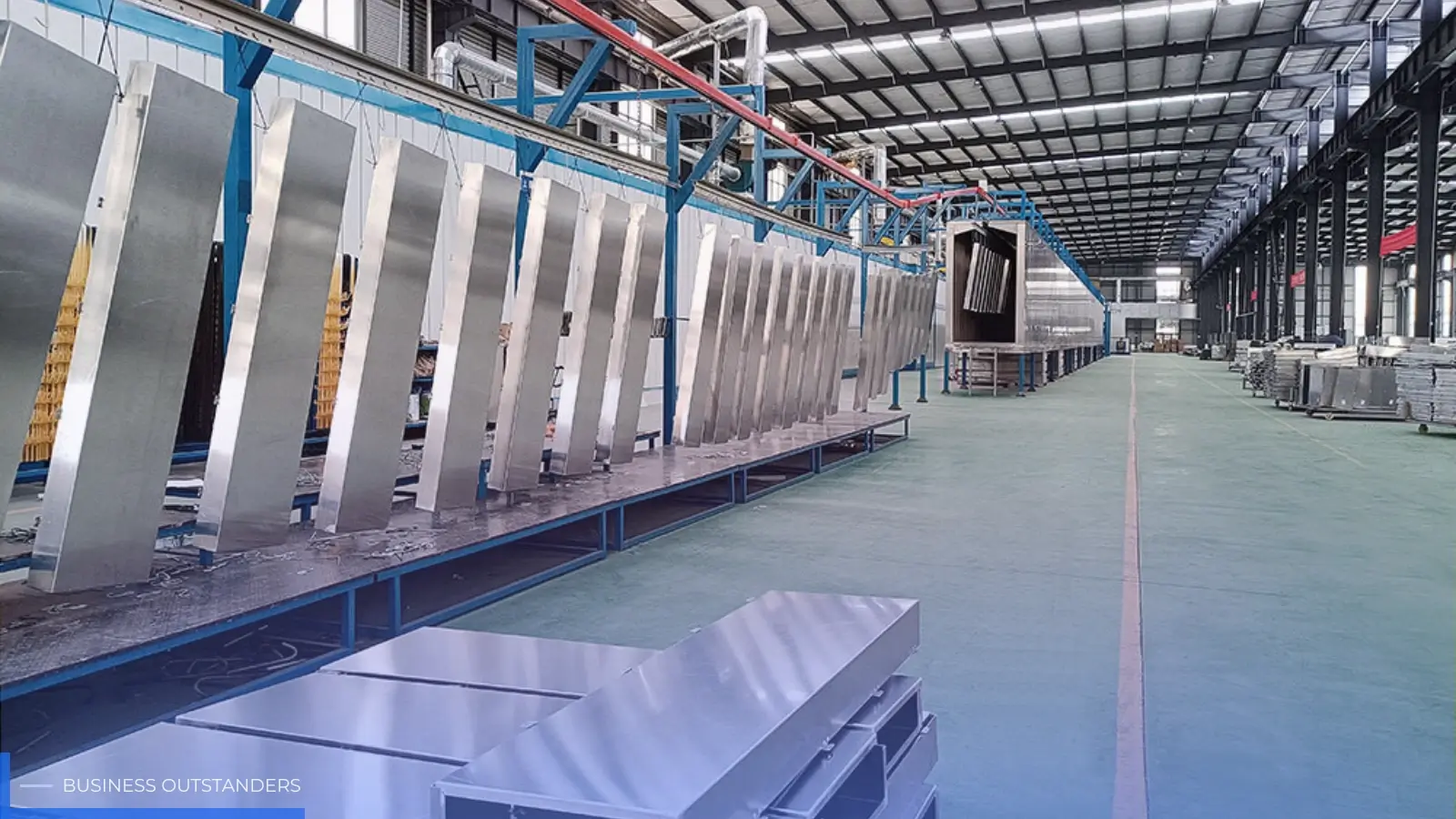
Aluminum docks are a highly popular choice for Lake Blue Ridge due to their exceptional durability, lightweight nature, and minimal maintenance needs. Aluminum is resistant to corrosion, rot, and insect damage, making it ideal for a freshwater environment. Its light weight also makes it easier to install, move, and adjust, which is a significant advantage for floating docks that need to adapt to changing water levels. Many modern aluminum docks feature advanced designs and decking options, including composite or PVC materials, which further reduce maintenance.
Steel docks offer superior strength and stability, particularly for larger, more complex structures. While steel is heavier and typically requires more robust installation, it can provide an incredibly sturdy platform. However, steel requires careful treatment and coating to prevent rust and corrosion, especially in a marine environment. Galvanized steel or marine-grade alloys are often used to enhance their lifespan.
Wood docks, while offering a classic, natural aesthetic, come with higher maintenance demands. Wood is susceptible to rot, insect infestation, and weathering, requiring regular sealing, staining, or painting. Treated lumber can extend its life, but it will still require more upkeep than aluminum or composite options. For Lake Blue Ridge's dynamic conditions, wood is often chosen for fixed components or as decking material on a metal frame.
Composite and PVC decking materials are excellent alternatives to traditional wood. Made from recycled plastics and wood fibers (composite) or pure PVC, these materials are virtually maintenance-free, resisting fading, staining, and splintering. They offer a wide range of colors and textures, providing a beautiful, long-lasting surface that stands up well to the elements.
For Lake Blue Ridge, floating docks are generally the most recommended type due to the TVA-managed water levels. These docks are built on flotation devices and are anchored to the lakebed or shoreline, allowing them to move vertically with the water. This design ensures continuous access to your boat and minimizes stress on the structure during water level changes. While fixed docks can be built, they often require extensive engineering to account for extreme low or high water, potentially limiting usability during certain seasons.
Here's a brief comparison of key considerations for aluminum vs. steel floating docks:
The best choice depends on your specific needs, budget, and the unique characteristics of your property's shoreline. Consulting with experienced marine construction professionals is crucial to determine the most suitable materials and dock type for your Lake Blue Ridge property.
Navigating the TVA Permitting and Regulatory Process
Building or modifying a boat dock on Lake Blue Ridge is not simply a matter of construction; it involves navigating a specific permitting and regulatory process overseen by the Tennessee Valley Authority (TVA). As a federally managed reservoir, all shoreline construction activities, including docks, boat houses, and erosion control measures, fall under TVA's jurisdiction, primarily governed by Section 26a of the TVA Act. This process is in place to protect the lake's natural resources, ensure public safety, and manage recreational access.
The TVA permitting process typically begins with an application to the TVA Public Land Information Center (PLIC). Homeowners or their chosen marine contractor must submit detailed plans, property information, and project specifics for review. This includes drawings of the proposed dock, its dimensions, materials, and how it will be anchored. The TVA evaluates these plans to ensure compliance with their shoreline management policy, which dictates factors like dock size, location, and environmental impact. This can be a complex process, often requiring adjustments to initial designs to meet specific guidelines.
Understanding these regulations is paramount. For instance, the TVA has rules regarding how far a dock can extend into the water, the maximum square footage, and the types of structures that are permitted. They also have strict guidelines for shoreline protection, emphasizing methods that prevent erosion and maintain water quality. Engaging a marine contractor with extensive experience on Lake Blue Ridge is highly beneficial, as they often have a deep understanding of TVA requirements and can assist in preparing and submitting the necessary documentation, potentially streamlining the approval process. They can also advise on appropriate materials and designs that are more likely to meet TVA standards.
Any unauthorized construction or modification can lead to fines, removal orders, and significant delays. Therefore, securing the proper TVA permit before commencing any work is a non-negotiable step. For those interested in the broader context of dock repair and construction regulations, reviewing information from established marine construction companies, such as Dockmasters Construction Inc., can offer insights into the professional standards and compliance efforts expected in the industry. This proactive approach ensures that your dock project on Lake Blue Ridge is not only structurally sound but also fully compliant with all federal regulations.
Essential Maintenance and Shoreline Protection Strategies
Maintaining a boat dock on Lake Blue Ridge is an ongoing commitment, particularly given the lake's dynamic environment. Proactive maintenance and effective shoreline protection are crucial for extending the life of your dock, ensuring safety, and preserving your lakefront property.
One of the most critical aspects of maintenance for a lake with fluctuating water levels is dock moving and monitoring. As the TVA manages water levels, docks may need to be adjusted or relocated seasonally to remain accessible and prevent damage from grounding or excessive strain on anchoring systems. Many marine contractors offer specialized dock watch services, which include regular inspections and repositioning as needed, providing year-round peace of mind. These services can identify minor issues before they escalate into major, costly repairs.
Shoreline protection is equally vital. Wave action, particularly from passing boats and during storms, combined with fluctuating water levels, can lead to significant erosion. This can undermine the stability of your property and your dock's foundation. Rip rap installation is a highly effective and widely used method for erosion control on Lake Blue Ridge. This involves strategically placing large, angular stones along the shoreline to dissipate wave energy and prevent soil washout. When properly installed, rip rap creates a durable and aesthetically pleasing barrier that protects the land while blending with the natural environment.
Other erosion control methods may include vegetative plantings or retaining walls, depending on the specific site conditions and TVA regulations. Integrating shoreline protection with your dock project ensures a cohesive and resilient waterfront. Regular inspections of both your dock and shoreline are essential to catch any signs of wear, damage, or erosion early. Addressing these issues promptly can save property owners from more extensive and expensive repairs down the line.
Long-term Care and Dock Rejuvenation
Beyond routine adjustments and inspections, long-term care and rejuvenation services can significantly extend the lifespan and enhance the appearance of your Lake Blue Ridge dock. Even the most robust structures benefit from periodic attention to combat the effects of sun, water, and use.
Pressure washing is a simple yet effective way to remove algae, grime, and mildew that accumulate on dock surfaces. This not only improves aesthetics but also prevents slippery spots, enhancing safety. Following a thorough cleaning, wood docks may benefit from redecking or applying protective sealants or stains to prevent rot and UV damage. For docks with composite or PVC decking, pressure washing is often sufficient to restore their original look.
For more significant wear, structural reinforcements may be necessary. This can involve replacing worn out flotation devices, repairing or reinforcing frame components, or upgrading anchoring systems. Over time, even high-quality materials can show signs of fatigue, and proactive reinforcement can prevent structural failures. Many marine contractors also offer services like railing repair, roof maintenance, and the integration of new accessories such as ladders, bumpers, or lighting, all contributing to the dock's functionality and appeal.
Expert providers of Lake Blue Ridge dock services understand the nuances of maintaining docks in this specific environment. They can offer tailored maintenance plans, conduct comprehensive assessments, and perform necessary repairs or upgrades to keep your dock in pristine condition. This commitment to long-term care ensures that your dock remains a safe, beautiful, and valuable asset to your lakefront property for many years.
Frequently Asked Questions about Lake Blue Ridge Docks
We often receive questions from homeowners about the specifics of dock construction, repair, and maintenance on Lake Blue Ridge. Here are answers to some of the most common inquiries:
How much does a custom boat dock cost on Lake Blue Ridge?
The cost of a custom boat dock on Lake Blue Ridge can vary significantly, as it depends on several key factors. These include the dock's overall size and layout, the specific materials chosen (such as aluminum, steel, wood, or composite decking), and the inclusion of features like sundecks, multiple slips, boat lifts, PWC ports, or elaborate roofing. Other elements like the complexity of the shoreline, water depth, and the type of anchoring system required also influence the final price. For instance, a basic floating dock might be considerably less expensive than a multi-slip aluminum dock with a covered roof and integrated boat lifts. Due to these variables, obtaining an accurate quote necessitates an on-site consultation with a marine construction expert. During this consultation, the builder can assess your property's unique conditions, discuss your specific needs and preferences, and provide a detailed, customized estimate.
How do water level changes affect dock placement and maintenance?
Lake Blue Ridge is a TVA-managed reservoir, meaning its water levels fluctuate significantly throughout the year, primarily for power generation and flood control. This characteristic profoundly impacts dock placement and maintenance. Fixed docks can become unusable or damaged during extreme low water, as boats may be grounded, or during high water, as the dock might be submerged. Floating docks are generally the preferred solution, as they are designed to rise and fall with the water, maintaining consistent access. However, even floating docks require specialized attention. They need robust anchoring systems that allow for vertical movement without compromising stability. Furthermore, dock moving services are often essential, especially during periods of drastic water level changes, to ensure the dock remains safely positioned and accessible. Regular monitoring by marine professionals helps identify potential issues related to water level fluctuations, such as anchor strain or grounding risks, allowing for timely adjustments and preventive maintenance.
What makes Lake Blue Ridge unique for dock construction compared to other lakes?
Lake Blue Ridge stands out for dock construction due to a combination of its geographical features and its management by the Tennessee Valley Authority (TVA). The lake features roughly 60 miles of shoreline, much of which can be steep, requiring specialized engineering for gangways and access points. Its clear waters and natural beauty are highly valued, leading to strict environmental regulations. Unlike many privately managed lakes, Lake Blue Ridge is a reservoir fed by the Toccoa River, and its water levels are actively managed for purposes like power generation. This TVA oversight means that all dock construction and modification projects must adhere to specific federal permitting processes (Section 26a), which can be more stringent and complex than those found on other lakes. Builders must account for significant and sometimes rapid water level changes, necessitating the use of floating dock systems and advanced anchoring techniques. The unique blend of challenging terrain, managed water levels, and federal regulations means that dock construction on Lake Blue Ridge requires a specialized skillset and deep local expertise to ensure compliance, durability, and functionality.
Conclusion
Enhancing your waterfront property on Lake Blue Ridge with a custom boat dock or ensuring the longevity of your existing structure is a significant investment that pays dividends in enjoyment and property value. From the initial design and selection of resilient materials like aluminum to navigating the intricate TVA permitting process, every step requires the expertise of seasoned marine construction professionals. We've explored the importance of engineering for fluctuating water levels, the benefits of specialized boat lifts, and the critical role of ongoing maintenance and shoreline protection strategies like rip rap.
For over 60 years, companies specializing in marine construction have been serving the Lake Blue Ridge community, bringing decades of combined experience to every project. Their deep understanding of the lake's unique conditions, from its TVA management to its steep shorelines, ensures that docks are built to last and perform optimally. By partnering with knowledgeable experts, homeowners can enjoy peace of mind, knowing their gateway to the clear waters of Lake Blue Ridge is safe, functional, and beautiful. Investing in professional dock construction and repair is not just about a structure; it's about preserving your lakeside legacy and maximizing your enjoyment of this stunning natural resource. To learn more, explore floating dock design.
Business Outstanders brings you sharp insights on tech, business, entrepreneurship, law, crypto, and more. We uncover what’s next. Stay updated, sign up for our newsletter and be part of the future!