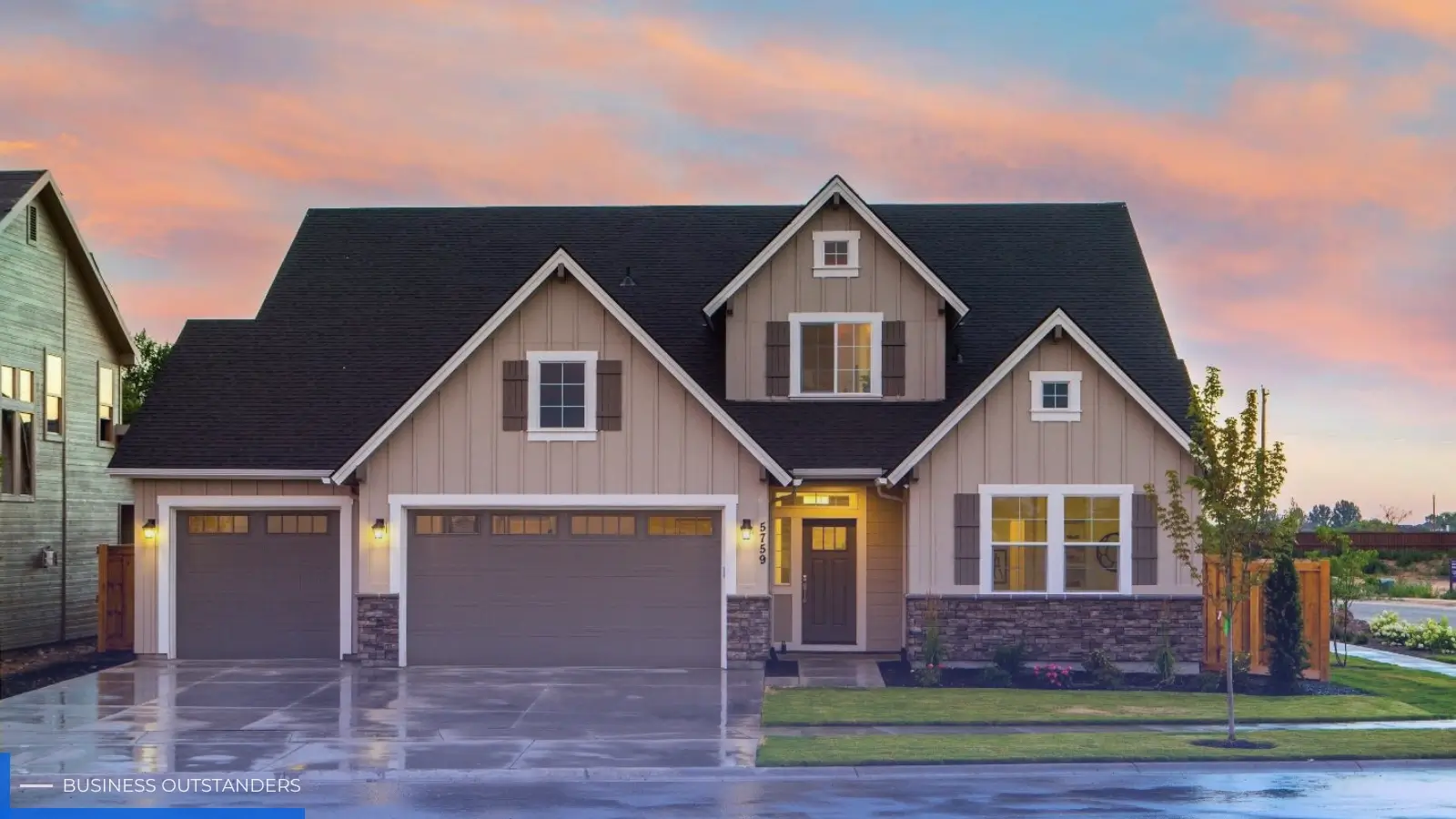
Many business owners view roofing maintenance as an avoidable expense rather than a strategic investment. However, neglecting routine roof care often leads to higher long-term costs. Proactive roofing maintenance preserves building integrity, extends roof lifespan, and significantly reduces overall expenditures for commercial properties.
Extending Roof Service Life
Commercial roofs are designed to last decades, but only when properly maintained. Routine inspections identify minor issues such as loose fasteners, surface wear, or drainage blockages before they cause extensive damage.
Addressing small repairs early prevents accelerated aging and extends the functional lifespan of the roof. Businesses that prioritize maintenance delay the need for full replacement, preserving capital for growth initiatives instead of emergency expenditures.
Lowering Repair and Replacement Costs
Deferred maintenance often results in compounded damage that demands more costly repairs. Water infiltration spreads beneath roofing layers, causing widespread deterioration that cannot be resolved with simple fixes.
Contractors experienced in Austin Roofing conditions frequently emphasize maintenance as the most cost-effective approach. Regular upkeep reduces labor-intensive repairs and prevents the need for premature roof replacement.
Improving Energy Efficiency
A well-maintained roof contributes directly to energy efficiency. Damaged or deteriorated roofing materials allow air leakage, increasing heating and cooling costs. Even small gaps or surface damage can have a noticeable impact on utility bills.
Maintenance ensures insulation remains dry and intact, reflecting heat properly and stabilizing indoor temperatures. Over time, energy savings offset maintenance expenses.
Reducing Liability and Insurance Risks
Poor roof conditions increase liability risk. Leaks and falling debris can cause property damage or injury, exposing businesses to claims or lawsuits. Insurers may also deny coverage or increase premiums if roofs are neglected.
Routine maintenance demonstrates responsible property management, supporting insurance compliance and reducing risk exposure.
Conclusion
Roofing maintenance is a long-term cost-saving strategy rather than an added expense. By extending service life, improving energy performance, and reducing risk, businesses benefit financially and operationally. A proactive approach ensures predictable expenses and sustained building performance.
Business Outstanders brings you sharp insights on tech, business, entrepreneurship, law, crypto, and more. We uncover what’s next. Stay updated, sign up for our newsletter and be part of the future!