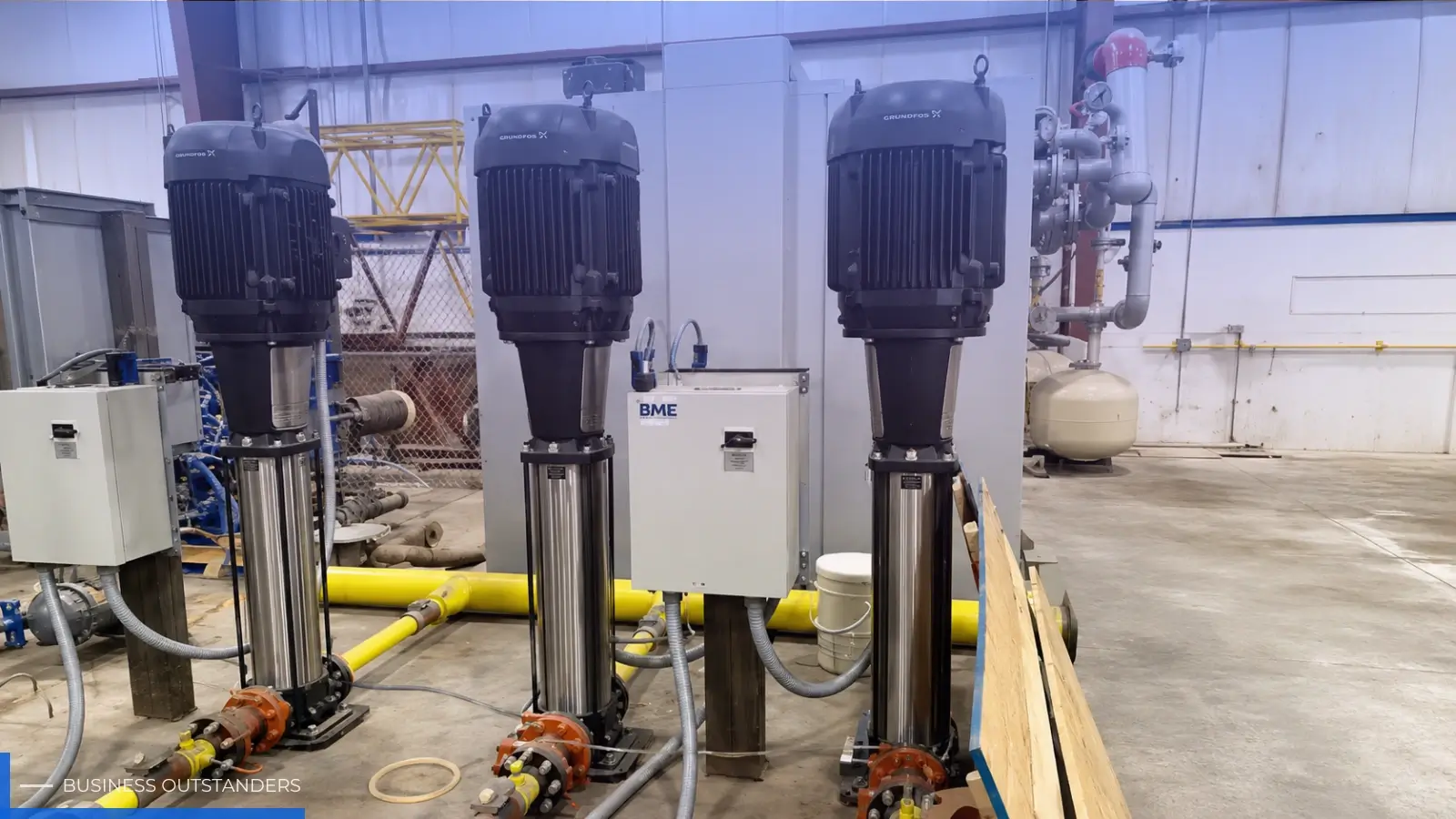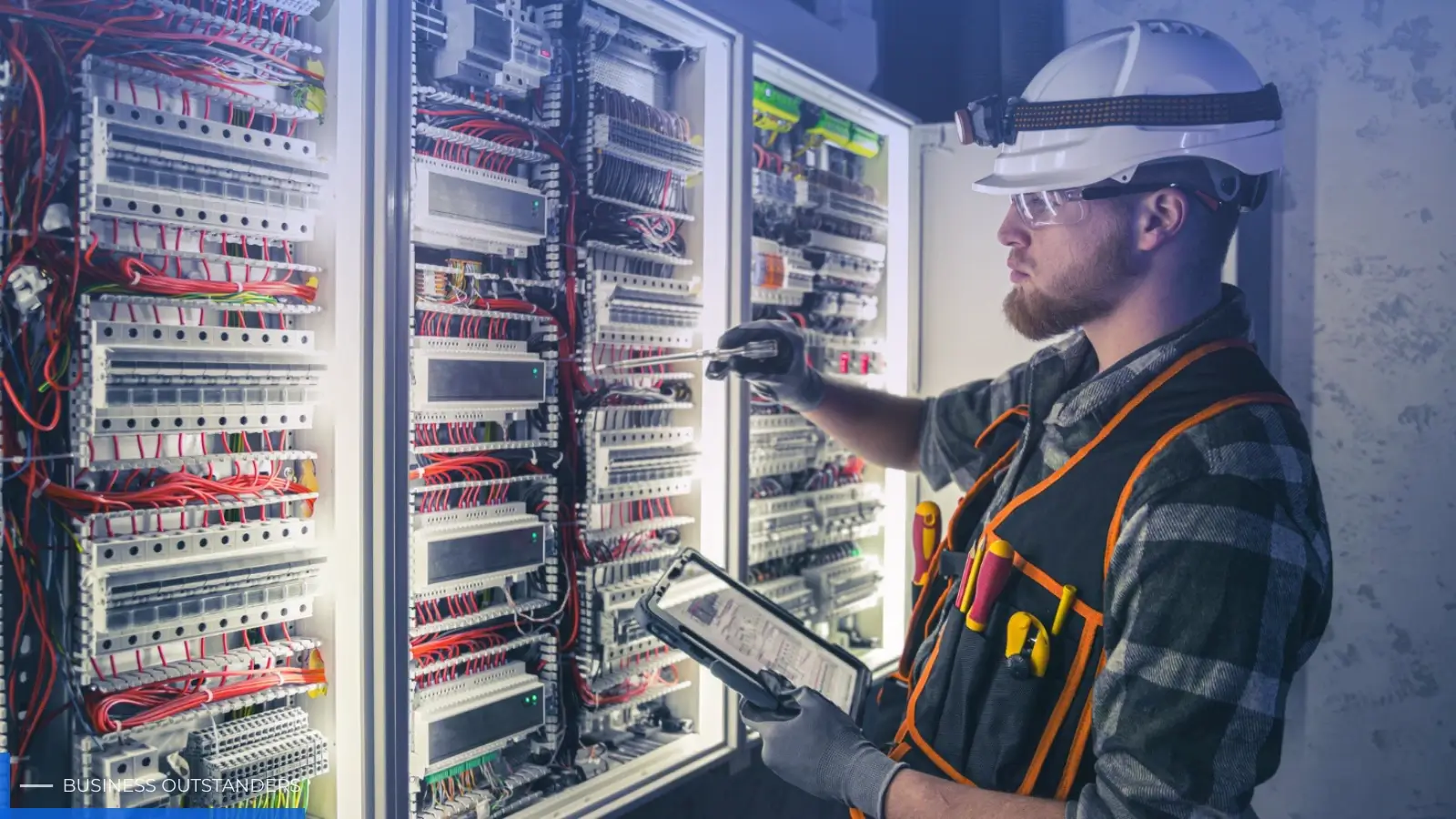
Commercial electrical services play a central role in maintaining the functionality, safety, and efficiency of business operations across a wide range of industries. From office buildings and retail stores to warehouses and manufacturing plants, electrical systems must be designed and maintained to handle continuous demand. These services involve more than basic wiring; they include system design, installation, maintenance, upgrades, and troubleshooting. A reliable electrical setup supports lighting, communication systems, security infrastructure, and machinery, all of which contribute to smooth daily operations. Businesses rely on these systems not only for productivity but also for regulatory compliance and long-term operational stability.
Core Areas Covered
1. Infrastructure Planning and System Design
Planning a commercial electrical system requires careful coordination among engineers, contractors, and project managers to ensure the system meets a facility's operational needs. Unlike residential setups, commercial systems must support higher loads, more complex layouts, and multiple interconnected components. The design phase includes load calculations, panel placement, circuit distribution, and backup system integration. Attention is also given to energy efficiency and scalability, allowing businesses to expand without major disruptions. Proper planning reduces future maintenance issues and enhances overall reliability. This stage often determines how well a building adapts to new technologies, making it a foundational aspect of commercial electrical work.
2. Installation and Code Compliance
The installation phase involves translating design plans into a fully operational system while adhering to strict safety codes and industry regulations. Electricians install wiring, panels, switches, and control systems with precision to ensure everything functions as intended. Compliance with local and national codes is critical to avoid penalties and ensure occupant safety. Inspections are conducted throughout the process to verify that standards are met. In many cases, businesses seek guidance from experienced professionals to ensure installations align with safety requirements and project specifications, particularly with detailed regulatory frameworks. Compliance can change in different location, so it is important to find a local contractor. For instance, Electrical Support, a commercial electrical contractor in Seattle, can provide valuable insight into local code compliance.
3. Maintenance and System Longevity
Routine maintenance is essential for extending the lifespan of commercial electrical systems and preventing unexpected failures. Over time, components such as wiring, breakers, and panels can degrade due to usage, environmental conditions, or aging materials. Regular inspections help identify potential issues before they escalate into costly problems. Maintenance tasks include tightening connections, testing circuits, and replacing worn components. Businesses benefit from scheduled service plans that keep systems operating efficiently while minimizing downtime. Consistent maintenance also supports compliance with safety standards, reduces the risk of electrical faults, and ensures operations continue without interruption.
4. Energy Efficiency and Modern Upgrades
As energy costs continue to rise, many businesses focus on improving efficiency through system upgrades and smart technologies. Commercial electrical services often include retrofitting existing systems with energy-saving solutions such as LED lighting, automated controls, and advanced monitoring systems. These upgrades not only reduce energy consumption but also provide better control over usage patterns. Smart systems allow facility managers to track performance in real time, making it easier to identify inefficiencies. Investing in modern electrical solutions contributes to sustainability goals while lowering operational expenses. Over time, these improvements can significantly enhance a business's financial and environmental performance.
5. Emergency Services and Rapid Response
Electrical issues can arise unexpectedly, disrupting operations and posing safety risks. Commercial electrical services include emergency response solutions designed to address urgent problems quickly and effectively. Whether it is a power outage, equipment failure, or system overload, trained technicians are equipped to diagnose and resolve issues under pressure. Rapid response minimizes downtime and prevents further damage to equipment or infrastructure. Businesses often establish service agreements to ensure immediate assistance when needed. Having access to dependable emergency support provides peace of mind and helps maintain continuity during unforeseen situations that could otherwise impact productivity and revenue.
6. Role of Safety Systems and Risk Management
Safety is a fundamental aspect of commercial electrical work, as faulty systems can lead to serious hazards, including fires and equipment damage. Electrical services include the installation and maintenance of safety features such as surge protection, grounding systems, and circuit breakers. These components are designed to prevent accidents and protect both people and property. Risk assessments are conducted to identify potential vulnerabilities and implement corrective measures. By prioritizing safety, businesses create a secure environment for employees and customers. Effective risk management also contributes to regulatory compliance and reduces liability, making it an essential part of electrical system management.
7. Integration of Technology and Automation
Advancements in technology have transformed how commercial electrical systems operate, introducing new levels of automation and control. Modern systems often incorporate building management systems that integrate lighting, heating, security, and power distribution into a single interface. This integration allows for centralized control and improved efficiency. Automation enables systems to adjust based on occupancy, time of day, or specific operational needs. Businesses benefit from enhanced convenience and reduced manual intervention. As technology continues to evolve, commercial electrical services adapt by incorporating innovative solutions that enhance performance, reliability, and overall functionality in complex environments.
Future Trends in Commercial Electrical Services
Ongoing advancements in energy technology, sustainability initiatives, and digital integration shape the future of commercial electrical services. Renewable energy sources such as solar power are becoming more common in commercial settings, requiring updated electrical systems to manage generation and storage. Electric vehicle charging infrastructure is also gaining importance as businesses adapt to changing transportation trends. Additionally, data-driven systems are enabling predictive maintenance, allowing issues to be addressed before they occur. These developments highlight the evolving nature of electrical services and the need for continuous adaptation to meet the demands of modern businesses.
Commercial electrical services form the backbone of modern business infrastructure, supporting everything from daily operations to long-term growth. Through careful planning, precise installation, regular maintenance, and ongoing upgrades, these services ensure that electrical systems remain reliable and efficient. Businesses benefit from improved safety, reduced downtime, and enhanced energy management. As technology continues to advance, the role of electrical systems becomes even more significant, requiring ongoing attention and adaptation. By investing in comprehensive electrical services, and modern electrical expertise, organizations can create a stable foundation that supports innovation, productivity, and sustainable development in an increasingly complex environment.
Business Outstanders brings you sharp insights on tech, business, entrepreneurship, law, crypto, and more. We uncover what’s next. Stay updated, sign up for our newsletter and be part of the future!