Managing a commercial fleet in Australia requires more than just handing over the keys. With more than 60 percent of the nation's road network consisting of unsealed or gravel surfaces, regional driving introduces a unique set of hazards. Data from Infrastructure Australia confirms that regional and remote areas are disproportionately dangerous. These zones account for 55 percent of the nation's road fatalities despite having much lower overall traffic volumes compared to urban centres. Fleet managers must account for harsh vibrations, dust, unpredictable surface integrity, and the very real threat of wildlife strikes. Taking a proactive approach to vehicle preparation not only protects your staff but also safeguards your bottom line from unexpected repair bills and operational delays.
The Hidden Costs of Regional Fleet Damage
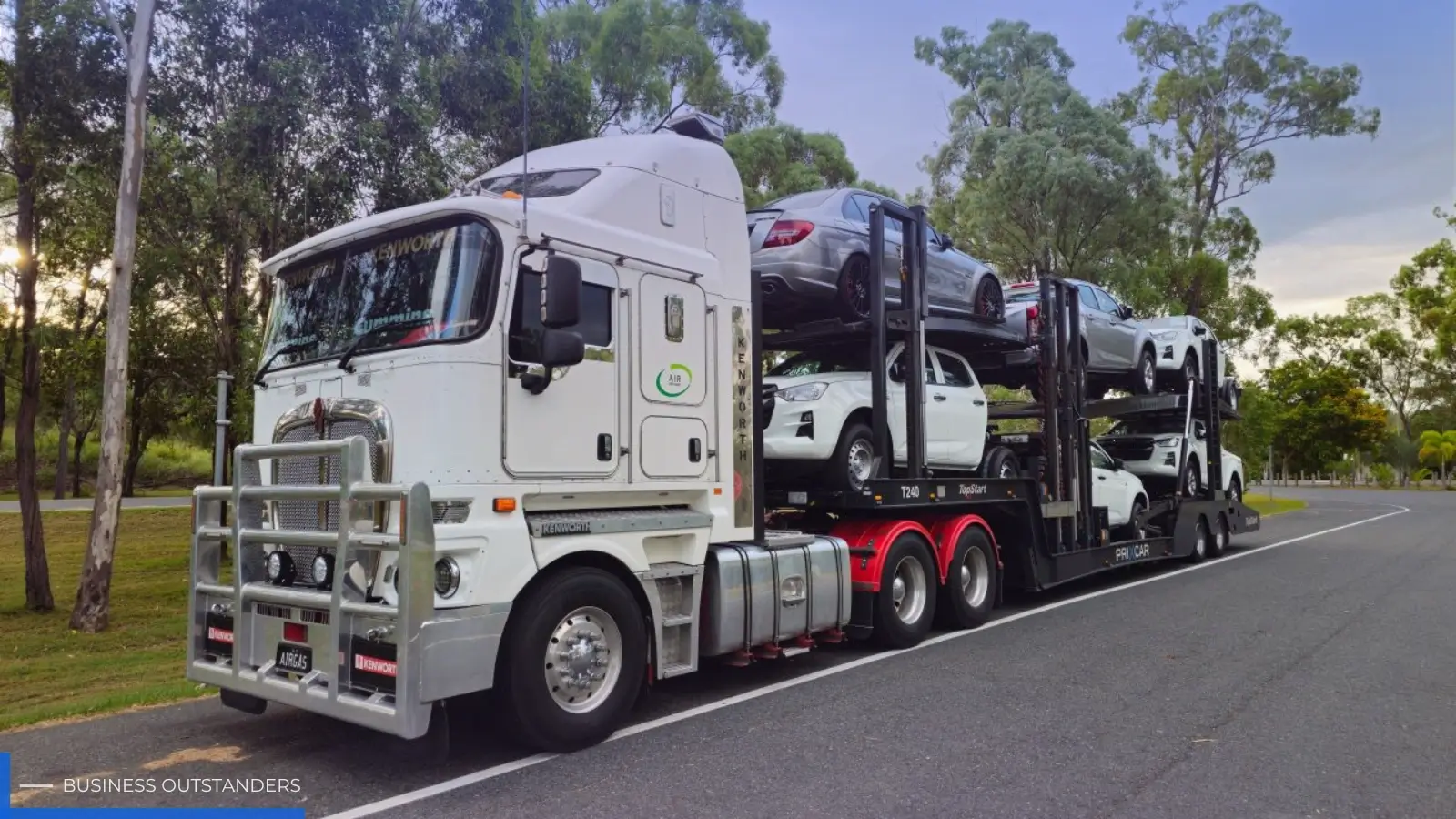
Before outfitting a vehicle, businesses must recognise the true cost of regional road incidents. Safe Work Australia officially classifies any vehicle used for work purposes as a legal workplace, regardless of its location. This framework places a strict duty of care on employers to proactively mitigate operational risks for their drivers and ensure all equipment is fit for purpose. When establishing a foundation for a reliable regional fleet, making a smart automobile fleet investment is merely the starting point. Selecting the right base model with a strong reliability record is essential, but failing to prepare that vehicle for local off-road or unsealed conditions remains a major corporate oversight.
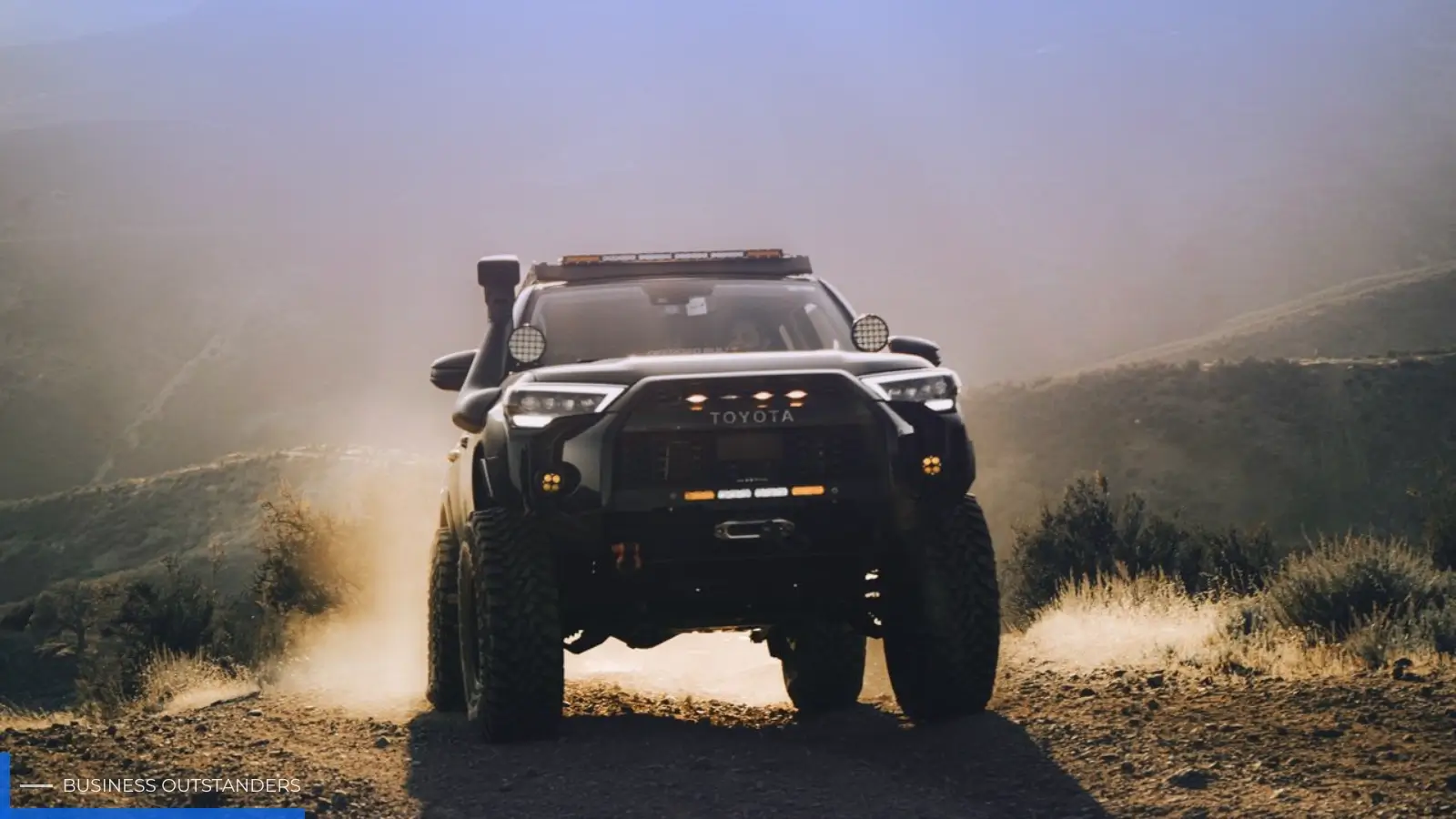
Once the right vehicles are acquired, keeping them operational is critical to project success. The Toyota Hilux remains a baseline model for regional fleets, heavily relied upon in the mining, agricultural, and civil construction sectors across the country. Equipping these workhorses properly is crucial, which is why installing engineered bull bars for Toyota Hilux is a standard practice for mitigating severe front-end damage. Without such robust protection, unplanned vehicle downtime costs commercial fleets an average of $448 to $760 per vehicle each day purely in lost productivity and direct revenue. The true cost of a regional collision often wildly exceeds the physical repair bills, compounding through hidden expenses like emergency recovery logistics, replacement vehicle hire, and delayed project milestones.
Mitigating Wildlife Strikes with Frontal Protection
One of the most significant and unpredictable threats on rural routes is animal collisions. A 2026 report from AAMI and Suncorp Group highlights this severe risk, noting that in 2025 there were over 24,000 wildlife collision claims in Australia. This staggering figure resulted in over 4,500 vehicles being completely written off, with an average claim cost exceeding $9,000. Kangaroos were responsible for more than 80 percent of these devastating incidents, which predominantly occur during low-light hours around dawn and dusk. Preserving a vehicle's 5-star ANCAP safety rating during these violent impacts requires selecting aftermarket frontal protection that is rigorously tested and seamlessly compatible with modern crumple zones and airbag deployment systems.
Key Modifications for Rural Fleet Safety
Protecting the front end is vital, but comprehensive regional preparation involves upgrading several other vehicle components. Fleet managers looking to standardise safety upgrades across their operations should consider the following essential modifications:
- Heavy-Duty Suspension: Factory suspension setups are rarely designed to handle the constant heavy payload and harsh vibrations of corrugated dirt roads over long periods. Upgrading to heavy-duty shock absorbers and reinforced leaf springs ensures better vehicle control, reduces driver fatigue over massive distances, and prevents premature mechanical failure.
- All-Terrain Tyres: Standard highway tyres are heavily prone to sidewall punctures on sharp gravel. Switching to light truck or all-terrain tyres with significantly thicker sidewalls dramatically reduces the risk of an explosive blowout in remote areas where roadside assistance is non-existent.
- UHF Radios: Mobile phone reception is notoriously unreliable in regional Australia. Installing a quality UHF radio ensures drivers can communicate with oncoming heavy vehicles and call for emergency assistance if stranded.
- Underbody Protection: Sump guards and bash plates shield critical engine and transmission components from stray rocks, debris, and uneven tracks.
- Upgraded Lighting: Adding LED driving lights or light bars dramatically improves visibility on dark rural roads, giving drivers more time to react to wandering livestock and wildlife.
The Long-Term Value of Vehicle Readiness
Investing in proactive risk management measures directly influences a company's commercial insurance profile. Underwriters increasingly look at a business's safety culture and collision history when calculating fleet premiums. By treating the vehicle as a workplace and outfitting it to handle regional road conditions, businesses fulfil their occupational health and safety obligations while keeping their projects on schedule. In the challenging Australian outback, a well-prepared work vehicle is the most reliable tool in your entire commercial operation.
Business Outstanders brings you sharp insights on tech, business, entrepreneurship, law, crypto, and more. We uncover what’s next. Stay updated, sign up for our newsletter and be part of the future!