Choosing between an ATV (All-Terrain Vehicle) and a UTV (Utility Task Vehicle) is one of the biggest decisions off-road buyers face. Both machines are designed for rough terrain, trails, farms, hunting properties, and outdoor recreation, but they serve different purposes. The right choice depends on how you plan to use the vehicle, how many people you need to carry, and whether work or recreation is the priority.
This guide compares ATVs and UTVs in real-world terms so you can decide which machine offers the best value for your needs.
What Is an ATV?
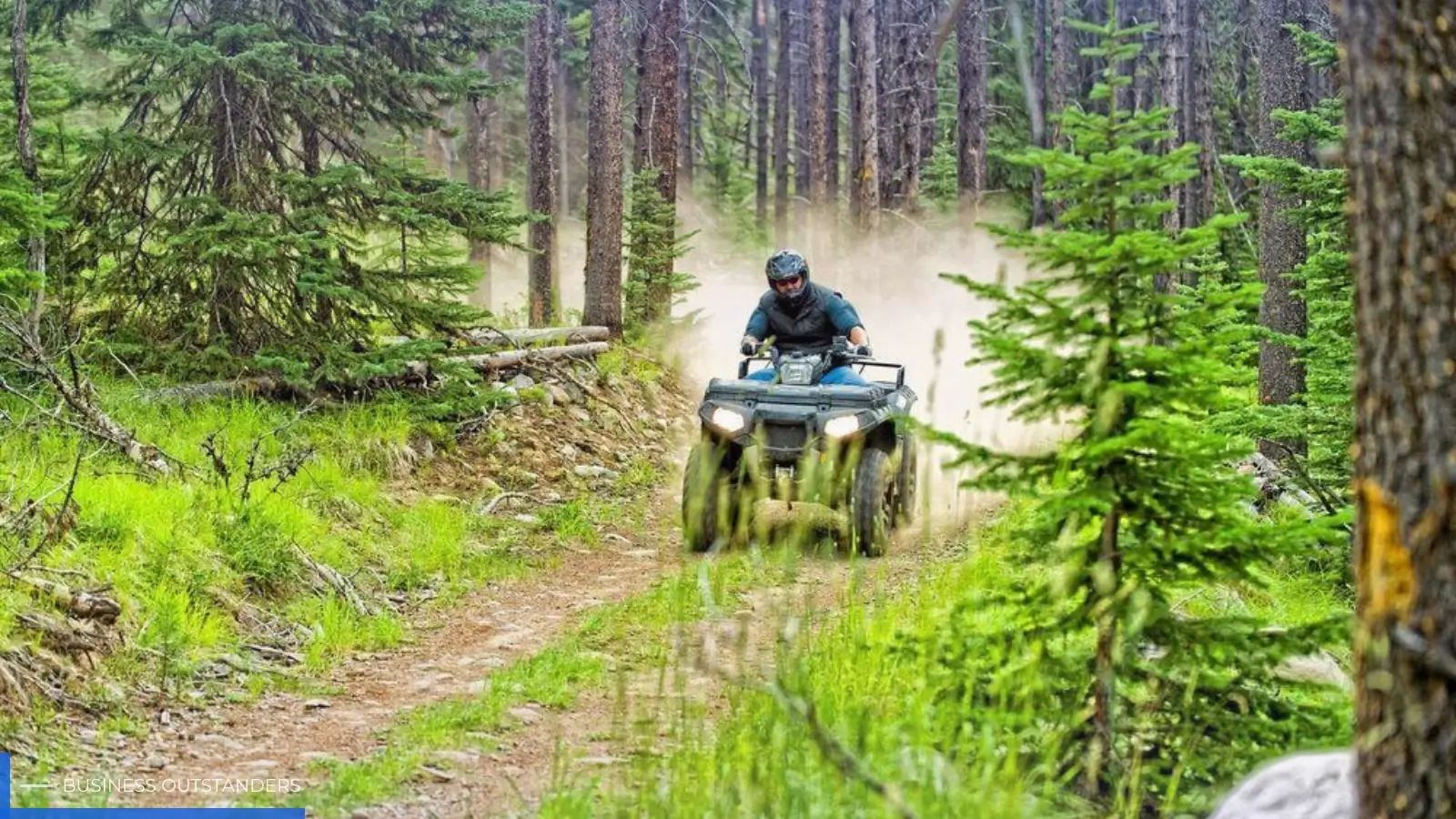
An ATV is a single-rider vehicle with handlebars, a straddle-style seat, and four wheels. It is designed to be nimble, lightweight, and easy to maneuver through tight trails, mud, rocks, and wooded areas.
ATVs are popular with trail riders, hunters, farmers, and outdoor enthusiasts who want a machine that can reach places larger vehicles cannot.
Key ATV characteristics:
- Usually seats one rider (some models allow a passenger)
- Handlebar steering
- Lighter weight
- Smaller overall size
- Lower purchase price
- Excellent maneuverability
What Is a UTV?
A UTV, often called a side-by-side, uses a steering wheel and bucket or bench seats similar to a small car. Most models carry two to six passengers and include a cargo bed for hauling gear, tools, feed, or equipment.
UTVs are especially popular for farming, ranching, hunting, property maintenance, and family recreation.
Key UTV characteristics:
- Seats 2–6 people
- Steering wheel and pedals
- Roll cage and seat belts
- Larger cargo capacity
- Greater towing ability
- More comfort for long rides
ATV vs UTV Comparison Table
|
Feature |
ATV |
UTV |
|
Typical seating |
1 rider |
2–6 riders |
|
Steering |
Handlebars |
Steering wheel |
|
Maneuverability |
Excellent |
Good |
|
Trail access |
Best on narrow trails |
Needs wider trails |
|
Cargo capacity |
Moderate |
Excellent |
|
Towing capacity |
Moderate |
High |
|
Comfort |
Basic |
High |
|
Weather protection |
Limited |
Available on many models |
|
Safety features |
Fewer |
More |
|
Average price |
Lower |
Higher |
Choose an ATV If...
An ATV is often the better choice when agility and simplicity matter most.
ATVs are ideal for:
- Riding narrow forest trails
- Hunting in remote areas
- Checking fences or livestock quickly
- Exploring rough terrain alone
- Riders who prefer a more active, motorcycle-like experience
- Buyers on a tighter budget
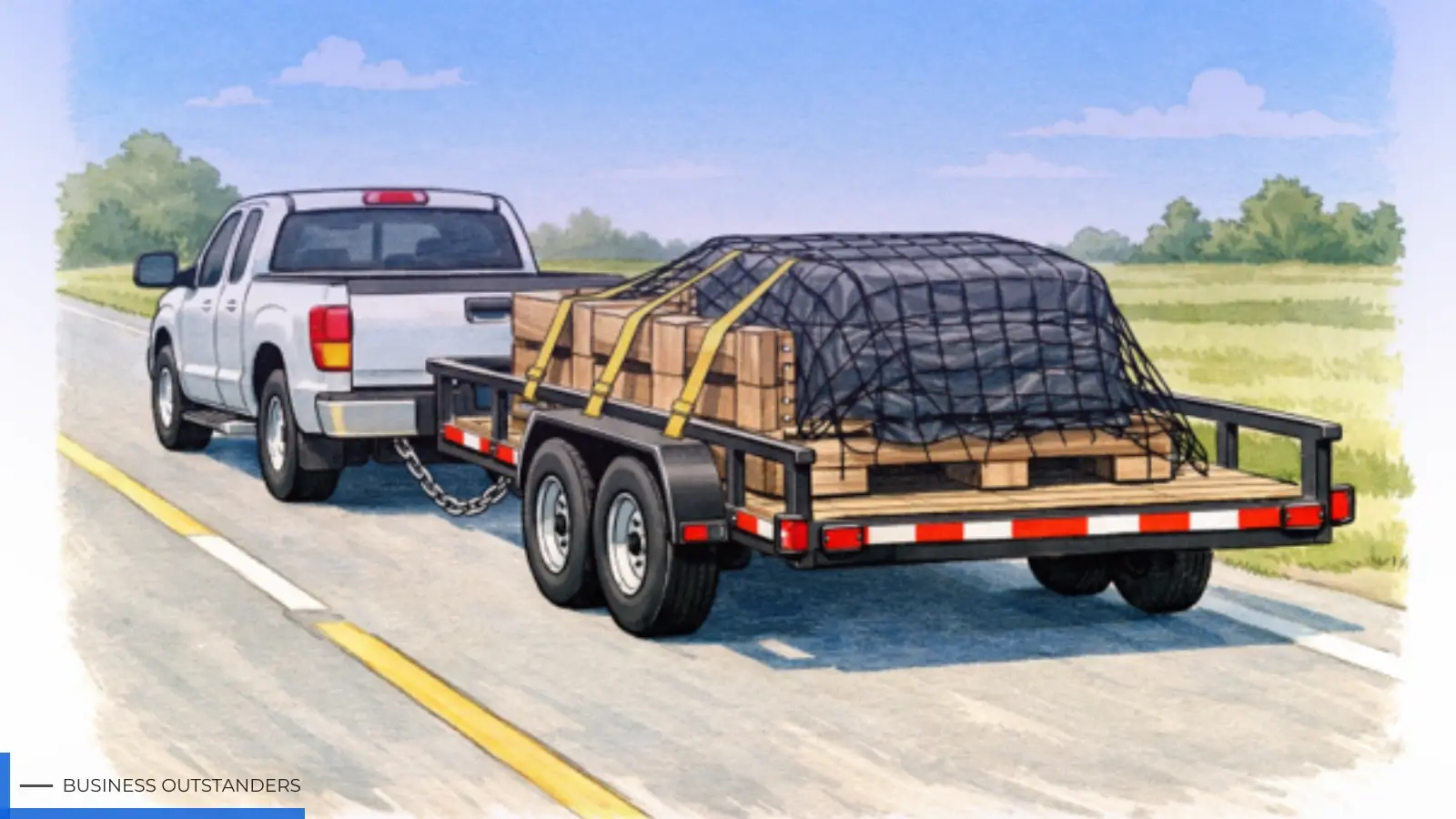
Because ATVs are smaller and lighter, they can often reach locations that are difficult for larger side-by-sides to access. They are also easier to transport in a pickup bed or on a smaller trailer.
ATV advantages
- Lower purchase price
- Better fuel efficiency in many cases
- Easier to maneuver in tight spaces
- Lower maintenance costs
- More engaging riding experience
The trade-off:
ATVs provide less passenger space, less cargo capacity, and less weather protection. Long rides can also be more tiring because the rider is constantly shifting body position.
Choose a UTV If...
A UTV is usually the better choice when work, comfort, or carrying people is important.
UTVs are ideal for:
- Farms and ranches
- Property maintenance
- Hunting with partners
- Family trail riding
- Hauling tools, feed, or equipment
- Towing trailers
- Longer rides where comfort matters
The cargo bed alone is a major advantage. Many UTVs can carry several hundred pounds of gear and tow loads that would overwhelm most ATVs.
UTV advantages
- Carry multiple passengers
- Much larger cargo capacity
- Greater towing ability
- More comfortable seating
- Better safety equipment
- Available roofs, windshields, doors, and heaters on many models
The trade-off:
UTVs cost more, require more storage space, and may not fit on narrow trails that are open to ATVs.
Performance: Which Is More Fun?
This depends on what you consider fun.
- ATV fun factor
- Quick directional changes
- More body movement and rider involvement
- Excellent for technical trails
- Feels closer to riding a dirt bike
UTV fun factor
- Higher stability at speed
- Share the experience with passengers
- Better for long trail days
- Often more powerful in sport-oriented models
For pure solo trail riding, many enthusiasts prefer an ATV. For group adventures, a UTV usually wins.
Safety Considerations
Safety is one area where UTVs generally have an advantage.
UTV safety
-
Roll cages
-
Seat belts
-
Bucket seats
-
Better occupant protection during a rollover
ATV safety
-
More rider skill required
-
Greater emphasis on body positioning
-
Higher risk if operated improperly
Regardless of vehicle type, always wear a DOT-approved helmet, eye protection, and appropriate riding gear.
Cost of Ownership
ATVs are usually the more affordable option.
ATV
$6,000-$12,000+
Typical purchase price
UTV
$12,000-$30,000+
Typical purchase price
Beyond the initial price, UTVs often have higher costs for:
- Insurance
- Tires
- Maintenance
- Accessories
- Storage
- Transportation
If budget is a major factor, an ATV is usually the easier entry point into off-road ownership.
Best Choice by Use Case
Trail riding
ATV
Hunting
UTV (or ATV for solo hunters)
Farm work
UTV
Ranch work
UTV
Tight wooded trails
ATV
Family recreation
UTV
Hauling equipment
UTV
Towing trailers
UTV
Lowest purchase cost
ATV
Best passenger capacity
UTV
Most agile handling
ATV
Best all-around work machine
UTV
The Bottom Line: ATV or UTV?
Buy an ATV if you primarily ride alone, want maximum maneuverability, and prefer a lower-cost machine that excels on narrow trails and rough terrain.
Buy a UTV if you need to carry passengers, haul gear, tow equipment, or want a more comfortable and versatile vehicle for both work and recreation.
For many landowners, farmers, and families, a UTV is the more practical long-term investment. For dedicated trail riders and solo adventurers, an ATV often delivers more excitement per dollar spent.
The good news is that neither choice is wrong. The best machine is the one that matches 80% of your real-world use. If most of your time will be spent working, hauling, and riding with others, choose a UTV. If most of your time will be spent exploring trails, navigating tight terrain, and riding solo, choose an ATV.
In one sentence: ATV = agility and affordability; UTV = versatility and capability.
That simple rule will help most buyers make the right decision.
Also Read: What Are the Best Electric Vehicles for Off-Road Adventures
Business Outstanders brings you sharp insights on tech, business, entrepreneurship, law, crypto, and more. We uncover what’s next. Stay updated, sign up for our newsletter and be part of the future!