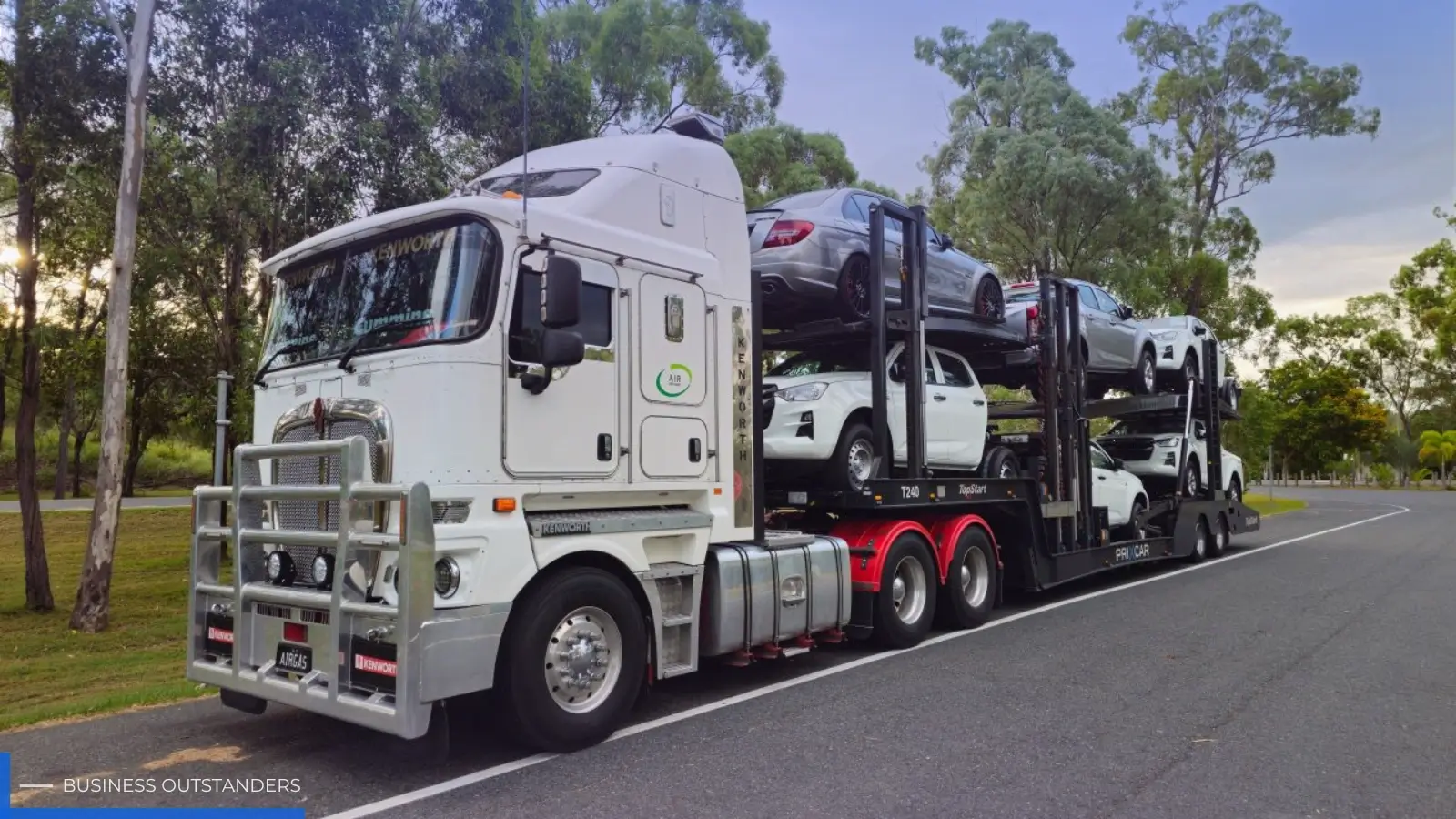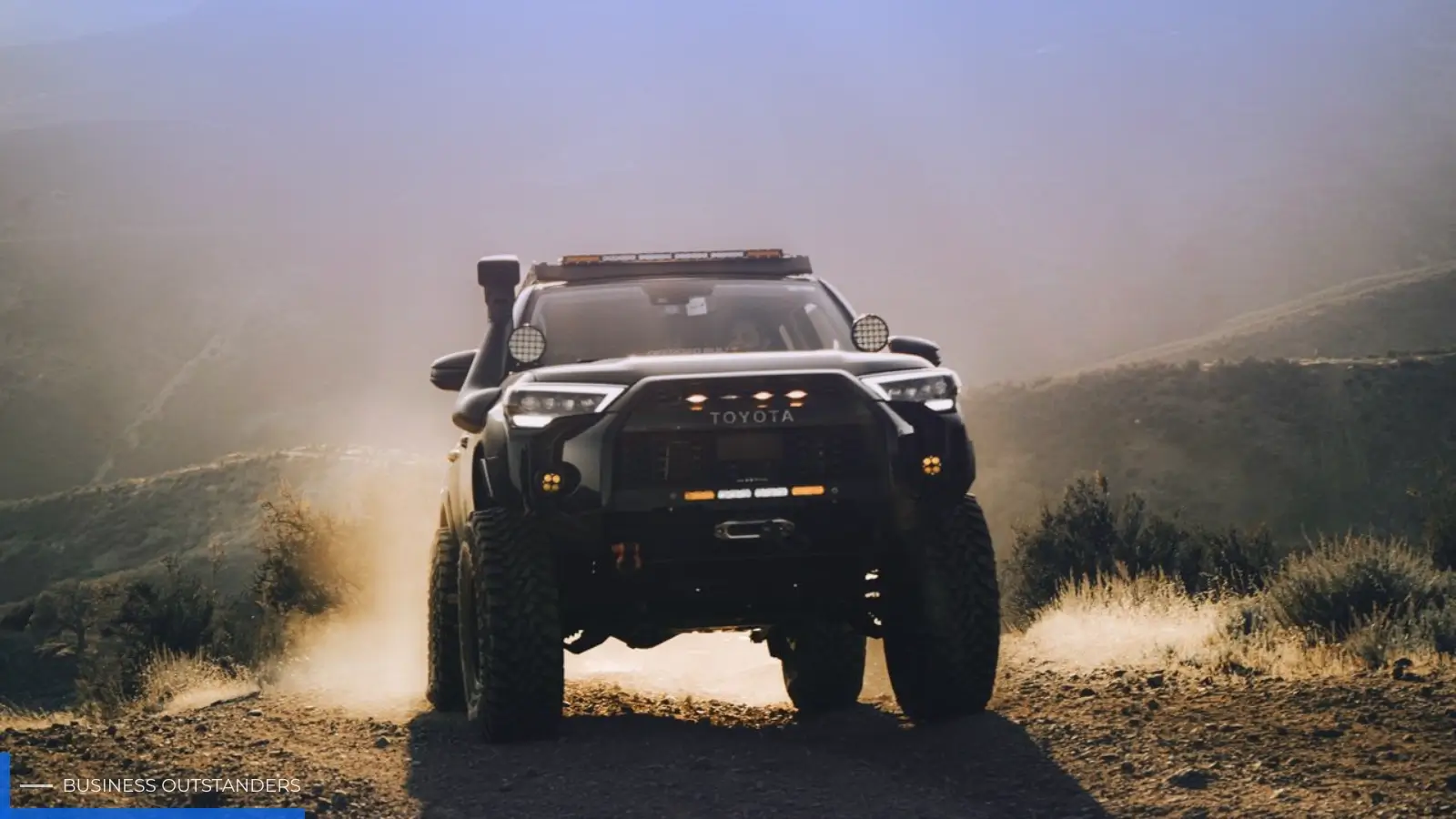
Selecting the right vehicles for a business fleet is an important decision that can influence operating costs, employee productivity, and customer satisfaction. Every company has different transportation needs, so choosing the most suitable vehicles requires careful planning rather than focusing solely on purchase price. Factors such as fuel efficiency, maintenance requirements, reliability, cargo capacity, and driver comfort all contribute to the long-term value of a fleet.
As automotive technology continues to evolve, businesses have more options than ever before. From traditional gasoline-powered vehicles to hybrids and fully electric models, selecting the right mix can help companies improve efficiency while preparing for future transportation trends.
Think About Your Business Needs
The first step in building an effective fleet is identifying how the vehicles will be used. Delivery companies may prioritize cargo space and durability, while sales teams often require comfortable vehicles suitable for long-distance travel. Service technicians may benefit from vehicles with additional storage for equipment and tools.
Understanding daily mileage, passenger requirements, and typical driving conditions helps narrow the selection process. Choosing vehicles that match actual business operations prevents unnecessary expenses and improves overall efficiency.
Consider Total Ownership Costs
Purchase price is only one part of fleet ownership. Businesses should evaluate fuel or electricity costs, routine maintenance, insurance premiums, expected depreciation, and resale value before making a decision.
Vehicles with lower operating costs often provide greater value over several years, even if their initial purchase price is higher. Reliable models that require fewer repairs can also reduce downtime, helping employees remain productive while minimizing disruptions.
Electric Vehicles Are Becoming Practical
Electric vehicles have become increasingly attractive for fleet operators. Improvements in battery technology, expanding charging infrastructure, and lower maintenance requirements have made EVs a realistic option for many businesses.
Companies researching Honda electric cars near me, local Honda EVs, or others may discover models that offer practical driving ranges, advanced safety technology, and reduced operating expenses. For businesses whose employees primarily travel predictable daily routes, Honda EVs near me can provide dependable transportation while lowering fuel costs.
Employee Comfort and Safety
Employees who spend significant time behind the wheel benefit from vehicles designed with comfort and convenience in mind. Supportive seating, modern infotainment systems, climate control, and advanced driver assistance features contribute to a better driving experience.
Safety should remain a top priority when selecting fleet vehicles. Features such as automatic emergency braking, lane keeping assistance, adaptive cruise control, and blind spot monitoring help reduce accident risks while protecting both drivers and company assets.
Maintenance and Service Availability
Routine maintenance is an unavoidable part of fleet management. Choosing vehicles supported by extensive dealership and service networks makes repairs and scheduled maintenance more convenient. Businesses should also evaluate warranty coverage and the availability of replacement parts. Vehicles backed by strong manufacturer support can help reduce repair times and keep fleet operations running smoothly throughout the year.
Planning for Future Growth
As companies expand, fleet requirements often change. Selecting versatile vehicles allows businesses to adapt without replacing their entire fleet prematurely. Businesses may also consider accessible vehicles for their fleet to better serve employees, customers, and passengers with diverse mobility needs. Standardizing vehicle models where practical can also simplify maintenance, training, and inventory management for replacement parts.
Making an Informed Fleet Decision
Choosing fleet vehicles requires balancing operational needs with long-term financial considerations. Businesses that carefully evaluate vehicle reliability, efficiency, employee comfort, maintenance requirements, and future scalability are more likely to build fleets that support continued success.
Companies can compare available models to determine which option best aligns with their business goals. By investing in vehicles that deliver dependable performance, reasonable operating costs, and modern technology, organizations can create a fleet that improves productivity while remaining prepared for the changing future of transportation.
Business Outstanders brings you sharp insights on tech, business, entrepreneurship, law, crypto, and more. We uncover what’s next. Stay updated, sign up for our newsletter and be part of the future!