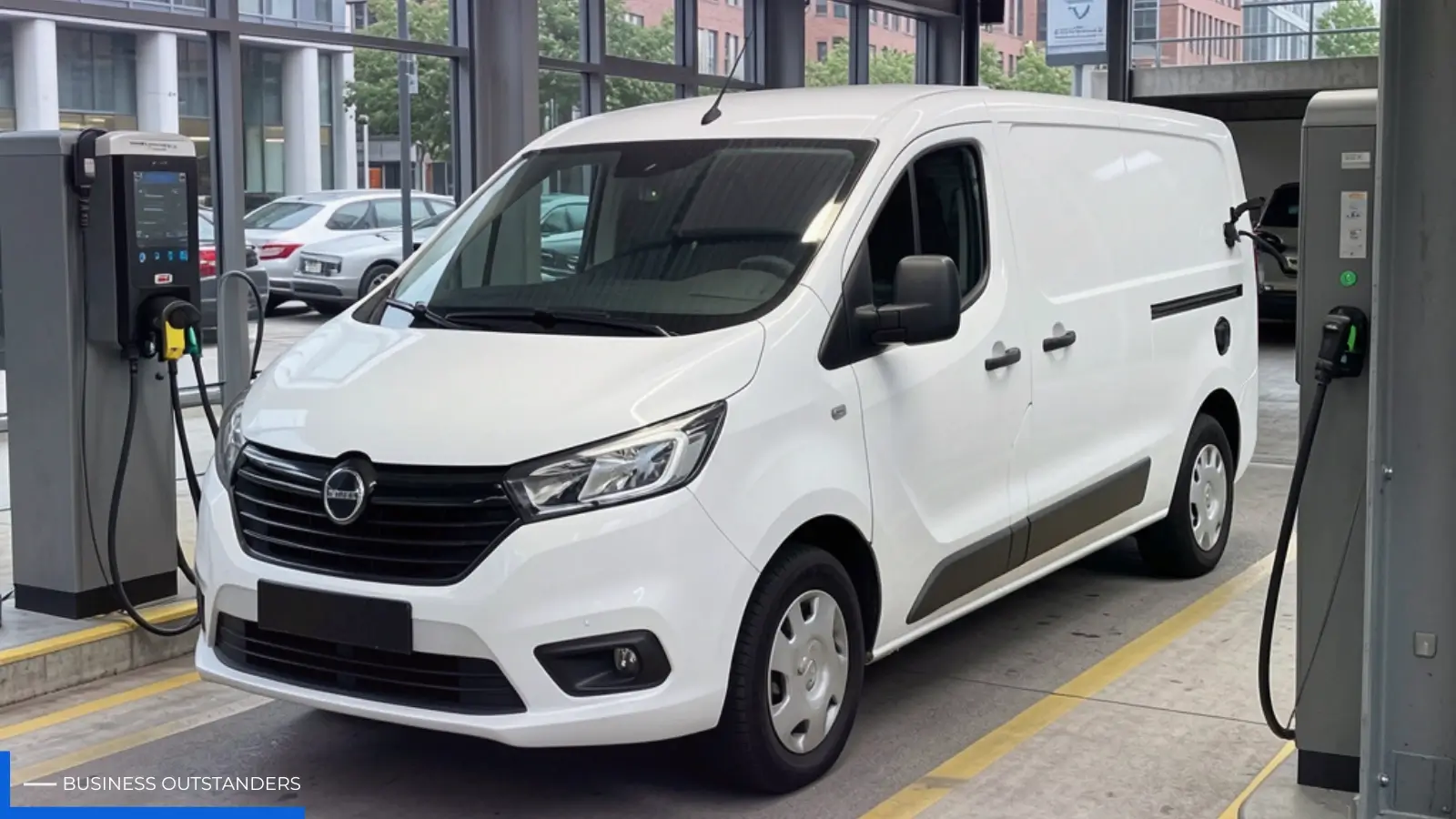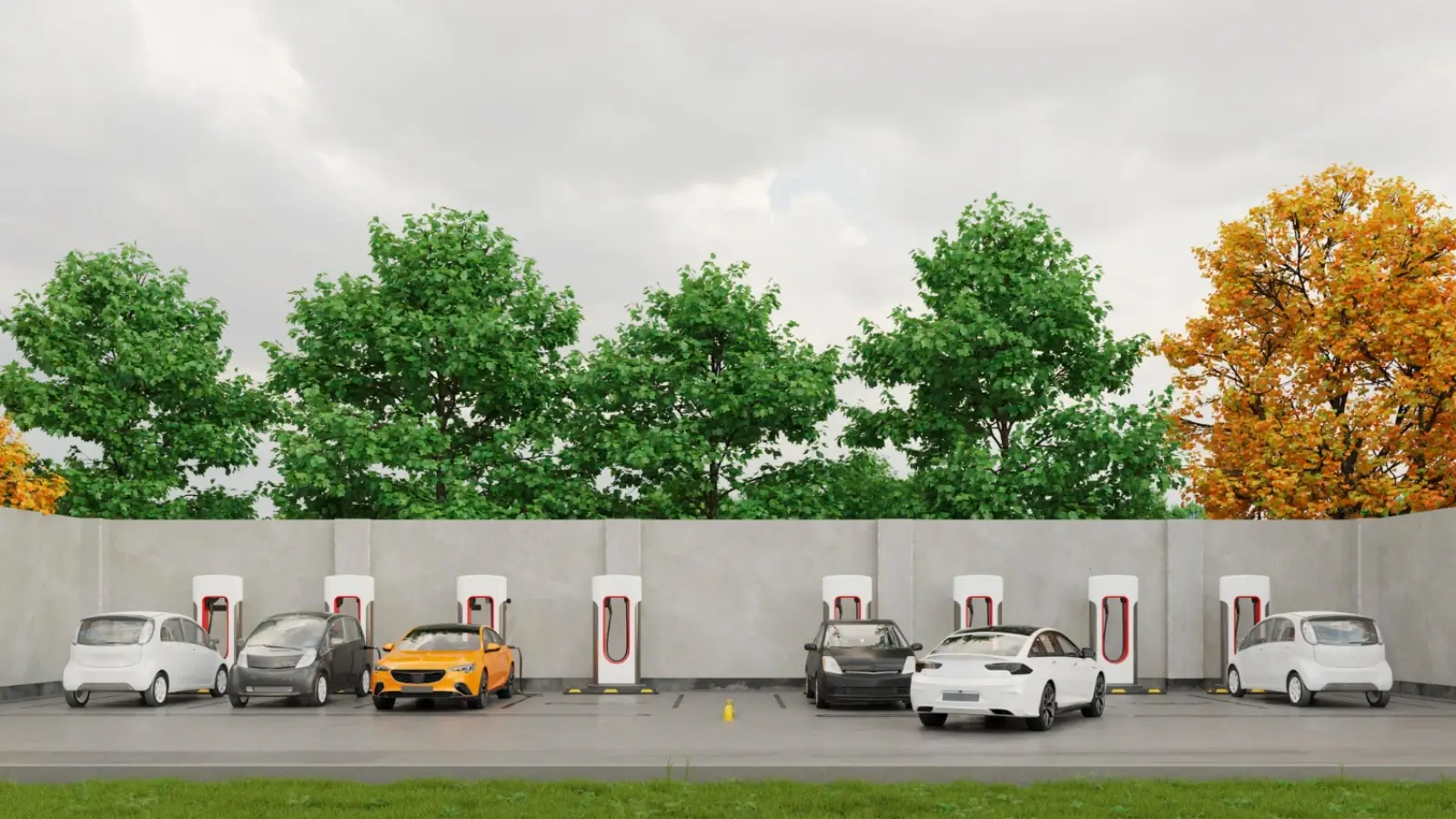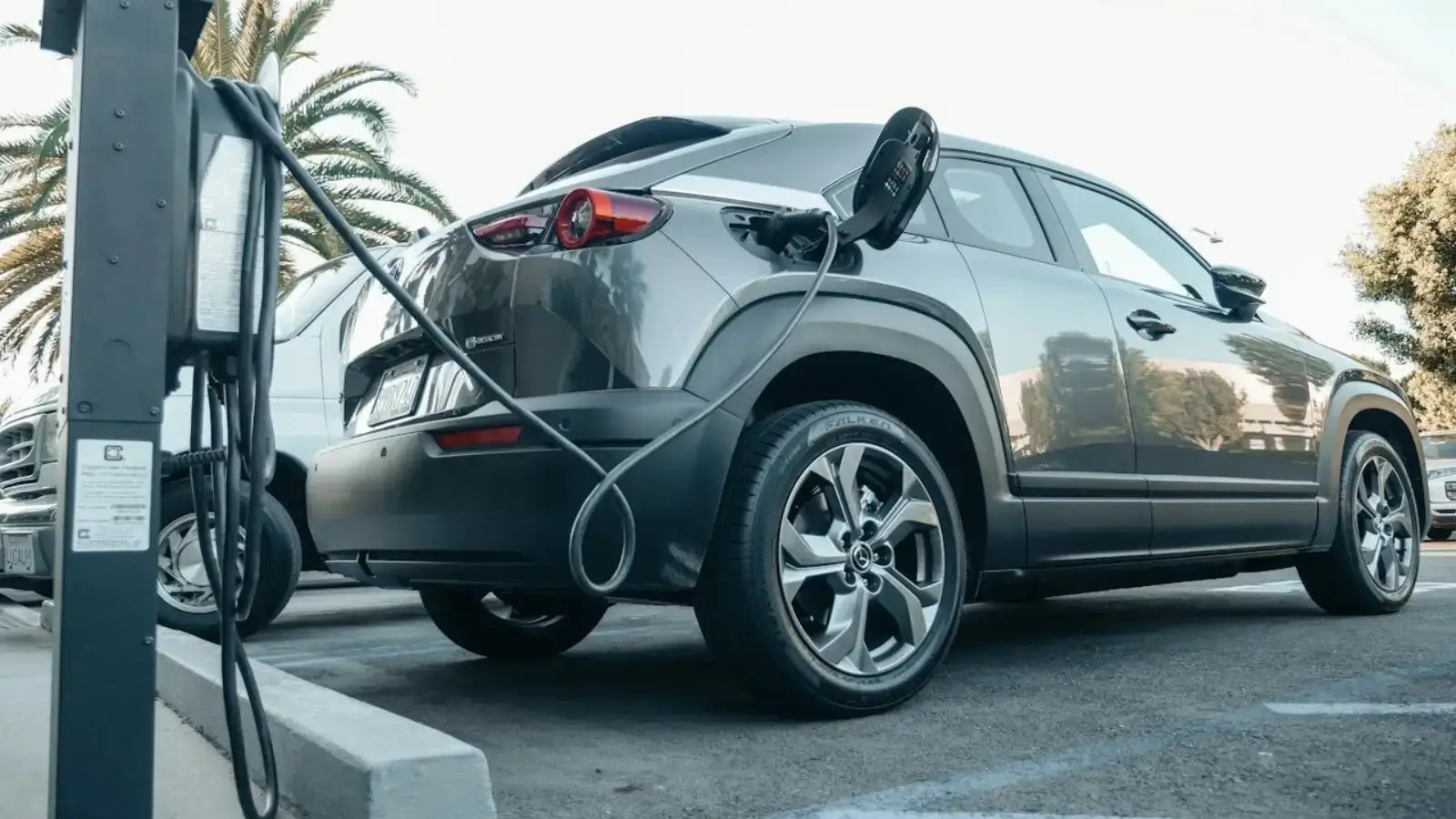
Universities across the country are setting ambitious sustainability targets, from reducing campus emissions to achieving long-term carbon neutrality. While energy-efficient buildings and renewable energy projects often receive the most attention, transportation remains a significant source of campus-related emissions.
EV charging infrastructure is becoming an important part of how universities address that challenge. By providing reliable charging access for students, faculty, staff, visitors, and campus fleets, universities can support cleaner transportation while strengthening broader sustainability initiatives.
Transportation Is a Major Part of Campus Emissions
A university’s environmental impact extends far beyond classroom buildings. Daily commuting, campus operations, service vehicles, and visitor traffic all contribute to transportation-related emissions.
As electric vehicle adoption increases, campuses are seeing growing demand for charging options. Without accessible charging infrastructure, many potential EV users may be discouraged from making the transition.
Providing on-campus charging helps remove that barrier and supports the university’s broader sustainability goals.
EV Charging as a Visible Sustainability Initiative
One reason EV infrastructure has become popular on campuses is that it combines practical value with visible impact.
Charging stations demonstrate that the university is:
-
Investing in sustainable transportation
-
Preparing for future mobility trends
-
Supporting lower-emission commuting options
-
Integrating sustainability into daily campus life
Unlike some behind-the-scenes efficiency projects, EV charging is highly visible to students, employees, prospective applicants, and visitors.
Supporting Students, Faculty, and Staff
Universities function like small cities, with thousands of people arriving and departing every day.
Campus charging can serve multiple groups:
-
Students living in residence halls
-
Commuters parking for classes or work
-
Faculty and staff vehicles
-
Visitors attending events and conferences
Because many vehicles remain parked for several hours, Level 2 commercial charging is often well suited to university environments. It allows vehicles to recharge during the normal course of the day without requiring extremely high-power infrastructure.
Planning for Future Growth
A common mistake is installing only enough chargers to meet current demand.
Campus EV adoption can grow quickly, especially as:
-
More students purchase EVs
-
Faculty commuting patterns change
-
University fleets become electric
-
State and local policies encourage electrification
This makes scalability an important part of campus planning.
Universities benefit from infrastructure that allows additional chargers to be added over time without major reconstruction.
Managing Campus Electrical Capacity
Large campuses already have significant electrical loads from academic buildings, laboratories, residence halls, and athletic facilities.
Adding EV charging requires careful energy management.
Modern commercial charging systems help by:
-
Balancing power across multiple chargers
-
Preventing unnecessary peak demand
-
Scheduling charging more efficiently
-
Allowing expansion within existing capacity limits
Solutions from companies like CyberSwitching are designed for commercial and institutional environments where scalability and energy management are important considerations.
Founded in 1994 and holding more than 40 patents in EV charging and power management, CyberSwitching develops charging systems that support dynamic load management, network connectivity, and flexible deployment across multiple campus locations.
Campus Fleet Electrification
Many universities operate:
-
Maintenance vehicles
-
Security vehicles
-
Shuttle buses
-
Groundskeeping equipment
As these fleets transition to electric models, dedicated charging infrastructure becomes essential.
A campus can use:
-
Public-facing chargers for commuters and visitors
-
Separate managed charging areas for university vehicles
This allows the institution to support both public access and operational needs within a coordinated charging strategy.
Data and Sustainability Reporting
Universities increasingly track sustainability metrics for public reporting and climate commitments.
Networked EV charging systems can provide:
-
Energy usage data
-
Charging session counts
-
Estimated emissions reductions
-
Utilization trends across campus
These insights help sustainability offices measure progress and make informed decisions about future infrastructure investments.
Funding and Incentive Opportunities
Many campuses can reduce project costs through:
-
Utility rebate programs
-
State EV infrastructure grants
-
Federal incentives
-
Sustainability and transportation funding initiatives
Choosing equipment that qualifies for multiple programs can significantly improve the financial case for campus charging projects.
Enhancing Campus Competitiveness
Sustainability is increasingly part of how universities attract students, faculty, research partners, and donors.
EV charging contributes to that positioning by:
-
Supporting institutional climate commitments
-
Improving the campus experience
-
Demonstrating investment in future infrastructure
-
Aligning with expectations of environmentally conscious stakeholders
For many prospective students and employees, visible sustainability efforts are becoming an important part of campus perception.
Building a Long-Term Campus Mobility Strategy
The most successful university charging projects are not treated as standalone installations. They are integrated into a broader mobility and sustainability strategy that considers:
-
Parking management
-
Transit connections
-
Fleet operations
-
Renewable energy initiatives
-
Future transportation trends
This approach helps campuses avoid fragmented infrastructure decisions and creates a more adaptable system over time.
Final Takeaway
EV charging infrastructure is becoming an important tool for universities working toward sustainability and carbon-reduction goals.
By supporting cleaner transportation, improving the campus experience, and enabling future electrification, charging stations help connect environmental commitments with everyday campus operations.
The campuses that plan strategically today will be better positioned to meet growing demand, support long-term sustainability objectives, and create transportation systems that are ready for the next generation of students and employees.
Business Outstanders brings you sharp insights on tech, business, entrepreneurship, law, crypto, and more. We uncover what’s next. Stay updated, sign up for our newsletter and be part of the future!