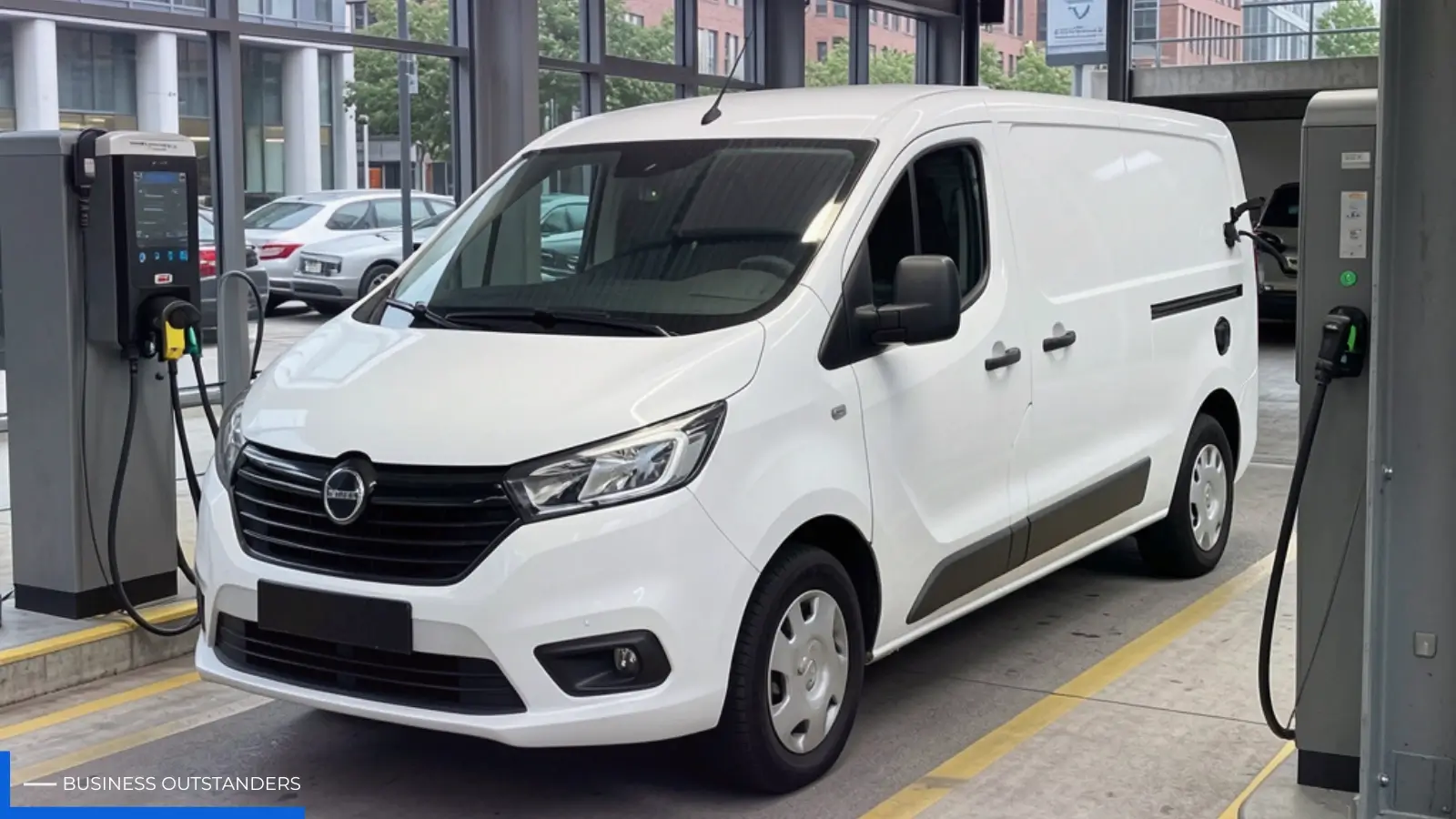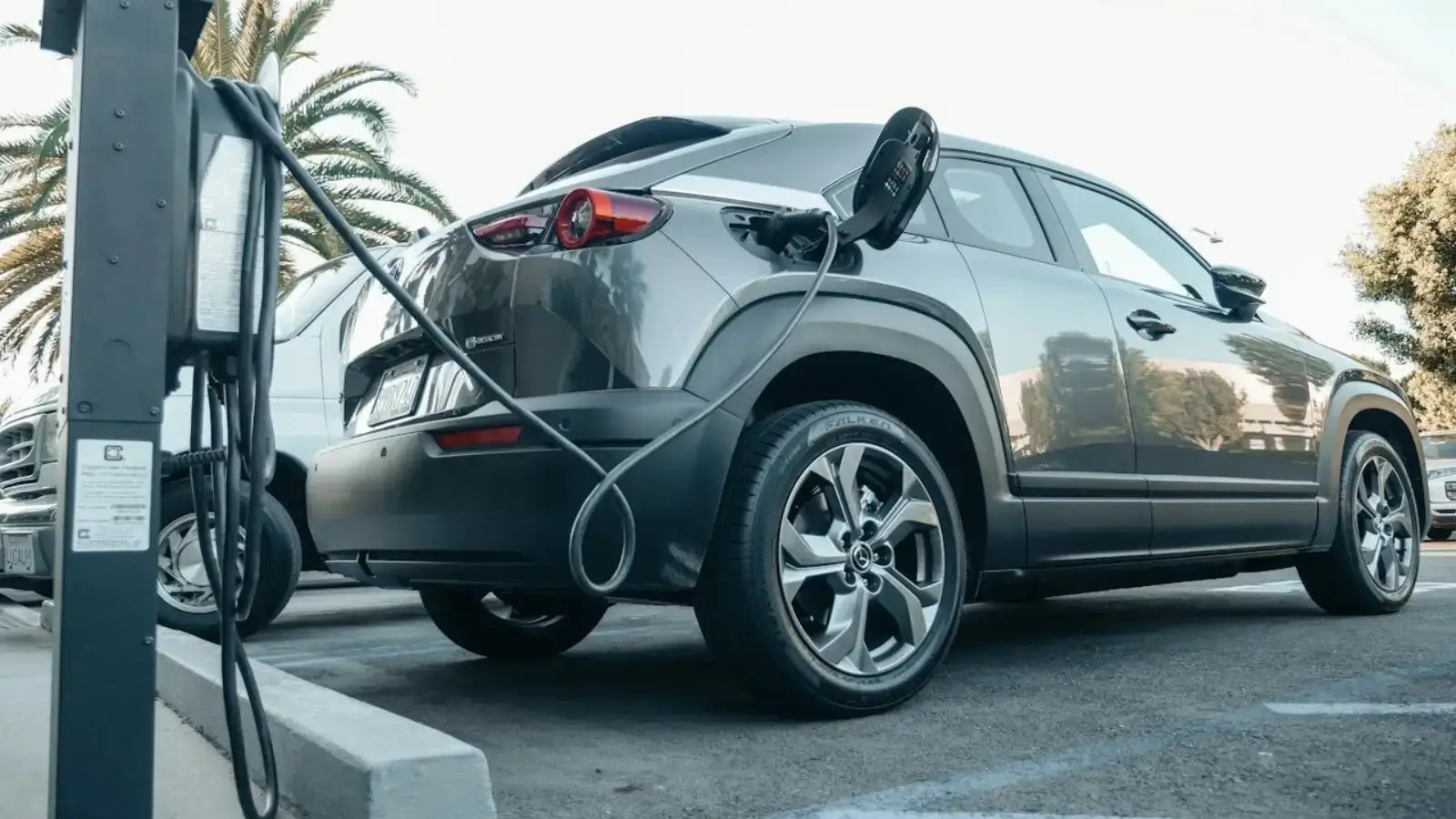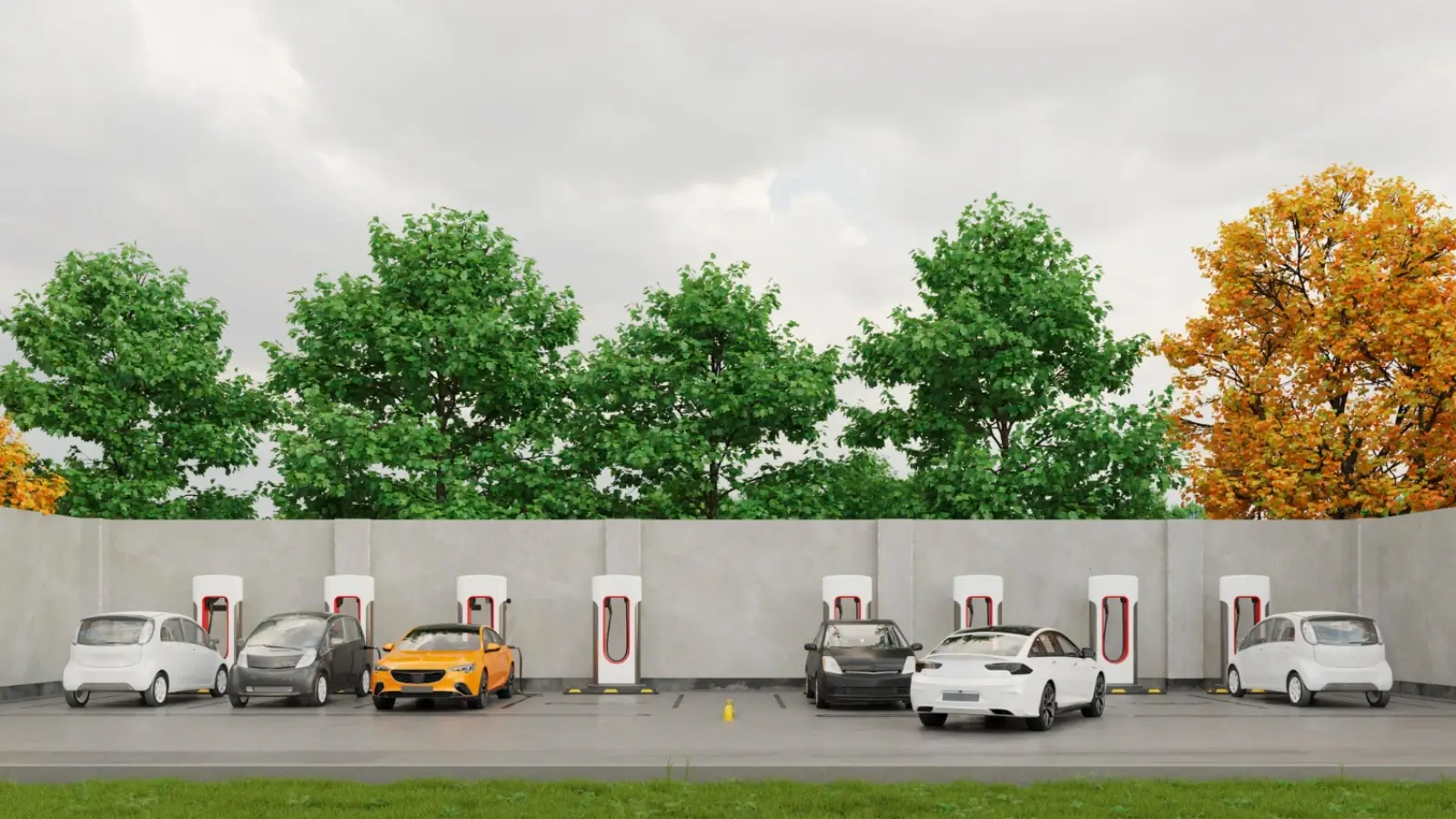
Fleet managers once evaluated vehicles mainly on purchase price and fuel consumption. Electrification has changed that equation. The real value of electric company cars appears across multiple layers of business operations, from taxation to staff retention.
Below are the most meaningful cost advantages organizations are discovering when they switch their company vehicles to electric.
1. Lower Fuel Costs Become Predictable Energy Costs
Petrol and diesel prices fluctuate constantly, which makes budgeting difficult for businesses running multiple vehicles.
Electric vehicles replace volatile fuel spending with stable electricity pricing. Charging overnight or during off-peak hours dramatically reduces cost per mile, and businesses can forecast operating expenses far more accurately across the year.
Predictability itself has financial value because it reduces risk in financial planning.
2. Maintenance Expenses Drop Significantly
Internal combustion engines contain hundreds of moving parts. Electric powertrains contain far fewer.
This means fewer replacements and services:
- No oil changes
- Fewer filters
- Reduced brake wear due to regenerative braking
- Fewer cooling system issues
Over a fleet lifecycle, maintenance savings often rival fuel savings.
3. Tax Incentives and Rebates
Many governments provide financial incentives for electric company vehicles.
These commonly include:
- Tax credits
- Accelerated depreciation allowances
- Reduced benefit-in-kind rates
- Infrastructure grants for workplace chargers
These incentives effectively reduce the purchase price without reducing vehicle quality.
4. Lower Total Cost of Ownership
Purchase price alone rarely determines value in fleet vehicles. Total cost of ownership (TCO) considers purchase, maintenance, fuel, and resale value.
Electric vehicles often start higher but cost less across their usable life because:
- Energy costs are lower
- Servicing is simpler
- Depreciation can be slower in high-demand markets
Over several years, businesses often spend less overall, even when upfront costs are higher.
5. Reduced Downtime
Vehicles in repair do not generate productivity.
Because electric vehicles require less routine servicing and experience fewer mechanical failures, they spend more time operational. This increases utilization rates without increasing fleet size.
More operational time means more revenue per vehicle.
6. Workplace Charging Reduces Operational Complexity
Fuel cards, reimbursements, and mileage calculations create administrative overhead.
Charging at company locations simplifies accounting and reduces reliance on public electric car charging stations. Businesses track electricity consumption directly instead of reconciling individual fuel purchases across multiple providers.
The reduction in administrative hours is a hidden but measurable cost saving.
7. Improved Employee Retention
Company vehicles are employee benefits as much as tools.
Electric vehicles feel modern, quiet, and comfortable, which improves job satisfaction for staff who drive daily. Happier drivers often stay longer, reducing recruitment and training expenses.
Retention savings frequently outweigh smaller operational cost differences.
8. Corporate Sustainability Savings
Environmental reporting now affects contracts and partnerships.
Operating electric fleets can:
- Qualify companies for green tenders
- Reduce regulatory penalties
- Improve brand trust
Financial value increasingly comes from reputation as well as efficiency.
9. Urban Access Advantages
Cities worldwide are introducing emissions restrictions and congestion charges.
Electric company cars often avoid:
- Low-emission zone fees
- City entry surcharges
- Future regulatory costs
Avoided fees accumulate quickly for businesses operating in urban environments.
10. Resale Value Stability
The secondary market increasingly favors electrified vehicles as regulations tighten.
Businesses rotating fleets every few years benefit because EV demand remains strong, helping protect residual values and reducing depreciation losses.
11. Brand Perception Influences Revenue
Customers notice company vehicles. A modern fleet signals forward thinking and responsibility.
This perception can influence:
- Client trust
- Partnership opportunities
- Consumer preference
Even service businesses benefit when vehicles reinforce professionalism.
12. Flexible Fleet Expansion
Electric platforms support varied vehicle types across the same infrastructure.
Companies transitioning to modern models available through Carl Burger Jeeps, offering a Jeep for sale San Diego options can expand fleets without redesigning operational processes, allowing gradual adoption rather than costly full replacement.
A Strategic Investment Rather Than a Trend
Electrifying company cars is not purely an environmental decision. It is a financial strategy built on predictable costs, lower maintenance, and operational efficiency.
Businesses that evaluate only the purchase price miss the larger picture. When analyzed across years instead of months, electric fleets often become the more economical choice while simultaneously improving working conditions and public perception.
Business Outstanders brings you sharp insights on tech, business, entrepreneurship, law, crypto, and more. We uncover what’s next. Stay updated, sign up for our newsletter and be part of the future!