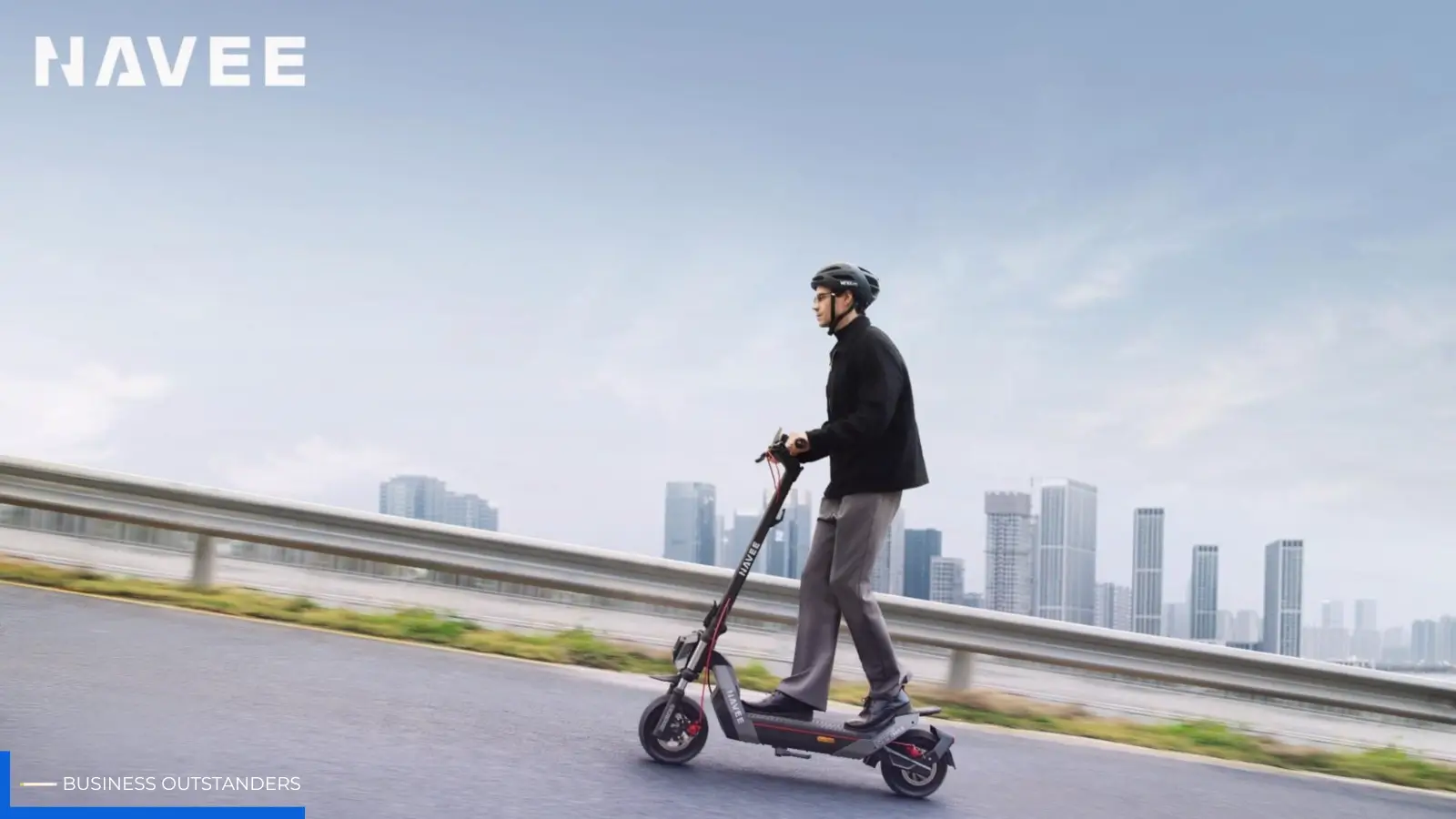
Dual-motor electric scooters are absolutely worth the investment if you regularly encounter steep hills, carry heavy payloads, or need to safely keep pace with fast-moving urban traffic. By utilizing an All-Wheel Drive (AWD) layout with an independent hub motor on both axles, a dual motor escooter delivers double the torque, better traction on slick surfaces, and faster acceleration than single-motor alternatives. For commuters seeking a viable vehicle alternative, upgrading to a dual-motor configuration eliminates the performance drops, hill-stalling, and traction vulnerabilities common in entry-level models. This creates a long-term asset that completely bypasses the starter scooter upgrade cycle.
Here is an analysis of how dual-motor technology impacts daily commuting performance and how to choose the right model.
The Limitations Of Single-Motor Electric Scooters
Riders usually investigate dual-motor options after encountering the physical limits of a standard, single-motor city scooter. Single-motor scooters concentrate their electrical output onto one axle, which creates specific operational limitations during a typical daily route.
The Hill-Climb Slump
A traditional 350W or 500W single-motor configuration often slows down when hitting a 15% to 20% incline. Travel speed can drop from an optimal 15 mph down to a 4 mph crawl, requiring the rider to kick-assist manually or walk the machine up the hill.
Vulnerability In Urban Traffic
In city environments, acceleration functions as a safety feature. A single-motor commuter takes more time to reach cruising speed from a dead stop. This linear lag leaves riders exposed to bicycles or vehicles merging into the lane from behind.
The Heavy Payload Performance Tax
Single-motor options are optimized for specific weight thresholds. For larger adults or commuters carrying backpacks with laptops and gear, a single hub motor operates under continuous strain. This increases operating temperatures, reduces top speeds, and lowers real-world battery range.
What Makes A Dual Motor Escooter Worth The Premium?
Upgrading to a dual-motor configuration changes personal transport mechanics. Instead of a single hub pushing the payload, an All-Wheel Drive (AWD) system pulls with the front wheel and pushes with the rear wheel simultaneously.
All-Wheel Drive Traction And Stability
Splitting the mechanical workload across two drive wheels increases rider safety. When crossing utility covers, loose gravel, damp leaves, or rain-slicked asphalt, a single drive tire can lose grip. Dual hubs distribute power dynamically; if one tire slips, the other maintains traction to stabilize the chassis.
Linear Acceleration
Dual-motor setups provide faster throttle response to clear intersections safely. Brands like NAVEE use custom-calibrated Electronic Speed Controllers (ESC) and Traction Control Systems (TCS) to regulate power delivery. This ensures torque builds predictably from a standstill without sudden lunges.
Choosing The Right High-Performance Scooter: A Step-By-Step Checklist
Use this four-step framework to evaluate a performance machine for your environment:
Step 1: Map Local Topography
Identify the steepest inclines on your route. Look for platforms engineered for specific gradeability ratings. For example, the NT5 Max handles a 32% slope, while the NT5 Ultra X scales a 45% incline without losing forward momentum.
Step 2: Calculate Speed And Range Requirements
Avoid running motors at maximum capacity continuously. If your commute requires a consistent 25 mph pace, select a vehicle with a higher top-speed ceiling (such as the 31 mph to 40 mph range of the NT Series) so internal components run efficiently. Ensure the battery pack uses a certified Battery Management System (BMS) with a capacity up to 898.56Wh for sufficient mileage margins.
Step 3: Audit Suspension And Shock Absorption
Higher speeds require vibration dampening. Select models with front and rear dual telescopic suspensions or damping arm modules. Combine this setup with wide 10.5-inch tubeless tires featuring a hybrid tread profile to absorb road shock from gravel, trails, and potholes.
Step 4: Verify Stopping Power Infrastructure
Higher kinetic energy requires stronger braking components. Ensure the vehicle uses dual 140mm mechanical disc brakes combined with electronic braking assistance (EABS) on both ends for fade-free stopping power.
Mitigating Dual-Motor Trade-Offs With Engineering
High-performance vehicles introduce structural trade-offs that buyers must consider. Modern design features address these issues directly.
Managing Portability And Structural Weight
Dual-motor configurations require two hub assemblies, reinforced brakes, and high-capacity batteries, bringing the total weight to 72 to 80 lbs. However, this mass increases chassis stability at higher speeds.
A double-redundancy folding latch system allows the vehicle to fold down for transport while preventing stem rattle or accidental folding during travel.
Shielding Premium Mobility Assets From Theft
High-value personal electric vehicle require security infrastructure. Modern platforms integrate tracking networks into the frame architecture. Built-in Apple Find My compatibility and secure Bluetooth auto-unlock ecosystems allow the vehicle to be monitored when parked outside.
Final Verdict: Skip The Starter Scooter Trap
Purchasing an underpowered $600 single-motor model often leads to a quick resale at a loss when it fails to climb local hills or match traffic speeds. Choosing a dual-motor machine from the NT Series bypasses the middle tier, reduces maintenance friction, and provides a personal asset designed for varied road conditions.
Business Outstanders brings you sharp insights on tech, business, entrepreneurship, law, crypto, and more. We uncover what’s next. Stay updated, sign up for our newsletter and be part of the future!