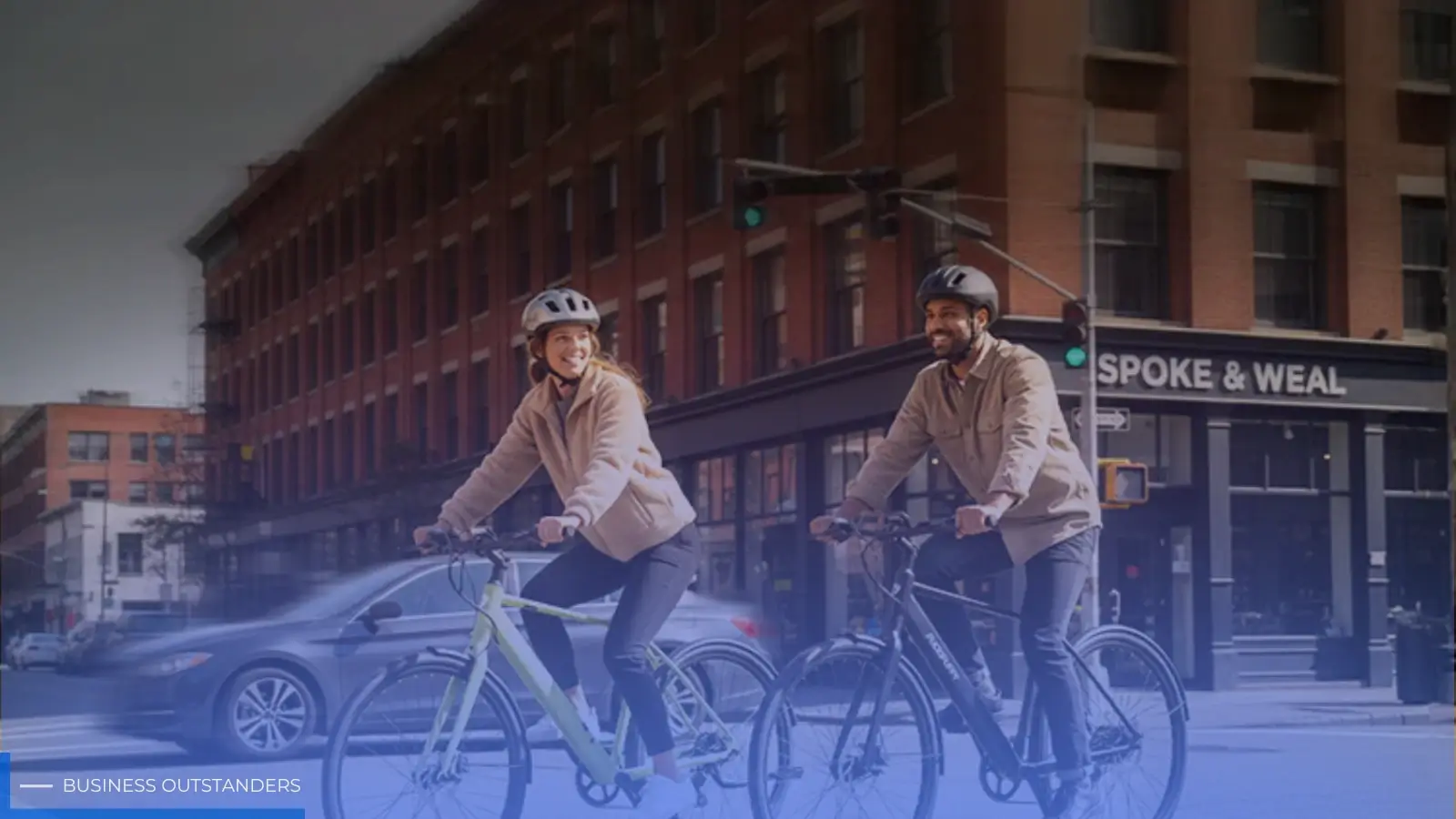
In cities around the world, the number of people riding commuter e-bikes continues to grow. What began as a niche category of cycling has steadily moved into the mainstream, particularly in urban areas where daily travel can be complicated, time-consuming, and expensive.
For many riders, choosing a commuter e-bike is not about following a trend or adopting new technology for its own sake. Instead, it reflects practical decisions shaped by everyday challenges—traffic congestion, limited parking, rising transportation costs, and the need for more efficient ways to move through dense city environments.
Understanding what drives urban riders toward commuter e-bikes reveals much about the changing nature of modern transportation and why these bikes are becoming a common part of city life.
The Growing Frustration With Urban Traffic
One of the most obvious factors pushing riders toward commuter e-bikes is the reality of urban traffic. In many cities, congestion has become a daily obstacle for drivers. Commutes that should take twenty minutes can stretch into an hour or more during peak travel times.
Even public transportation, while essential in many cities, can involve crowded trains, delayed schedules, and transfers that add complexity to a simple trip.
Commuter e-bikes offer an alternative that avoids many of these frustrations. By using bike lanes, quieter streets, and shorter routes, riders can often move through the city more predictably. Instead of sitting in traffic, they remain part of the flow of movement.
This sense of control over travel time is a major reason many urban riders begin exploring e-bikes in the first place.
The Challenge of Parking in Dense Cities
Parking is another daily problem that encourages people to reconsider how they travel. In crowded urban areas, finding a parking space can take as long as the drive itself. Parking garages are expensive, and street parking is often limited.
For short trips, the effort required to park a car can outweigh the convenience of driving.
A commuter e-bike simplifies this situation dramatically. Bikes require far less space and can usually be parked close to a rider’s destination. Many riders simply lock their bikes to public racks or designated bike parking areas.
This small but significant convenience helps make e-bikes a practical choice for everyday errands and commuting.
Short Trips That Don’t Justify a Car
Urban travel patterns also favor commuter e-bikes because many city trips are relatively short. In fact, a large percentage of urban journeys fall within a range of just a few miles.
These distances can feel too long to walk but too short to justify driving. Cars often spend more time sitting at traffic lights or searching for parking than actually moving.
Commuter e-bikes fit perfectly into this middle ground. Electric assistance makes short rides effortless, allowing riders to travel comfortably without arriving exhausted. For trips of three to ten miles, e-bikes can be one of the most efficient forms of transportation available.
A More Predictable Daily Routine
One of the less obvious advantages of commuter e-bikes is the predictability they offer. Driving times can vary widely depending on traffic, construction, or accidents. Public transportation can also be affected by delays or overcrowding.
E-bike travel tends to be more consistent. Riders often follow the same bike lanes or routes each day, and travel times remain relatively stable.
This reliability is particularly valuable for commuters who need to arrive at work on schedule. Knowing that a ride will take roughly the same amount of time each day reduces stress and simplifies daily planning.
The Appeal of Accessible Electric Assistance
Another important factor driving adoption is the assistance provided by electric motors. While traditional bicycles are already efficient for city travel, some riders worry about physical effort—especially when dealing with hills, longer distances, or arriving at work sweaty.
Electric assistance solves many of these concerns. A commuter e-bike allows riders to pedal naturally while receiving support from the motor when needed. Hills feel less intimidating, and longer distances become more manageable.
This assistance makes cycling accessible to a wider range of riders, including people who may not consider themselves regular cyclists.
Lower Transportation Costs Over Time
Cost is also an important consideration for many urban residents. Owning and operating a car in a city can be expensive when fuel, insurance, maintenance, and parking fees are combined.
Even public transportation costs add up over time.
Commuter e-bikes typically require lower ongoing expenses. Electricity costs for charging are minimal, and routine maintenance is generally straightforward. While purchasing an e-bike represents an initial investment, many riders find that it reduces their overall transportation spending in the long run.
For some urban residents, replacing even a portion of car trips with e-bike travel can make a noticeable difference financially.
E-Bikes That Fit Urban Lifestyles
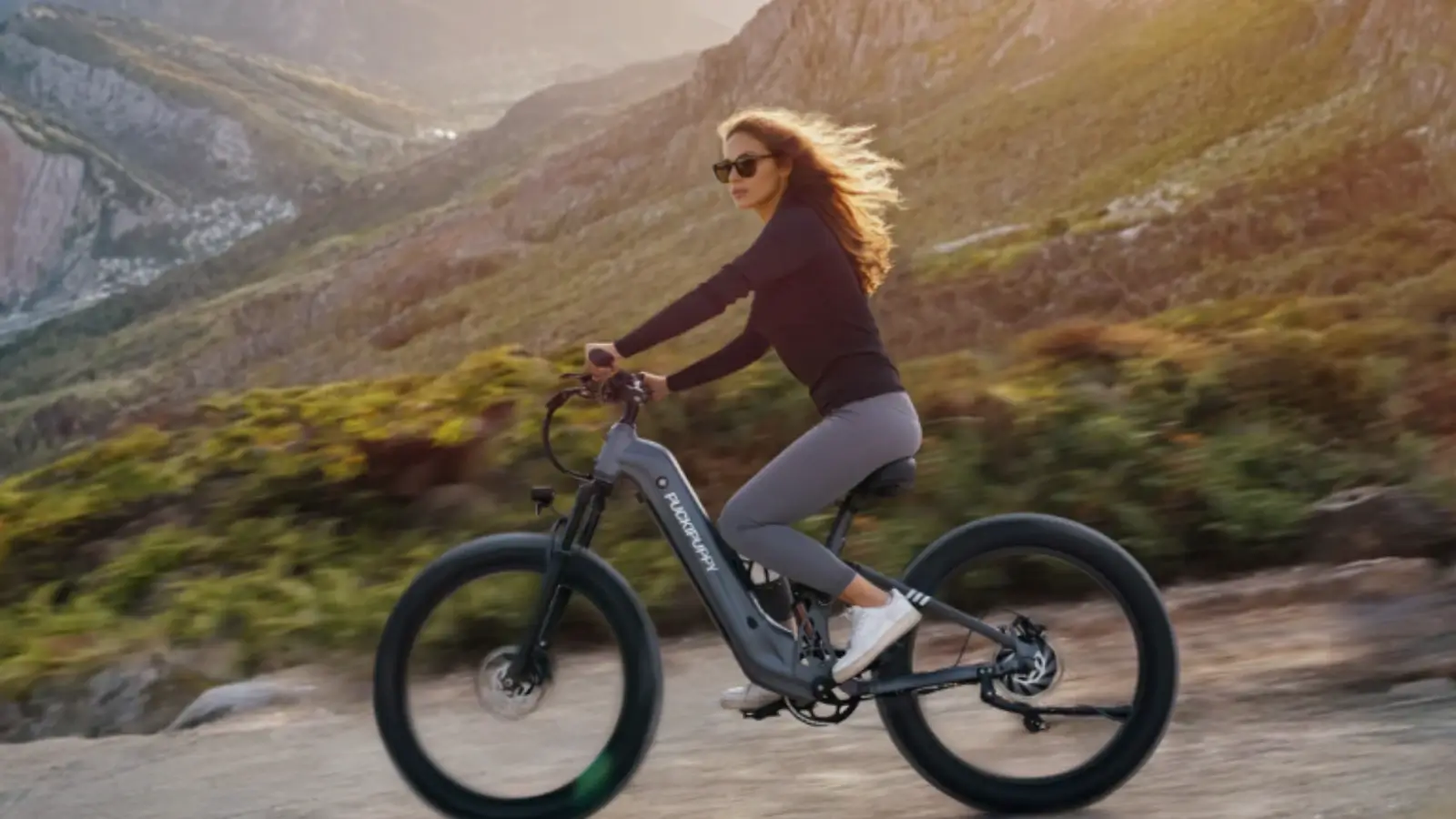
As demand for commuter e-bikes has grown, manufacturers have responded by developing models specifically suited for city environments. These bikes emphasize comfort, practicality, and ease of use rather than extreme performance.
Features commonly found on commuter e-bikes include upright riding positions, integrated lights, racks for carrying bags, and tires designed for urban roads. These elements make it easier for riders to incorporate cycling into everyday routines.
Brands focused on commuter-friendly designs, such as Puckipuppy, reflect this broader shift toward e-bikes that prioritize daily usability and balanced riding characteristics.
Environmental Awareness and Changing Attitudes
Environmental awareness also plays a role in the growing popularity of commuter e-bikes. Many urban residents are becoming more conscious of how transportation choices affect air quality, noise levels, and energy consumption.
While individual travel decisions may seem small, choosing a bike over a car can contribute to reducing congestion and emissions in densely populated areas.
For riders who want to make more sustainable choices without sacrificing convenience, commuter e-bikes provide a practical option that aligns with both personal and environmental goals.
The Social Visibility of E-Bikes
Another factor influencing adoption is simple visibility. As more riders use commuter e-bikes in cities, they become a familiar part of the urban landscape. Seeing neighbors, coworkers, or other commuters riding e-bikes can normalize the idea of using one for daily travel.
This visibility reduces uncertainty for potential riders. What once felt like an unusual transportation option now appears increasingly common and accessible.
As a result, more people begin considering whether an e-bike might fit their own routine.
A Transportation Choice Built Around Everyday Needs
Ultimately, the growing popularity of commuter e-bikes reflects a broader shift in how urban residents think about transportation. Instead of relying solely on cars or public transit, many people are exploring more flexible ways to move through their cities.
Commuter e-bikes meet many of the practical needs of urban travel. They offer a balance of speed, convenience, affordability, and accessibility that fits well with short-distance trips and daily commuting.
For riders navigating crowded streets and busy schedules, that balance is often exactly what they need.
As cities continue to evolve and transportation systems adapt, commuter e-bikes are likely to remain an important part of the conversation about how people move efficiently through urban environments.
Business Outstanders brings you sharp insights on tech, business, entrepreneurship, law, crypto, and more. We uncover what’s next. Stay updated, sign up for our newsletter and be part of the future!